Navigating the Energy Transition in Metro Detroit: Low Voltage ESS Architectures for Commercial, Light Industrial, and Residential Critical Loads
As the historic epicentre of American manufacturing, the Greater Detroit metropolitan area—encompassing Wayne, Oakland, and Macomb counties—is undergoing one of the most comprehensive electrical infrastructure modernizations in North America. Rapid industrial electrification, the expansion of tier-1 automotive supplier testing facilities, and severe weather-induced grid volatility have elevated low voltage battery energy storage systems (LV-BESS) from discretionary capital upgrades to non-negotiable operational assets.
1. Detroit Regional Energy Dynamics: Grid Vulnerabilities & Rate Structure Pressures
Contractors, energy service companies (ESCOs), and commercial developers operating in Detroit confront a specific matrix of challenges governed by DTE Energy's distribution architecture and the Michigan Public Service Commission (MPSC) regulatory frameworks. The local energy ecosystem is characterized by three distinct economic drivers:
A. Time-of-Day (TOD) Industrial and Commercial Tariffs: Commercial utility tariffs in Southeastern Michigan increasingly penalize on-peak consumption between 11:00 AM and 7:00 PM. High demand surcharges (measured in $/kW of monthly peak demand) can constitute between 30% and 52% of an industrial facility’s monthly electrical overhead. Deploying low-voltage LFP battery banks synchronized with Deye hybrid inverters allows intelligent peak shaving, shifting high-draw manufacturing operations (such as robotic welding cells, CNC machinery, and curing ovens) to stored solar and off-peak energy.
B. Severe Winter Freeze Vulnerabilities & Outage Mitigation: Southeast Michigan experiences severe polar vortex weather patterns and winter ice storms that stress overhead transmission lines. Historical multi-day blackout events throughout Wayne County underscore the fragility of relying exclusively on grid-tied photovoltaic arrays without dedicated storage. Standard grid-tied inverters automatically disconnect during outages due to anti-islanding regulations (IEEE 1547). A low-voltage hybrid ESS with seamless transfer switches (<4ms automatic UPS transition) ensures that critical circuits—including building automation systems, fire alarm suppression controls, sump pumps, and cold-storage refrigeration—remain fully energized.
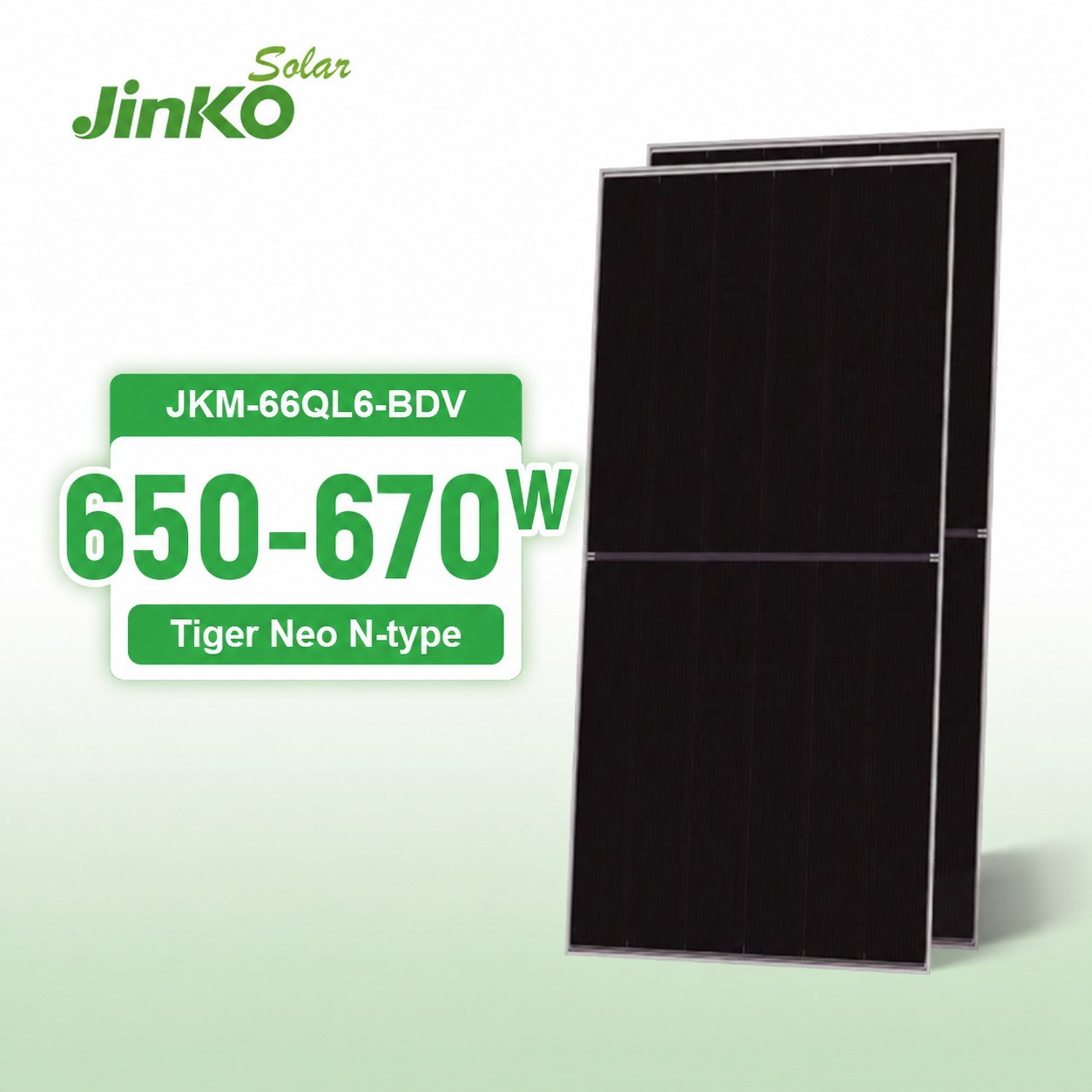
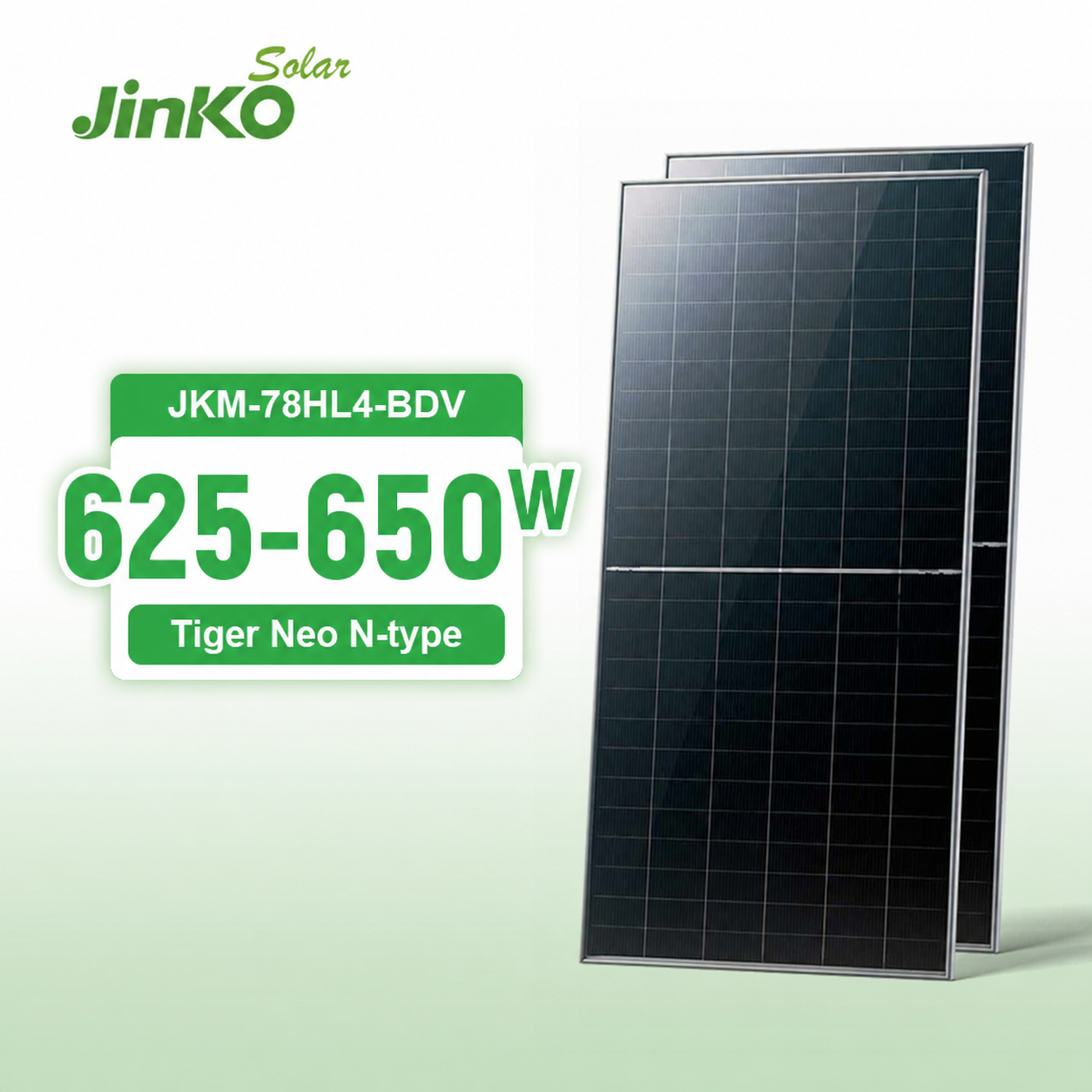
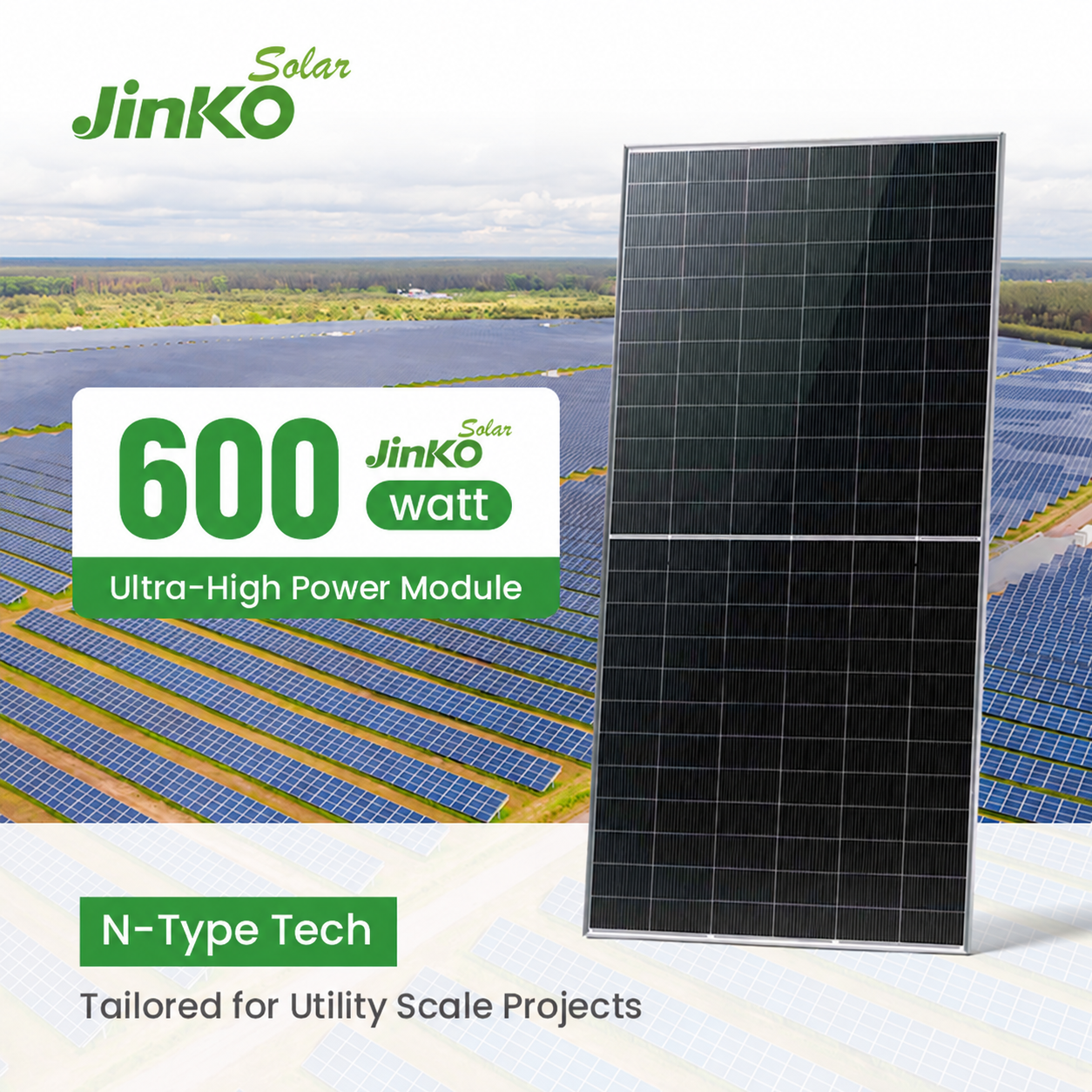
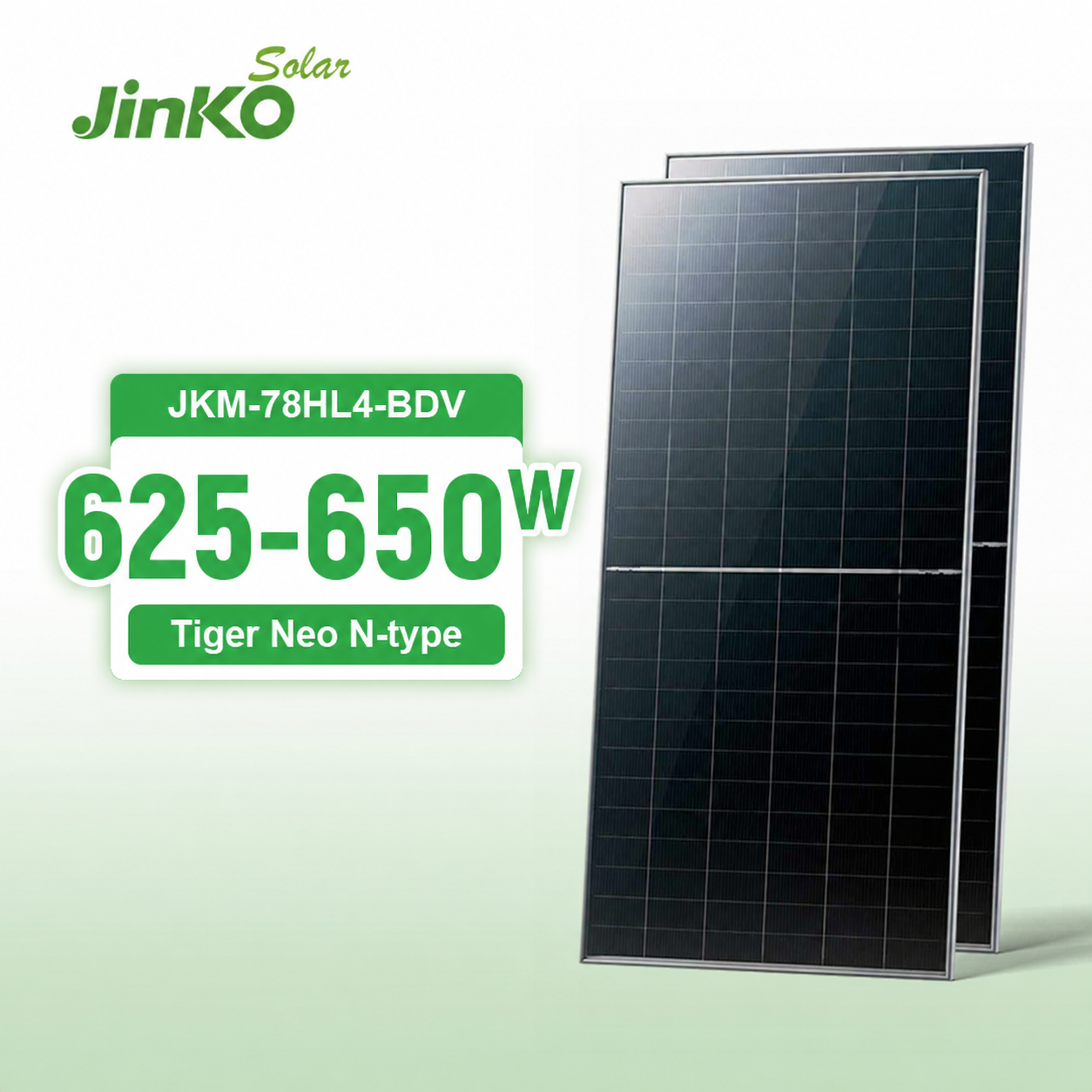
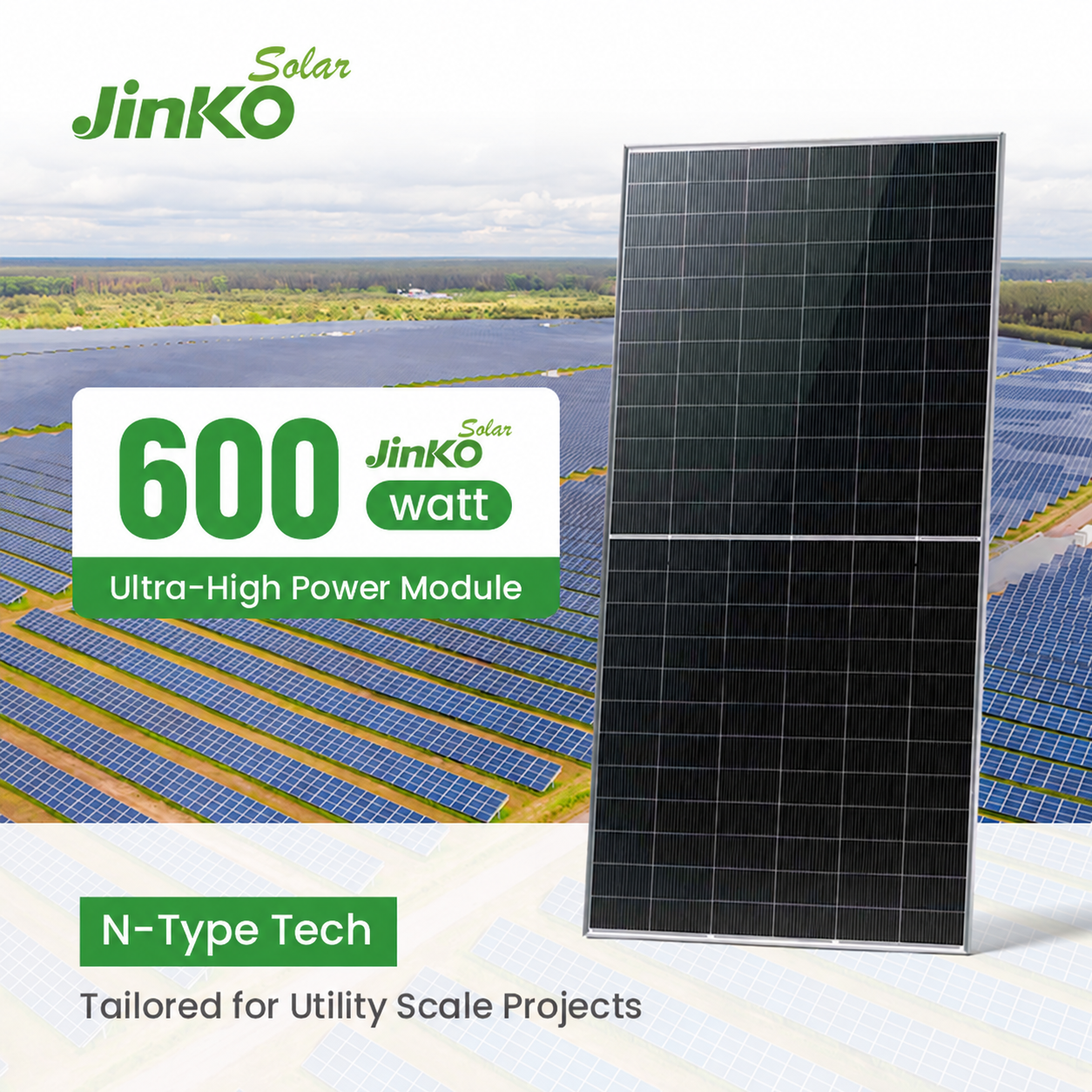
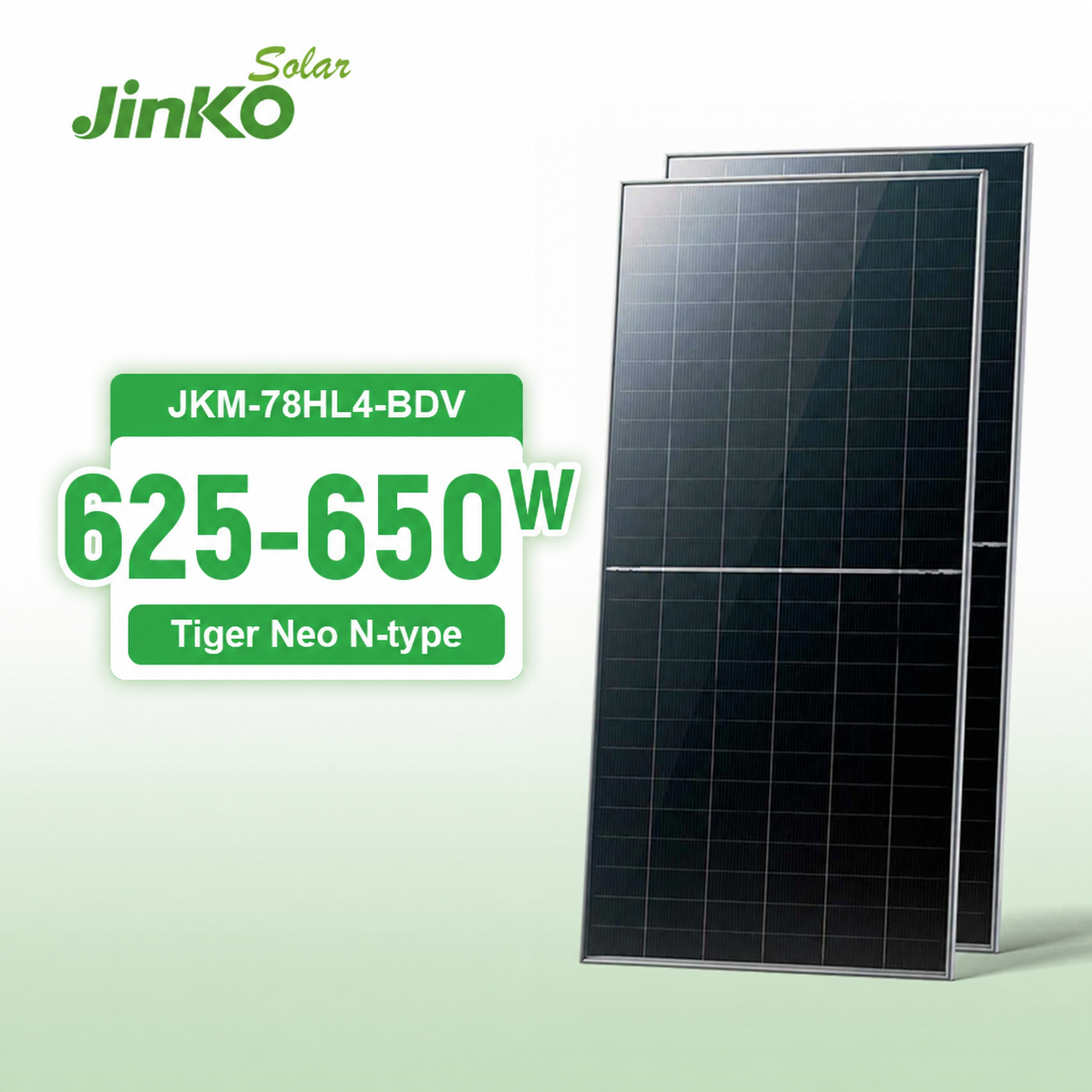
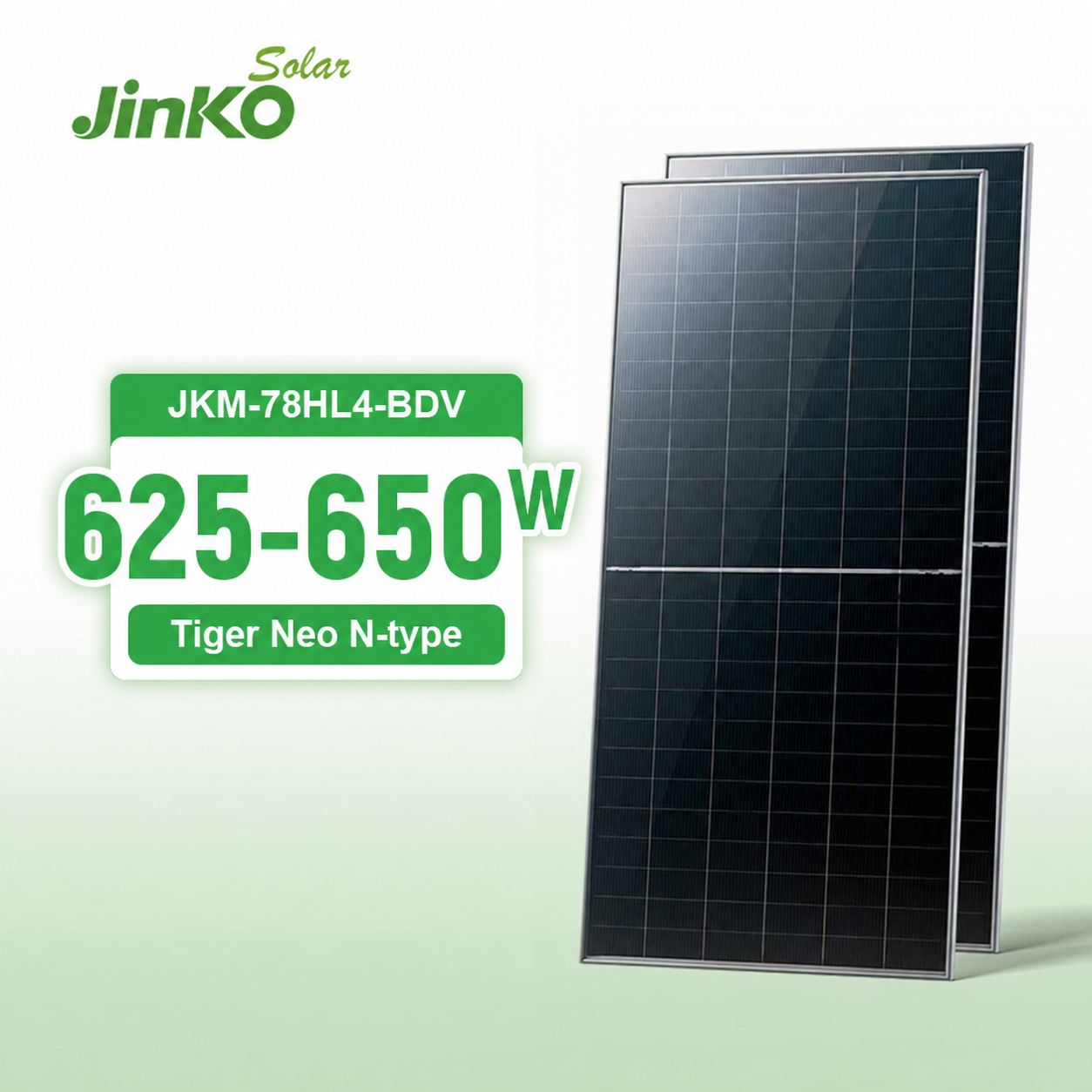
C. Michigan Clean Energy and Jobs Act Mandates: With Michigan legislation establishing an aggressive 100% clean energy standard by 2040, local building codes and tax abatements increasingly prioritize onsite solar-plus-storage integration. Incorporating high-efficiency Jinko N-Type bifacial modules with local low-voltage ESS installations allows industrial assets to capture Federal Section 48 Investment Tax Credits (ITC) while achieving required local microgrid autonomy.
2. Technical Comparison Matrix: Low Voltage (48V) vs. High Voltage (HV) ESS in Urban Retrofits
When selecting energy storage solutions for existing industrial spaces in Dearborn, Warren, Troy, or Sterling Heights, engineering teams must evaluate physical fire safety, installation complexity, and lifecycle maintenance costs.
| Evaluation Parameter | 48V/51.2V Low Voltage ESS (VOLT New Energy) | High Voltage ESS (>300V-600V DC) | Detroit Engineering & Compliance Advantage |
|---|---|---|---|
| Operating Safety & Arc Flash Hazard | <60V DC (SELV - Safety Extra Low Voltage). Negligible arc hazard during maintenance. | 350V–600V DC. Substantial arc flash danger; strict arc flash PPE required. | Superior Safe Touch for automotive shop technicians. |
| BMS & Closed-Loop Paralleling | Independent rack/wall modules in parallel (16S LiFePO4). Failure of 1 unit keeps the system operational. | Series connection strings. Single cell failure drops the entire battery bank offline. | High Fault Tolerance; prevents production downtime. |
| NFPA 855 / NEC 706 AHJ Approvals | Standard conduit, conventional DC isolators, streamlined local Detroit AHJ sign-off. | Rigorous DC rapid shutdown, specialized conduit, expensive specialized switchgear. | Lower Permitting Complexity across Wayne County inspectors. |
| Cold Temperature Operation (-20°C) | Modular integration with internal PTC heating films powered by DC bus prior to charge cycle. | Centralized chiller/heater loops with higher parasitic idle consumption. | Optimized Winter Preheating for Michigan freeze cycles. |
| BOS & Inverter Replacement Cost | Affordable, globally standardized low-voltage hybrid inverters (e.g., Deye 8kW-12kW LV). | Proprietary high-voltage hybrid inverters with premium replacement hardware costs. | 35-45% Lower TCO for replacement parts over 10-year term. |
3. Localized Application Profiles Across Greater Detroit
Hangzhou VOLT New Energy engineers tailor system sizing, balance-of-system (BOS) schematics, and protocol bridging specifically for Detroit's physical operating environments:
Automotive Tooling & Tier-1 Supply Facilities
Machining and stamping plants in Livonia and Auburn Hills experience momentary line sags during peak summer grid demand. 48V modular ESS banks provide dynamic load smoothing, isolating precision metrology equipment and robotic assembly lines from utility power anomalies.
Cold Storage & Food Logistics Hubs
Warehouse hubs near Detroit Metropolitan Airport (DTW) and along the I-75 corridor require continuous refrigeration. Combining Jinko bifacial dual-glass modules with parallel low-voltage LiFePO4 storage protects perishable inventory during severe winter power disruptions.
Residential & Commercial Microgrids
Historic urban neighborhoods and suburban residential developments in Oakland County benefit from modular wall-mounted 51.2V 100Ah/200Ah battery units. Quiet, zero-emission battery backup replaces noisy diesel generators while seamlessly storing off-peak energy.
4. Synergy Between Jinko Bifacial TOPCon Modules and 48V Storage in Michigan Snow Belts
A common engineering concern across Michigan is winter irradiance attenuation caused by persistent cloud cover and deep snow accumulation. Hangzhou VOLT New Energy addresses this through matched high-performance generation equipment:
Jinko N-Type TOPCon bifacial modules exhibit a high bifaciality factor (up to 80-85%). In winter scenarios, when the front glass is partially obscured by light snow, the rear dual-glass surface absorbs albedo radiation reflected from the surrounding snow-covered rooftop or ground plane. This reflected energy generates early-morning current that warms the module, accelerating snow shedding from the front glass.
The resulting energy yield is directed through dual-MPPT low-voltage hybrid inverters into the 48V battery bank at high conversion efficiencies (>97.6%), providing continuous charging power even during sub-zero January weather in Wayne County.



