Tier-1 Photovoltaic & Storage Integrator

Mono PERC Panel Suppliers & Exporter serving Quetzaltenango

Delivering engineered high-efficiency monocrystalline solar modules, N-Type TOPCon bifacial systems, and hybrid energy storage designed for Western Highlands high-altitude irradiance.

23.3%
Peak Module Efficiency
N-Type TOPCon & Mono PERC Cells
2,330m
High-Altitude Proven
Engineered for Quetzaltenango Altitudes
100+
Global Export Markets
Direct Factory CIF/FOB Logistics
30Yrs
Linear Output Warranty
Double-Glass Dual Encapsulation
Export-Ready Solar Portfolio

High-Yield Photovoltaic Modules & ESS for Quetzaltenango Projects

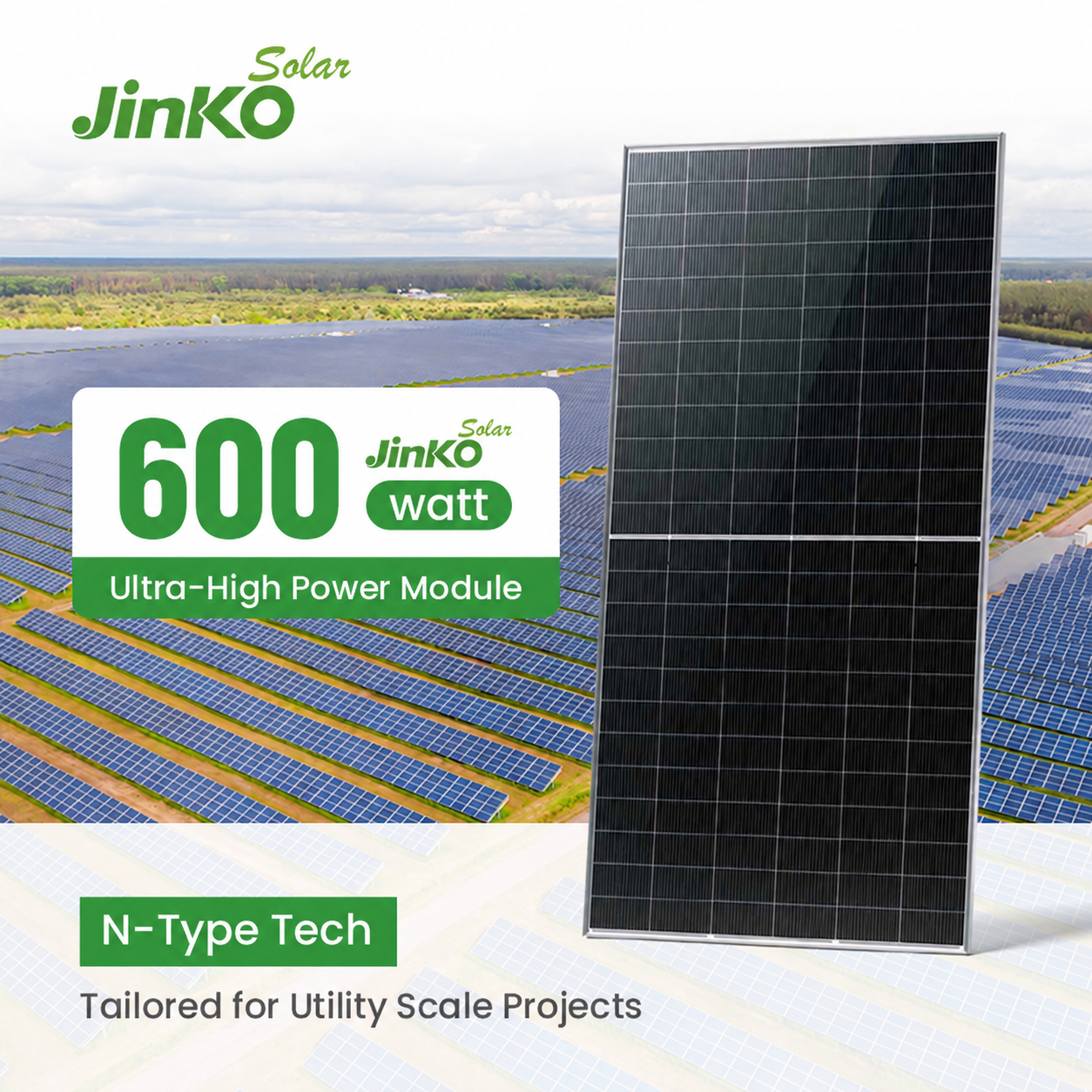
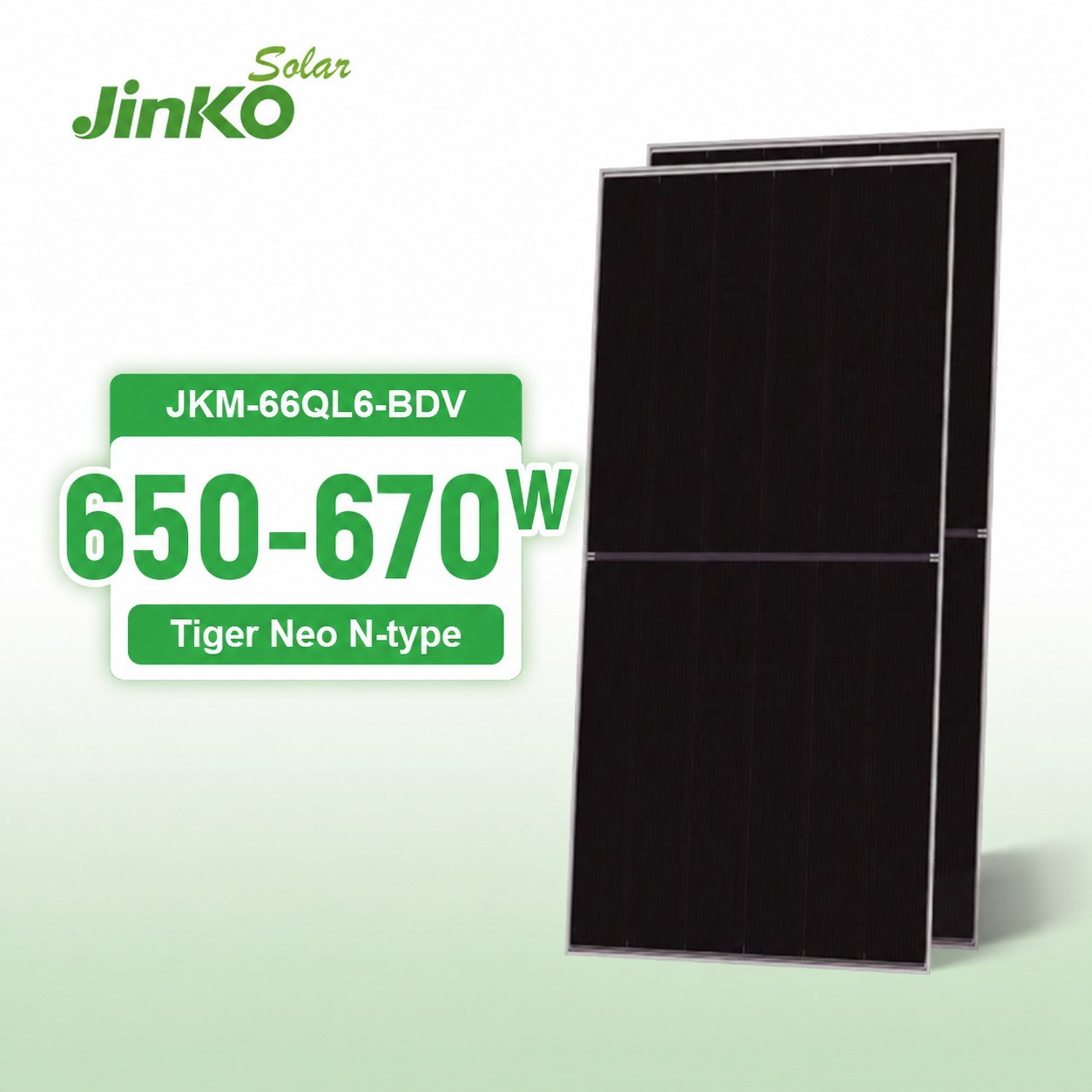
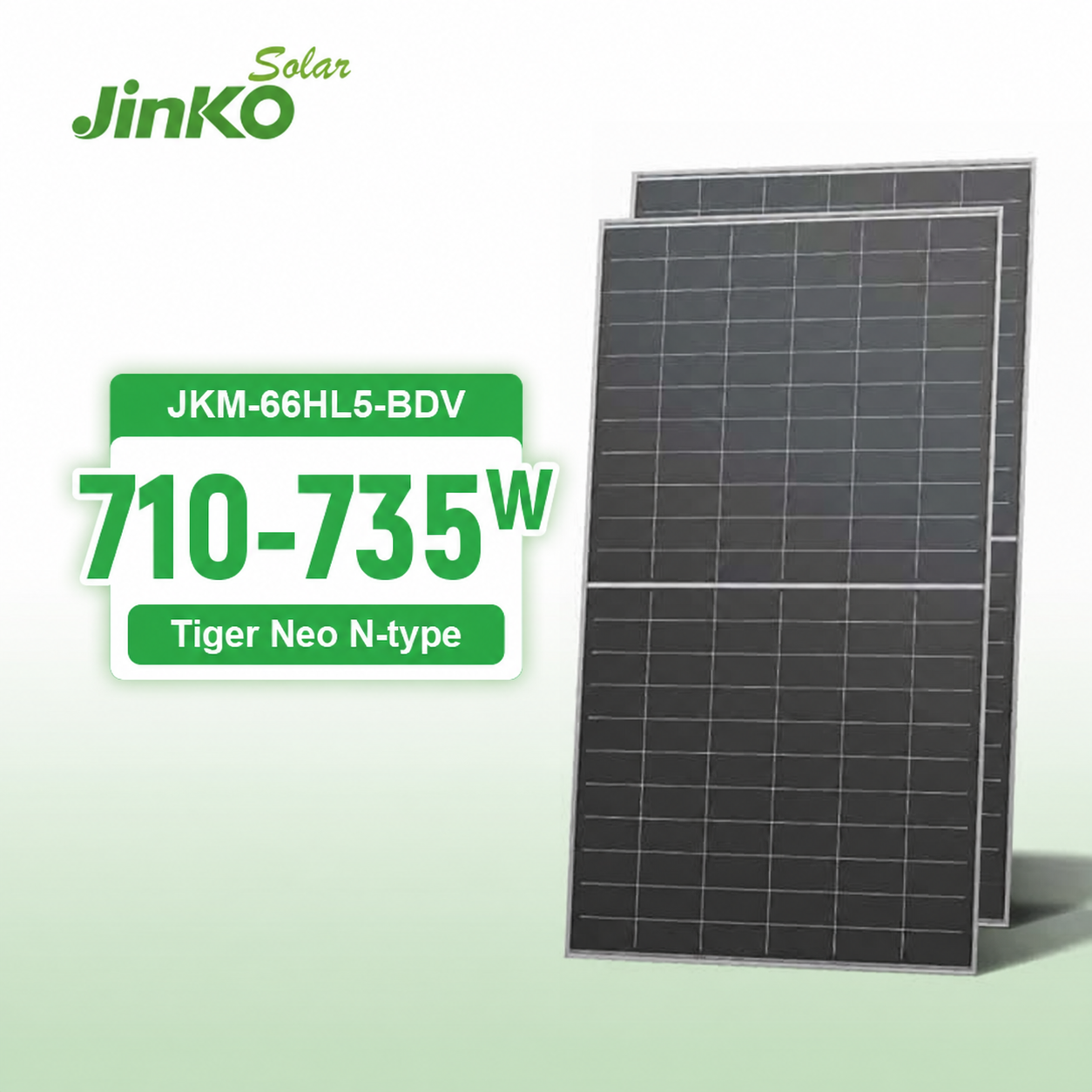
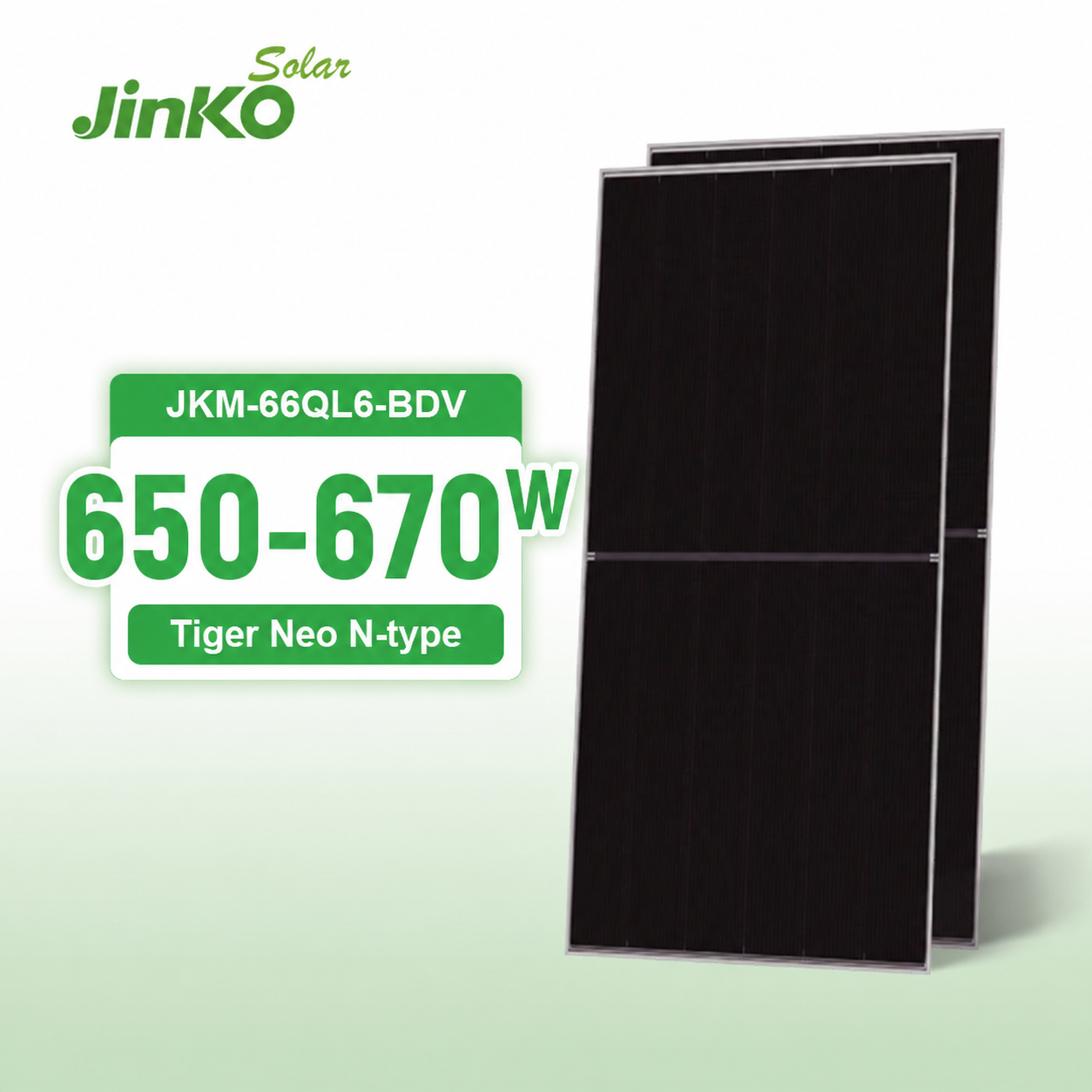
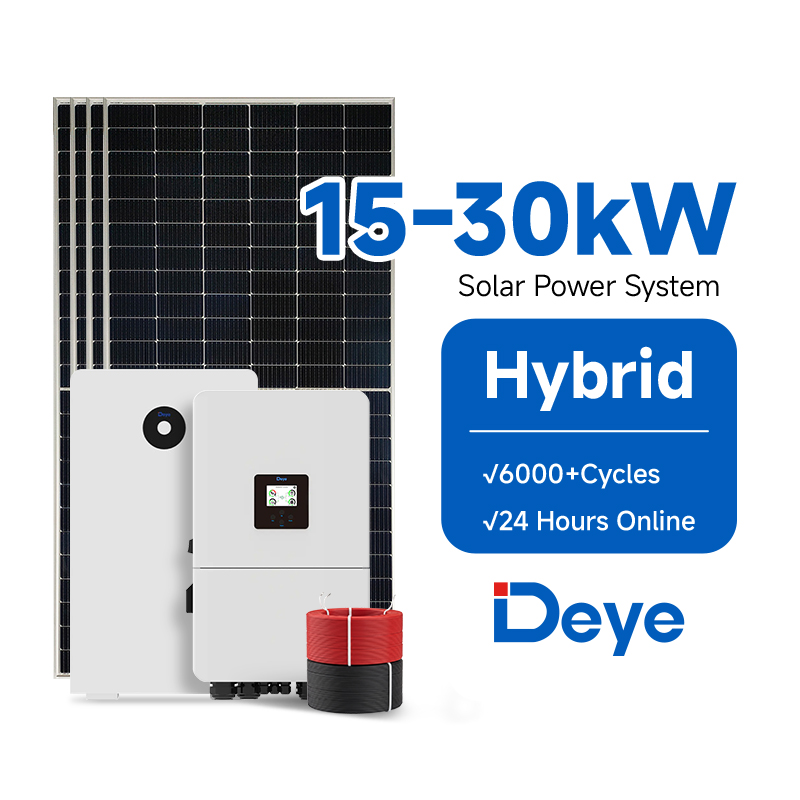
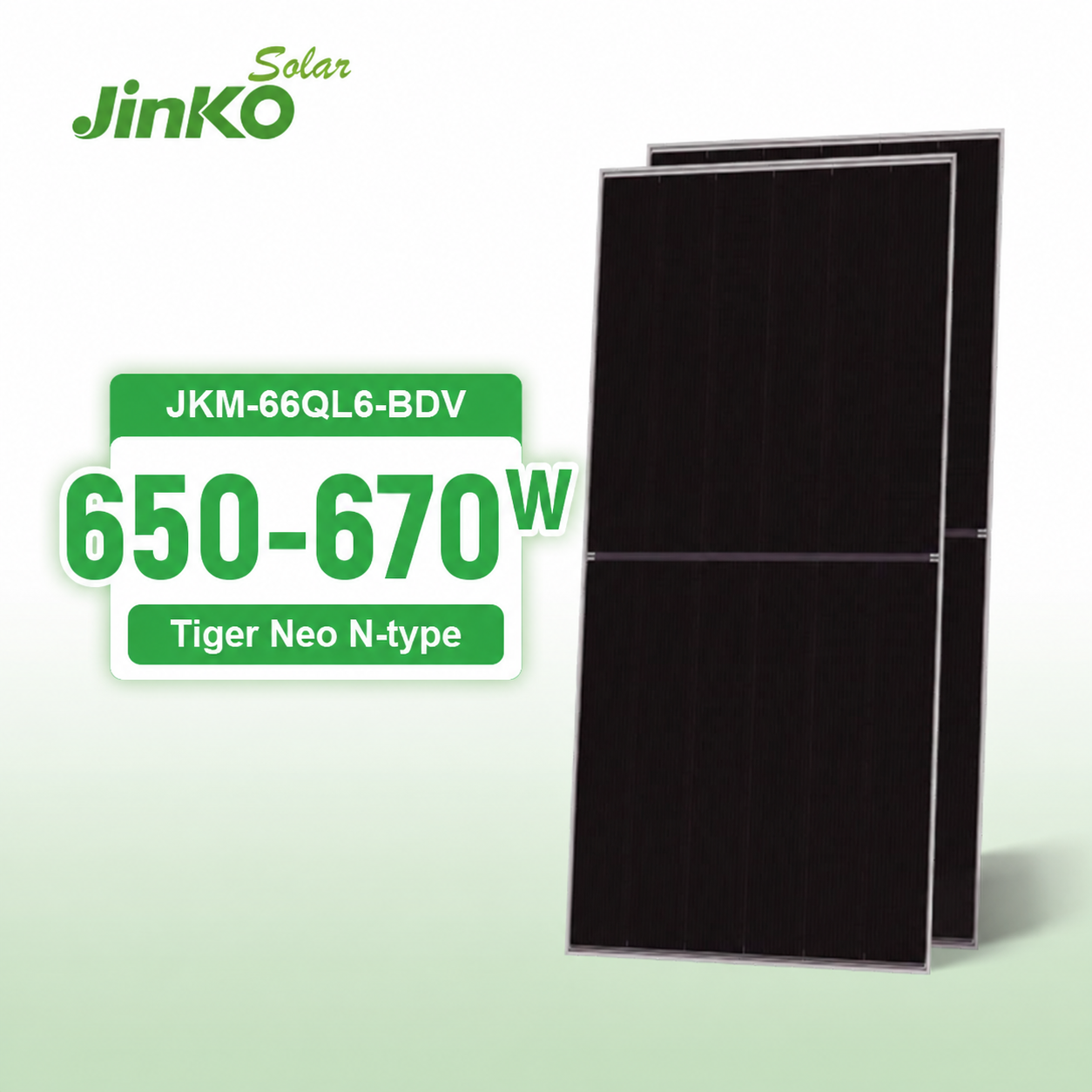
Pre-sorted Tier-1 Jinko bifacial photovoltaic panels and low-voltage Deye energy storage systems thoroughly tested for harsh climates, steep temperature deltas, and microgrid applications.

Engineered For The Western Highlands

Localized Photovoltaic Applications in Quetzaltenango (Xela)

Quetzaltenango sits at an altitude of over 2,330 meters above sea level, characterized by high ultraviolet index ratings, cool ambient mornings, high diurnal temperature swings, and localized electrical transmission volatility.

Agro-Industrial & Cold Storage Chains

Quetzaltenango is the economic engine of Western Guatemala, commanding extensive agricultural processing for vegetables, dairy, coffee, and textiles. Our mono PERC and bifacial panels deliver uninterrupted power to variable-frequency refrigeration compressors and processing machinery, mitigating losses caused by regional distribution line blackouts.

Commercial Peak-Shaving & Net Metering

Under the regulatory framework of Guatemala's General Electricity Law (Ley General de Electricidad) and CNEE guidelines, commercial users in Xela are heavily penalized by peak demand tariffs. Coupling Jinko high-wattage modules with Deye hybrid inverters allows businesses to self-consume midday solar generation and inject verified excess power back into the grid.

High-Altitude Off-Grid Resilience

Rugged rural communities in the department of Quetzaltenango require durable standalone energy systems. Standard panels degrade prematurely under high UV and freezing highland night temperatures. Our double-glass N-Type TOPCon and mono PERC modules resist thermal fatigue, micro-cracking, and potential-induced degradation (PID) under extreme highland atmospheric exposures.

Engineering for High DNI & Low Temperature Coefficients

In Quetzaltenango, peak solar irradiance regularly exceeds 1,000 W/m² while ambient highland temperatures remain moderate. Our exported N-type Mono modules feature an industry-leading temperature coefficient of -0.29%/°C (compared to standard -0.38%/°C in older polycrystalline panels), delivering up to 6.8% more net kilowatt-hours annually per installed kilowatt-peak.

Rigid double-glass encapsulation preventing cell micro-cracks from 2400Pa wind and mountain micro-climates.
Fully compatible with Deye single-phase and three-phase hybrid inverters for battery integration.
Direct Container Export
Puerto Quetzal & Santo Tomás

Streamlined customs clearance documentation, CO, SASO, IEC, and bill of lading pre-clearance assistance directly to Guatemala.

Inquire Now
Market Dynamics & Future Outlook

Solar Energy Expansion Trends Across Quetzaltenango & Guatemala

Guatemala’s national energy policy (Política Energética 2019-2034) establishes clear milestones to transition over 80% of national generation to clean renewable resources. As the Western regional trading hub, Quetzaltenango is currently experiencing an unprecedented acceleration in commercial and industrial (C&I) photovoltaic retrofits.

Strategic Takeaway for Local EPCs and Contractors: With municipal electric companies (such as Empresa Eléctrica Municipal de Quetzaltenango - EEMQ) transitioning operational billing frameworks, industrial facilities with daytime continuous loads are prioritizing high-wattage 600W+ bifacial modules to offset rising retail energy prices.

Three primary technological transitions dominate the procurement patterns in the Quetzaltenango market:

  • Transition from P-Type to N-Type TOPCon: While legacy mono PERC panels built the market foundation, N-Type TOPCon technology has become the definitive choice for new megawatt installations due to zero LID, superior bifaciality (80% vs. 70%), and longer operational warranties.
  • Solar + Hybrid Storage Coupling: In response to frequent voltage sags and localized distribution instability, solar installations in Quetzaltenango are increasingly paired with low-voltage lithium iron phosphate (LFP) energy storage to deliver clean sine-wave backup to automated commercial facilities.
  • Bifacial Dual-Glass Standardization: Installations on flat industrial metal decks with reflective elastomeric coatings are producing up to 15%–22% rear-side energy gain, drastically lowering the overall Levelized Cost of Electricity (LCOE).
Factory Direct Exporter

Why Tier-1 Solar Buyers in Guatemala Partner With Us

Hangzhou VOLT New Energy eliminates the supply chain friction, compatibility errors, and freight damage risks common in international photovoltaic procurement.

Verified Inverter Protocol Compatibility

Every modular battery and inverter shipment undergoes rigorous pre-export testing. We match BMS communication protocols (CAN / RS485), cable pinouts, and charge curves with Deye and Tier-1 systems before departure.

Multi-Tier Pre-Shipment QC Inspection

Our quality engineering team performs comprehensive electroluminescence (EL) testing, flash-testing power checks, insulation tests, and packaging structural audits, accompanied by photographic inspection dossiers.

Export Logistics & Consolidated Containers

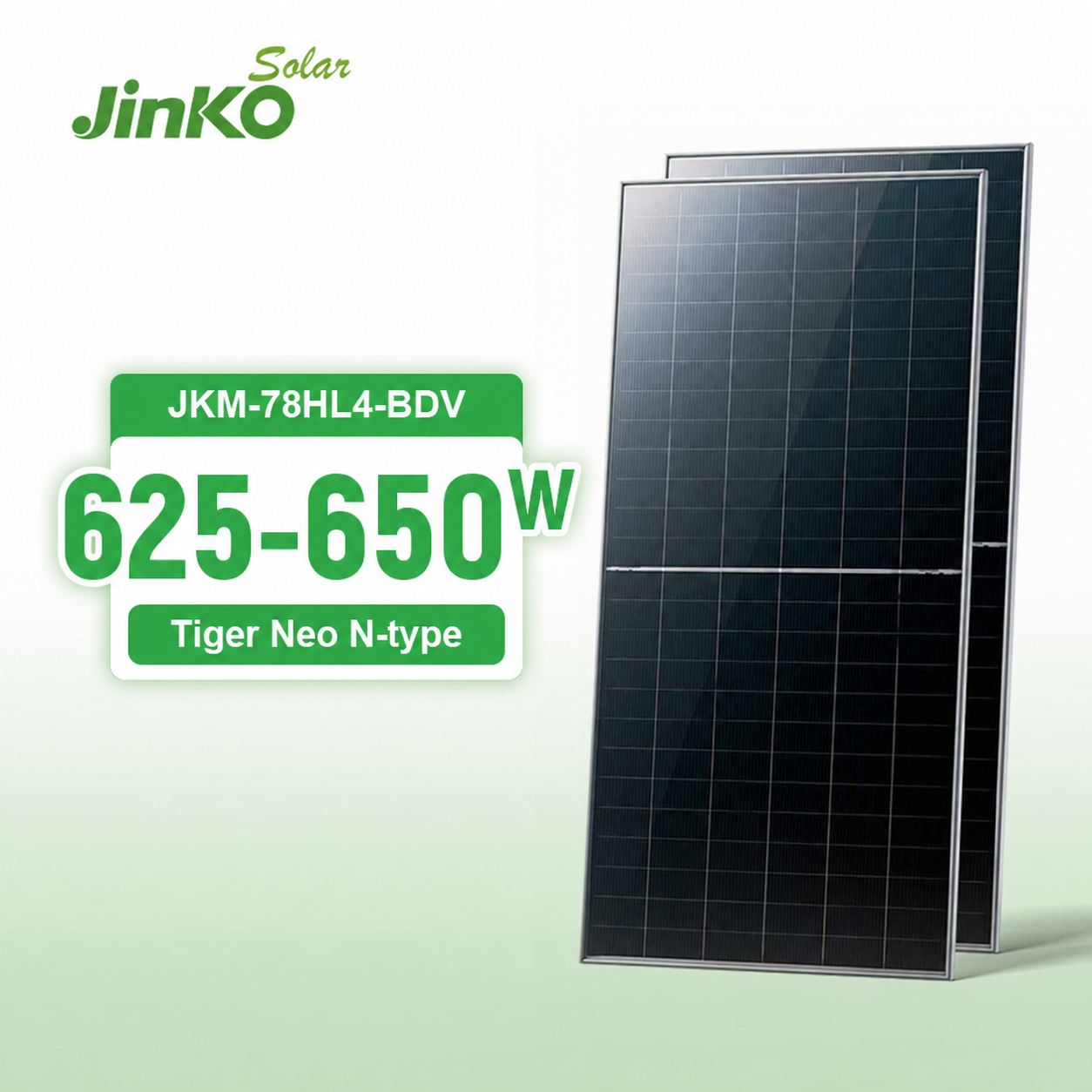
We deliver mixed container loads consolidating Jinko solar panels, Deye inverters, mounting structures, and Class 9 DG certified lithium batteries directly to Puerto Quetzal or Santo Tomás de Castilla.

Professional EPC Engineering Sizing Support

From local load profiling, tilt angle calculations for 14.8°N latitude, to array string sizing and electrical single-line diagrams, our engineers offer end-to-end technical backup for your local installation crews.

Buyer Knowledge Base

Frequently Asked Questions: Sourcing Solar in Quetzaltenango

Critical considerations for importers, EPC contractors, and distributors operating in Western Guatemala.

What is the difference between Mono PERC and N-Type TOPCon panels for Quetzaltenango installations?

While Mono PERC has long been the global standard, N-Type TOPCon technology represents the newer generation of cell architecture. For Quetzaltenango, N-Type TOPCon panels provide critical advantages: lower temperature degradation (-0.30%/°C vs -0.35%/°C), zero Light-Induced Degradation (LID), superior performance during foggy highland mornings, and a much higher bifacial factor (80% vs 70%). This results in roughly 3% to 5% greater net generation over the lifetime of the array.

How do high altitude and UV levels in Xela affect solar panel selection?

At an elevation of 2,330+ meters, solar panels encounter thinner air, higher direct normal irradiance (DNI), and intense UV radiation. In standard panels with conventional backsheets, intense UV accelerates polymer degradation, leading to yellowing, embrittlement, and potential insulation breakdown. We strongly advise dual-glass (glass-glass) modules with POE encapsulation and anodized aluminum frames, which completely isolate the solar cells from atmospheric oxygen, humidity, and UV weathering.

Can I import mixed containers containing panels, inverters, and lithium batteries?

Yes. One of VOLT New Energy's key operational advantages is consolidation. Lithium iron phosphate (LiFePO4) batteries are classified as Class 9 Dangerous Goods (UN3480). We prepare all necessary hazardous goods packaging, UN38.3 test certificates, and MSDS documentation while safely securing non-hazardous Jinko panels and Deye inverters inside the same 40ft HQ container, significantly reducing sea freight and clearance costs into Guatemala.

What shipping ports and transit times should we expect for shipments to Guatemala?

Shipments departing our consolidation facilities in Ningbo or Shanghai typically transit to Puerto Quetzal (Pacific Coast) in approximately 22 to 28 days, or to Santo Tomás de Castilla / Puerto Barrios (Atlantic Coast) in 28 to 35 days. Inland trucking from Puerto Quetzal to Quetzaltenango takes approximately 6 to 10 hours depending on route conditions. We provide complete tracking and documentation to facilitate pre-arrival customs dispatch.

Do your solar systems comply with CNEE and EEMQ grid-interconnection standards?

Yes. All supplied panels hold IEC 61215, IEC 61730, and UL certifications, while our Deye inverters comply with IEEE 1547, UL 1741, and international anti-islanding safety standards recognized by the Comisión Nacional de Energía Eléctrica (CNEE) and local municipal distributors like Empresa Eléctrica Municipal de Quetzaltenango (EEMQ) for distributed net billing approval.

Power Your Quetzaltenango Projects With Verified Photovoltaics

Whether you require a full 40ft container of Jinko N-Type 600W+ bifacial modules or a complete solar-plus-storage microgrid solution, our engineering team is ready to assist your procurement.

Inquire Now Browse Full Catalog