Factory Direct Equipment
High-Efficiency Inverters, Modules & Integrated Systems
Pre-engineered components tested for extreme ambient conditions, seamless BMS communication, and zero-degradation performance across Abu Dhabi, Dubai, and the Northern Emirates.
99.8%
Peak MPPT Tracking Efficiency
55°C
Full-Load Ambient Threshold
100+
Export Destined Nations
<24h
Technical Protocol Dispatch
Engineering High-Yield Solar Harvesting in Harsh Desert Regimes
Operating photovoltaic arrays within the United Arab Emirates requires a total paradigm shift in balance-of-system engineering. While global solar irradiance models celebrate the Arabian Peninsula's extraordinary Global Horizontal Irradiance (GHI)—frequently exceeding 2,200 kWh/m² per annum—the environmental reality imposes brutal operational constraints. Ambient summer temperatures regularly breach 50°C, pushing rooftop and desert module backsheet temperatures above 78°C. Under these severe thermal stresses, conventional charge controllers experience thermal foldback, catastrophic power clipping, and premature MOSFET breakdown.
Hangzhou VOLT New Energy engineers and exports next-generation Maximum Power Point Tracking (MPPT) architectures specifically fortified for the extreme conditions of Abu Dhabi, Dubai, Sharjah, and Ras Al Khaimah. Operating on proprietary high-speed Perturb and Observe (P&O) and Incremental Conductance tracking algorithms, our MPPT units sweep the voltage-current curve within milliseconds, preventing tracking divergence during rapid cloud passage or localized dust shielding.
"In hyper-arid regions like the Rub' al Khali, thermal derating is the single largest destroyer of project ROI. An MPPT controller lacking wide thermal margins and isolated forced-air or sealed liquid-convection heatsinks will forfeit up to 28% of midday peak yield."
Wide Voltage Windows and Open-Circuit Temperature Coefficients
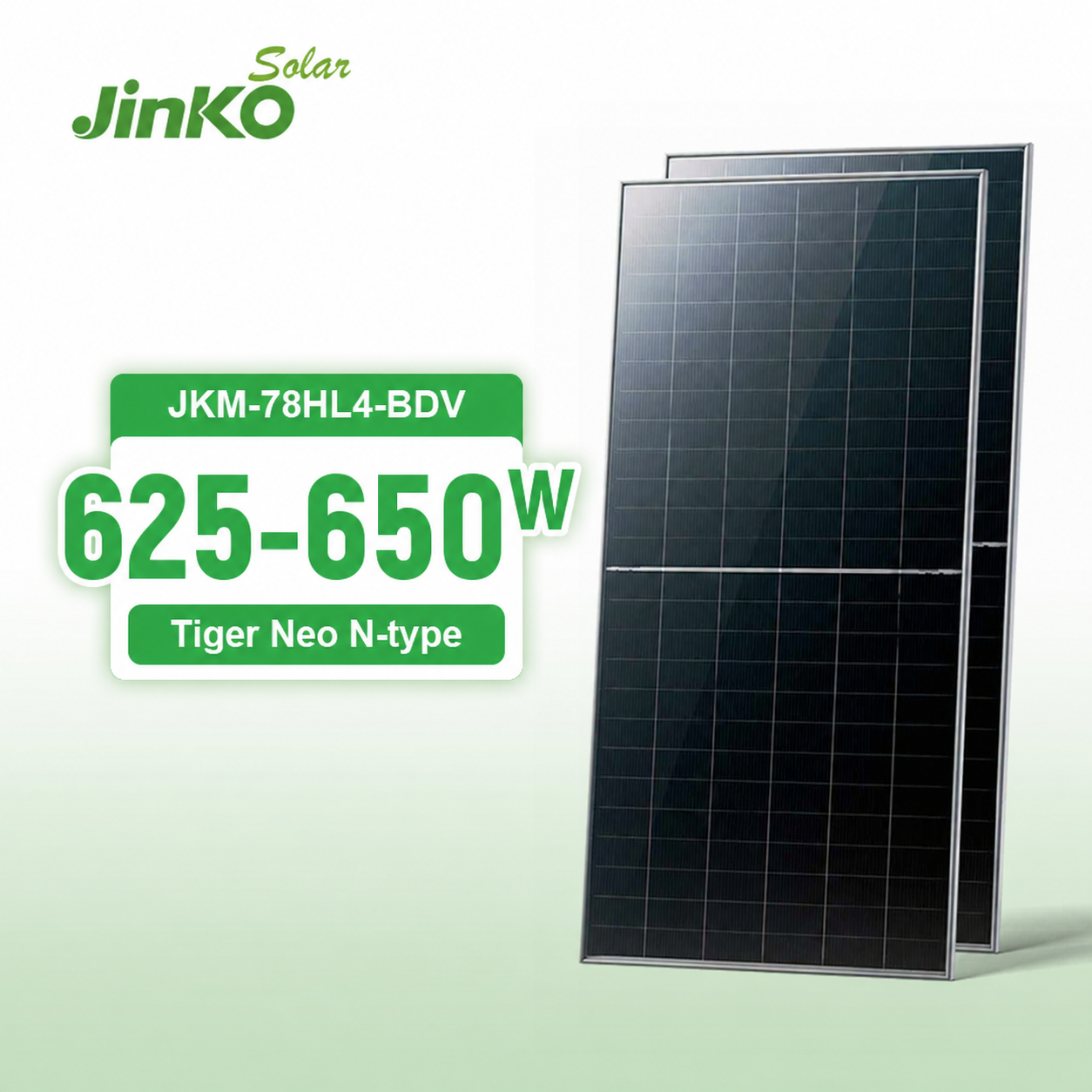
Photovoltaic modules, such as our high-performance Jinko N-Type TOPCon bifacial series, exhibit an open-circuit voltage temperature coefficient (βVoc) of approximately -0.25%/°C. In the UAE winter mornings, when temperatures in desert valleys plunge to 10°C, Voc spikes significantly. Conversely, during blistering August afternoons, module maximum power voltage (Vmp) compresses dramatically. Our industrial MPPT charge controllers provide expansive DC input windows—up to 150V, 250V, and 500V DC—guaranteeing that strings stay safely below maximum system voltage in freezing desert winds, while maintaining adequate headroom above the battery charging threshold during extreme summer heatwaves.
| Thermal & Electrical Metric | Standard Market MPPT | VOLT New Energy GCC Industrial Grade | Operational Impact in UAE Summer |
|---|---|---|---|
| Derating Knee Temperature | 40°C Ambient | 55°C Ambient without derating | Zero power clipping during 11:00 AM – 3:00 PM peak |
| Tracking Algorithm Latency | 1.5 – 3.0 Seconds | < 50 Milliseconds | Eliminates hunting losses caused by shifting sand dust |
| Ingress Protection Rating | IP20 / IP32 (Open Vent) | IP65 Fully Sealed Electronics Compartment | Impervious to abrasive PM10 silica particles & Gulf humidity |
| Internal Switching Topology | Standard Silicon MOSFETs | Automotive-Grade Trench SiC / GaN Semis | Reduces internal thermal dissipation by 38% |
| BMS Communication Bus | Unmanaged / Generic RS485 | CAN-Bus / RS485 Dual Isolated Transceiver | Native handshake with Deye inverters & Tier-1 LiFePO4 |
Sealed Topologies Against Caliche Dust & Salt Fog
The geographic interface of the Persian Gulf and desert plains produces a volatile atmospheric cocktail: corrosive aerosolized marine salts combined with high-calcium airborne particulate matter. Standard consumer-grade charge controllers that rely on unsealed internal fans draw corrosive saline air directly across PCB traces, triggering electrolytic corrosion, conductive bridge faults, and catastrophic short circuits. Our export-grade MPPT controllers utilize completely isolated internal component cavities with heavy extruded-aluminum exterior heat radiators. Sensitive power electronics, microcontrollers, and gate drivers are cast in industrial dielectric potting resins, guaranteeing immune operation in coastal installations in Jebel Ali, Hamriyah, or Khalifa Industrial Zone (KEZAD).
Deployment Matrix
High-Yield MPPT Integration Across Emirates Infrastructure
From critical municipal microgrids to remote desert telemetry, our charging infrastructure handles the unique challenges of the UAE's modern energy landscape.
Industrial Warehousing & Logistics Hubs
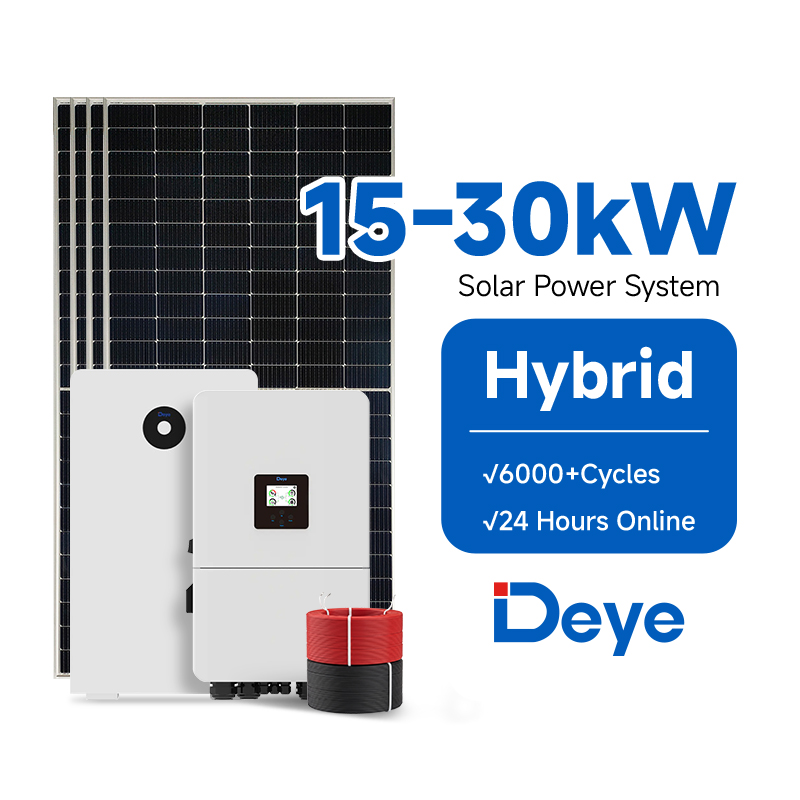
Installed across logistics mega-centers in Dubai South and JAFZA, our systems regulate rooftop DC bus distribution for heavy cold-storage facilities. Paired with Deye 20kW–30kW hybrid inverters, our high-voltage MPPTs mitigate soaring peak demand charges imposed during midday operational spikes.
Desert Border Telemetry & Telecom Towers
Isolated microwave relay sites and oil pipeline surveillance systems spanning the Al Dhafra desert rely on our autonomous IP65 MPPT controllers. Operating completely off-grid with deep-cycle GEL or ultra-durable LFP banks, these units ensure 99.999% uptime through blinding shamal sandstorms without human intervention.
Luxury Residential Villas & Desert Retreats
High-capacity private compounds in Al Ain and Khawaneej leverage bifacial Jinko panels coupled with our silent, passive-cooling MPPT topologies. Designed for aesthetic utility rooms and extreme acoustic standards, controllers silently feed 48V wall-mount LiFePO4 batteries to run critical air-handling and domestic chilling loads.
Agrivoltaics & Camel Farm Water Extraction
Agricultural operations in Sweihan and Ras Al Khaimah implement our high-current controllers directly coupled to solar submersible bore pumps. Rapid tracking dynamics counter the intense optical variations caused by automated greenhouse shading screens, guaranteeing stable motor torque throughout pumping cycles.
Navigating UAE Renewable Regulations & Market Dynamics
The renewable energy sector across the Emirates is defined by progressive national decarbonization targets operating under rigorous technical standards. Governed by the UAE Energy Strategy 2050 and the landmark Net Zero by 2050 Strategic Initiative, the nation is transitioning away from domestic hydrocarbon reliance toward clean electrification. In Dubai, the Dubai Electricity and Water Authority (DEWA) has revolutionized distributed generation via the Shams Dubai initiative, requiring stringent balance-of-system approvals, anti-islanding certifications, and grid-code compliance.
Similarly, the Abu Dhabi Department of Energy (DoE) enforces strict guidelines for small-scale solar PV and energy storage system installations, prioritizing short-circuit safety, isolation resistance, and intelligent BMS cutoffs. Importing charge controllers and power conversion systems into the UAE mandates rigorous alignment with technical requirements set by the Ministry of Industry and Advanced Technology (MoIAT) and the Emirates Authority for Standardization and Metrology (ESMA), including valid ECAS/EQM certifications.
Mitigating Degradation from Albedo-Boosted Bifacial Arrays
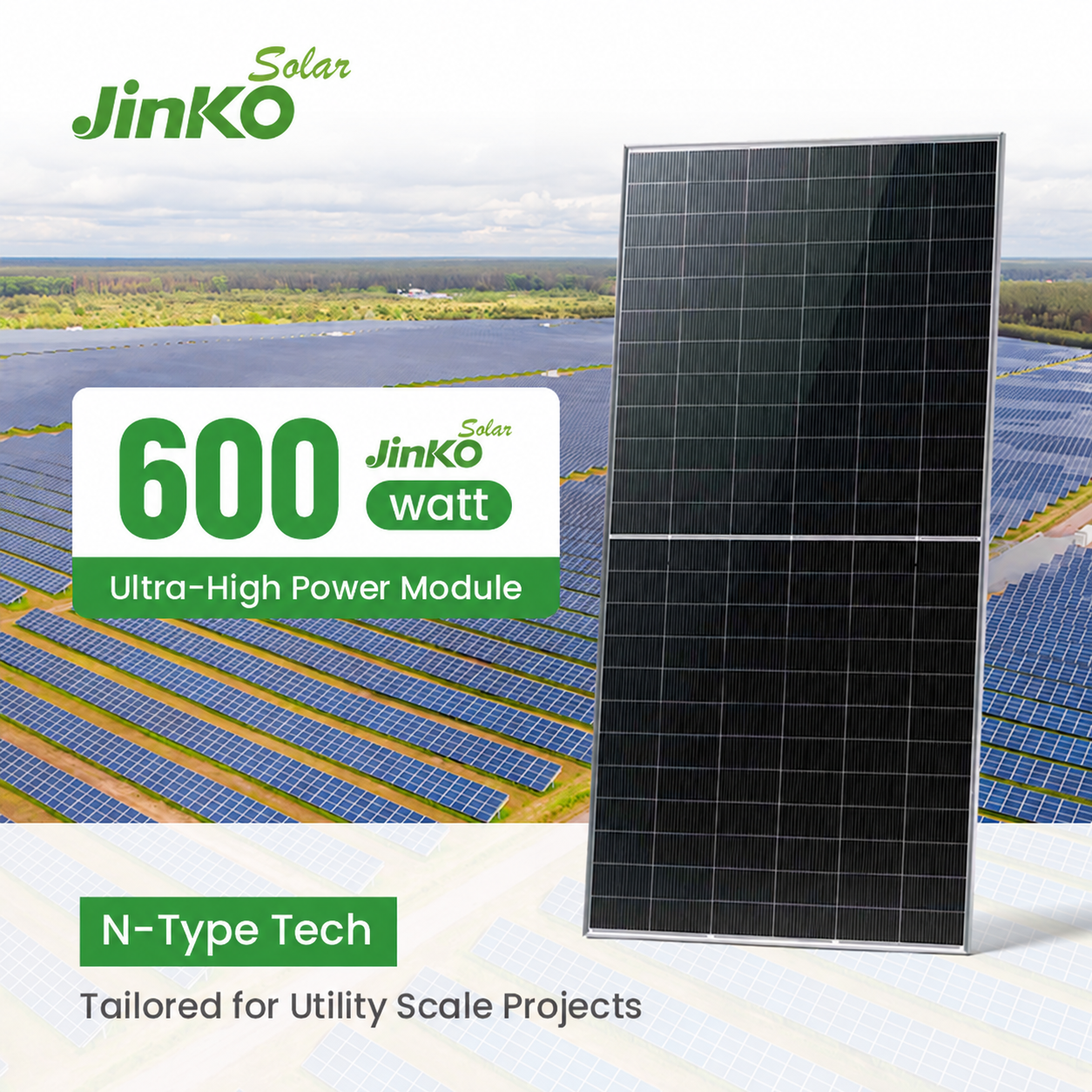
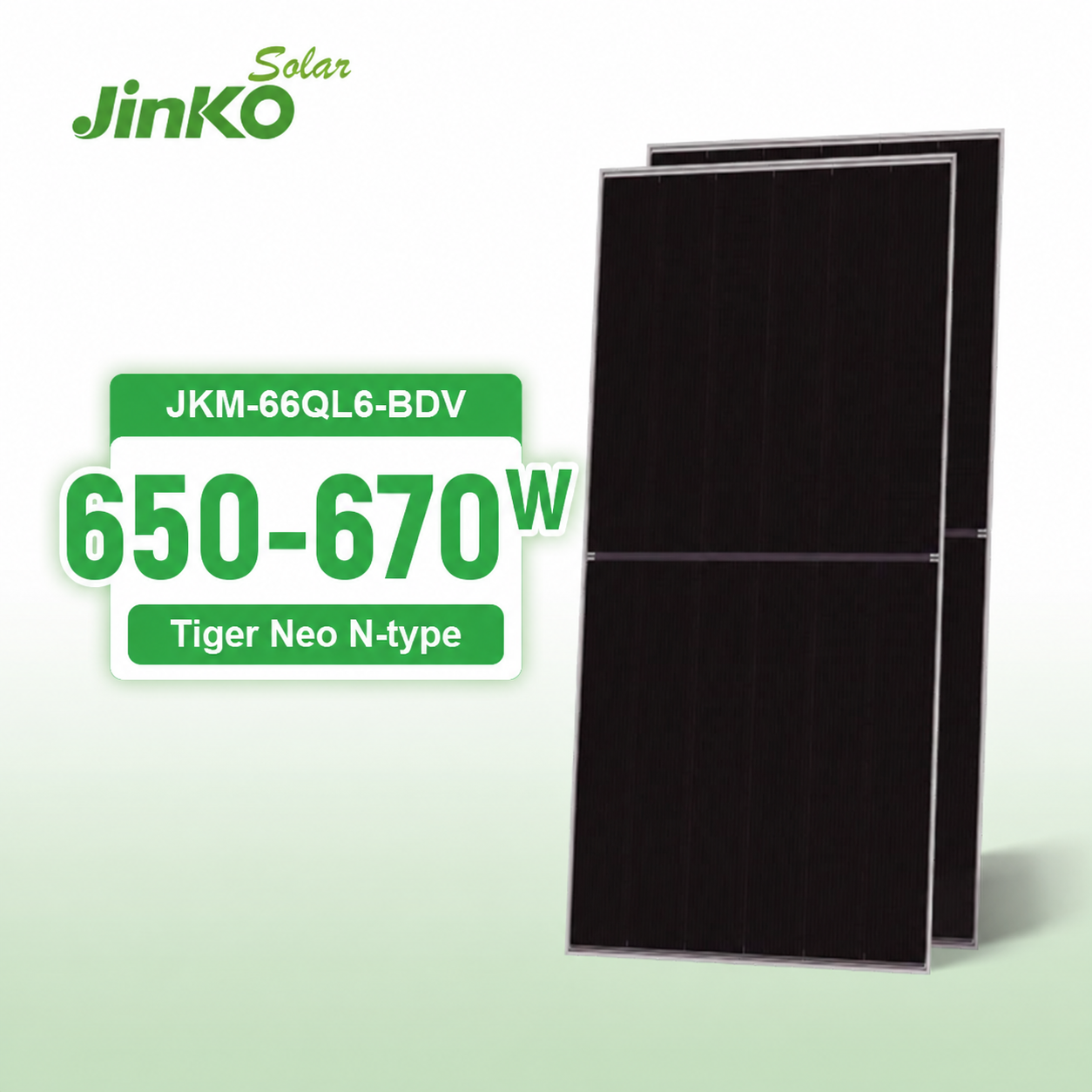
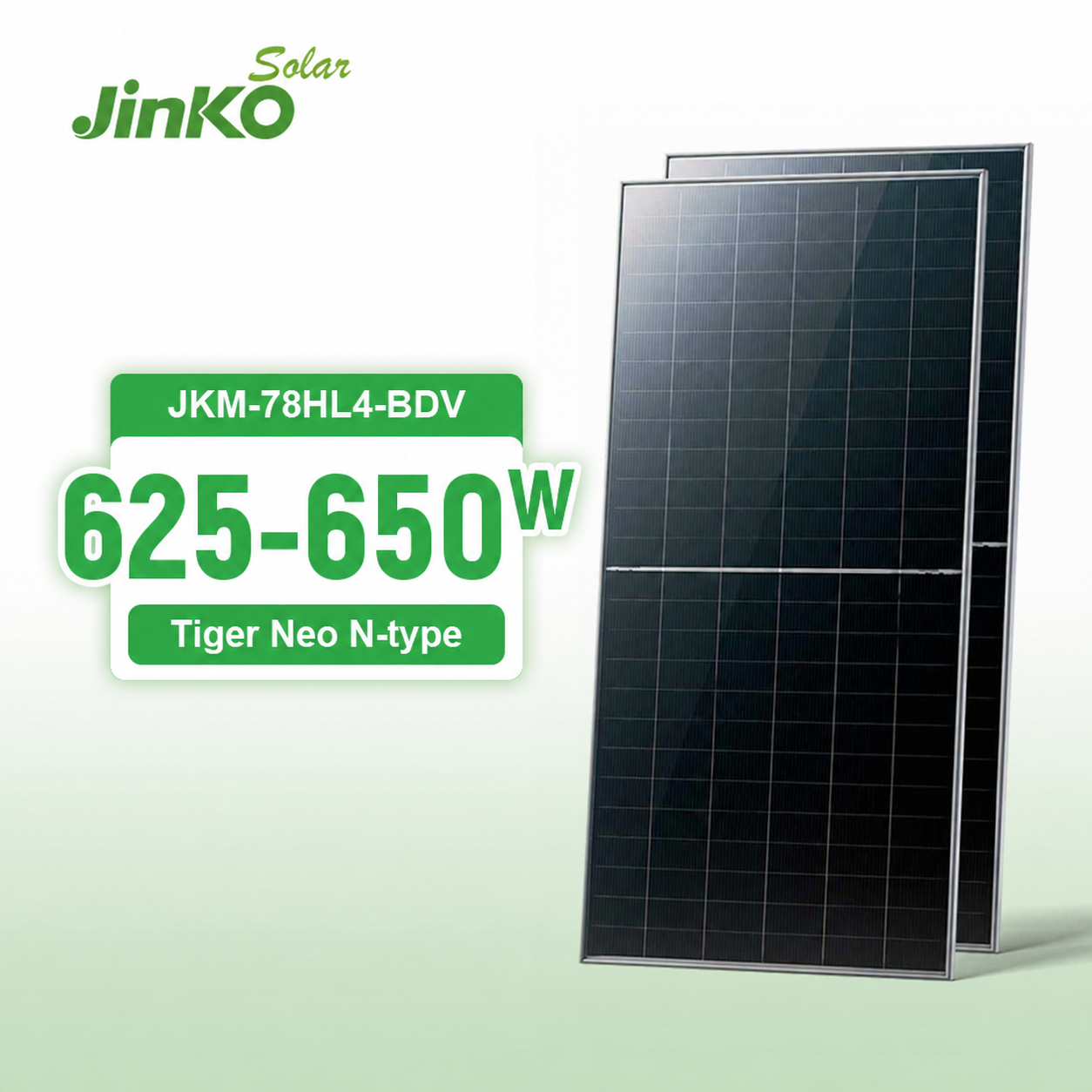
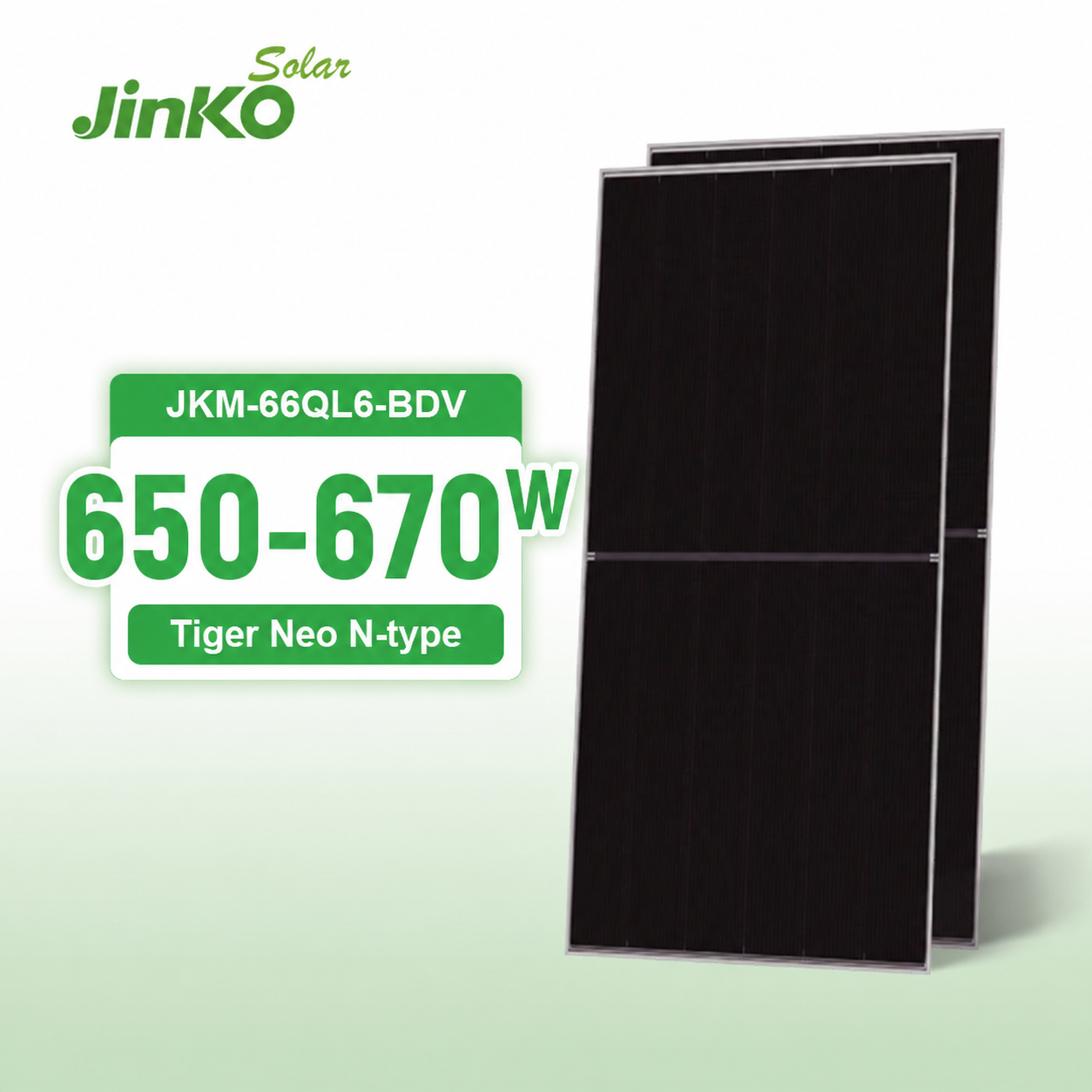
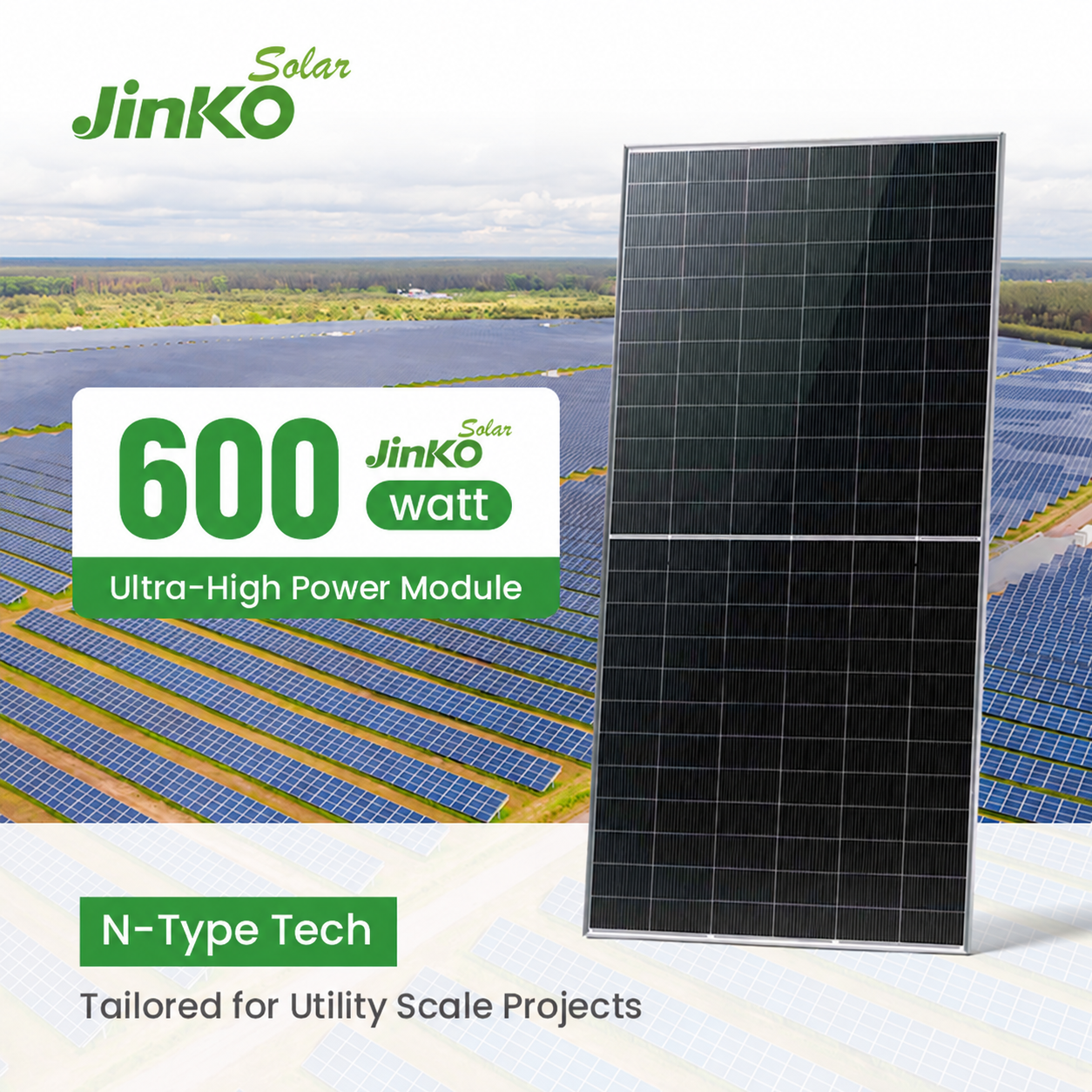
Because the light-toned calcareous sand of the UAE desert exhibits an extraordinarily high albedo coefficient (reflecting up to 35–42% of direct sunlight to the rear of solar panels), EPC contractors overwhelmingly specify N-Type bifacial modules, such as our 600W to 670W dual-glass series. This rear-side bifacial gain can increase real-world current output (Isc) by an additional 15% to 25% above standard test conditions (STC). Traditional charge controllers sized purely on nameplate front-side STC data suffer severe current overload when rear gains kick in. Hangzhou VOLT New Energy works alongside local contractors to calculate precise Bifacial-Adjusted Maximum Current thresholds, guaranteeing that every MPPT input channel accommodates rear-side current peaks without entering destructive overcurrent lockouts.
Enterprise Strengths
Why Leading UAE EPCs & Distributors Source from VOLT New Energy
A zero-compromise supply chain eliminating the common friction points of imported solar storage equipment.
Pre-Shipment Protocol Verification
Nothing stalls a commissioning timeline in the UAE faster than an unresolved "BMS Communication Lost" fault code. Before packing, our engineers flash matching CAN and RS485 communication protocols between our controllers, Deye hybrid inverters, and lithium battery management systems. Equipment connects and synchronizes on day one.
Automated Burn-In & Stress Testing
Every MPPT unit undergoes a mandatory 100% full-load high-temperature burn-in test inside our automated climatic chambers for 8 consecutive hours at 55°C. We sample ripple voltage, harmonic distortion, thermal dissipation curves, and PCB insulation resistance to ensure total resilience against harsh desert operations.
Turnkey Systems & Logistics Direct to Jebel Ali
Avoid coordinating four different manufacturers for modules, controllers, inverters, and battery banks. VOLT New Energy bundles complete systems into optimized container space, providing Class 9 Dangerous Goods packing, UN38.3 certifications, MSDS reports, and seamless sea freight directly into Jebel Ali Port or Mina Zayed.
Procurement Due Diligence
Frequently Asked Questions by UAE Solar Professionals
Direct technical answers addressing system sizing, local environmental adaptation, customs clearance, and long-term warranties.
How do your MPPT controllers avoid continuous thermal derating during UAE summer peaks? +
Our industrial-grade MPPT units are engineered around ultra-low internal resistance Silicon Carbide (SiC) MOSFET switches coupled with oversized die-cast aluminum heat-dissipation chassis. Standard market controllers begin linear power derating once internal ambient temperatures reach 40°C, which can cause heavy power clipping by 10:30 AM in Dubai or Abu Dhabi summers. Our controllers maintain full 100% rated capacity up to an ambient temperature of 55°C, ensuring that your solar arrays harvest maximum peak irradiance precisely when commercial chiller loads are drawing maximum energy.
Can your MPPT charge controllers communicate natively with Deye hybrid inverters and external BMS? +
Yes. Our controllers are equipped with isolated RS485 and CAN-Bus interfaces that natively support industry-standard communication protocols, including Modbus-RTU, SunSpec, and proprietary CAN handshakes utilized by Deye, Growatt, and leading LiFePO4 battery BMS units. When integrated into an energy storage system (ESS), the controller continuously feeds real-time string voltage, charging current, cell temperature limits, and fault states directly to the inverter or supervisory SCADA controller, dynamically throttling charging current according to the battery manufacturer's strict thermal curves.
How should we size the array voltage (Voc) considering desert winter temperature drops? +
While UAE summers are intensely hot, inland desert regions such as Al Ain, Sweihan, and the Empty Quarter experience winter morning lows dropping to 8°C–10°C. Photovoltaic modules exhibit an inverse open-circuit voltage response to temperature (governed by their negative βVoc coefficient). Sizing strings strictly using STC (25°C) ratings risks irreversible overvoltage breakdown on cold mornings. Our technical engineering team provides string-sizing simulation reports calculated against lowest recorded local ambient temperatures, ensuring that maximum Voc remains safely 10% below the controller’s hard upper DC threshold (e.g., within 450V DC on a 500V system).
What documentation and certifications are provided for UAE customs clearance and grid approvals? +
All shipments destined for the United Arab Emirates are backed by a complete compliance documentation packet. This includes original manufacturer CE declarations, IEC 62109-1/2 (Power Conversion Equipment Safety), IEC 62619 for lithium battery storage cells, and IEC 61215/61730 for our Jinko PV modules. We provide detailed third-party laboratory test reports (TÜV Rheinland, Intertek), authenticated Certificates of Origin (CO), commercial invoices, packing lists, and necessary UN38.3 / MSDS shipping dossiers required by global maritime carriers and UAE customs authorities for frictionless clearance at Jebel Ali Port.
Why is bifacial PV module gain critical when matching MPPT controller amperage in desert terrain? +
In desert environments, reflective white and yellow sand dunes create an elevated ground albedo that illuminates the rear of bifacial N-type modules. When installing panels such as our Jinko N-Type dual-glass series on elevated ground mounts, rear-side irradiance delivers a supplemental 15% to 25% current yield under clear sky conditions. An MPPT charge controller sized strictly according to front-side STC short-circuit current (Isc) will clip this valuable energy or trigger recurring overcurrent protective cutoffs. Our engineering team sizes controller input channels to handle up to 130% of standard front-side rated current, allowing you to capture every watt of albedo boost.
What is the standard warranty and after-sales support protocol for systems shipped to the UAE? +
Our industrial MPPT controllers come with an export standard 5-year factory warranty, extendable to 10 years for municipal and utility projects. Deye inverters and Tier-1 Jinko solar panels carry their respective 5-year and 12-to-30-year manufacturer warranties. Hangzhou VOLT New Energy maintains rigorous digital serial-number tracking for every unit dispatched. In the rare event of a component failure, our technical engineering team provides remote diagnostic analysis within 24 hours (GMT+8 / GST alignment), coordinating immediate field replacement modules and rapid courier dispatch of internal logic boards or spare parts directly to your UAE warehouse.
Architect Your High-Yield Solar Project for the Emirates
Consult with our photovoltaic system engineers today. Send your load profiles, string configurations, and deployment coordinates across the UAE for a verified balance-of-system quotation and comprehensive compatibility analysis.