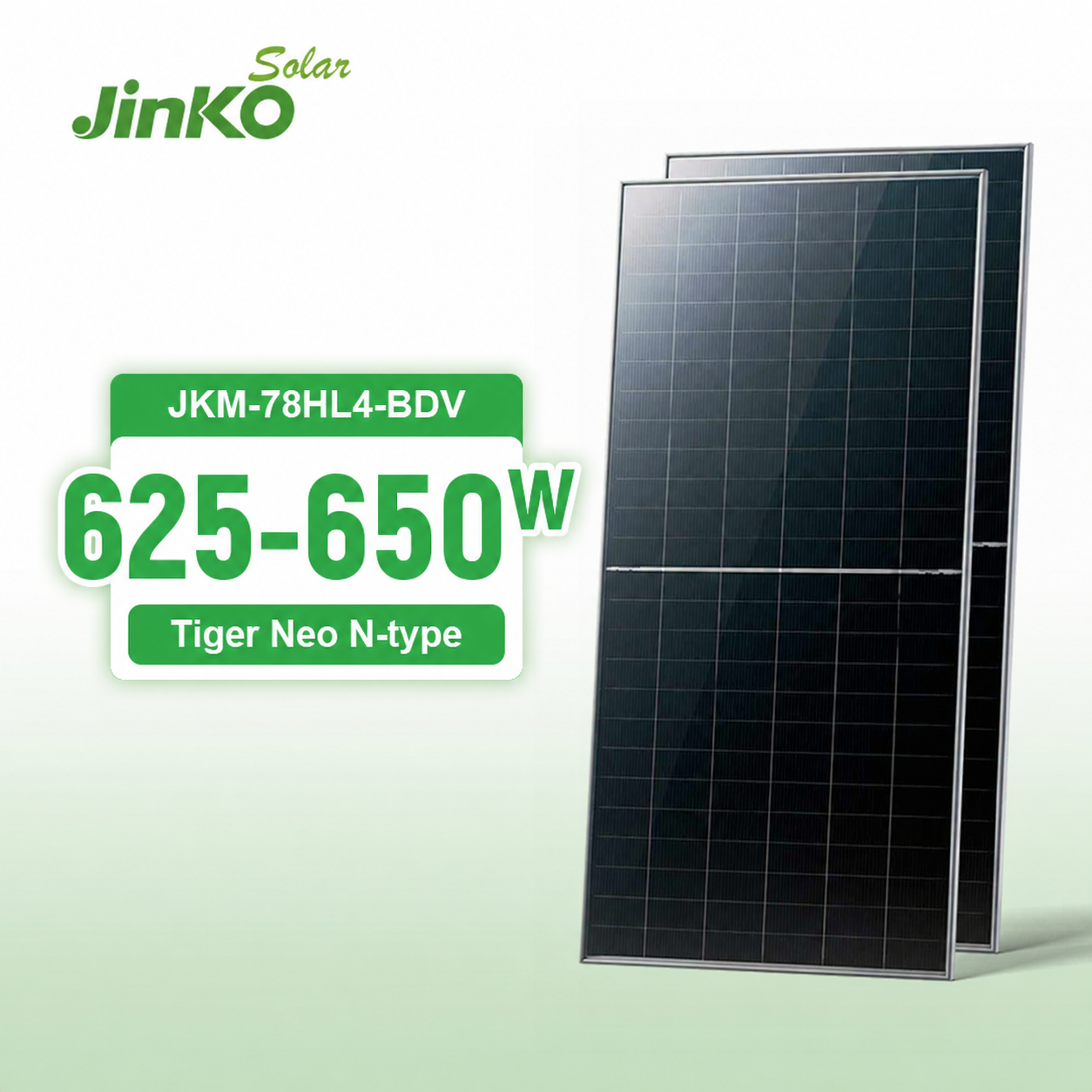
Dual Glass Monocrystalline
Deploying ultra-high-efficiency N-Type TOPCon and Bifacial dual-glass solar panels precisely calculated for wide MPPT tracking windows and extreme thermal variances in the Andean Highlands.
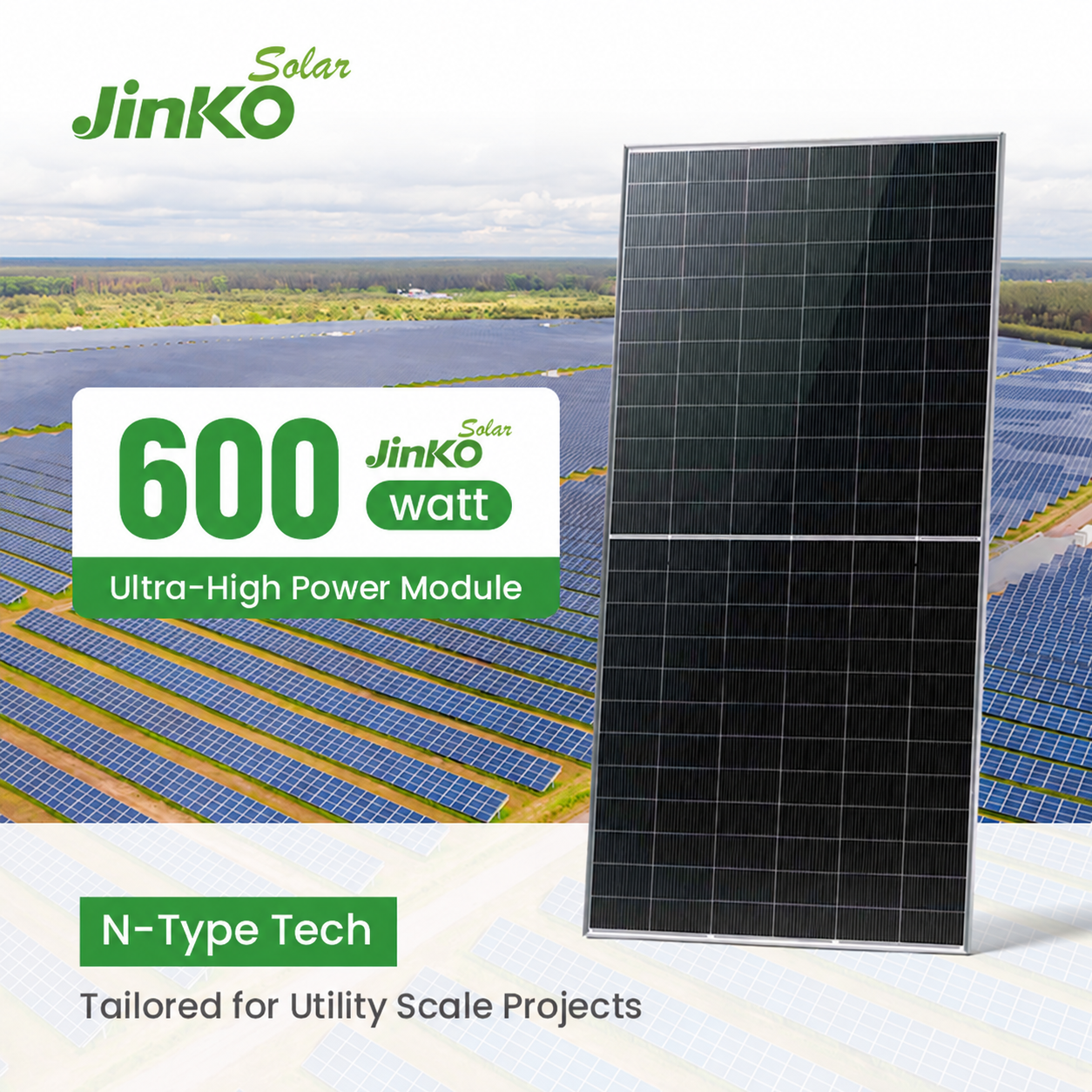
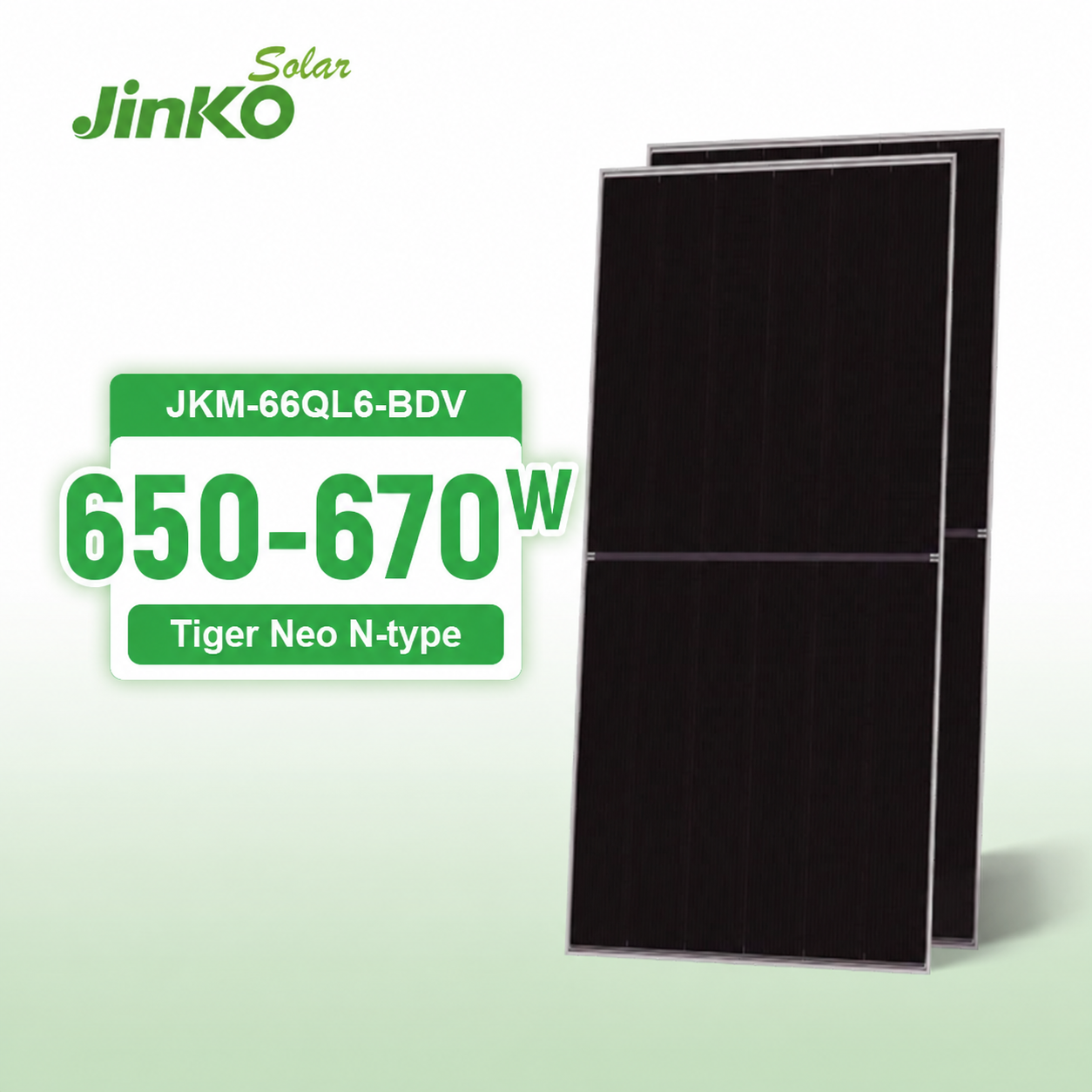
A technical guide for PV systems integrators, commercial installers, and agricultural EPC contractors operating in the southern Andean highlands.
Sucre, the historical and constitutional capital of Bolivia situated at an average elevation of 2,810 meters (9,219 feet) above sea level, presents an exceptional micro-climate for solar generation alongside severe operational bottlenecks for solid-state power electronics. The region experiences Global Horizontal Irradiation (GHI) values exceeding 5.8 to 6.6 kWh/m²/day, characterized by exceptionally clear skies and low atmospheric particulate filtering. However, operating maximum power point tracking (MPPT) charge controllers in this geographic corridor requires an in-depth understanding of altitude-induced air rarefaction, extreme diurnal temperature fluctuation (-2°C at dawn to +26°C midday), and the dielectric properties of high-altitude insulation.
The primary point of failure for entry-level charge controllers deployed across Chuquisaca (including the agricultural perimeters of Tarabuco, Zudáñez, and the Cinti Valley) is overvoltage destruction caused by neglecting the negative temperature coefficient of open-circuit voltage ($\beta V_{oc}$). Under cold mountain dawns where temperatures dip to -3°C under sudden 1000 W/m² clear-sky irradiance, the actual Voc of standard TOPCon modules rises by 12% to 16% beyond Standard Test Conditions (STC 25°C).
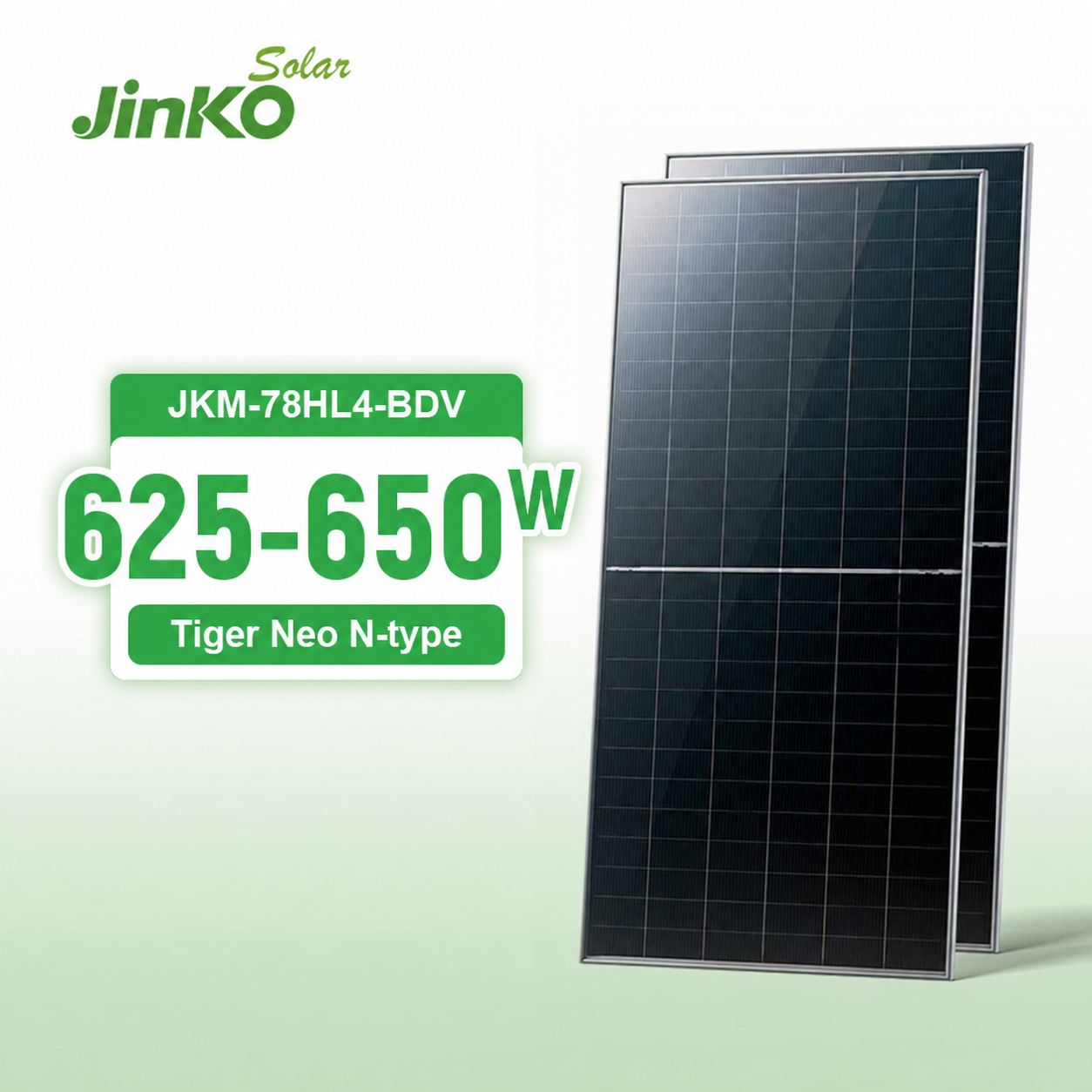
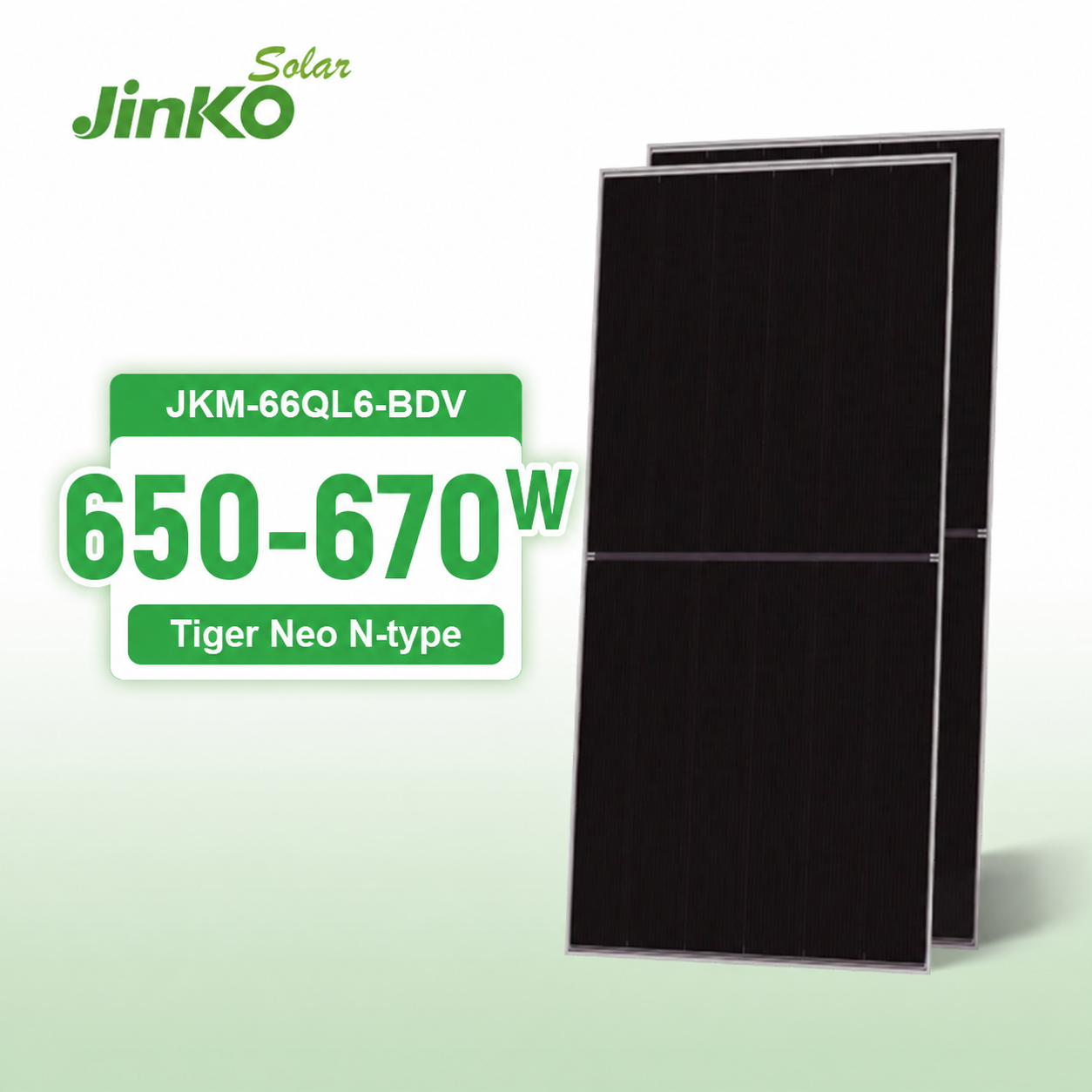
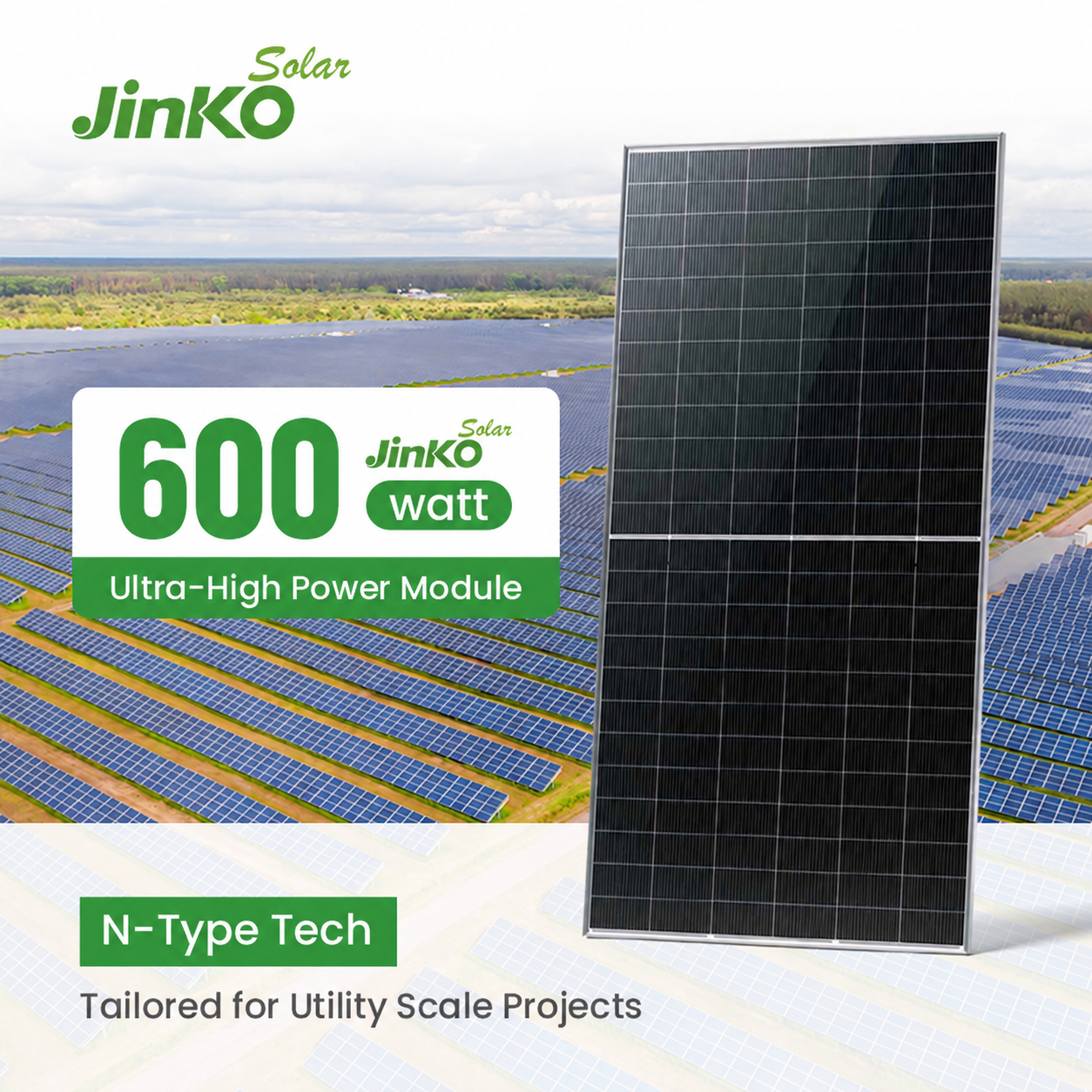
For an array consisting of three series-connected 600W–650W TOPCon modules with an STC $V_{oc}$ of 50.4V, the theoretical cold-morning surge voltage is derived via:
A conventional 150V DC controller will immediately trip an overvoltage fault or experience irreversible MOSFET barrier punch-through. VOLT New Energy supplies continuous-duty MPPT charge controllers offering minimum operating margins of 200V to 250V DC (and up to 500V in our high-voltage DC-coupled microgrid architectures), providing the essential headroom required to safeguard off-grid infrastructure throughout the harsh Bolivian winter.
Complex mountain topographies and passing cloud vectors in the Chuquisaca department trigger multi-step I-V curves. Our MPPT firmware scans the entire power envelope in under 250ms, eliminating false local-maximum lock-in and maximizing harvesting by up to 30% compared to legacy tracking systems.
Given Sucre’s dry dry-season dust storms and humid summer downpours, our internal controller boards feature military-grade nano-coating against particulate intrusion, ionic salts, and condensation-induced dielectric breakdown across heavy-gauge terminal blocks.
Native protocol synchronization through dual RS485 and CANbus interfaces. Direct closed-loop compatibility with our high-cycle LiFePO4 battery modules as well as selectable four-stage charging parameters tailored for deep-cycle colloidal GEL banks.
Verified laboratory benchmarks indicating continuous-duty thermal performance across Bolivian elevation profiles.
| Controller Series Model | Nominal System Voltage | Max. Solar Input (Voc) | Rated Charging Current | Full Load Efficiency | Altitude Derating Limit | Communication Protocol |
|---|---|---|---|---|---|---|
| VOLT-Aero 60A Pro | 12V / 24V / 48V Auto | 150V DC STC | 60 Amperes | 98.6% | Up to 3,000m (No Derate) | RS485 / Modbus-RTU |
| VOLT-Andes 80A Plus | 24V / 48V Selectable | 200V DC STC | 80 Amperes | 99.1% | Up to 3,500m (Conformal) | CANbus 2.0B / RS485 |
| VOLT-Summit 100A Ultra | 48V Native (LFP Ready) | 250V DC STC | 100 Amperes | 99.3% | Up to 4,000m (Forced Air) | Dual CAN / Bluetooth |
| VOLT-MicroGrid 120A HV | 48V / 96V / 192V DC | 450V–500V DC | 120 Amperes | 99.5% | Up to 4,500m (Industrial) | Ethernet / CAN / Cloud IoT |
Engineering customized DC-coupled and AC-coupled off-grid energy models engineered for local economic clusters.
In the fertile agricultural belts of Yamparáez, Tarabuco, and Presto, surface water is scarce, compelling farms to lift groundwater from depths of 80 to 180 meters. Integrating high-voltage MPPT controllers directly with variable-frequency pump drives (VFD) bypasses chemical storage altogether or charges intermediate 48V GEL banks to power automated drip irrigation cycles during non-irradiance hours without erratic diesel generator runtime.
Sucre’s UNESCO World Heritage core enforces strict municipal architectural codes prohibiting unsightly or heavy structural modifications. Pairings of Jinko N-Type dual-glass modules with compact, wall-mounted MPPT units and slimline LiFePO4 batteries allow boutique hotels, historic residential facades, and government offices to harvest decentralized solar with zero visual or architectural structural compromise.
High-altitude repeater stations perched along the Cordillera Central and rural clinics in the Cinti Valley cannot tolerate power loss. Combining 80A/100A MPPT controllers with closed-loop communication over LFP storage ensures medical refrigeration and microwave communication nodes maintain continuous uptime throughout heavy multi-day cloud covers.
Understanding the shifting regulatory, tariff, and supply parameters shaping renewable energy investments across Bolivia.
The macroeconomic backdrop in Bolivia is accelerating decentralized solar adoption at an unprecedented rate. Historically insulated by domestic hydrocarbons subsidies, national energy security policies are increasingly recalibrating as domestic diesel and natural gas outputs shift. Distribution concessions managed by local utilities such as Compañía Eléctrica Sucre S.A. (CESSA) face escalating infrastructure upgrade costs to reach scattered rural valley settlements. Consequently, decentralized solar with advanced MPPT regulation has achieved localized levelized cost of energy (LCOE) parity against conventional grid extensions and fuel generation.
Furthermore, Bolivia's Nationally Determined Contributions (NDCs) emphasize rural electrification, water security via renewable pumping, and the phased reduction of fossil fuel dependency in agro-industrial processing. As a consequence, commercial growers, regional cooperatives, and municipal installations across Chuquisaca are bypassing intermediate, low-efficiency PWM controllers in favor of advanced MPPT topologies capable of handling high-power modern PV modules (600W+).
Based in Hangzhou, Zhejiang, Hangzhou VOLT New Energy Technology Co., Ltd. serves as an onsite-verified hardware provider and full-scope system integrator. We eliminate the systemic risks that international B2B importers experience when sourcing complex solar storage arrays.
Every MPPT controller and LFP battery package is tested under live hardware loads prior to container stuffing. We ensure CAN and RS485 protocol sync, correct baud rates, matching DIP settings, and compatible charging voltage tables are locked down before shipping from China.
Safe handling of LiFePO4 batteries requires strict international compliance. We manage all UN38.3 impact and thermal testing dossiers, manufacturer MSDS filings, and certified DG packaging, securing seamless customs clearance through major Pacific ports (such as Arica or Iquique) en route to Bolivia.
Save shipping overhead by consolidating high-yield Jinko N-Type panels, Deye hybrid inverters, MPPT charge controllers, and rack/wall LFP modules inside a unified container load, accompanied by engineered single-line diagrams (SLD) for rapid local assembly.
Real-world engineering guidance addressing common technical, operational, and import concerns.
Connect with our application engineering department in Hangzhou. Share your project load profiles, array voltages, and battery storage configurations for a complete, high-altitude verified system sizing proposal within 24 hours.
Inquire Now