High-Efficiency Photovoltaic Modules for Camagüey Projects
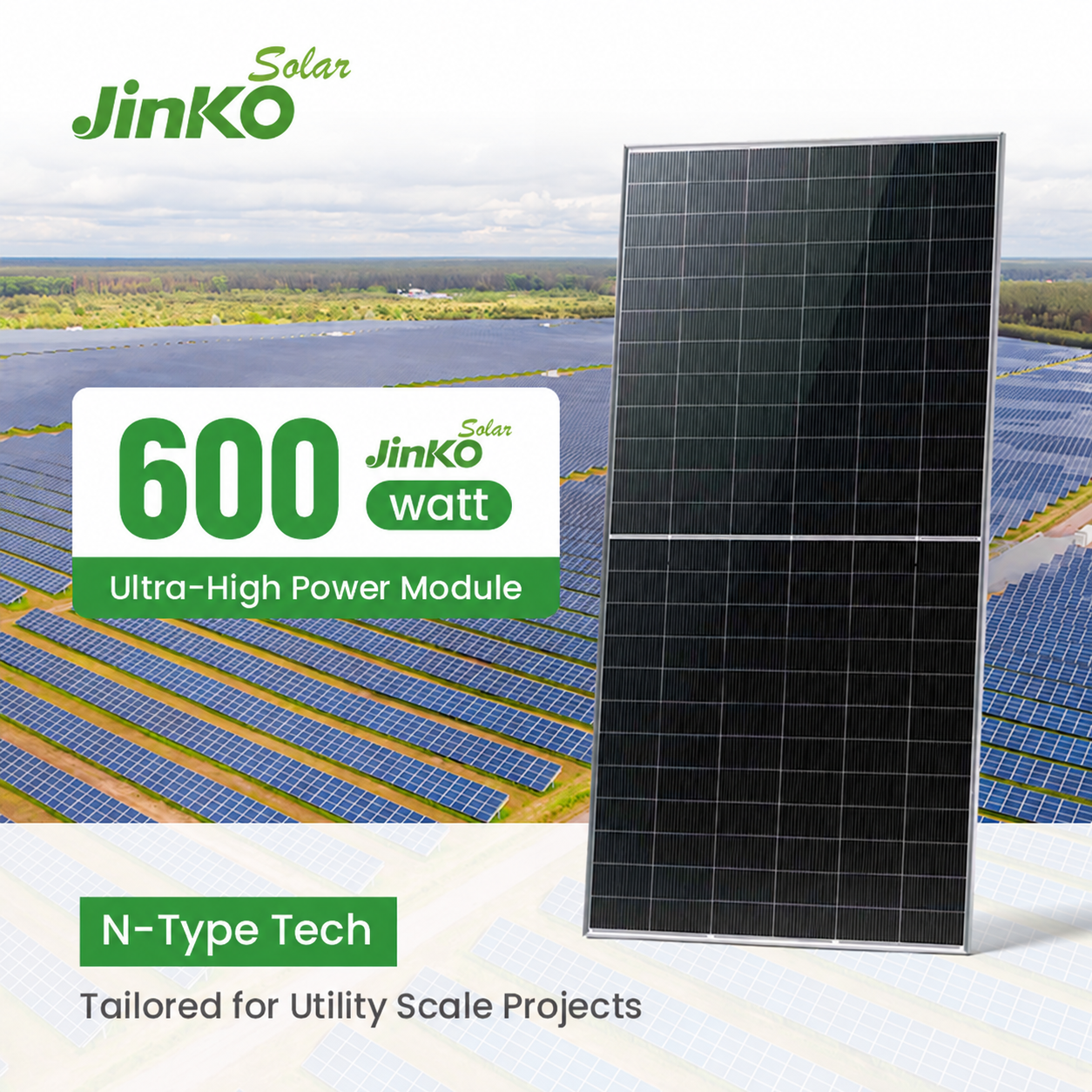
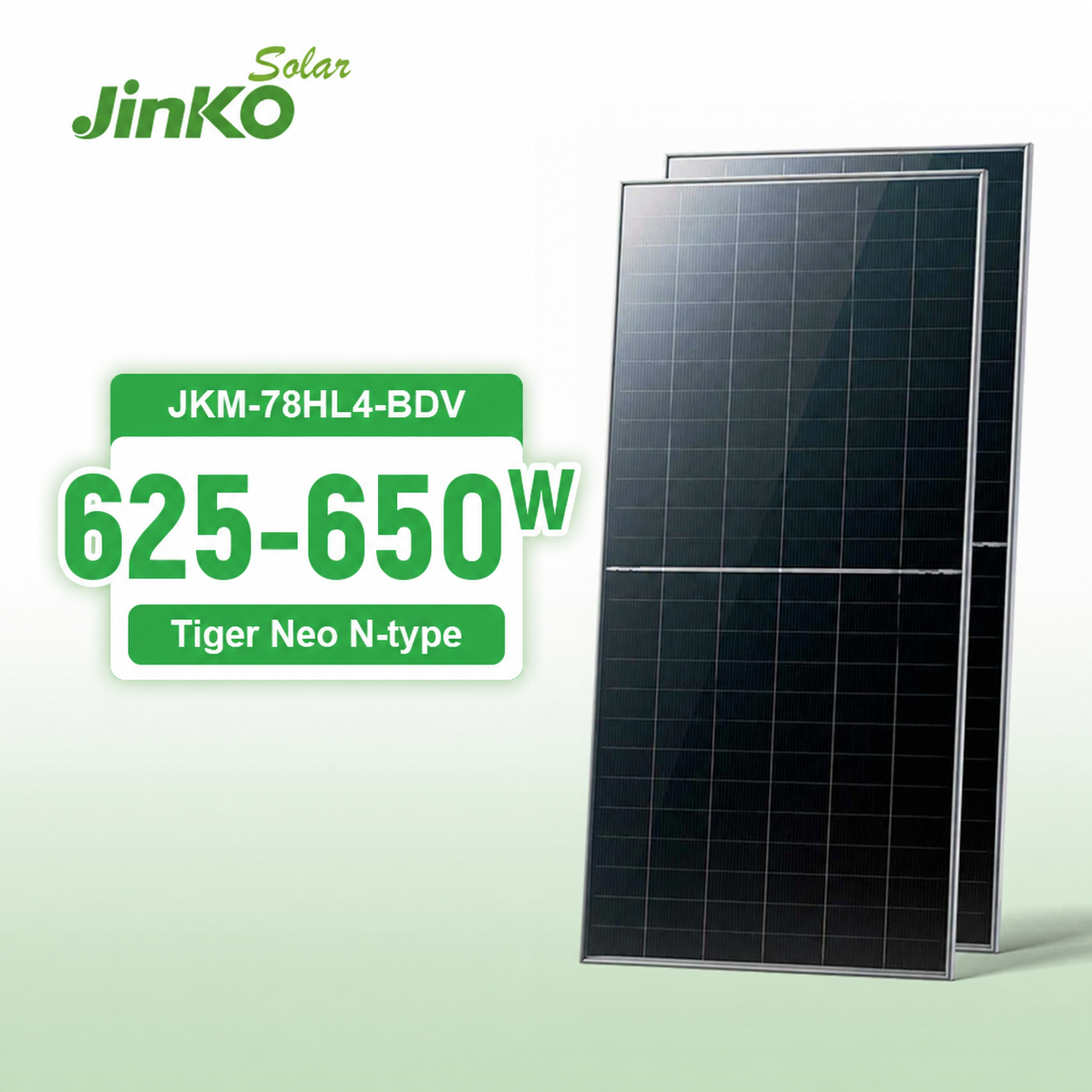
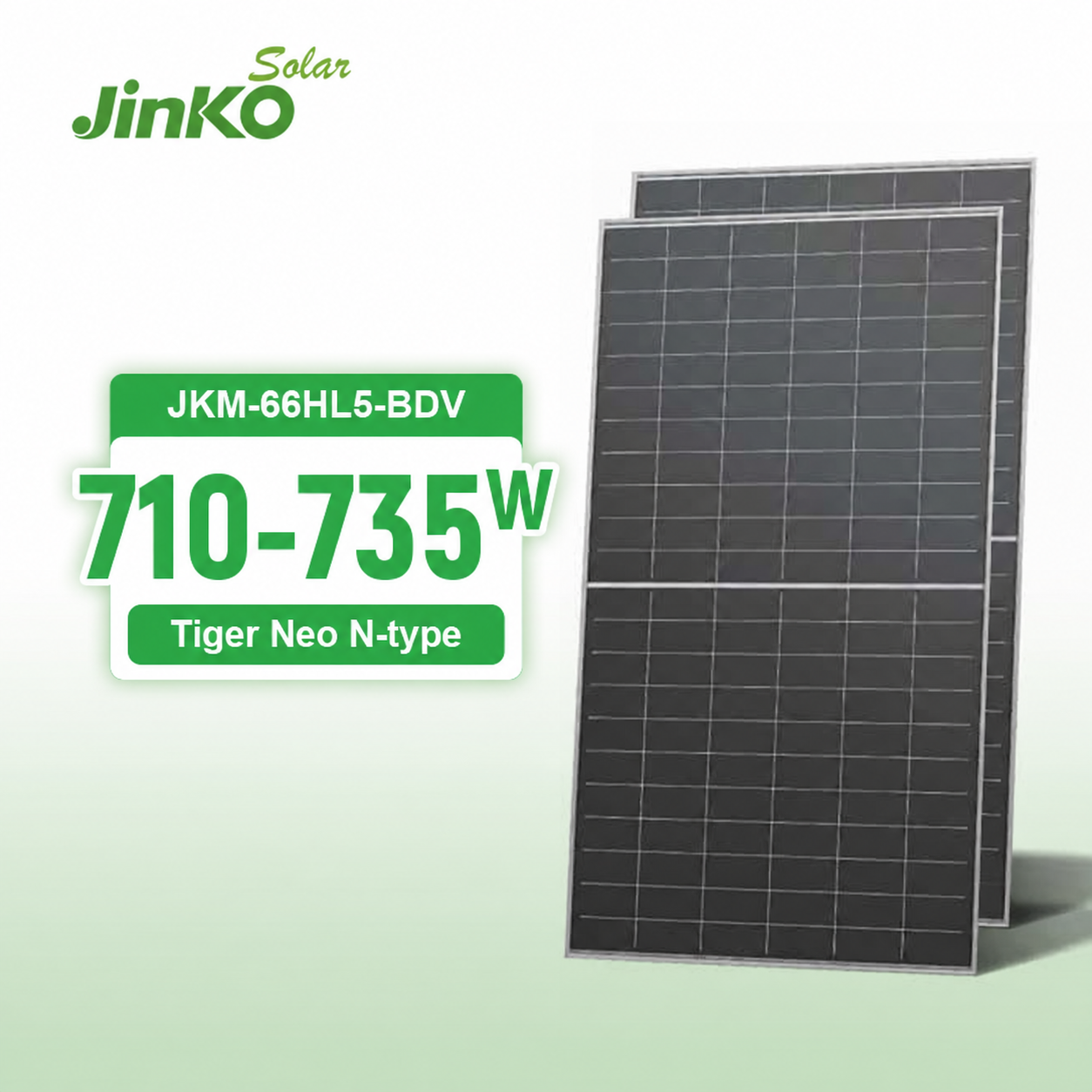
Engineered to withstand the high-temperature ambient profiles of Camagüey Province, the severe salinity of northern keys (Cayo Sabinal, Playa Santa Lucía), and hurricane wind shear. All modules are pre-screened for immediate integration with Deye hybrid inverters and industrial LiFePO4 battery banks.
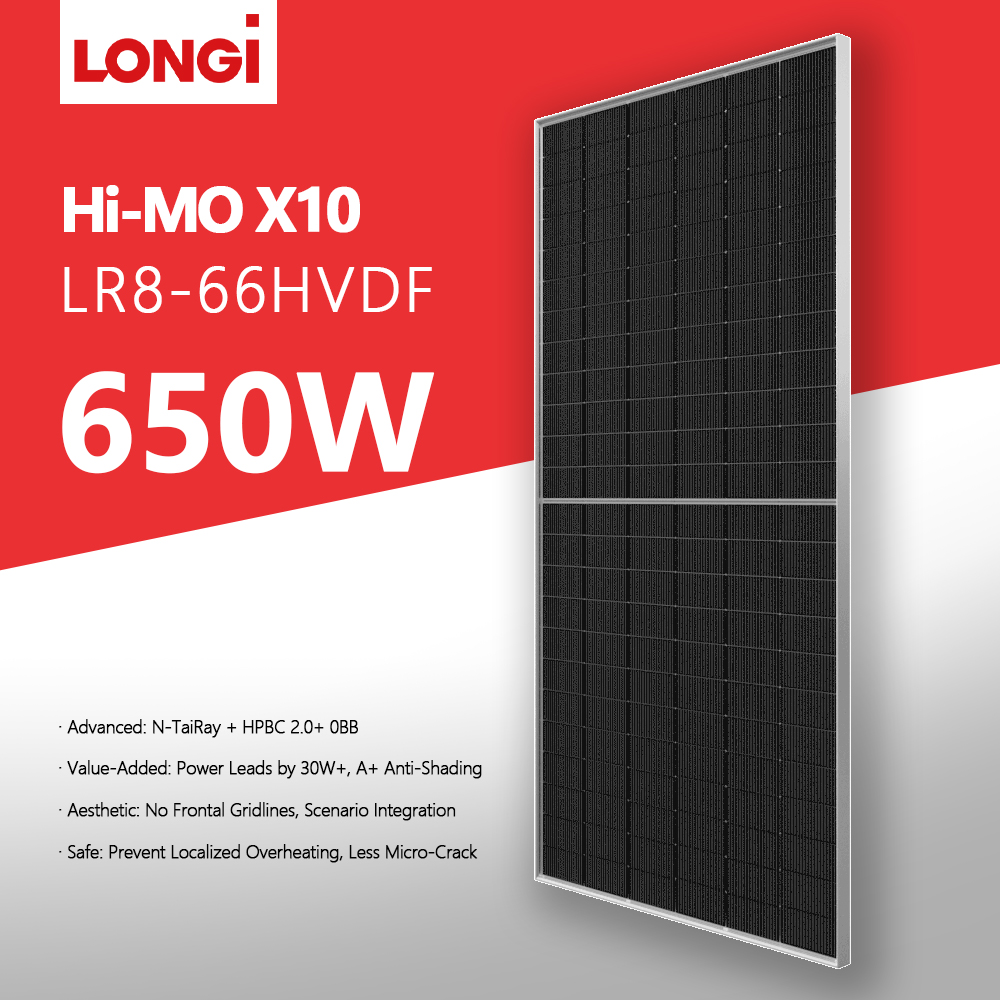
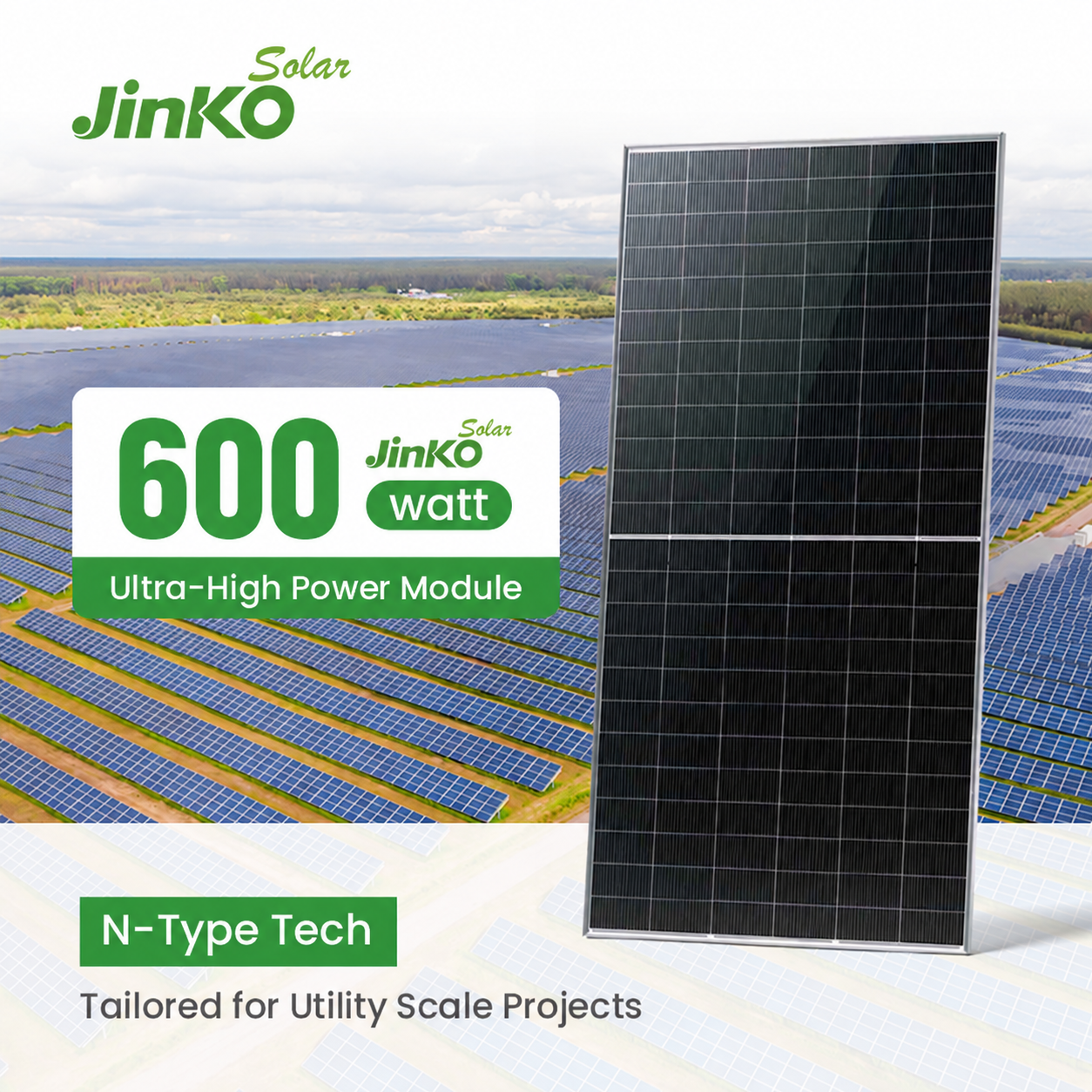
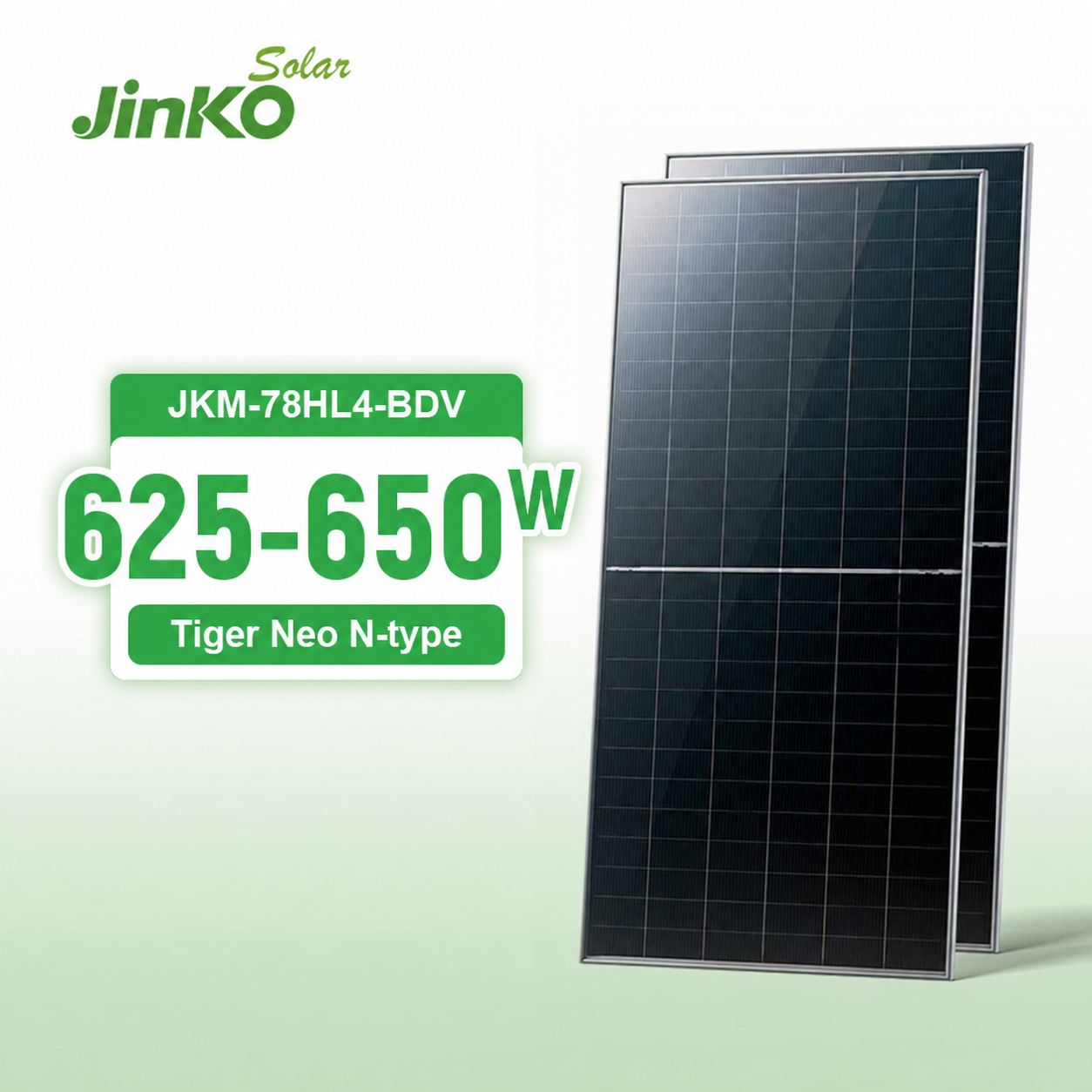
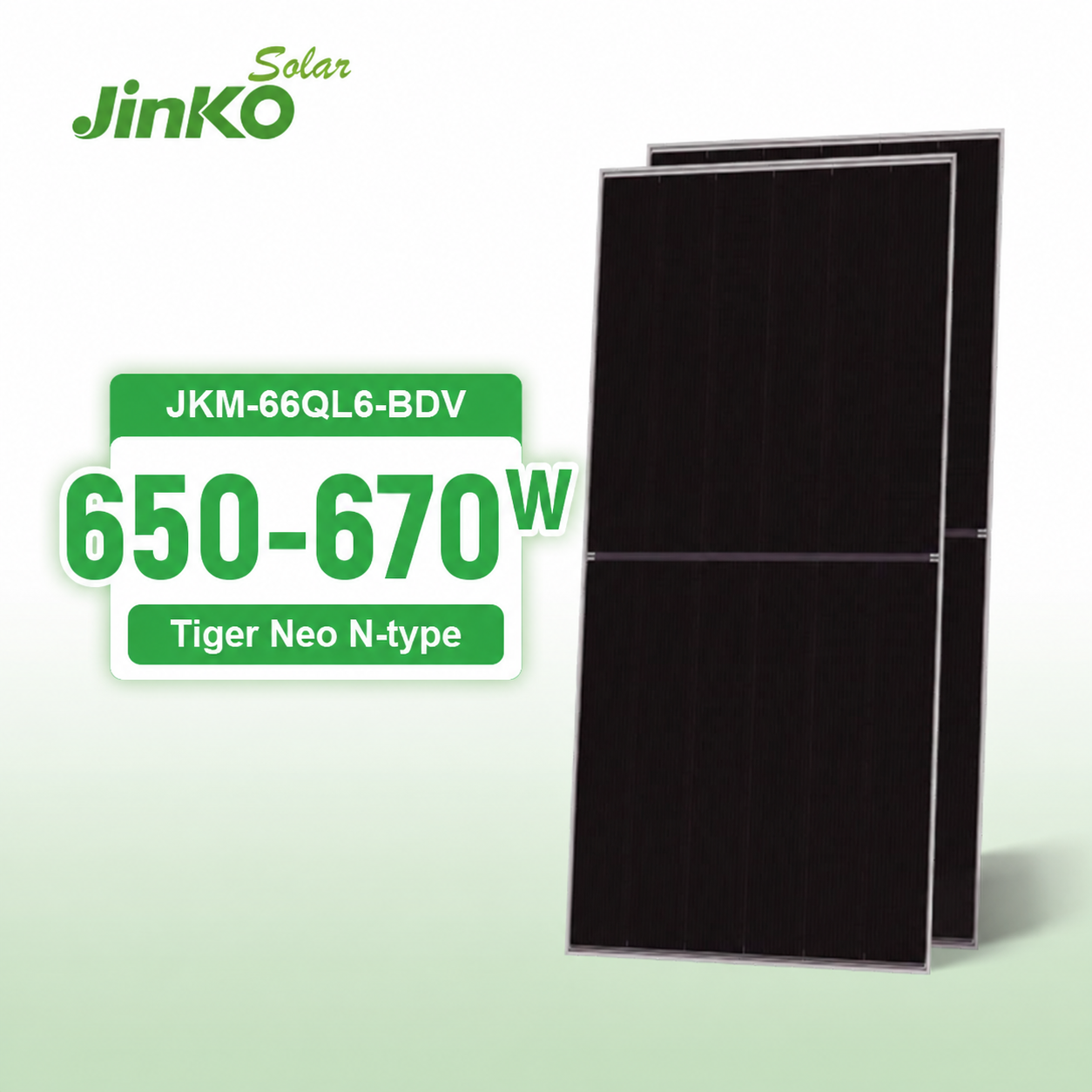
Localized Application Scenarios: Overcoming Energy Bottlenecks in Camagüey
Camagüey stands as the territorial spine of central-eastern Cuba, distinguished by expansive agricultural savannas, deep industrial sugar processing infrastructure, and intensive livestock farming. However, the region suffers persistently from unstable feed on the National Electric System (SEN - Sistema Eléctrico Nacional), aggravated by maintenance cycles at the local 10 de Octubre Thermoelectric Power Plant in Nuevitas. These recurrent blackouts jeopardize dairy refrigeration, sugarcane harvesting pumps, municipal drinking water distribution, and hospitality operations along the northern keys.
Hangzhou VOLT New Energy engineers tailor OEM/ODM hybrid power systems specifically designed to counter these structural deficits. By synchronizing high-capacity N-Type bifacial solar arrays with Deye multi-port hybrid inverters (ranging from 8kW to 50kW commercial units) and lithium iron phosphate (LiFePO4) storage, operations across Camagüey achieve 24/7 continuous autonomous microgrid capability.
Dairy Cold Chain & Cattle Husbandry
Camagüey produces roughly a third of Cuba's milk supply. Outages in Jimaguayú, Vertientes, and Sibanicú rapidly spoil thousands of liters in bulk cooling tanks. Our hybrid systems incorporate auto-generator start circuits (ATS) with rapid transfer times under 4 milliseconds.
Sugar Mills & Agronomic Auxiliary Power
Sugar agro-complexes like Carlos Manuel de Céspedes and Batalla de las Guásimas demand steady baseline power for process control electronics, weighing scales, and water extraction booster pumps that fail during transmission line drops.
Coastal Tourism & Marine Operations
Resorts and diving centers along Playa Santa Lucía require continuous HVAC, water desalination, and communications while enduring corrosive Caribbean salt mist and extreme cyclonic wind gusts up to 240 km/h during hurricane season.
Camagüey Macro Energy Dynamics: Solar-Storage Hybridization vs. Diesel Generation
Under the Republic of Cuba’s updated National Economic and Social Development Plan toward 2030, the transition to decentralized renewable energy has elevated from an ecological initiative to a core national survival priority. In Camagüey, the reliance on imported diesel and fuel oil (Fuel-Oil / Diésel) has caused unprecedented financial strain. Diesel generation costs in the province frequently exceed $0.42 to $0.55 USD per kilowatt-hour when logistics, lubricants, maintenance intervals, and engine de-rating due to ambient tropical heat are factored in.
| Performance Parameter | Legacy Standby Diesel Genset | VOLT OEM Hybrid System (LFP + TOPCon) | Camagüey Field Advantage |
|---|---|---|---|
| Operating Cost / kWh | $0.42 – $0.58 USD (fuel + maintenance) | $0.078 USD (amortized CAPEX) | 83% operating expense reduction |
| Switchover Latency | 15 to 45 seconds (cold start delay) | < 4 ms seamless UPS transfer | Prevents data loss & cooling compressor trips |
| Fuel Dependency | Continuous supply line vulnerable to logistics | Zero fuel; 100% solar replenishment | Unaffected by local filling station fuel rationing |
| Tropical Heat Tolerance | Derates heavily at >35°C ambient temperature | Active thermal dissipation + BMS cutoff | Guaranteed output at 45°C ambient humidity |
| Hurricane Survivability | Prone to flooding & fuel contamination | Dual-Glass 5400Pa mechanical load rating | Engineered for Atlantic Cat 4/5 hurricane winds |
VOLT New Energy OEM/ODM Infrastructure: Built for International B2B Demands
Based in Hangzhou, Zhejiang, Hangzhou VOLT New Energy Technology Co., Ltd. operates as an integrated system manufacturer and export engineering partner. We do not merely move boxes; our technical ethos is grounded in a singular commitment: A solar energy storage system must achieve complete protocol synchronization and immediate functional uptime on day one.
Importing into the Cuban market involves extended logistics cycles, strict customs inspections, and zero margin for electrical or mechanical mismatch. A single BMS error code on-site in Camagüey can stall a dairy cooperative or hotel project for months. Therefore, every OEM/ODM system configuration undergoes full hardware and software pre-commissioning inside our Hangzhou quality laboratories prior to container stowage.
Pre-Shipment Protocol Verification
Every single battery bank is pre-paired with its target Deye hybrid inverter. We configure CAN 2.0B / RS485 communication protocols, baud rates, and DIP pin configurations before export, completely eliminating handshake communication faults on site.
Dangerous Goods (DG) Compliance
Full UN38.3 test reports, certified Material Safety Data Sheets (MSDS), and Class 9 Dangerous Goods sea-freight packing protocols are issued for swift maritime clearances at ports of entry, avoiding expensive detention fees.
Consolidated Containerized Cargo
We bundle Tier-1 solar modules, hybrid inverters, battery cabinets, DC surge protection, solar cables, and anodized aluminum mounting structures into unified 20GP or 40HQ containers, drastically reducing ocean freight costs per watt.
Dedicated Engineering Telemetry
Our bilingual electrical engineering team supplies comprehensive CAD wiring diagrams, single-line schematics, breaker sizing charts, and remote commissioning assistance via 4G/Wi-Fi data loggers tailored for Caribbean installers.
Frequently Asked Questions for Camagüey Buyers
Direct answers for EPC contractors, state enterprise purchasing directors, and private agricultural cooperatives importing solar storage systems into Cuba.
What are the port options and logistics routes for shipping hybrid power systems to Camagüey?
How do Deye hybrid inverters handle the severe voltage and frequency fluctuations common in Camagüey’s electrical grid?
Should agricultural buyers in Camagüey select LiFePO4 (LFP) lithium batteries or Deep-Cycle GEL batteries?
How do your solar modules resist tropical hurricanes and marine corrosion in northern Camagüey?
Can VOLT New Energy configure systems to integrate with existing three-phase diesel generators?
What level of warranty and technical support is provided to Cuban engineering teams?
Request an Industrial System Sizing & Container Logistics Plan
Send our senior engineering team your site load profile (kWh/day), grid voltage topology (Single-Phase 110V/220V or Three-Phase 220V/380V/440V), and backup duration requirements. We deliver a verified BOM, single-line wiring schematic, and export packing quote within 24 business hours.