Engineered Photovoltaic Assemblies & MLPE Integrations
Precision-matched N-Type TOPCon bifacial modules and micro-inverter architectures engineered to mitigate heavy soil deposition, thermal degradation, and diffuse albedo irradiance across the Al Wakrah coastal plain.
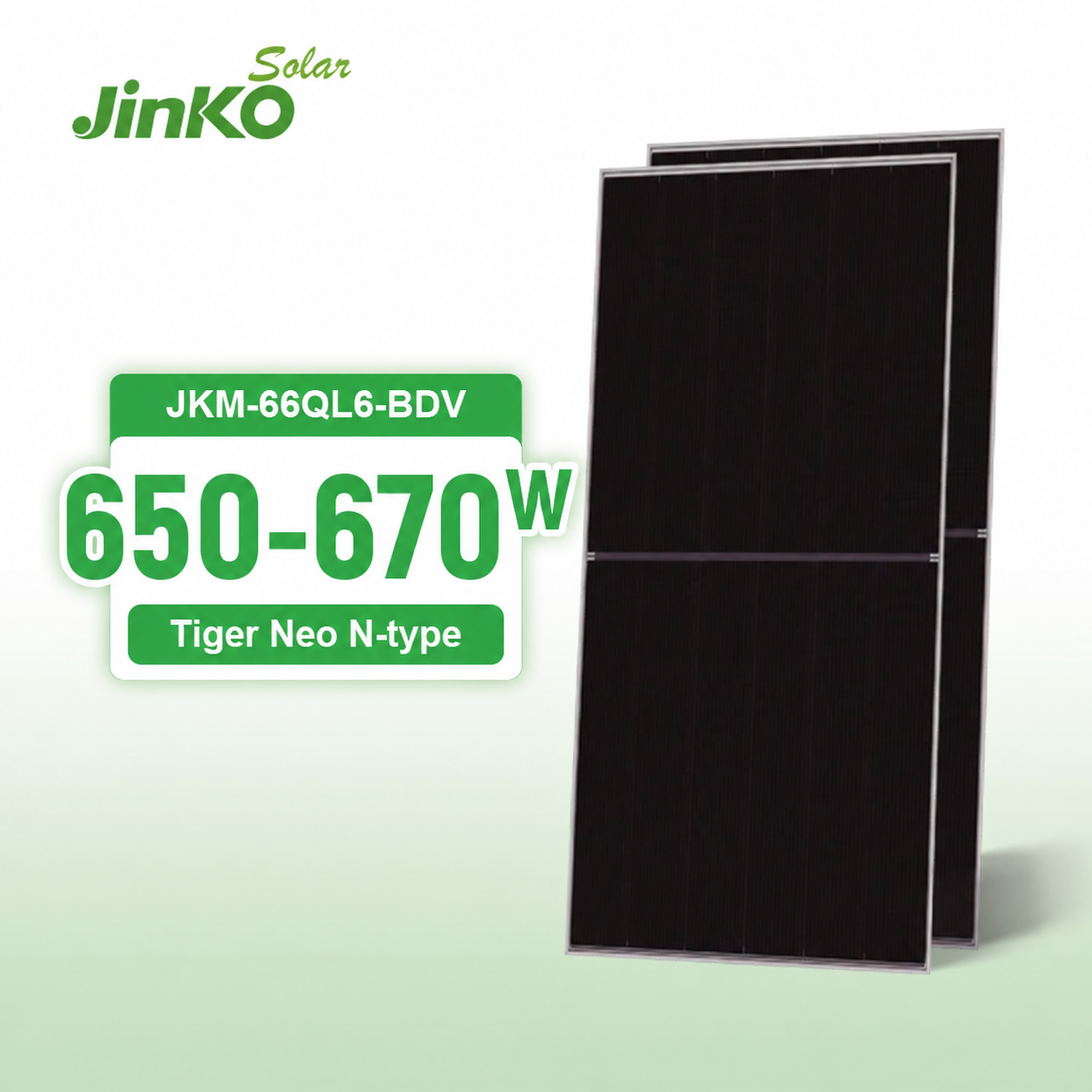
Jinko TOPCon Bifacial Paneles Solares 650W Monocrystalline PV Panel
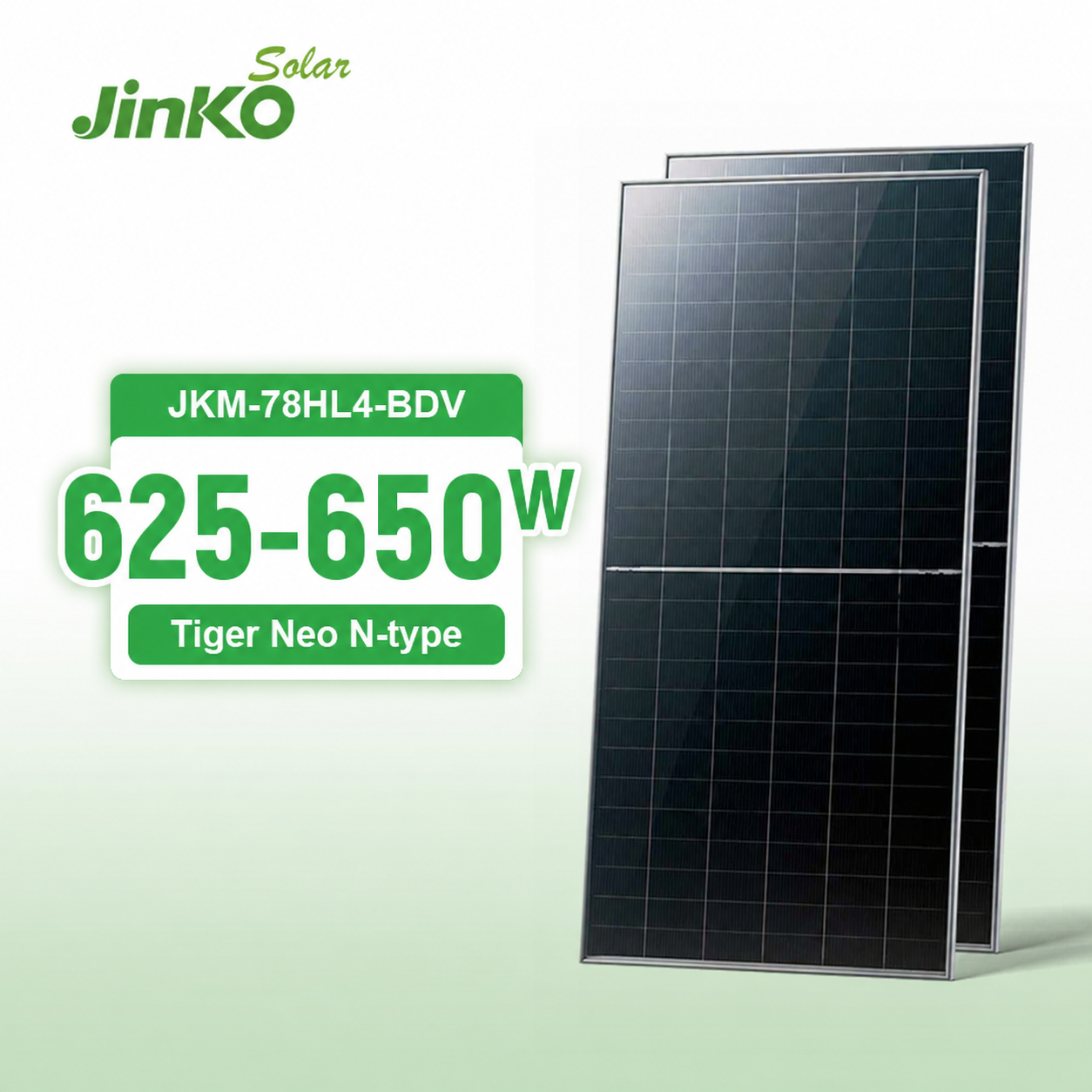
Jinko Bulk 630W 625W 640W TOPCon Bifacial High Efficiency PV Panel
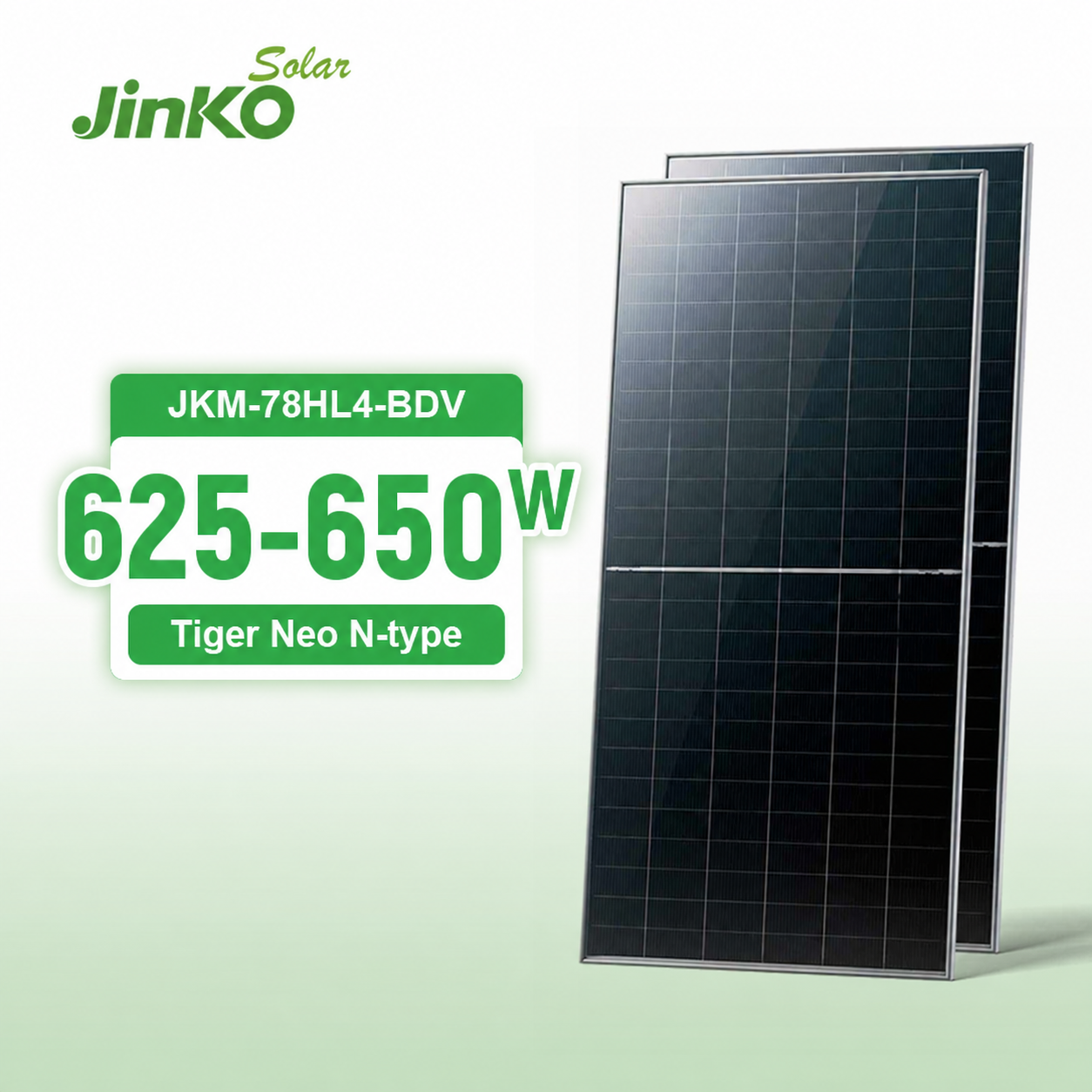
Jinko N-Type PV Module 650W Bifacial Panneau Solaire for Commercial
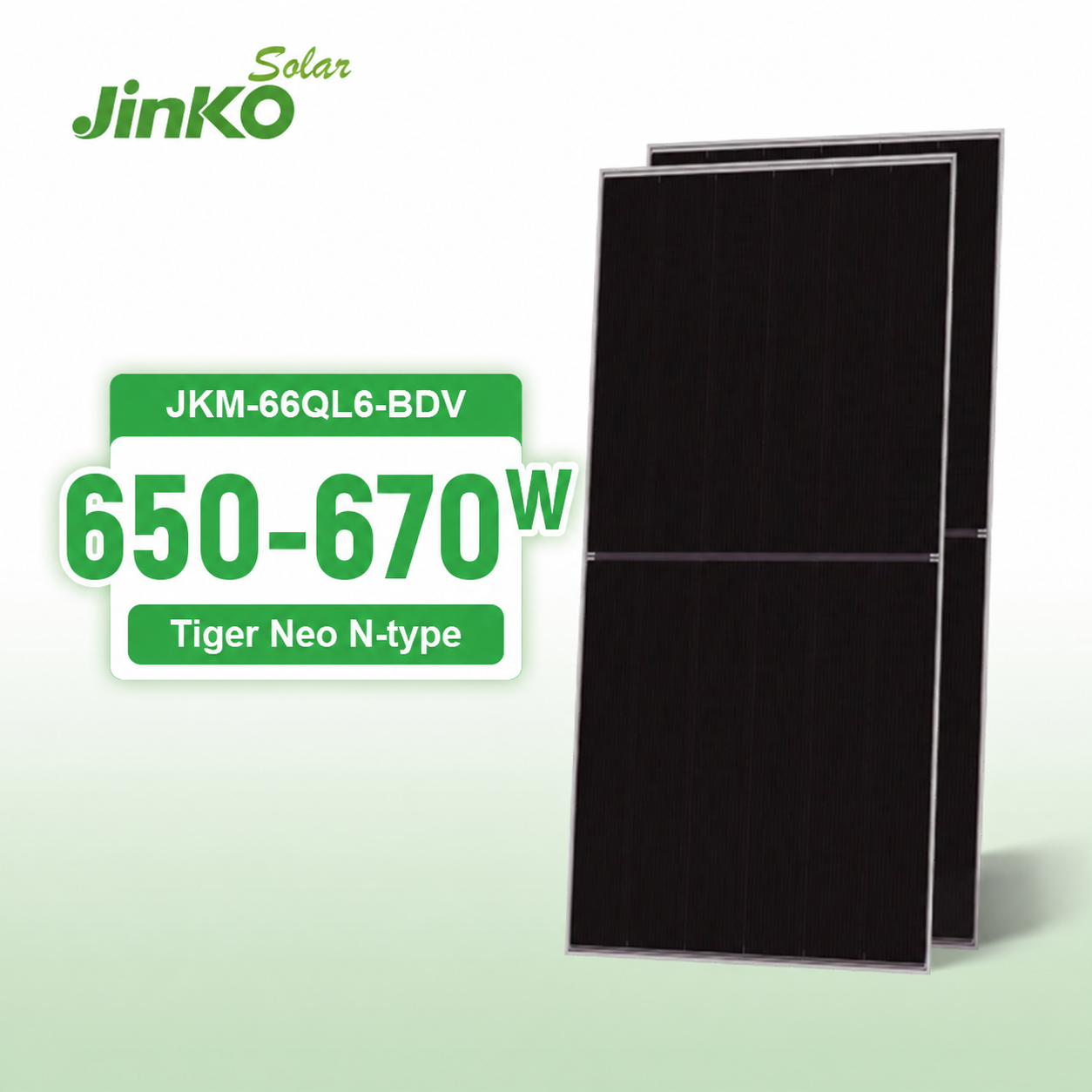
Jinko Double Glass N-Type Solar Panel 650W 660W 670W Monocrystalline
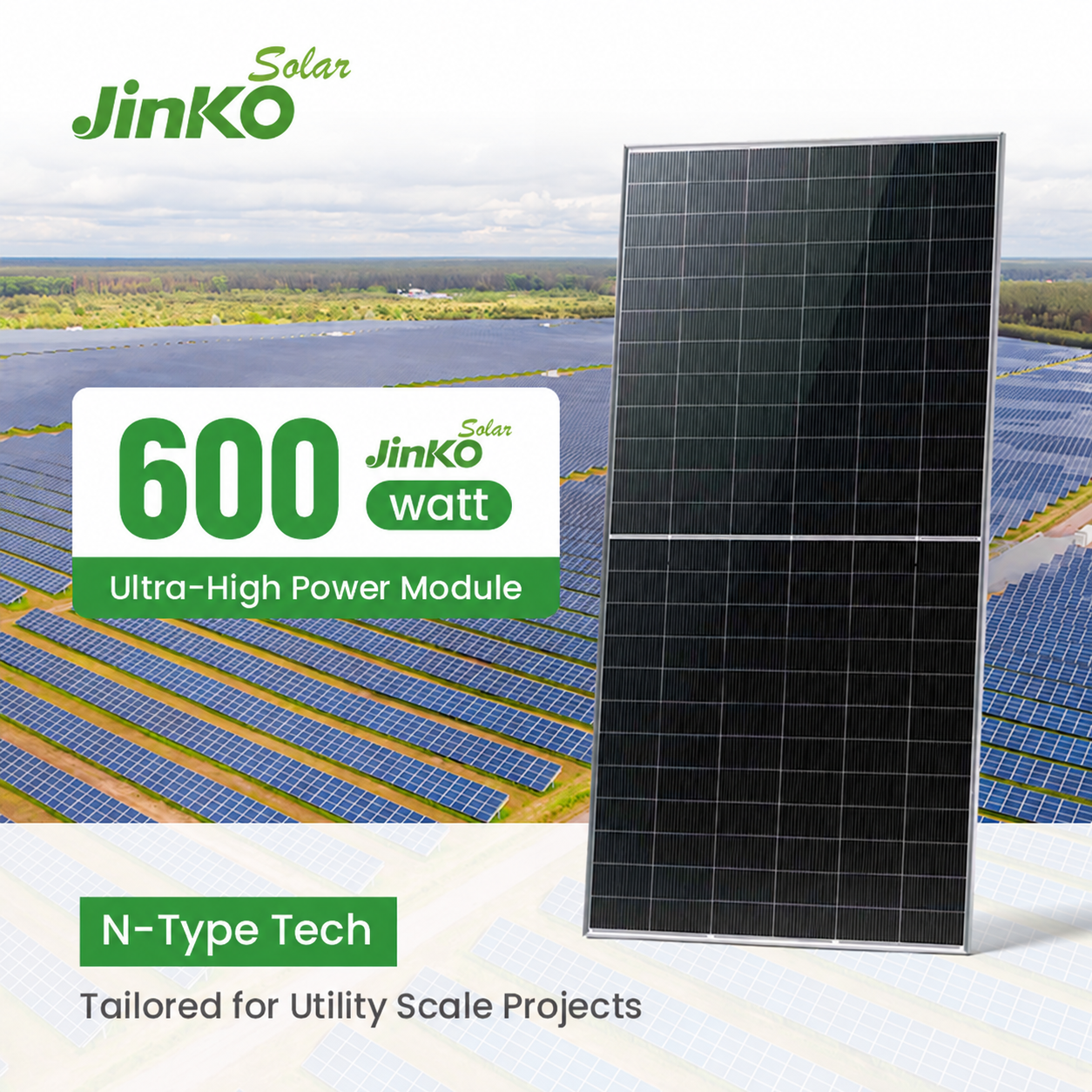
Jinko N-Type Bifacial 600W 580W TOPCon Double Glass Solar Module
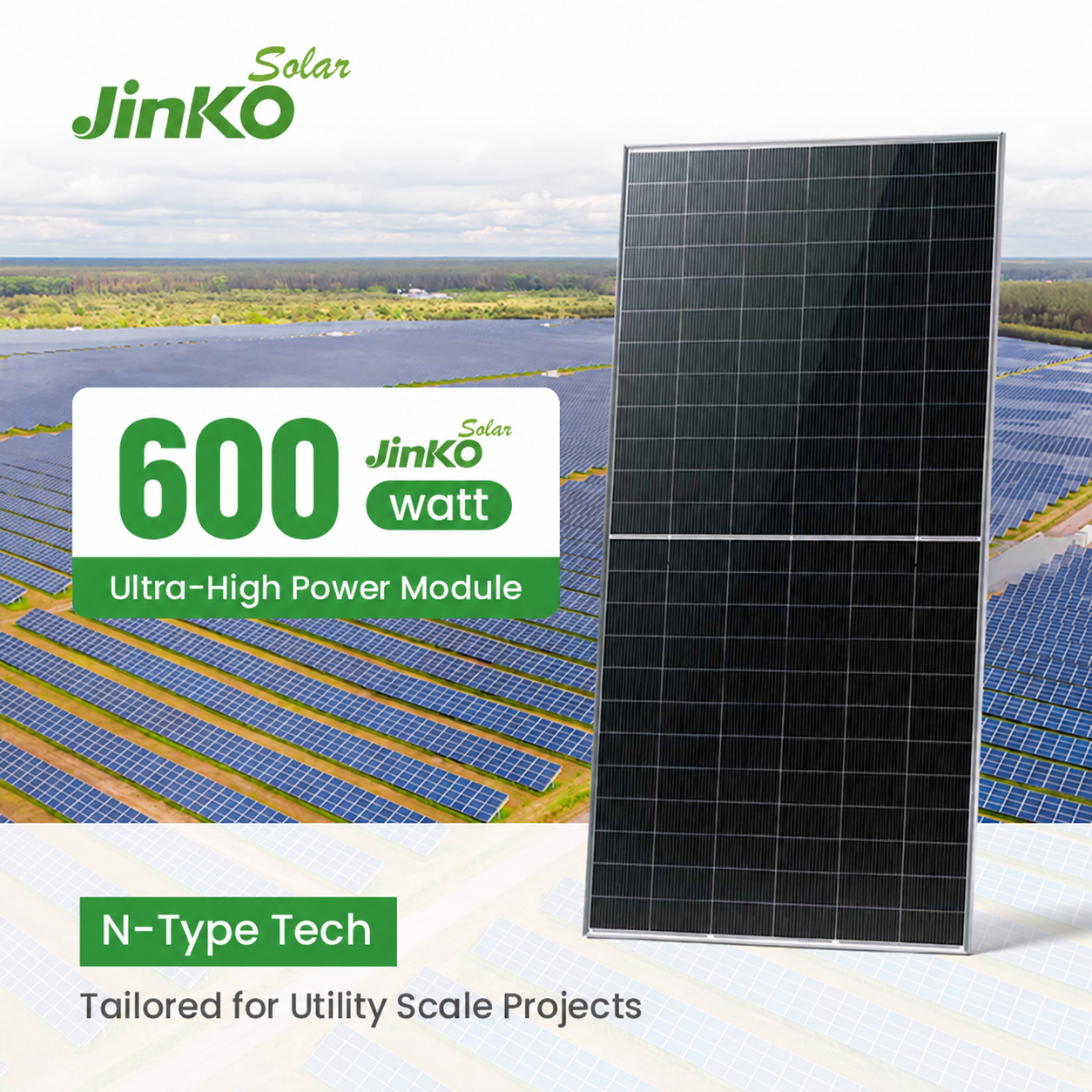
Jinko Dual Glass Photovoltaic Solar Panel 600W for Industrial Rooftops

Jinko N-Type Bifacial 585W 590W Monocrystalline PV Module for Home
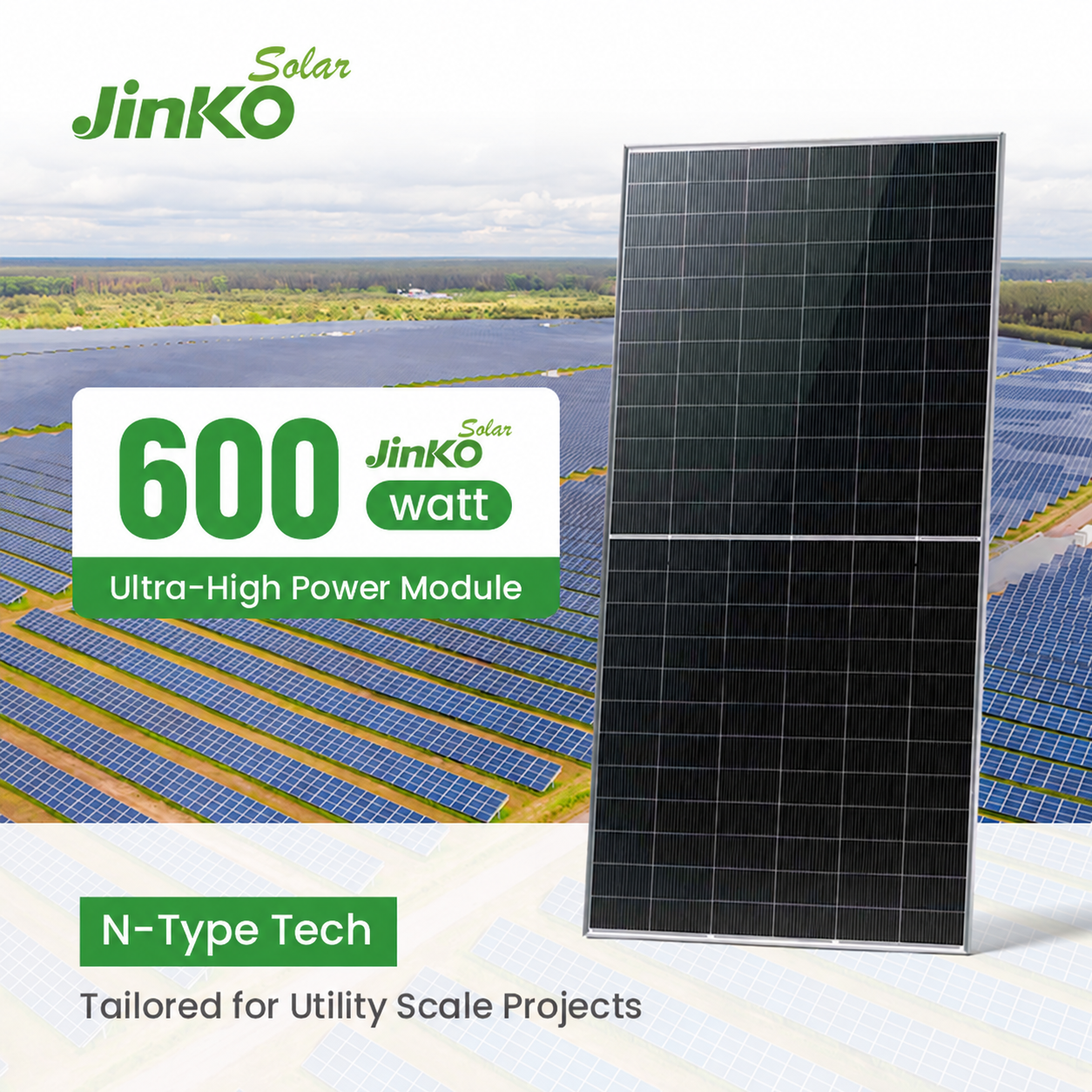
Jinko Bifacial 600W Monocrystalline Dual Glass High Output PV Panel
Engineering Solar Micro Inverters for Al Wakrah’s Coastal Desert Environment
The Municipality of Al Wakrah, situated along the southeastern shoreline of Qatar, experiences one of the world's most aggressive meteorological operational matrices for solar energy systems. The pairing of extreme summer ambient temperatures exceeding 48°C (with roof surface temperatures regularly eclipsing 75°C) and average relative humidity swings of up to 85% near the coastline demands specialized module-level power electronics (MLPE). Standard central and string inverters face rapid operational derating, catastrophic thermal throttling, and systemic single-point failures induced by extreme temperature gradients and localized salt deposition.
As dedicated OEM/ODM Solar Micro Inverter Manufacturers & Suppliers, Hangzhou VOLT New Energy delivers next-generation distributed inverter solutions specifically customized for GCC infrastructural standards. Unlike traditional string arrays where partial shading or localized soiling degrades the output of the entire DC branch, our module-level microinverters integrate autonomous static and dynamic MPPT (Maximum Power Point Tracking) algorithms on each channel. This structural configuration isolates power dissipation and enables up to a 25% system-level yield premium in Al Wakrah's particulate-heavy environment.
Our OEM/ODM manufacturing capability incorporates automotive-grade planar magnetics, wide bandgap Gallium Nitride (GaN) and Silicon Carbide (SiC) semiconductors, and full-vacuum dielectric potting. These innovations ensure our micro inverters achieve a flat thermal efficiency profile with zero derating up to 65°C ambient temperature. Complete galvanic isolation and continuous ground fault monitoring provide maximum compliance with Kahramaa (Qatar General Electricity and Water Corporation) electrical standards and NFPA safety frameworks.
Specification Matrix: Extreme-Climate OEM Micro Inverters
Technical benchmarks for our multi-channel micro-inverters configured for high-power N-Type TOPCon panels in high-temperature ambient zones:
| Performance Parameter | Dual-Input Micro Inverter (ODM) | Quad-Input Micro Inverter (OEM) | Standard Market Comparison |
|---|---|---|---|
| Recommended Input PV Power (per channel) | 400W – 670W+ (N-Type Compatible) | 450W – 700W+ (TOPCon Ready) | 300W – 450W (Outdated P-Type) |
| Max Input DC Current (Idc max) | 2 x 18A to 20A | 4 x 20A Peak | 12A – 14A (Thermal Derated) |
| Nominal Output Voltage / Grid Window | 230V Single-Phase (180V-275V) | 230V/400V Three-Phase Balanced | Fixed Narrow Window |
| Operating Ambient Temperature Range | -40°C to +65°C (Zero Derating) | -40°C to +65°C (Full Efficiency) | Derates significantly > 45°C |
| Enclosure Protection Class | IP67 NEMA 6 Hermetic Cast | IP67 Vacuum Silicone Potted | IP65 Ventilated Enclosure |
| Integrated Communication Protocol | Sub-1G RF / PLC / Wi-Fi Mesh | Sub-1G industrial / RS485 Modbus | Standard 2.4GHz Wi-Fi (Prone to dropouts) |
Localized Solar Architectures Across Al Wakrah
Engineered to adapt to distinct institutional, commercial, and coastal infrastructural demands in southern Qatar.
Luxury Coastal Residential Villas
Micro-inverters eliminate lethal high-voltage DC lines across rooftop structures, complying with rigid building safety codes in residential compounds. Autonomous MPPT optimizes yields despite complex parapet shadowing and high morning humidity fog.
Mesaieed & Hamad Port Logistics
Designed for industrial warehouse rooftops susceptible to heavy chemical particulates, saline mist, and hydrocarbon emissions. Hermetically sealed enclosures prevent salt-fog penetration, eliminating corrosion of power switching circuits.
Qatar National Vision 2030 Facilities
Turnkey smart-meter and BMS integration for municipal clinics, sports venues, and educational campuses. Modular expansion allows municipal facilities to scale PV systems organically without reconfiguring legacy electrical distribution boards.
Strategic Localization Trends: Solar Transformation in Al Wakrah
As Qatar accelerates its clean energy transition under Qatar National Vision 2030 and expands its renewable capacity following the landmark Al Kharsaah solar plant, decentralized solar generation is moving from niche installations to mainstream architectural integration. In Al Wakrah, urban planners and private developers are prioritizing distributed generation models over centralized megawatt farms for commercial and residential sectors due to grid decongestion benefits.
A primary driver is the shift toward ultra-high-power PV modules (exceeding 600W with cell currents upwards of 15A to 18A). Traditional string inverters suffer clipping losses when confronted with these high input currents. Forward-thinking contractors across Qatar are adopting OEM-customized multi-channel microinverters equipped with wide DC operating windows. Furthermore, integration with decentralized battery storage architectures (incorporating matched LiFePO4 chemistry) is rapidly gaining traction as property owners seek peak-load shaving to counter cooling energy surges during desert summer peaks.
VOLT New Energy Advantage for Global EPC Partners
Eliminating supply chain failure points through rigorous pre-shipment testing, matched compatibility, and global logistics execution.

100% Pre-Shipment QC
Every microinverter and module batch undergoes automated thermal burn-in, dielectric isolation screening, and full-load communication checks before release.

Pre-Verified System Pairing
We configure and verify CAN, RS485, and PLC communication protocols across inverters, BMS, and data gateways prior to shipment, ensuring plug-and-play installation.

Export-Grade DG Packaging
Consolidated container loads carrying Class 9 dangerous goods compliance (UN38.3, MSDS) alongside fragile double-glass PV panels direct to Port Hamad.

Direct Engineering Support
Comprehensive sizing simulations, AutoCAD single-line wiring diagrams, and localized technical parameter support provided by qualified renewable engineers.
Frequently Asked Questions by Solar Importers & EPCs
Direct answers covering Kahramaa compliance, thermal durability, and custom OEM/ODM micro-inverter logistics.