Export-Grade Inverters & Modules for Grenville & Regional Grids
Pre-engineered components tested for synchronization with tropical island weak grids, high ambient humidity, and maritime wind loads. Full compatibility guaranteed from PV input to utility net billing meters.
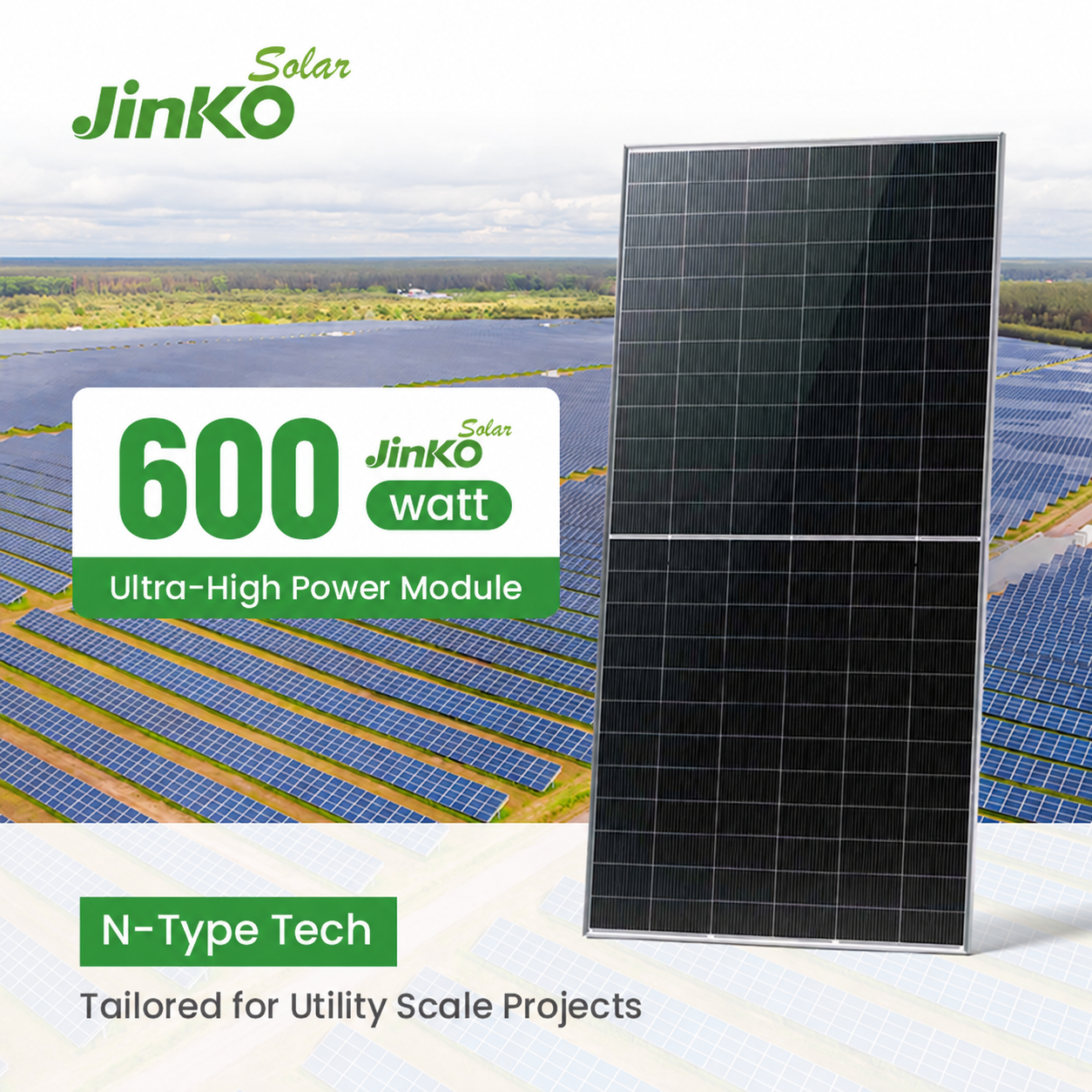
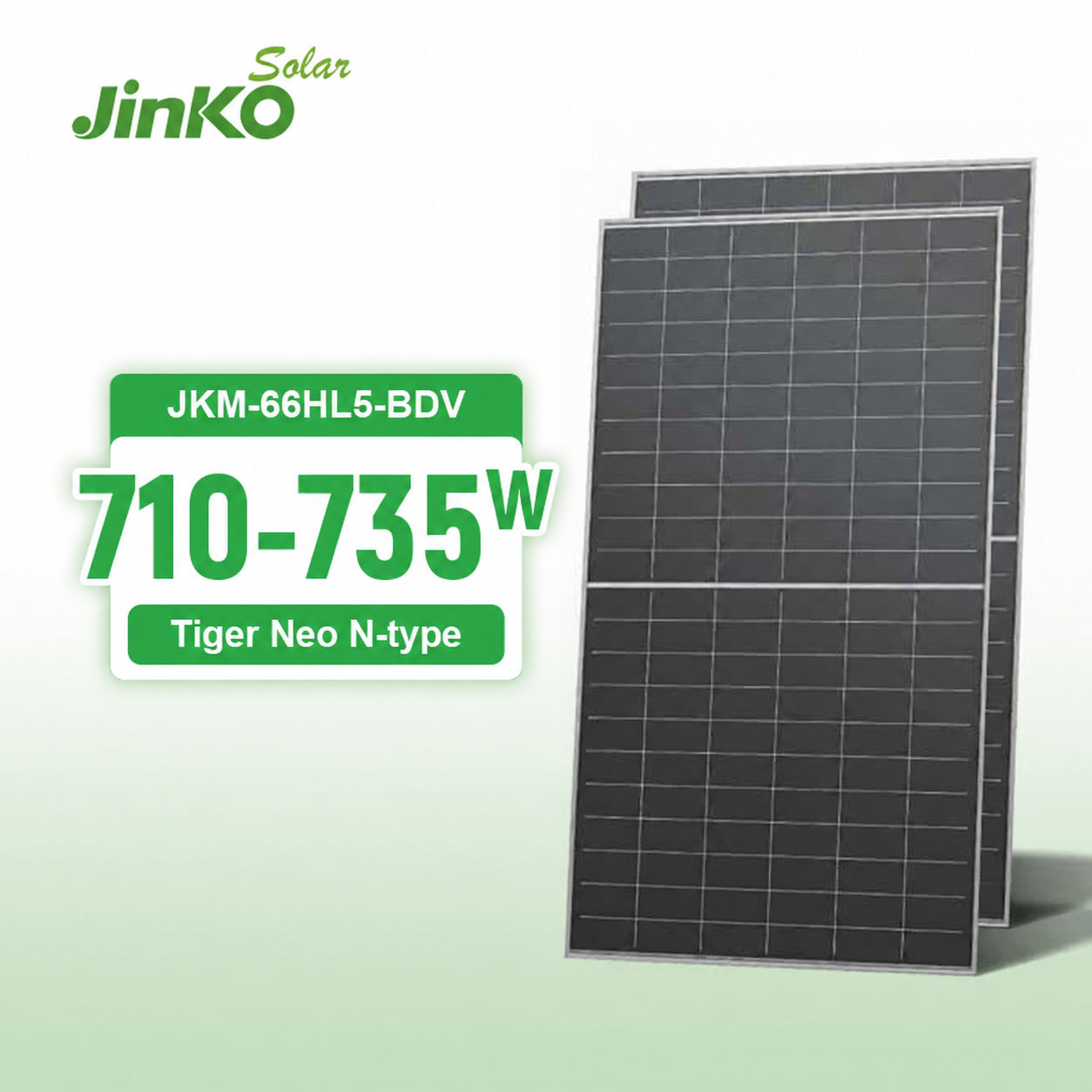
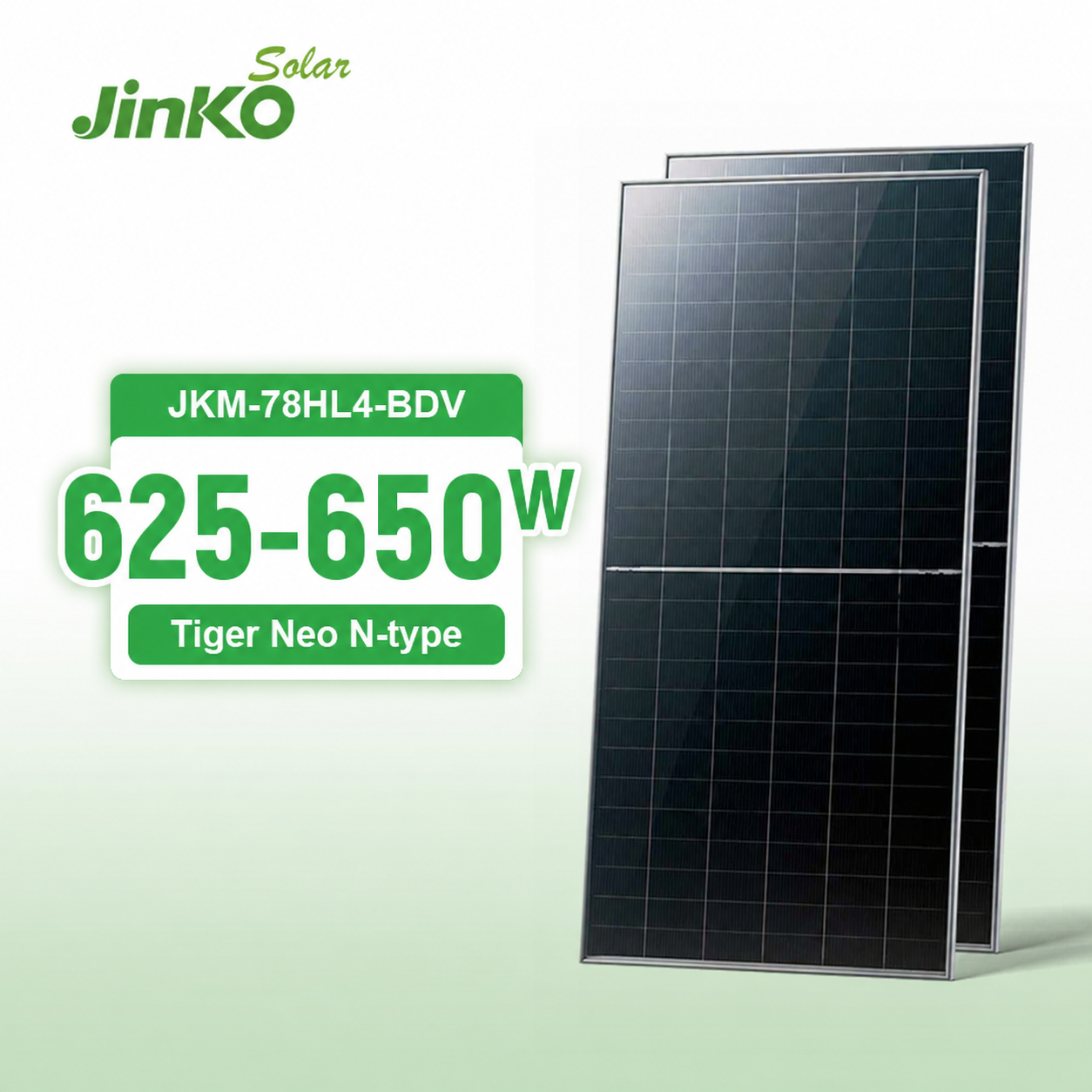
Jinko Bulk 630W 625W 640W TOPCon Bifacial Monocrystalline High Efficiency PV Panel in Stock
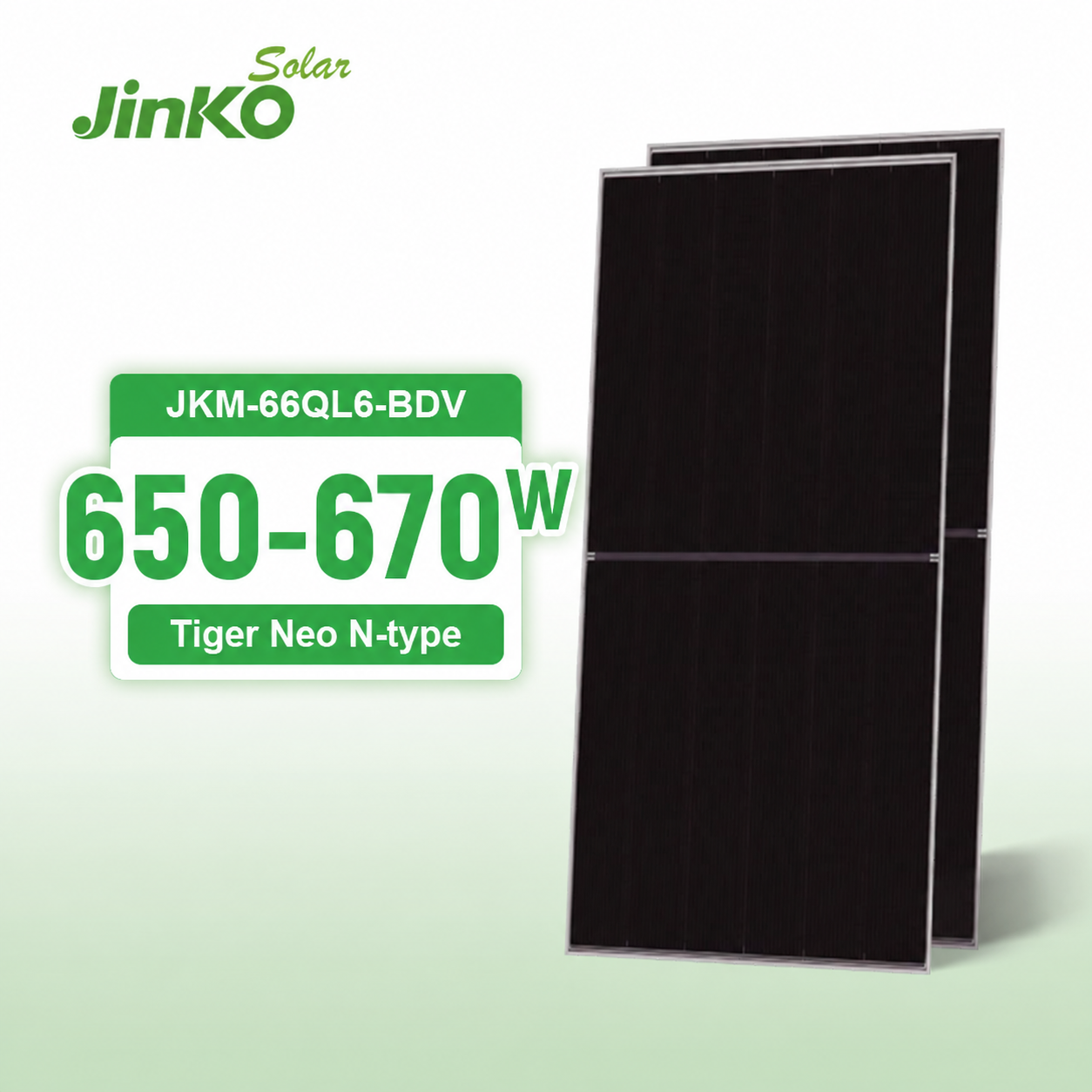
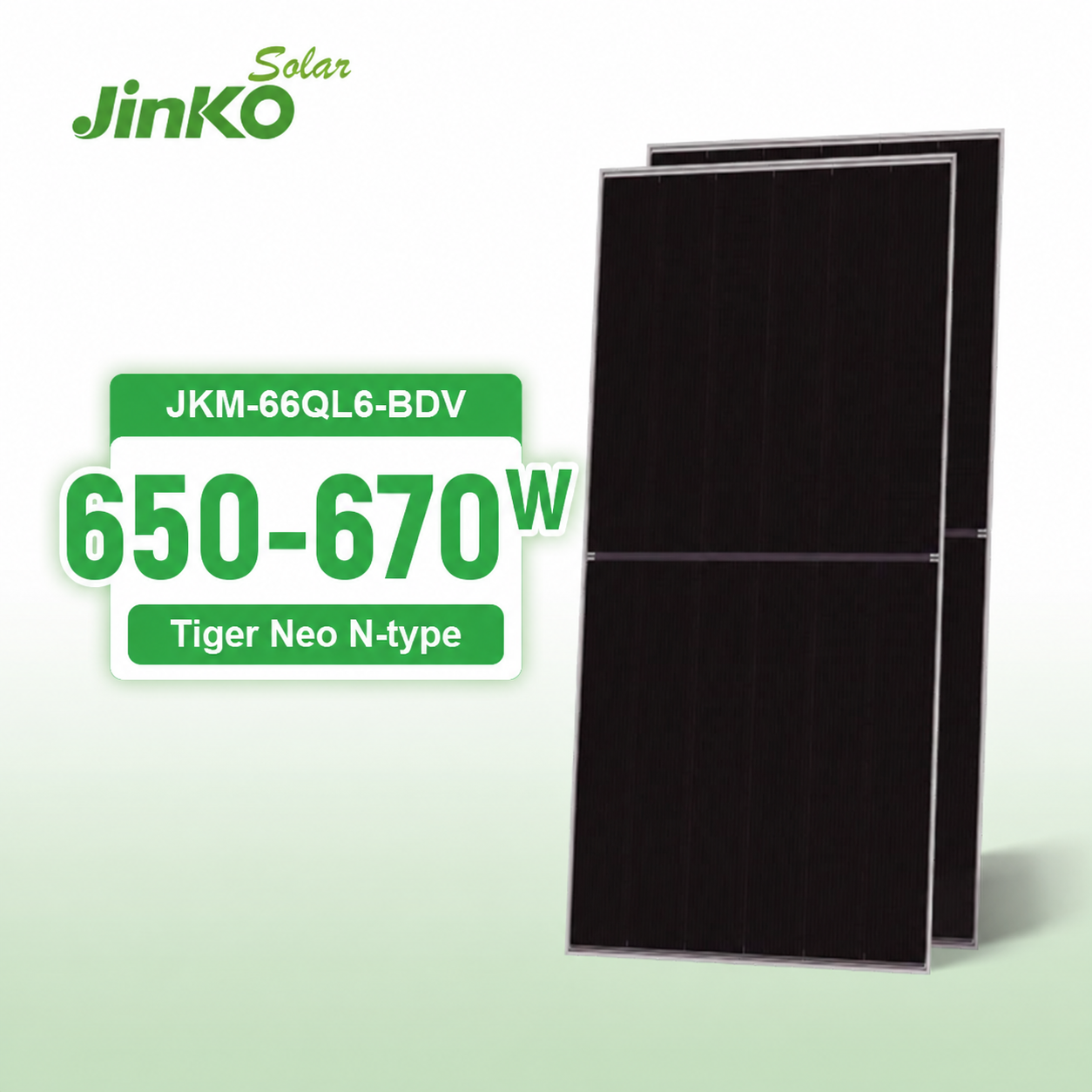
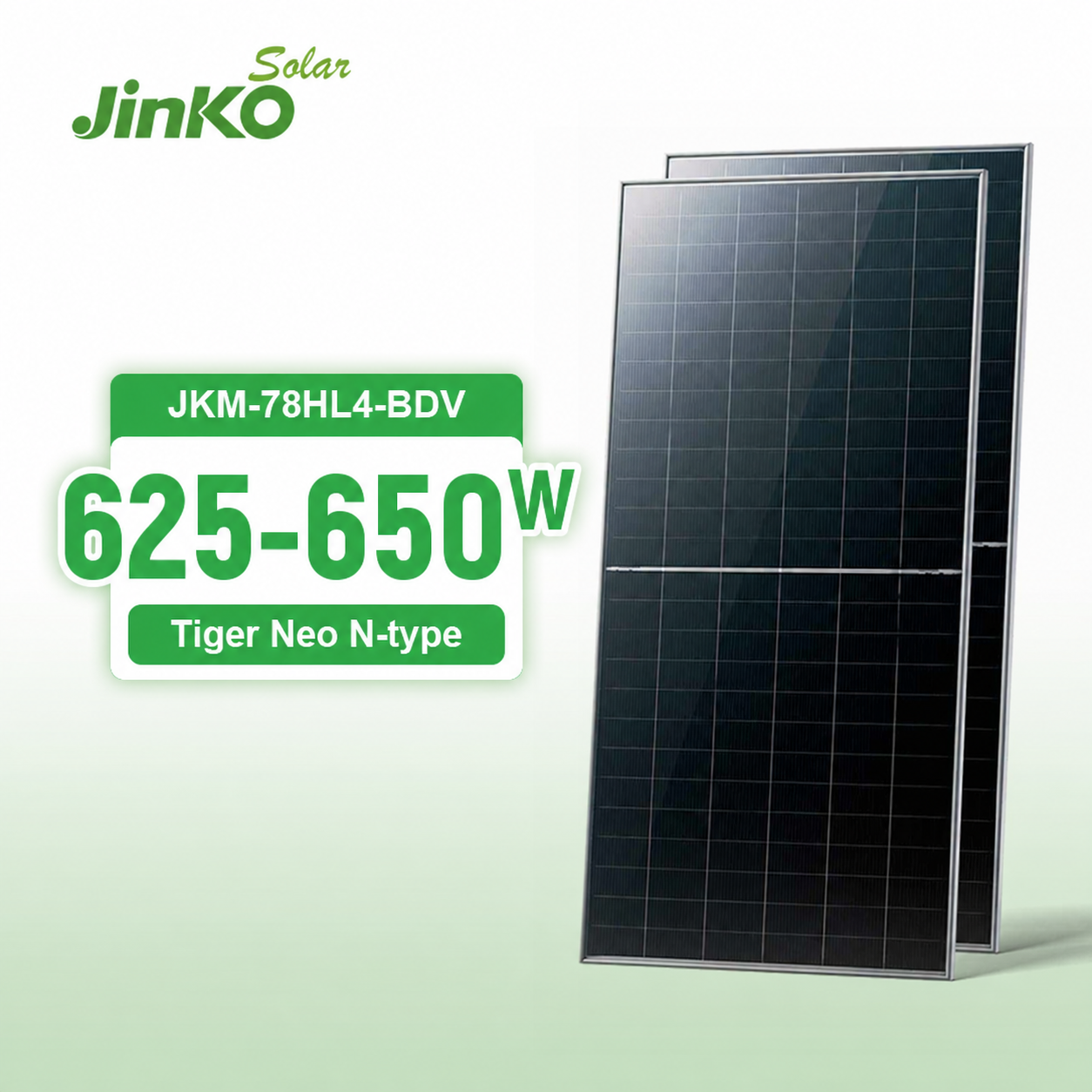
Jinko N Type Bifacial Solar Modules 650W 630W 640W Dual Glass Photovoltaic Panel for Industrial
Overcoming Grid-Tied Solar Interconnection Bottlenecks in Grenville, Grenada
A rigorous engineering appraisal of power quality, distribution infrastructure, and regulatory requirements across Saint Andrew Parish's commercial and agro-industrial sectors.
1. The Electrical Landscape of Grenville & Eastern Grenada
Grenville, the vibrant commercial capital of Saint Andrew Parish and the second-largest urban center in Grenada, represents a vital economic node dominated by agriculture processing, maritime logistics, fishing ports, retail supply centers, and regional public utilities. The power distribution architecture throughout Grenville operates under the technical purview of Grenada Electricity Services Ltd. (GRENLEC), characterized by a 230V single-phase / 400V three-phase 50Hz distribution network. Historically dependent on imported heavy fuel oil (HFO) and diesel generation, Grenville's commercial operators face some of the highest levelized cost of energy (LCOE) thresholds in the Caribbean basin, frequently fluctuating between $0.32 and $0.44 per kilowatt-hour (kWh).
Consequently, deploying on-grid photovoltaic systems in Grenville is no longer merely an environmental corporate governance gesture; it is an urgent economic imperative for operational longevity. However, exporting on-grid solar inverters into this coastal territory presents distinct engineering hurdles that generic, temperate-climate inverters fail to survive. High ambient humidity hovering above 80% year-round, constant airborne saline deposition from Atlantic trade winds blowing directly into Grenville Bay, and recurring distribution voltage sags demand inverters equipped with advanced voltage-frequency ride-through capabilities and robust IP65/IP66 enclosure sealing.
2. GRENLEC Grid Interconnection & Compliance Architecture
Interconnecting an on-grid inverter within Grenville requires strict compliance with GRENLEC’s Small Scale Renewable Energy Interconnection (SSREI) guidelines and regional CARILEC standards. Under GRENLEC's net billing policy, export-limiting protocols, anti-islanding protection (IEEE 1547 and UL 1741 SB), and power quality parameters (IEC 61000-3-15) must be verified prior to permission-to-operate (PTO). Inverters exported to Grenville must feature dynamic reactive power control (cos φ adjustable from 0.8 leading to 0.8 lagging) and active power curtailment to prevent local feeder overvoltage during midday periods of peak solar irradiance when commercial loads might fluctuate.
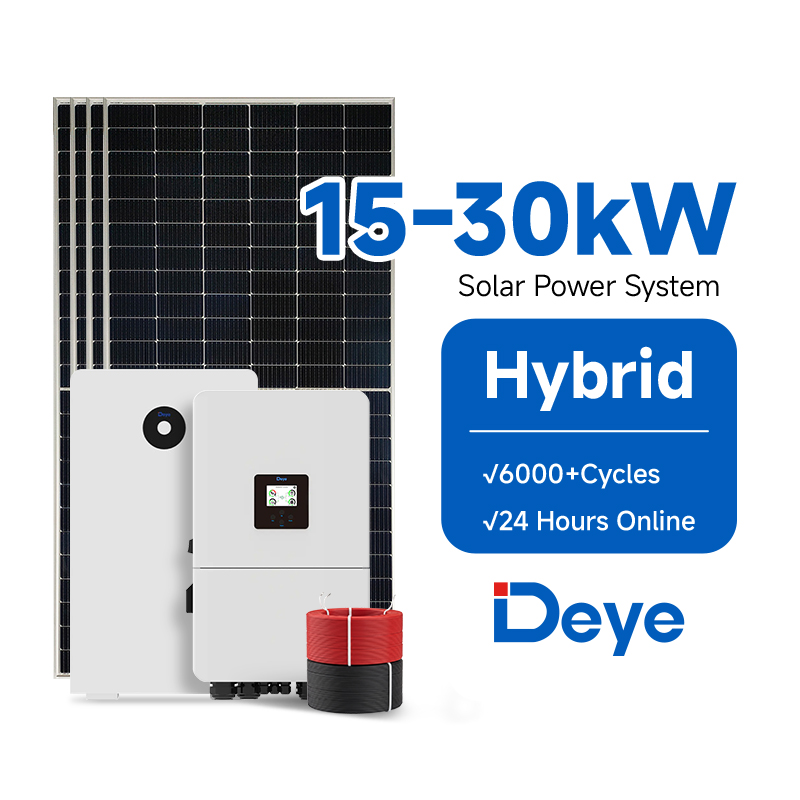
Hangzhou VOLT New Energy engineers every exported inverter system—whether leveraging string on-grid units or hybrid architectures like Deye low-voltage commercial series paired with Tier-1 Jinko N-Type TOPCon bifacial modules—with custom factory-flashed grid code firmware configured specifically for Grenada’s 50Hz nominal grid frequency, 230V/400V baseline, and custom over/under-voltage trip windows.
High-Impact Solar Applications Across the Grenville Regional Economy
Customizing inverter and balance-of-system (BOS) specifications to match the diverse physical and electrical environments of Saint Andrew Parish.
Nutmeg & Cocoa Processing Hubs
Grenville serves as the central receiving hub for the Grenada Cooperative Nutmeg Association (GCNA) and organic cocoa fermentaries. Solar inverters power industrial dryers, destoners, sorting conveyers, and climate-controlled curing rooms. Dual MPPT inputs accommodate expansive metal warehouse roofs with differing azimuths and roof pitches.
Harbor Front Cold Storage & Fisheries
Along the Grenville fish market and coastal cold chain facilities, continuous refrigeration of pelagic catch is mission critical. On-grid inverters with instantaneous zero-export metering feed three-phase chiller compressors during daylight hours, drastically offsetting expensive daytime GRENLEC peak commercial power brackets.
Commercial Wholesale & Retail Plazas
Victoria Street and Sendall Street retail centers feature substantial daylight lighting and air conditioning loads. On-grid rooftop systems configured with high-power bifacial panels maximize generation per square foot, providing immediate bill reduction and high internal rate of return (IRR) within 3.2 to 4.5 operational years.
Technical Benchmark: On-Grid Inverter Configurations for Grenville Conditions
A rigorous side-by-side performance comparison of commercial string inverters versus AC-coupled hybrid storage solutions in tropical maritime deployments.
| Evaluation Parameter | Standard Utility-Tied String Inverter | Commercial Hybrid Storage Inverter (Deye) | Microinverter Decentralized Array |
|---|---|---|---|
| Nominal AC Voltage / Freq | 230V / 400V 3P+N+PE, 50Hz | 230V / 400V (Wide Range 180V-270V), 50Hz | 230V Single-Phase 50Hz Branch |
| MPPT Voltage Range | 200V - 1000V (Dual/Quad Trackers) | 150V - 850V (Built-in Low Voltage Battery Port) | 22V - 60V per Module Pair |
| Maritime Corrosion Protection | Standard Anodized / C3 Coating | C5-M Salt Spray Resistant, IP65 Sealing | IP67 Enclosure Sealed |
| Anti-Islanding Disconnect | UL 1741 SB / IEEE 1547 (<20ms) | Certified Integrated Anti-Islanding + UPS Mode | Integrated Hardware Relays |
| Grid Blackout Behavior | Mandatory Full Shutdown (Zero Power) | Seamless Microgrid Islanding (<4ms UPS) | Mandatory Full Shutdown |
| GRENLEC Interconnection Suitability | Approved Net-Billing | Optimal Multi-Tariff ESS | Approved (High Labor Complexity) |
| Levelized Energy Cost (LCOE) | Lowest ($0.052 / kWh base) | Medium ($0.081 / kWh with LFP ESS) | Higher ($0.098 / kWh) |
Why International EPCs & Grenville Buyers Partner with VOLT New Energy
Headquartered in Hangzhou, Zhejiang, Hangzhou VOLT New Energy Technology Co., Ltd. eliminates procurement risks by offering matched, tested, and certified clean energy equipment direct from manufacturing facilities.
Pre-Shipment Protocol Verification
We eliminate "BMS/Inverter Communication Faults" prior to container sealing. Every system is pre-tested across CAN and RS485 communication registers, ensuring seamless handshakes between Deye inverters and lithium storage banks upon arrival in Saint Andrew.
Consolidated Mixed-Load Logistics
Importing into St. George's Port for transit to Grenville requires optimal container cube utilization. We consolidate Tier-1 Jinko bifacial modules, matching inverters, marine-grade aluminum mounting, and Class 9 dangerous goods (UN38.3/MSDS certified) in unified containers.
Severe Tropical Weather Hardening
All on-grid inverters and mounting solutions exported to Grenville are engineered to withstand Wind Zone IV (up to 160 mph / 257 km/h hurricane gusts). Double-glass N-Type Jinko modules offer high mechanical load ratings (5400 Pa front / 2400 Pa rear).
Full Interconnection Clearance Pack
We supply complete engineering dossiers: single-line diagrams (SLD), factory test certificates (IEC 62109, IEC 61727, IEC 62116), datasheet matrices, and export declaration packs essential for swift Grenada Customs and GRENLEC approval.
Emerging Trends Shaping the Grenville Solar Sector
Strategic movements within the Eastern Caribbean clean power paradigm toward resilience, energy autonomy, and smart load synchronization.
Grid-Tied with Backup (Hybridization)
Pure grid-tied inverters are rapidly being superseded by grid-interactive hybrid systems. When grid blackouts occur due to storm damage or feeder tripping along the Eastern Main Road, islanding-capable hybrid inverters instantly isolate and supply critical loads from battery reserves without losing solar harvest.
Transition to N-Type TOPCon Double Glass
Standard P-type PERC panels suffer substantial degradation under Grenville’s elevated year-round heat and high solar radiation (5.5 - 6.2 PSH). Installers now demand N-Type TOPCon double-glass modules with superior temperature coefficients (-0.30%/°C) and zero light-induced degradation (LID).
Smart Export Limiting & Zero Feeding
Where local substation transformers have reached capacity limits for reverse power flow, GRENLEC mandates zero-export functionality. Contemporary inverters feature integrated split-core current transformers (CTs) capable of throttling inverter generation in sub-second increments to match instantaneous local demand.
Step-by-Step Procurement Roadmap for Grenville Solar Projects
A proven engineering framework ensuring complete electrical compatibility, import clearance, and rapid return on capital.
Load Profile Audit
Evaluation of 15-minute interval data from Grenville facilities to pinpoint daytime baseline consumption, inductive motor loads, and peak kW demands.
String & MPPT Design
Matching Jinko bifacial strings to inverter DC inputs, accounting for ambient 35°C cell operating temperatures to prevent DC voltage clipping.
Factory Acceptance Testing
Comprehensive pre-shipment bench testing in Hangzhou: insulation resistance, full load burn-in, firmware flashing for 50Hz grid code compliance.
Port Clearance & Commissioning
CIF/FOB dispatch to St. George's with all customs documentation, followed by remote engineer support during initial GRENLEC interconnection.
Frequently Asked Questions by Grenville Solar Buyers
Detailed technical, regulatory, and logistics answers addressing real-world concerns of electrical contractors, facility engineers, and renewable investors in Grenada.
Are your on-grid solar inverters compliant with GRENLEC’s interconnection standards?
How do these inverters and panels survive the high salt-mist environment of Grenville Bay?
Can an on-grid inverter keep my business running when the central utility grid goes down?
What documentation do you provide for Grenada Customs and import duty exemption?
How does Hangzhou VOLT New Energy ensure battery and inverter compatibility?
Can these systems be monitored remotely if our engineering team is off-site?
Power Your Grenville Project with World-Class Inverter Technology
Whether you require full container loads of Tier-1 Jinko bifacial panels, matched commercial on-grid inverters, or turnkey hybrid ESS systems with GRENLEC interconnection compliance packs, our engineering export team is standing by.