High-Efficiency Generation Paired with Rack-Mounted LFP Cells
To achieve seamless energy resilience under Isfahan's high solar irradiance and rigorous industrial load profiles, our rack-mount Lithium Iron Phosphate (LiFePO4) storage banks integrate directly with high-output N-Type TOPCon bifacial modules for optimal levelized cost of energy (LCOE).
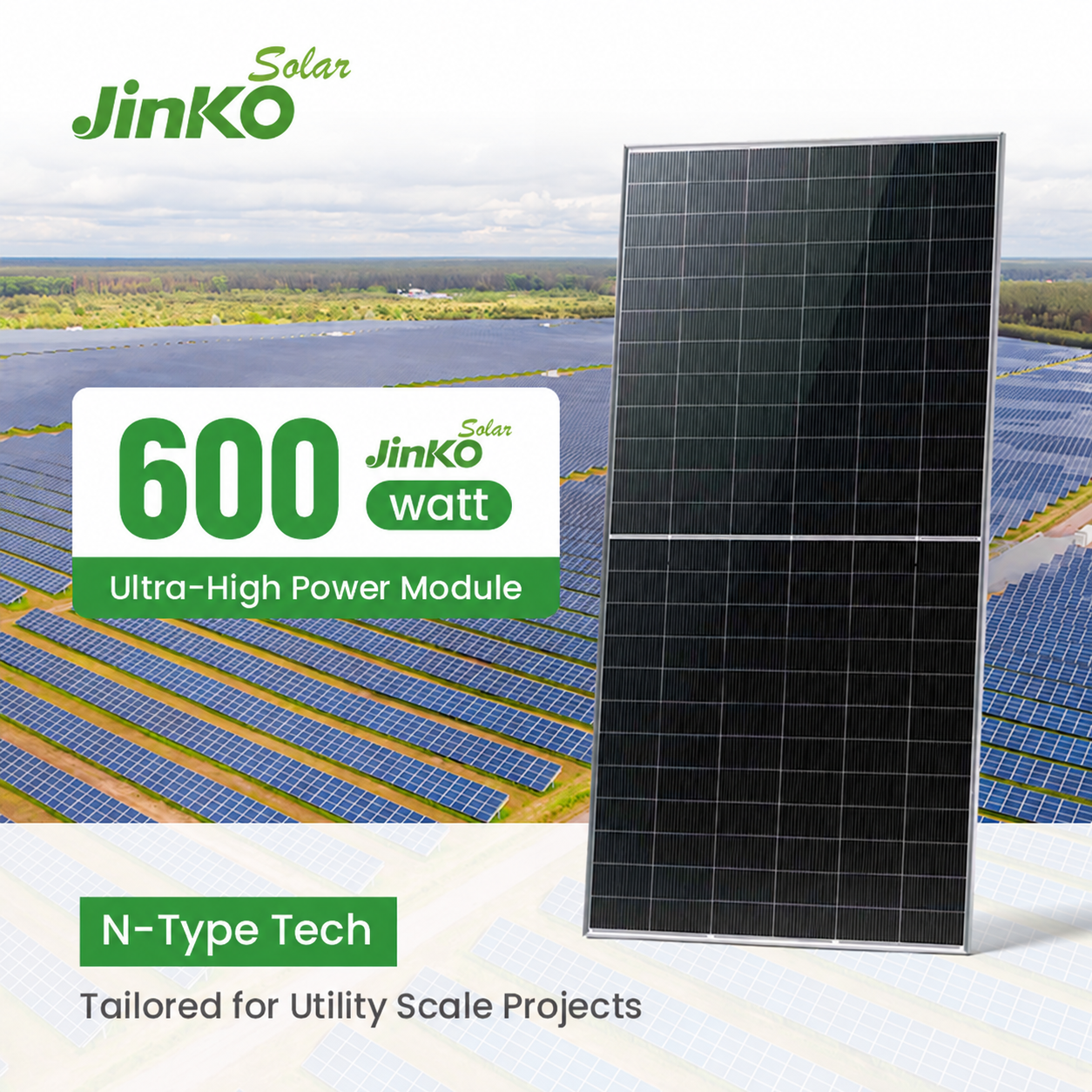
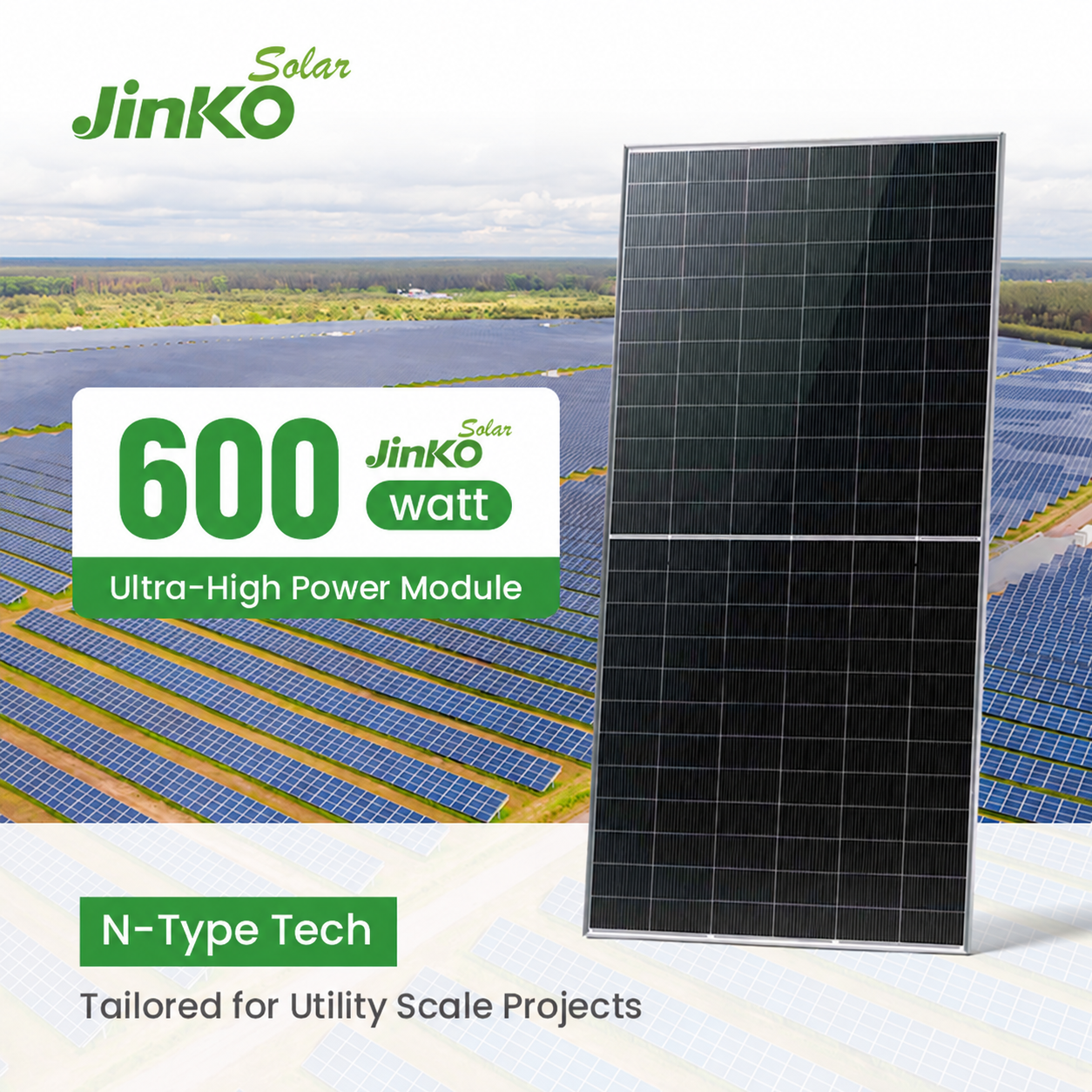
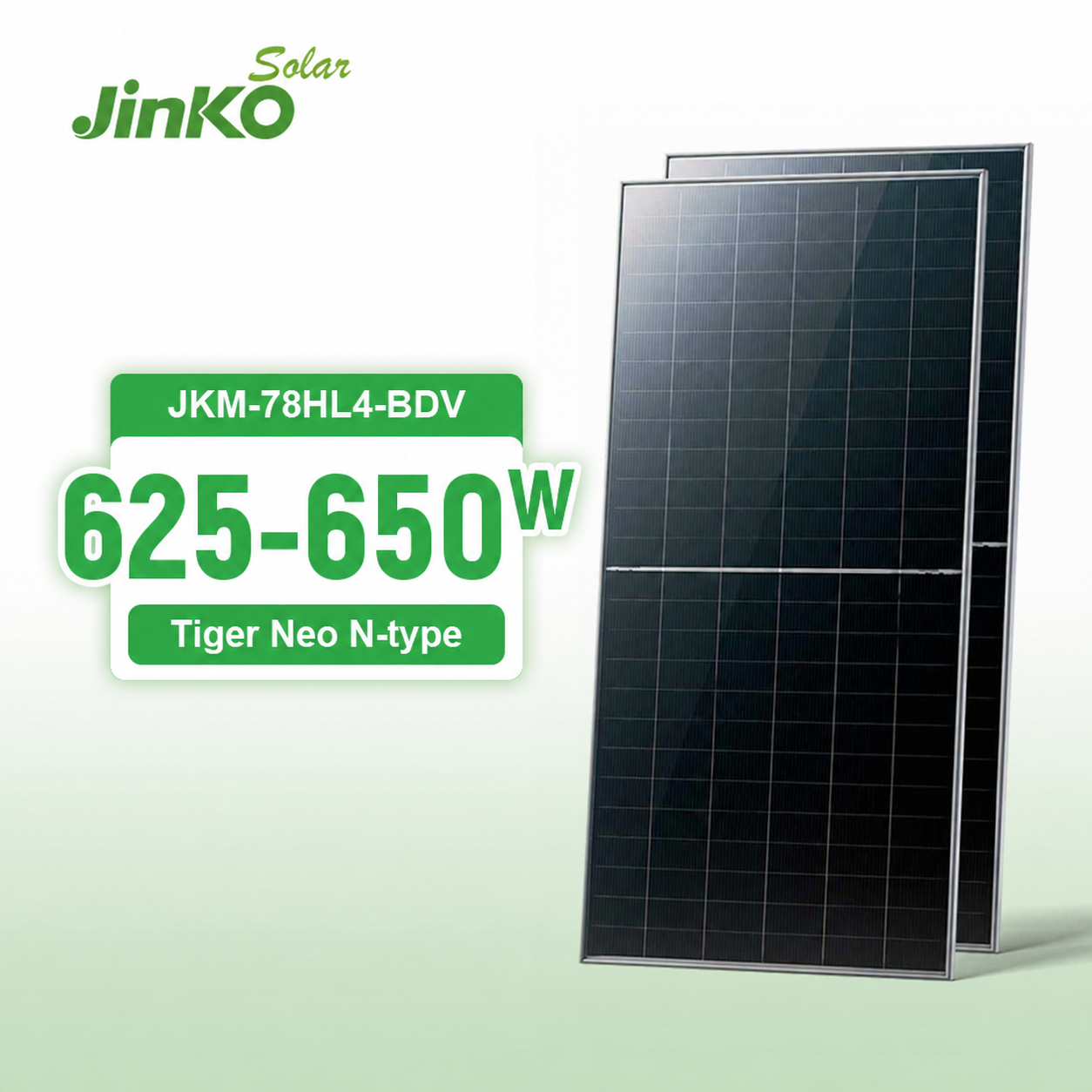
Jinko N Type Solar Panels 625W 640W 635W Bifacial Monocrystalline Module
Explore Specs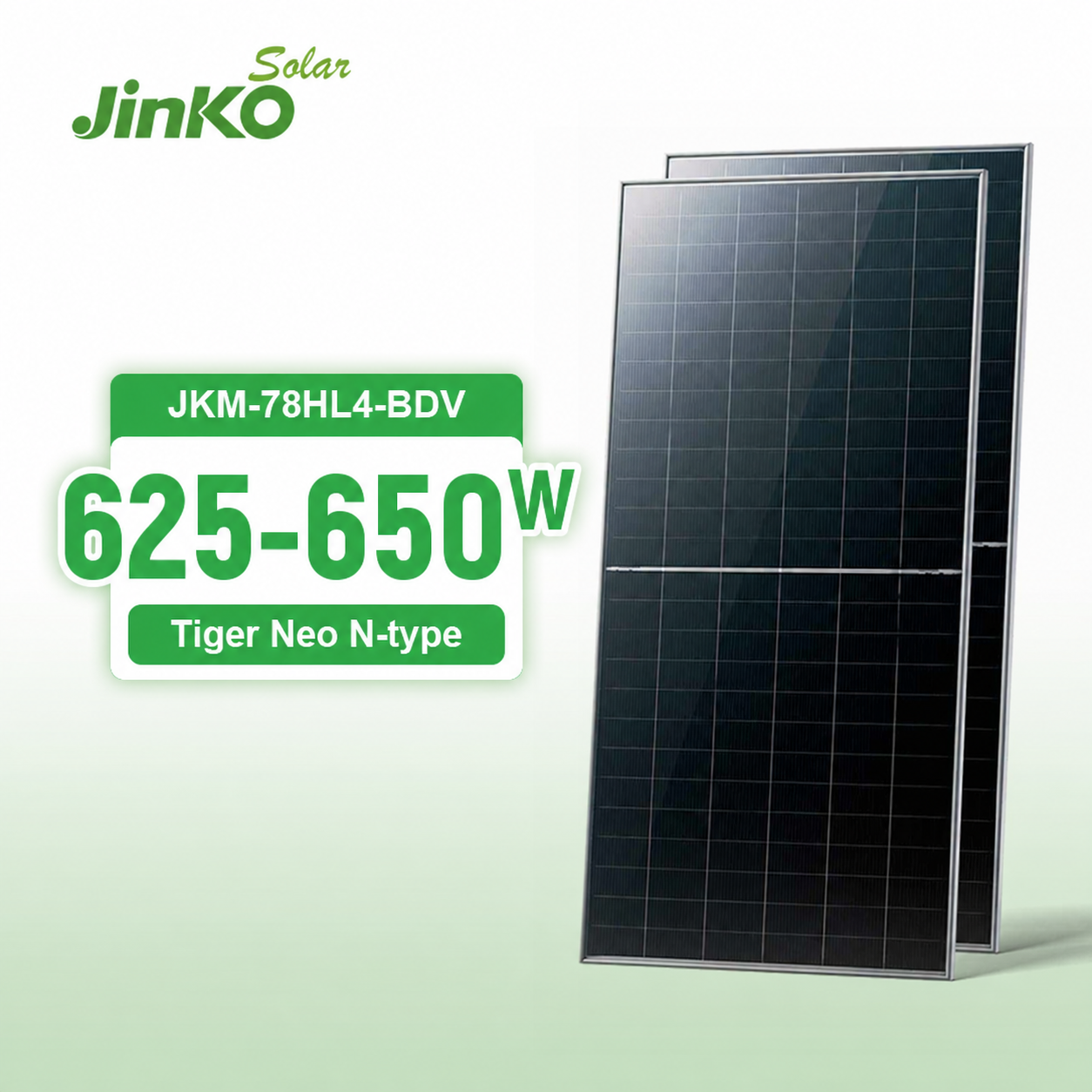
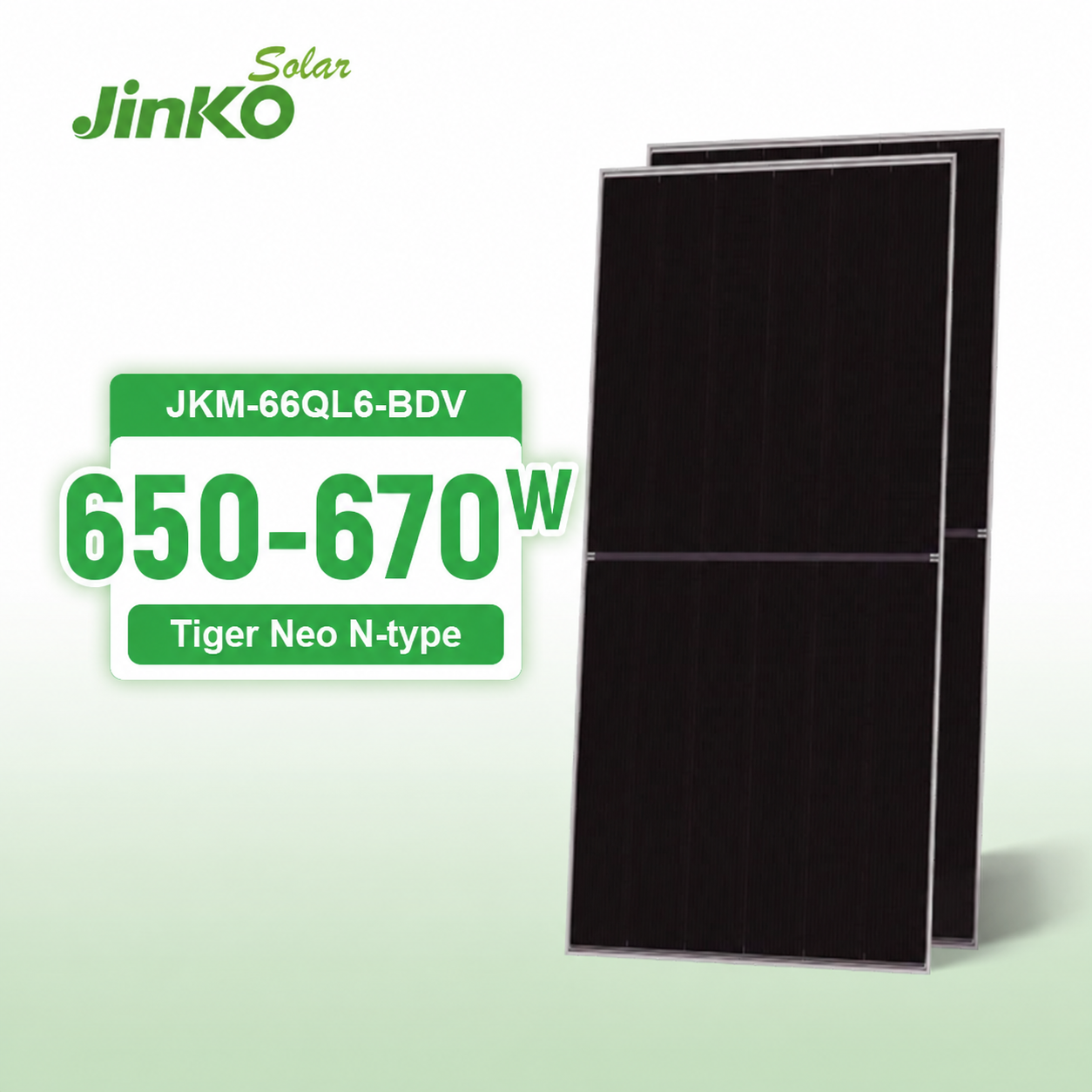
Jinko N Type Bifacial PV Modules 650W 670W Double Glass Solar Panel
Explore Specs
Jinko Wholesale PV Modules 650W 670W Bifacial N-Type Farm Solar Panel
Explore Specs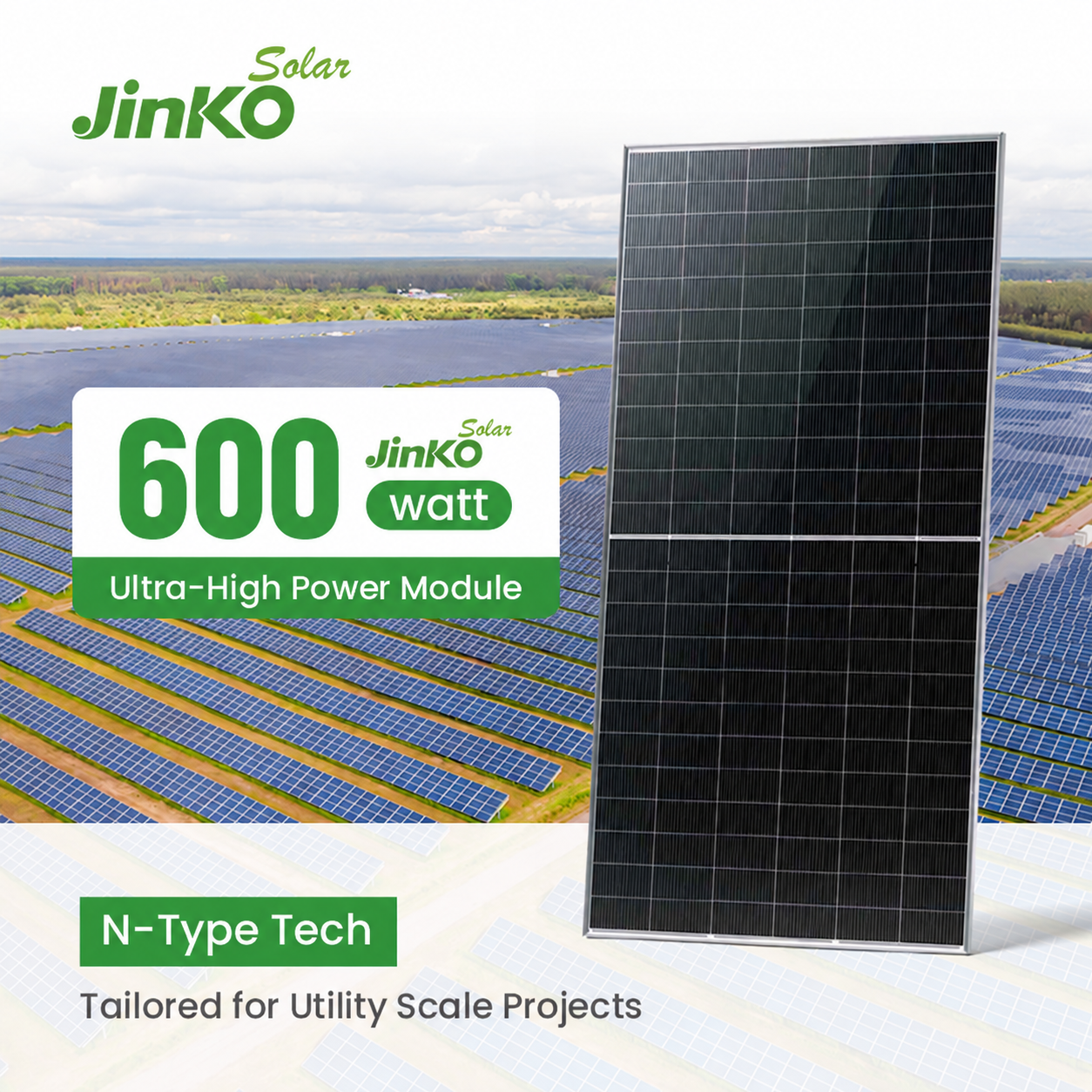
Jinko N Type Bifacial Solar Panels 585W 590W TOPCon Monocrystalline Module
Explore SpecsRack-Mount LiFePO4 Battery Design for Extreme Thermal & High-Cycling Industrial Loads
Deploying energy storage in the Iranian central plateau—specifically across the Isfahan industrial belt stretching from Mobarakeh to Najafabad and Mahmudabad—demands an architecture that transcends standard commercial lithium packs. Ambient summer temperatures regularly exceed 42°C in factory halls, creating severe thermal stress that quickly destroys inferior lead-acid and unmanaged lithium chemistries.
Our standard 19-inch rack-mount Lithium Iron Phosphate (LiFePO4 / LFP) modules are engineered with automotive-grade prismatic cells (A-Grade 3.2V chemistry), integrated with industrial CANbus and RS485 intelligent Battery Management Systems (BMS). Unlike generic energy storage bricks, our rack enclosures feature precision front-to-back laminar airflow ventilation paths, nickel-plated copper busbars rated for continuous 1C/1C charge-discharge cycles, and multi-tiered hardware galvanic isolation.
| Parameter | Low-Voltage (LV) 48V/51.2V | High-Voltage (HV) Commercial Rack |
|---|---|---|
| Cell Configuration | 16S1P Prismatic 100Ah / 200Ah | 120S1P - 240S1P (384V - 768V) |
| Nominal Capacity | 5.12 kWh / 10.24 kWh per 3U/4U | 50 kWh to 500 kWh per standard cabinet |
| Operating Ambient | -10°C to +55°C (Built-in Derating) | -20°C to +55°C (Active Liquid/Forced Air) |
| Communication Protocols | Deye, Victron, Sunsynk, Growatt, SMA | Industrial SCADA, Modbus TCP, Deye HV |
| Fire Suppression | Aerosol Micro-Capsule Optional | Integrated Per-Cabinet Aerosol System |
Tailored Application Scenarios Across Isfahan Province
As Iran's preeminent manufacturing hub, Isfahan faces a severe operational contradiction: massive solar irradiance (over 3,200 hours of sunlight annually) juxtaposed with chronic summer grid load shedding and industrial gas rationing in winter.
Mobarakeh & Industrial Metal Smelting Peak Shaving
Heavy metallurgical plants in the Mobarakeh and Razi industrial zones suffer immense commercial penalties from unscheduled midday power interruptions. Our high-voltage rack-mount LiFePO4 battery enclosures interface directly with multi-megawatt Deye and centralized hybrid PCS units to absorb solar energy generated by rooftop N-Type arrays, supplying continuous power to furnace control circuits, cranes, and critical induction equipment.
Textile & Polyacrylic Automated Looms in Mahmudabad
Isfahan's historic and modern textile mills utilize micro-sensitive PLC automated weaving machinery. Sudden millisecond voltage sags (brownouts) cause warp thread breakage, requiring hours of manual loom re-threading and thousands of dollars in ruined fabric. 48V rack-mount LFP batteries combined with zero-transfer-time hybrid inverters provide unyielding DC-bus stability, completely buffering the factories against voltage fluctuations.
Zayandeh Rud Basin Deep Well Solar Pumping
With acute agricultural water scarcity in the eastern plains of Isfahan (Varzaneh and Gavkhouni borders), agricultural cooperatives are converting diesel pumps to solar VFD pumps. Rack-mount LFP systems store surplus afternoon solar generation, allowing farmers to run variable frequency drive submersible pumps during night shifts when evaporation rates are lowest and pump efficiency is maximized.
Macro Trends Driving Lithium Storage Adoption in Isfahan (2025–2030)
Regulatory enforcement, changing fuel subsidies, and technological parity are accelerating the definitive transition from obsolete VRLA/GEL batteries to modular 19-inch LiFePO4 server racks.
SATBA Mandates for Industrial Solar Quotas
Iran's Renewable Energy and Energy Efficiency Organization (SATBA) now requires industrial consumers consuming over 1 MW to procure at least 5% of their total energy from renewables or face punitively high tariff penalties. Rack-mounted BESS installations allow EPC contractors to prove compliance without occupying excessive manufacturing floor space.
Total Phase-Out of Lead-Acid in Data Centers
Isfahan’s telecommunication hubs (MCI, Irancell, Rightel) and provincial banking server rooms are executing a wholesale replacement of lead-acid banks with 48V 100Ah/200Ah rack units due to rack footprint reductions of 70% and a 4x lifespan increase in non-air-conditioned shelters.
Escalating Summer Peak Tariffs (Tarh-e Ouj-e Bargh)
Electricity supply during summer peak hours (13:00 to 18:00) is priced exponentially higher by Isfahan Electricity Distribution Company (IEDC). Industrial users leverage automated time-of-use (TOU) programming inside Deye hybrid inverters to discharge rack batteries during peak hours and recharge via solar or off-peak night grid power.
Modular Expansion Culture in Project Financing
Due to FX currency variations and budgetary milestones, Iranian project owners reject monolithic battery systems. The 19-inch rack-mount standard allows Isfahan engineering teams to begin with a 15 kWh core (3 modules) and scale parallel capacity up to 160 kWh as project revenues mature.
Engineering Trade-Offs: Rack Mount LiFePO4 vs. Traditional Chemistries
Data-backed performance verification highlighting why Isfahan solar EPCs and system integrators have abandoned GEL/OPzV technologies for rack-mount LFP enclosures.
| Evaluation Metric | Industrial Rack-Mount LiFePO4 | Deep Cycle GEL (Colloidal) | Traditional Flooded OPzS / VRLA |
|---|---|---|---|
| Cycle Life (80% DoD @ 25°C) | 6,000 - 8,000 Cycles | 1,200 - 1,800 Cycles | 800 - 1,500 Cycles |
| Thermal Degradation @ 40°C | < 3% Annual Derating | 40% Lifespan Halving | 50% Lifespan Loss (Severe Sulfation) |
| Usable Depth of Discharge (DoD) | 90% - 95% | 50% Recommended | 50% Recommended |
| Rack Volume Density (Wh/L) | 180 - 220 Wh/L (Standard 19" 3U) | 60 - 80 Wh/L (Heavy Footprint) | 50 - 70 Wh/L (Requires Dedicated Room) |
| BMS Communications | Native CAN / RS485 Closed-Loop | None (Open-Loop Voltage Float) | None (Requires Manual Hydrometer Tests) |
| Round-Trip Efficiency (RTE) | 96% - 98% | 82% - 85% | 75% - 80% |
Why International EPCs & Middle East Distributors Choose Our Supply Chain
Operating with strict adherence to tier-1 manufacturing protocols, our Hangzhou export facilities solve the persistent failure points that plague imported lithium batteries in remote and desert climates.

Pre-Shipment Inverter Protocol Matching
Every single rack-mount BMS firmware profile is pre-flashed, calibrated, and hardware-verified against target inverters (Deye, Sunsynk, Growatt, Victron) via CAN 2.0B / RS485 communication before crating, eliminating field communication timeout errors.

A-Grade Cell Traceability & Testing
We utilize pristine, brand-new prismatic LiFePO4 cells from Tier-1 manufacturers. Every cell is individually tested for internal impedance (AC IR < 0.3mΩ), laser-welded with reinforced flexible busbars, and subjected to a 72-hour burn-in cycling regimen.

Class 9 Dangerous Goods Compliance
We provide full export clearance packages including certified UN38.3 vibration/shock testing reports, MSDS, Sea Freight Inspection Certificates, and heavy reinforced UN-rated plywood crates specifically compliant for Middle East maritime corridors.
Turnkey PV + BESS Engineering Support
From string sizing diagrams for Jinko N-Type modules to DC combiner breaker selection and battery fuse ratings, our application engineers supply complete multi-line electrical schematics and remote commissioning assistance in English.
Frequently Asked Questions: Sourcing Rack LiFePO4 in Isfahan
Direct answers to technical, commercial, logistics, and compliance inquiries formulated by Iranian solar project developers, industrial plant engineers, and electrical distributors.
Which solar inverters in the Iranian market communicate natively with your rack-mount BMS?
How do your rack batteries perform under Isfahan's extreme summer ambient temperatures (+45°C)?
Can we parallel multiple 48V rack modules to reach 100 kWh or higher for factory backup?
What is the international logistics procedure and shipping route to Isfahan?
How do you support project sizing when pairing with high-wattage N-Type solar panels?
Design Your Custom Industrial Rack-Mount LiFePO4 Storage System
Whether you require low-voltage 48V server-rack modules for a telecom shelter in Najafabad, or high-voltage multi-cabinet energy storage for a steel processing facility in Mobarakeh, our engineering team is ready to deliver complete schematics, protocol compatibility verifications, and competitive direct-factory export pricing.