Engineered Solar Generation & Battery Storage Deployments
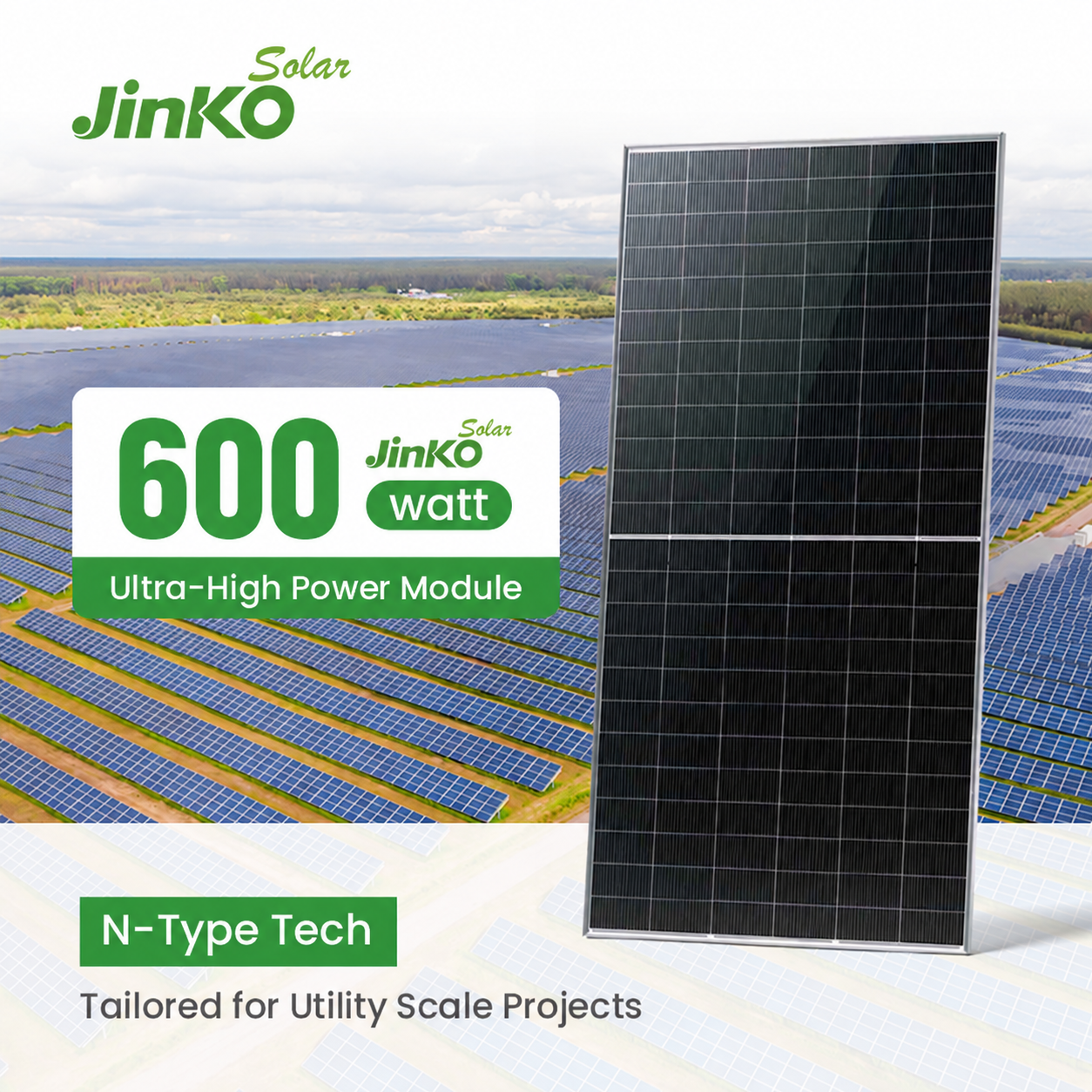
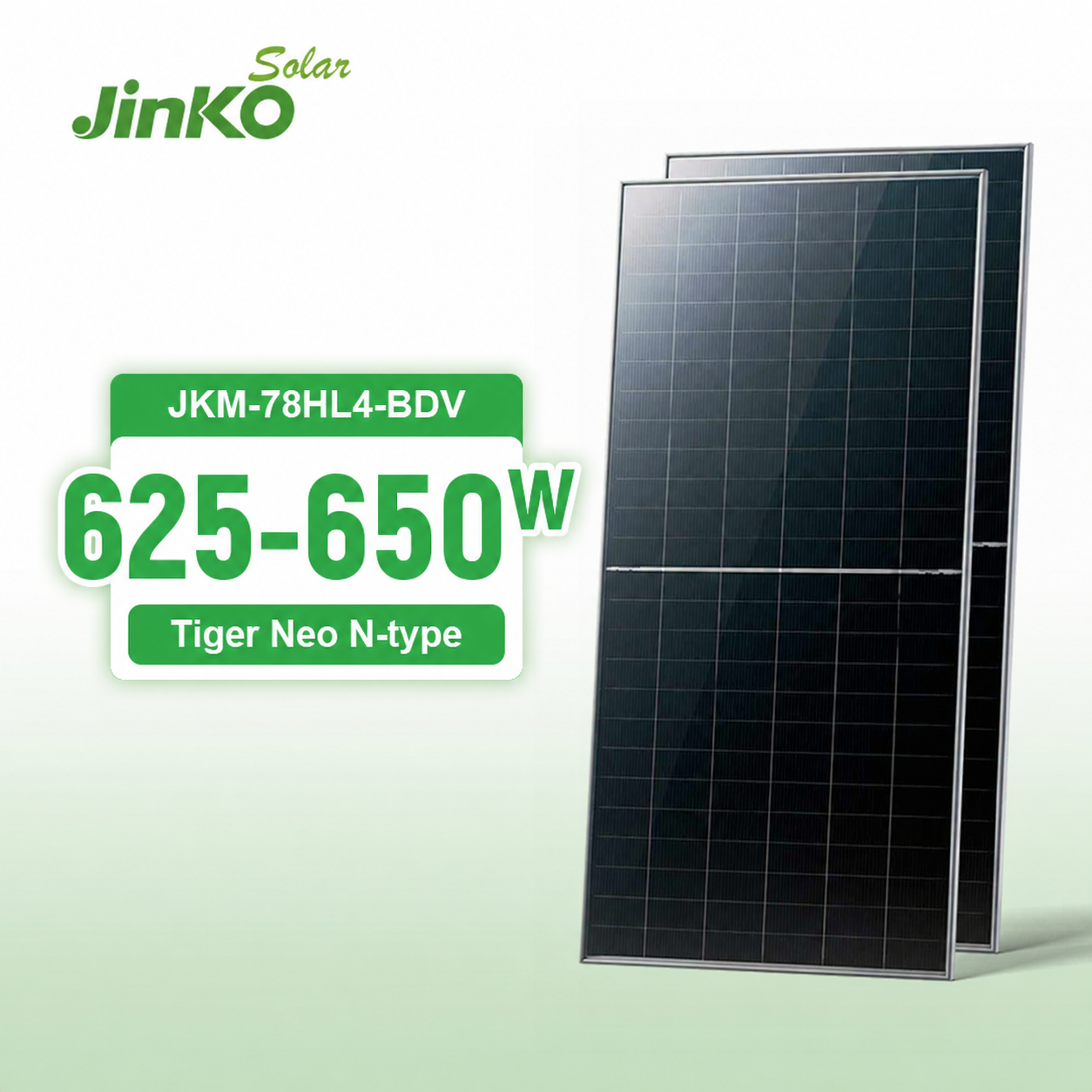
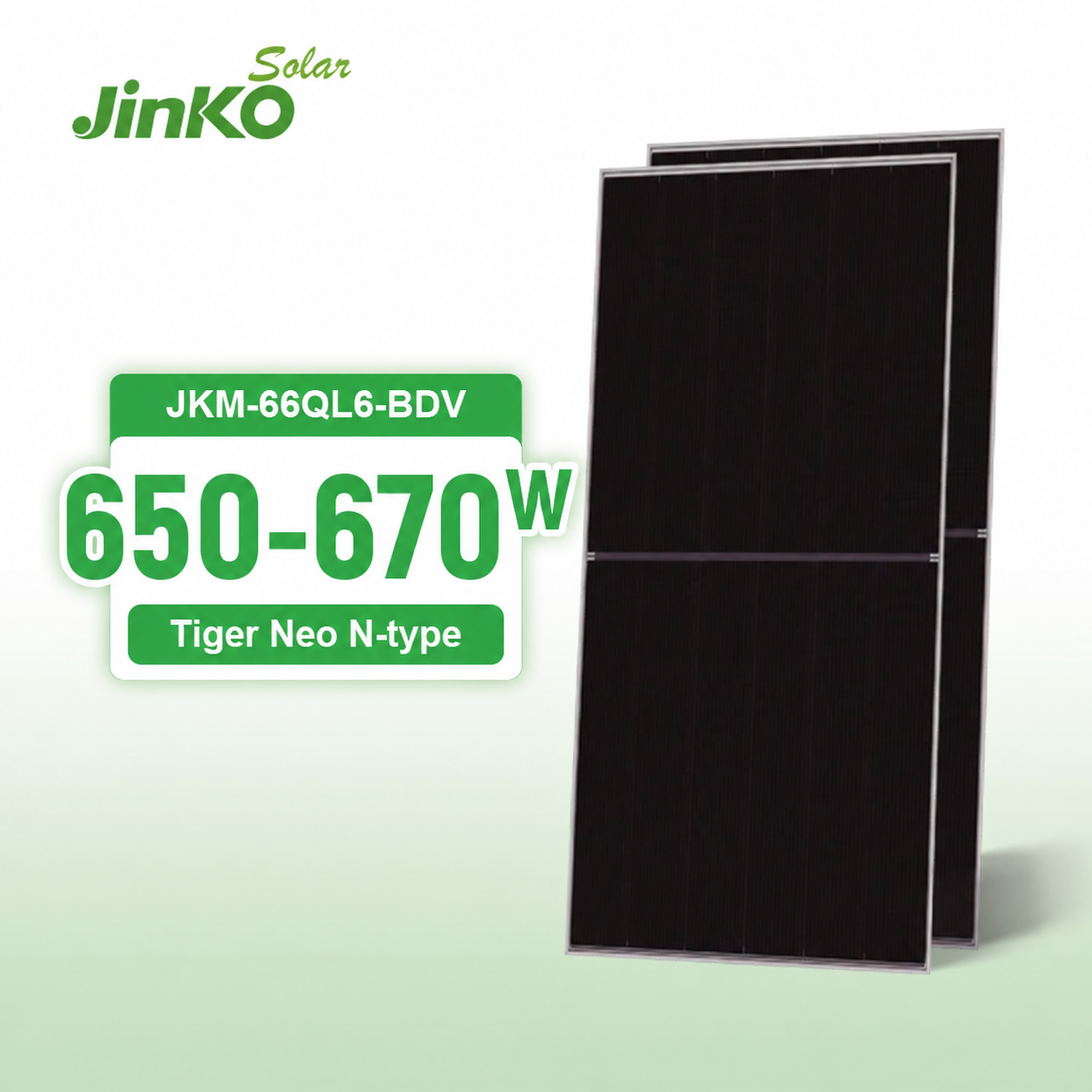
Precision-matched monocrystalline dual-glass modules calibrated to interface seamlessly with standard 19-inch telecom and server rack LiFePO4 battery banks.
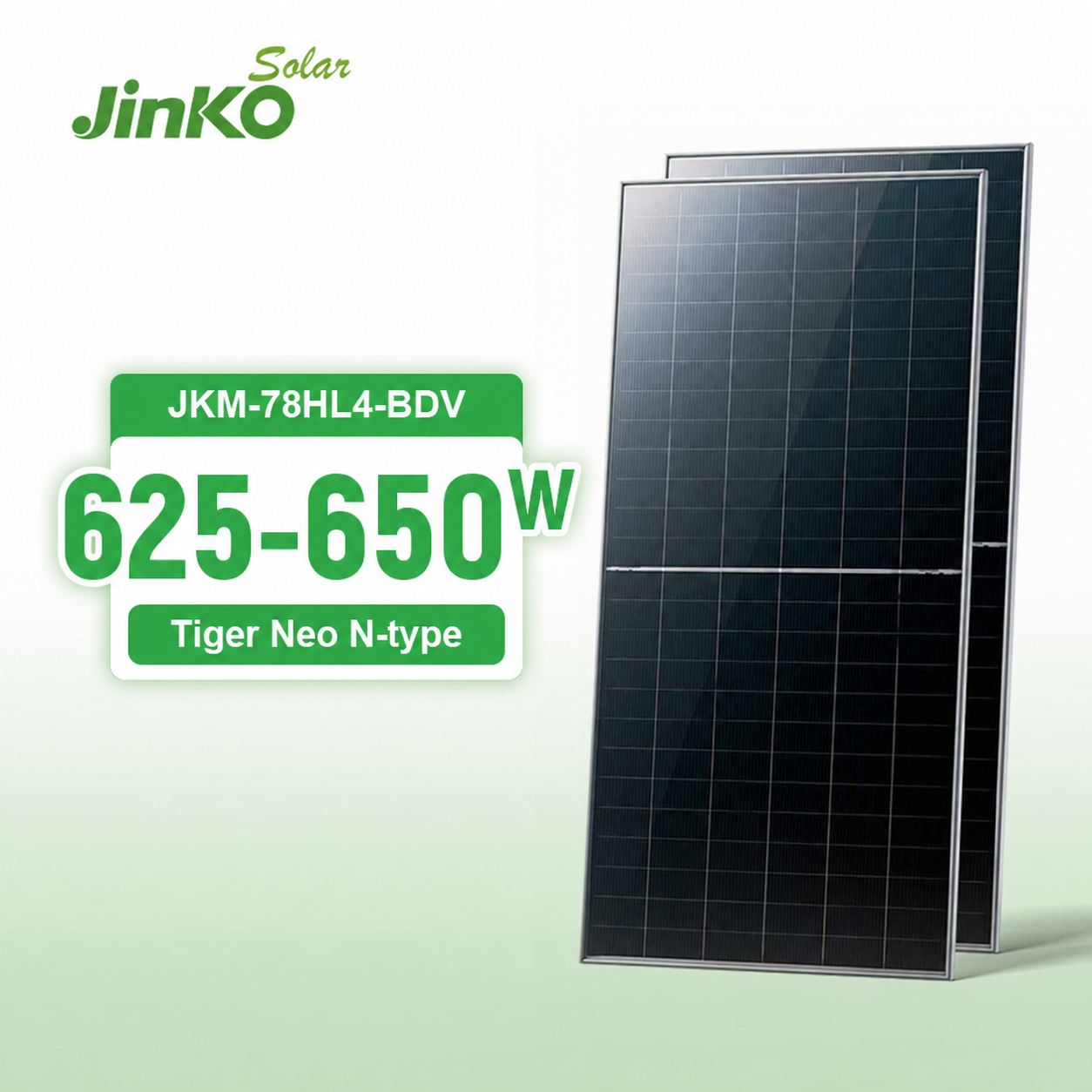
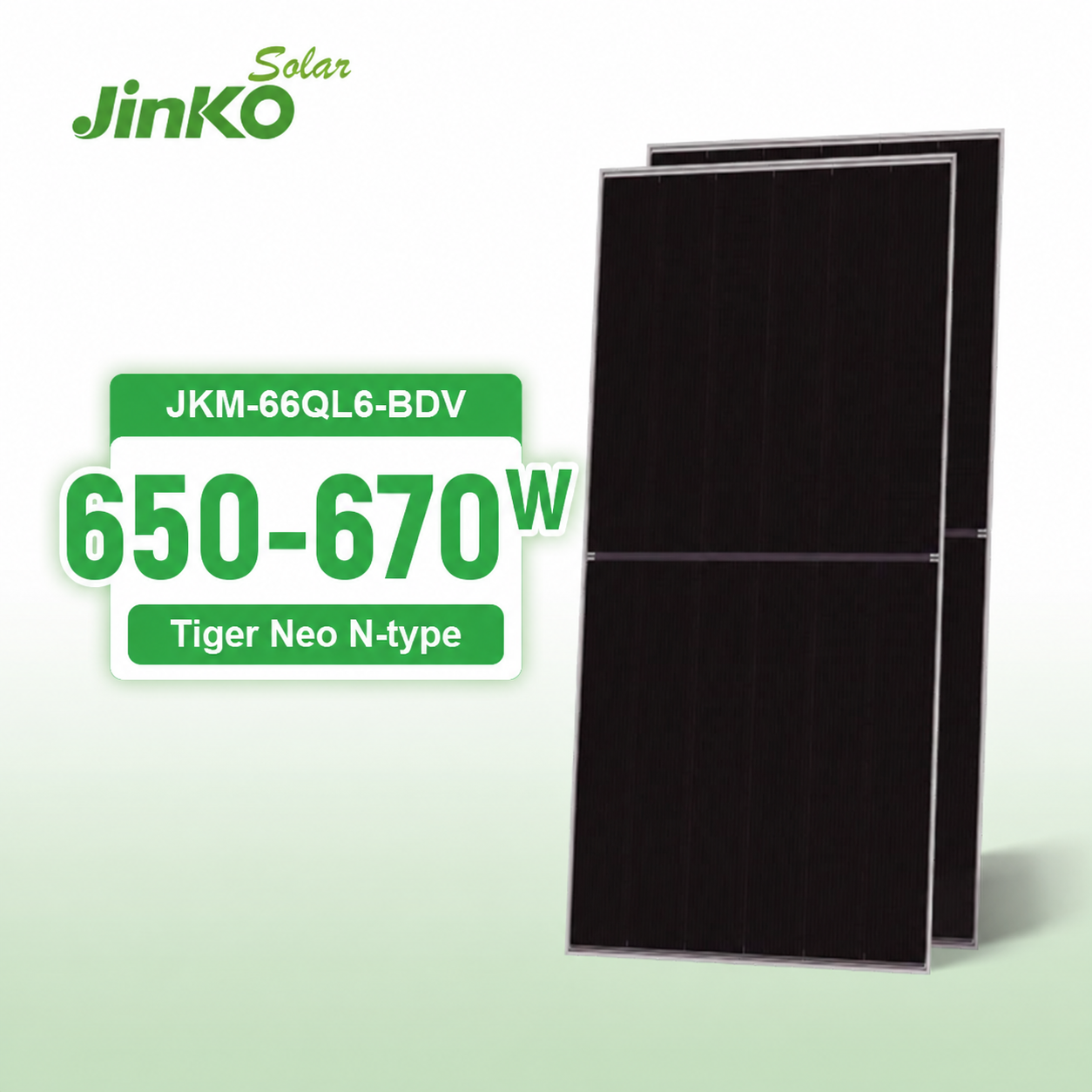
Engineering Server Rack LiFePO4 Energy Storage for La Ceiba's Vulnerable Coastal Grid
The municipality of La Ceiba, known as "La Novia de Honduras" and serving as the primary commercial, port, and industrial hub of the Atlántida Department, faces unique electrical infrastructure challenges. Situated directly along the Honduran Caribbean coast, commercial facilities, seafood processing plants, eco-tourism resorts, and telecom towers operate in an environment characterized by extreme tropical humidity (regularly exceeding 85% RH), ambient temperatures frequently reaching 34°C, and heavy airborne salinity. Compounding these environmental stressors is the ongoing operational instability of the Empresa Nacional de Energía Eléctrica (ENEE) grid. Transmission bottlenecks along the coastal corridor cause frequent blackouts, severe voltage sags, brownouts, and frequency fluctuations that inflict catastrophic damage on inductive equipment and sensitive IT loads.
In response, system integrators, commercial EPCs, and industrial facility managers in La Ceiba are shifting rapidly away from obsolete, high-maintenance lead-acid and deep-cycle colloidal GEL banks toward standardized 19-inch Server Rack Lithium Iron Phosphate (LiFePO4 / LFP) battery architectures. When coupled with advanced hybrid inverters (such as Deye 5kW-12kW single-phase and 10kW-50kW three-phase units) and high-density N-type bifacial photovoltaic arrays, 51.2V server rack batteries provide an impervious buffer against ENEE grid downtime while eliminating recurring diesel generator fuel burn.
1. The Architectural Superiority of 19-Inch Server Rack LiFePO4 Modules
Unlike monolithic wall-mounted batteries or bulky floor-standing enclosures, standard rack-mount energy storage systems (3U, 4U, or 5U form factor per 5.12 kWh module) offer distinct mechanical and electrical advantages specifically engineered for industrial scalability:
Modular Scalability in Standardized Cabinets
Deploy from a single 5.12 kWh (51.2V 100Ah) module up to 16 units in parallel (81.92 kWh) within a standard 42U telecom server rack without busbar rewiring or complex external balance circuits. Ideal for staged capital expenditure in Atlántida businesses.
Superior Thermal Management & Convection
Rack-mounted chassis incorporate precision horizontal airflow spacing between modules. In La Ceiba's 30°C+ ambient heat, this prevents localized hot-spots that plague tight wall batteries, ensuring uniform cell degradation and extended pack life.
Field Serviceability & Hot-Swap Redundancy
Individual 48V/51.2V modules can be isolated, diagnostics executed, or swapped out via front-panel circuit breakers without dropping the DC bus voltage or shutting down critical loads in cold-storage and logistics facilities.
2. Electrochemical & Mechanical Sizing Matrix: 51.2V Server Rack vs. Legacy Solutions
Industrial buyers in Atlántida frequently evaluate the total cost of ownership (TCO) across a 10-year operational horizon. While deep-cycle gel batteries present lower upfront procurement costs, their inability to sustain high ambient operating temperatures without severe capacity loss makes them uneconomical for daily cycling.
| Performance Parameter | VOLT Industrial Server Rack LFP | Standard Deep-Cycle GEL Battery | Traditional AGM Lead-Acid |
|---|---|---|---|
| Nominal Voltage & Chemistry | 51.2V (16S LiFePO4 Prismatic Grade A) | 12V / 48V Block Colloidal Gel | 12V Absorbed Glass Mat |
| Usable Depth of Discharge (DoD) | 90% - 95% continuous | 50% recommended (max 70%) | 50% maximum limit |
| Cycle Life @ 25°C (80% DoD) | 6,000+ full cycles | 1,200 - 1,500 cycles | 400 - 600 cycles |
| High-Temperature Thermal Tolerance | BMS active derating up to 55°C | Severe capacity decay over 30°C | Accelerated sulfation over 25°C |
| Round-Trip Energy Efficiency | ≥ 96.5% | 78% - 82% | 72% - 78% |
| Inverter Communication (Closed-Loop) | Native CAN / RS485 (Deye, Victron, Growatt) | None (Open-loop voltage guessing) | None (Open-loop voltage guessing) |
| Weight per 5 kWh Usable Capacity | Approx. 44 kg (1 x 4U module) | Approx. 165 kg (4 x 12V 200Ah GEL) | Approx. 185 kg (4 x 12V 200Ah AGM) |
3. Closed-Loop Protocol Handshake: Deye Hybrid Inverters & Smart BMS Integration
In typical off-grid or grid-interactive installations across La Ceiba, battery failures are overwhelmingly caused by open-loop charging errors where the inverter relies solely on bulk/float voltage setpoints. Under shifting ambient temperatures, voltage-based charging results in chronic undercharging or destructive overvoltage cut-offs.
VOLT New Energy server rack systems eliminate this vulnerability through dedicated, pre-flashed CANbus 2.0B and RS-485 protocol firmware. When interfacing with Deye SUN-5K/8K/10K/12K-SG04LP3 or single-phase low-voltage hybrid inverters, our intelligent Battery Management System (BMS) continuously broadcasts 16-cell granular telemetry, including:
- Real-time State of Charge (SOC) & State of Health (SOH): Calculated via internal coulomb counter, eliminating battery voltage bounce distortion.
- Dynamic Charge/Discharge Current Limits (CCL / DCL): Automatically throttling inverter current during high ambient noon spikes to safeguard cell chemistry.
- Individual Cell Voltage Differential Alarms: Intercepting deviations exceeding 30mV across the 16-cell series stack before thermal imbalance occurs.
- Hardware-Level Marine Salt Fog Protection: PCBs coated with multi-layer conformal polyurethane resin to prevent corrosion-induced short circuits in Caribbean marine atmospheres.
Tailored Application Profiles Across the Atlántida Department
Real-world integration scenarios where server rack battery banks solve acute power resilience and commercial operational challenges in Northern Honduras.
Eco-Resorts & Hospitality (Cangrejal & Coastal Front)
Hotels along the Rio Cangrejal and beachfront resorts in La Ceiba require silent, zero-emission 24/7 power. 30kWh to 60kWh server rack banks absorb midday solar from Jinko bifacial panels, supplying seamless AC power for inverter air conditioners and refrigeration without noisy diesel generators ruining guest experiences.
Agro-Industrial & Seafood Cold Chains
Atlántida’s agricultural belt—including African palm plantations, citrus packing houses, and sea fisheries near Puerto de Cabotaje—suffers catastrophic revenue loss when cold storage drops during grid outages. Rack-mounted LFP banks provide sub-10ms UPS transfer, keeping industrial chillers and compressors running smoothly.
Telecom Towers & Repeater Stations
Cellular towers dotting the mountain peaks surrounding Pico Bonito national park operate on harsh, remote off-grid or unstable radial lines. 48V 100Ah/200Ah server rack modules drop straight into standard IP55 outdoor cabinets, delivering reliable DC bus power to radio transceivers through relentless rainy seasons.
Commercial Banking & Medical Facilities
Financial institutions, retail pharmacies, and surgical clinics in downtown La Ceiba cannot afford voltage spikes or dirty generator power that compromise surgical monitors, servers, and automated teller systems. Dual-conversion hybrid systems backed by clean LiFePO4 deliver pristine pure sine-wave stability.
Emerging Solar Storage Market Trends in Honduras (2025–2030)
The Honduran solar and storage market is experiencing an unprecedented structural transformation driven by legislative modernization, falling battery cell costs, and the acute realization of grid vulnerability:
1. Shift Toward Hybrid Self-Consumption & Peak Shaving: While historic Honduran solar policies centered around net-metering contracts (Medición Neta), bureaucratic delays and administrative caps by energy regulators have led commercial energy buyers in La Ceiba, San Pedro Sula, and Tegucigalpa to prioritize "Zero-Export Self-Consumption". By pairing Jinko N-Type bifacial solar modules with smart server rack battery storage, enterprises store 100% of daytime generation, discharging it during expensive peak commercial tariff windows (typically 18:00 to 22:00) to cut utility billing spikes.
2. Replacement of Traditional Lead-Acid and Diesel Infrastructure: Escalating operational expenses for diesel delivery along CA-13 and rising maintenance costs for reciprocating generators have made LiFePO4 energy storage significantly more attractive. Over a 5-year lifecycle, the Levelized Cost of Storage (LCOS) of a Tier-1 LFP server rack battery sits at approximately $0.08–$0.11 per kWh cycled, compared to $0.38–$0.55 per kWh generated via high-maintenance diesel generator sets.
3. Direct Shipping Logistics to Northern Honduras via Puerto Cortés: For commercial buyers in La Ceiba, maritime logistics directly govern capital efficiency. Hangzhou VOLT New Energy coordinates direct ocean shipping containers from Ningbo/Shanghai into Puerto Cortés—Central America's largest and most secure deep-water container port. Containers are routed seamlessly via customs transit along the modern CA-5 and CA-13 highways directly to La Ceiba job sites, eliminating transshipment transit delays through third-party nations.
Why International EPCs & Distributors Partner with VOLT New Energy
Eliminating supply chain failure through verified factory testing, turnkey system integration, and global dangerous goods compliance.

Pre-Shipment Protocol Matching
Every single server rack battery order undergoes complete bench testing with Deye, Growatt, and Victron inverters before packaging. We confirm CAN/RS485 baud rates, pinout mapping, and auto-addressing so your team encounters zero communication faults on site.

Tier-1 Prismatic Cell Reliability
We strictly utilize fresh Grade-A lithium iron phosphate cells (EVE, CATL, or matching Tier-1 origins) with laser-welded busbars and integrated cell compression fixtures to preserve structural integrity over 6,000 deep discharge cycles.

Class 9 Maritime DG Logistics
Lithium batteries require stringent international maritime safety compliance. We furnish certified UN38.3 test summaries, MSDS documentation, and custom UN-rated wooden crate packaging, ensuring fast customs release at Puerto Cortés.

Complete Turnkey Sizing Support
Beyond supplying battery modules, our Hangzhou engineering headquarters delivers comprehensive electrical schematics, string voltage calculations for Jinko bifacial panels, breaker sizing, and cable gauge recommendations tailored to Honduran national code.
Frequently Asked Questions by Honduran Importers & Installers
Direct technical and commercial answers addressing shipping, grid interconnectivity, and environmental durability in La Ceiba.