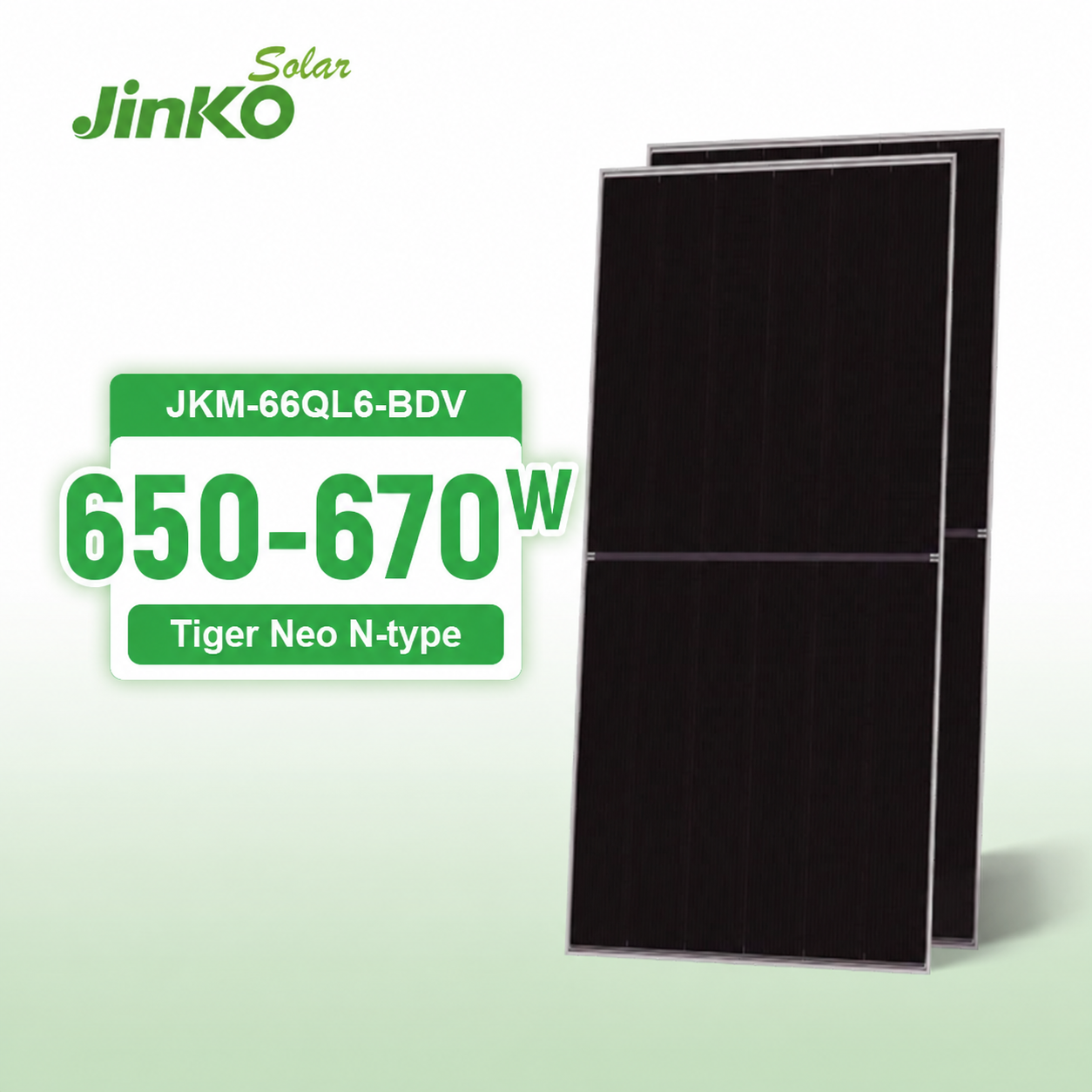
Commercial Solar Module
Every commercial and residential deployment serving the Grand Bay and Berekua coast demands Tier-1 hardware that tolerates high ambient humidity, corrosive salt fog, and sudden voltage dips.
Berekua, perched across the southern volcanic ridges of Saint Patrick Parish, Dominica, faces a convergence of severe topographical isolation, acute maritime weather cycles, and systemic electric utility vulnerability. Powered predominantly through long radial distribution feeders extending from the capital Roseau via the Fond St. Jean / Grand Bay network, Berekua routinely confronts high transmission line impedance, chronic line reactance, and intermittent brownouts governed by Dominica Electricity Services Limited (DOMLEC) fuel-surcharge variations.
For agricultural enterprises, eco-lodges, cold storage facilities, and residential settlements in Berekua, the deployment of solar energy storage is no longer a luxury hedge against occasional blackouts—it is the foundational prerequisite for economic continuity. However, tropical island environments present aggressive engineering hurdles that disqualify standard commercial-off-the-shelf equipment.
Hangzhou VOLT New Energy bridges this technical reliability gap. By coupling heavy-duty IP65/IP66 enclosure architectures, proprietary C5-M marine-grade powder-coat treatments, and closed-loop CAN/RS485 protocol syncing between our lithium iron phosphate (LiFePO4) storage banks and Deye hybrid inverters, we supply turnkey energy resilience engineered specifically for Caribbean operating realities.

Evaluating total cost of ownership (TCO), thermal cycling degradation, and charge-acceptance characteristics under high ambient tropical temperatures.
| Evaluation Parameter | Prismatic LFP (LiFePO4) Battery Rack | Deep-Cycle Colloidal GEL Battery | Caribbean Engineering Recommendation |
|---|---|---|---|
| Usable Depth of Discharge (DoD) | 80% – 90% Continuous (No Degradation Spike) | 50% Recommended (Rapid plate sulphation >50%) | LFP delivers 1.8x usable daily kWh per nameplate rating. |
| Cycle Life Rating | 6,000+ Cycles @ 0.5C, 25°C (80% EOL) | 1,200 – 1,800 Cycles @ 50% DoD | LFP yields 10–12 years of uninterrupted daily cycling in Berekua. |
| Thermal Stability @ 35°C+ | High thermal run-away threshold (>270°C); active BMS | Vulnerable to thermal runaway if float voltage drifts | LFP smart BMS throttling prevents cell overheating during dry season. |
| Communication Topology | CANbus / RS485 Native Closed-Loop to Inverter | Open-Loop Voltage-Based Inverter Splicing | LFP protocol syncing prevents improper SOC drift and early cutoffs. |
| Logistics & Freight Weight | Approx. 1/3 weight of lead equivalents | Heavy lead-plate structure; high shipping cost | LFP dramatically cuts inter-island ocean freight and inland steep-grade transport. |
Safeguarding family residences across Grand Bay and Berekua against weekly grid dropouts. Integrating a 5kW to 10kW Deye hybrid inverter with a 10.24kWh to 20.48kWh low-voltage 51.2V LFP wall pack guarantees instant sub-10ms UPS transfer. Refrigeration, medical equipment, deep-well pump pressurization, and lighting remain fully operational without generator noise or diesel consumption.
The Grand Bay region is renowned for essential oil extraction (Bay oil), spice drying, and root crop agro-processing. Sudden power interruptions during vacuum distillation or drying stages ruin valuable batches. Our 15kW to 30kW commercial hybrid systems with 30kWh+ high-rate discharge banks handle high inrush motor currents from extractors and blowers without tripping.
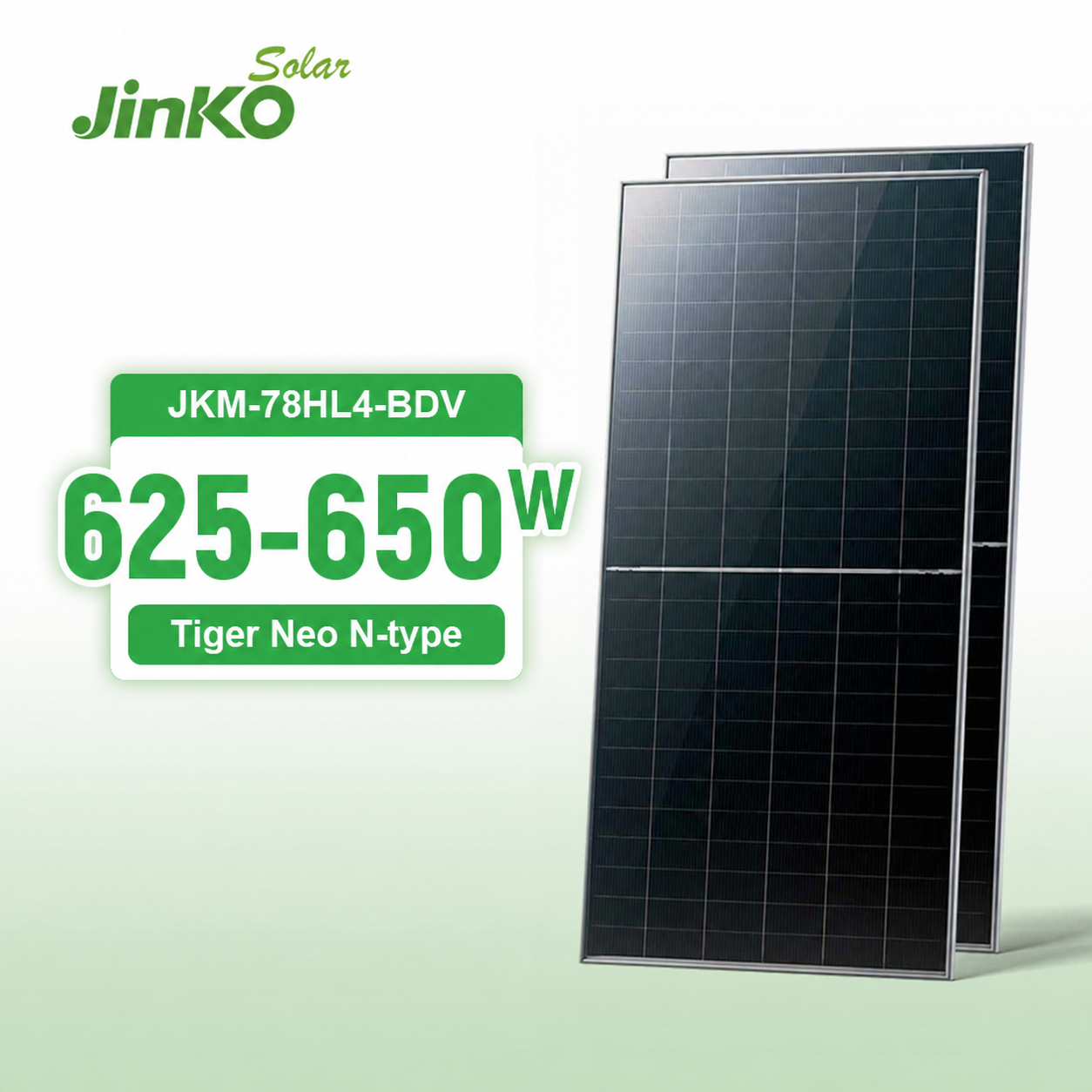
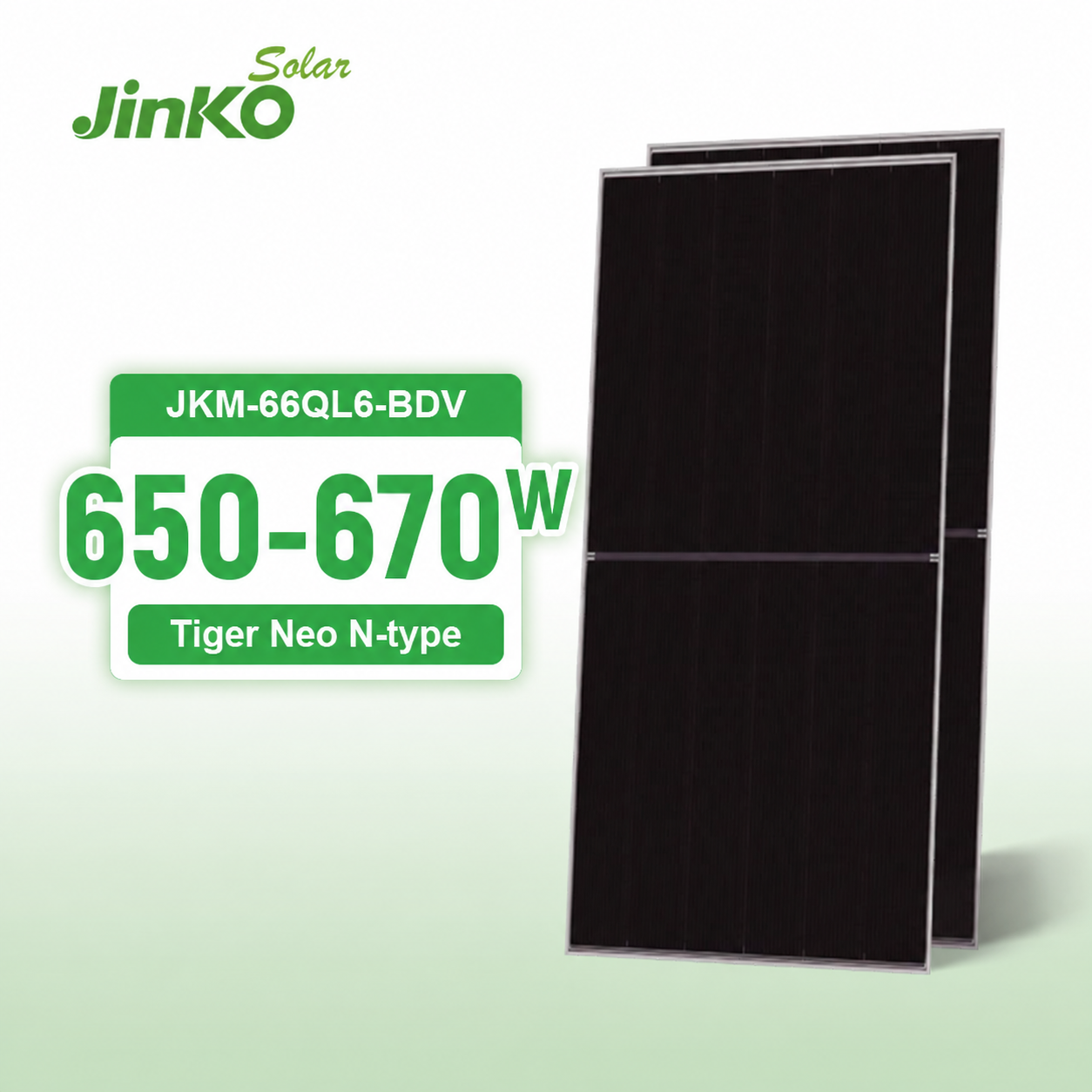
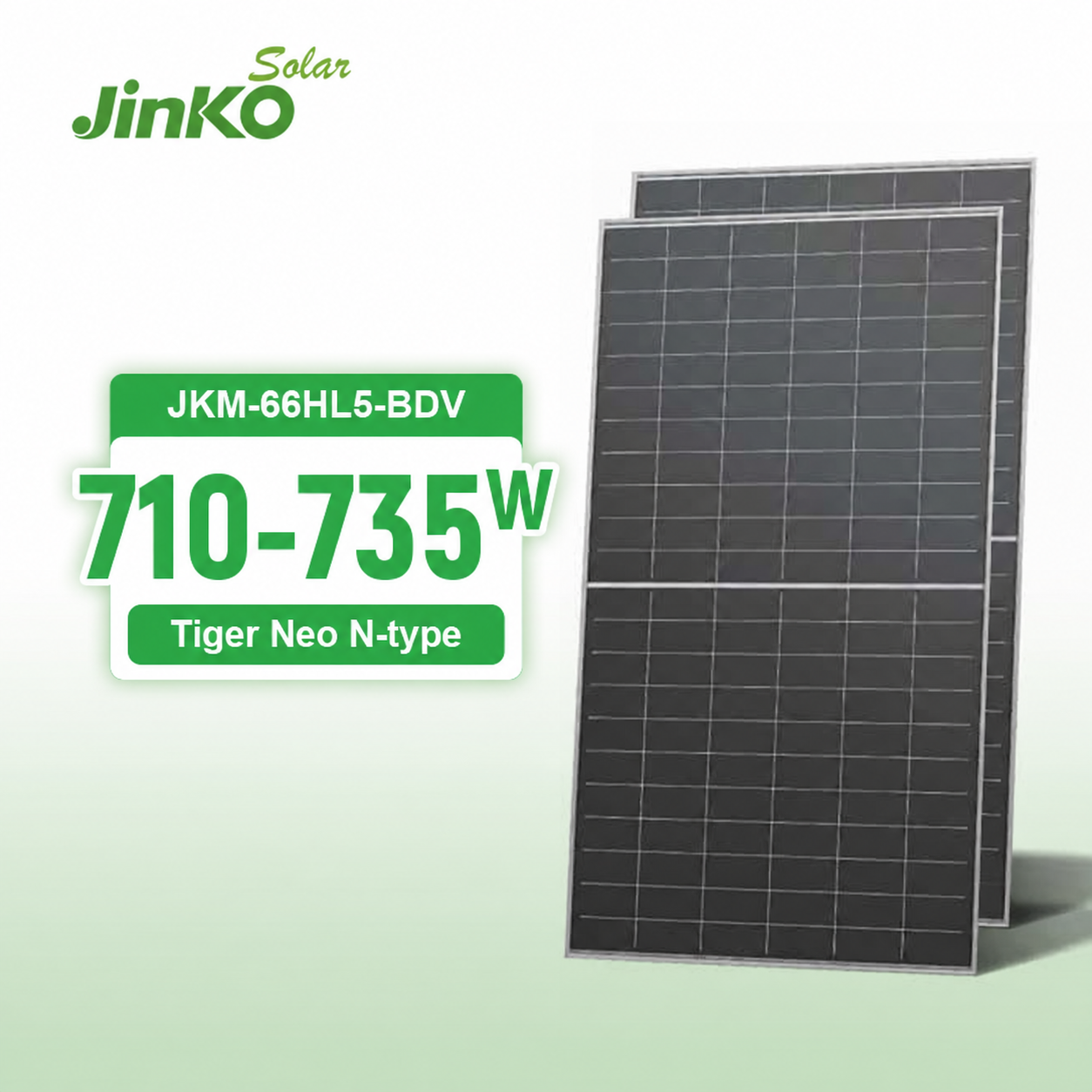
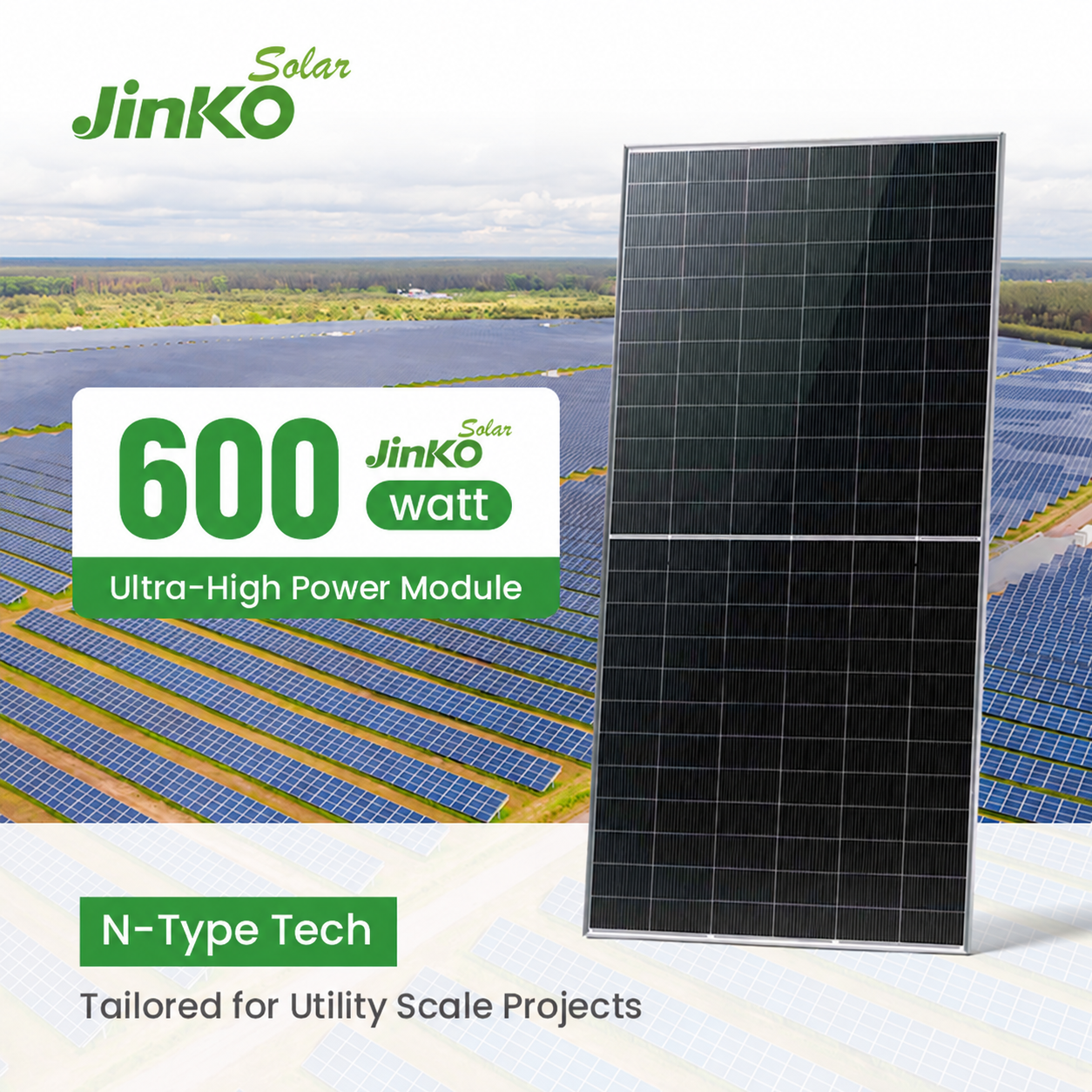
Following Category 5 atmospheric events like Hurricane Maria, utility reconstruction in mountainous southern Dominica can require up to 8 to 12 months. Dual-glass bifacial Jinko modules (2400Pa wind / 5400Pa mechanical load certified) paired with modular ground-mount or heavy ballast structures ensure your local energy node survives hurricane eye-wall wind speeds and maintains emergency community communications.
Dominica resides entirely within the Atlantic hurricane belt. Standard aluminum roof racks fastened with basic tapping screws will fail catastrophically under 140+ knot cyclonic uplift forces. Our project packaging for Dominica distributors includes engineered aerodynamic brackets, 316 stainless-steel hardware, and bifacial dual-glass modules with tempered front and rear glass sheets to eliminate micro-cracking caused by cyclic wind fluttering.
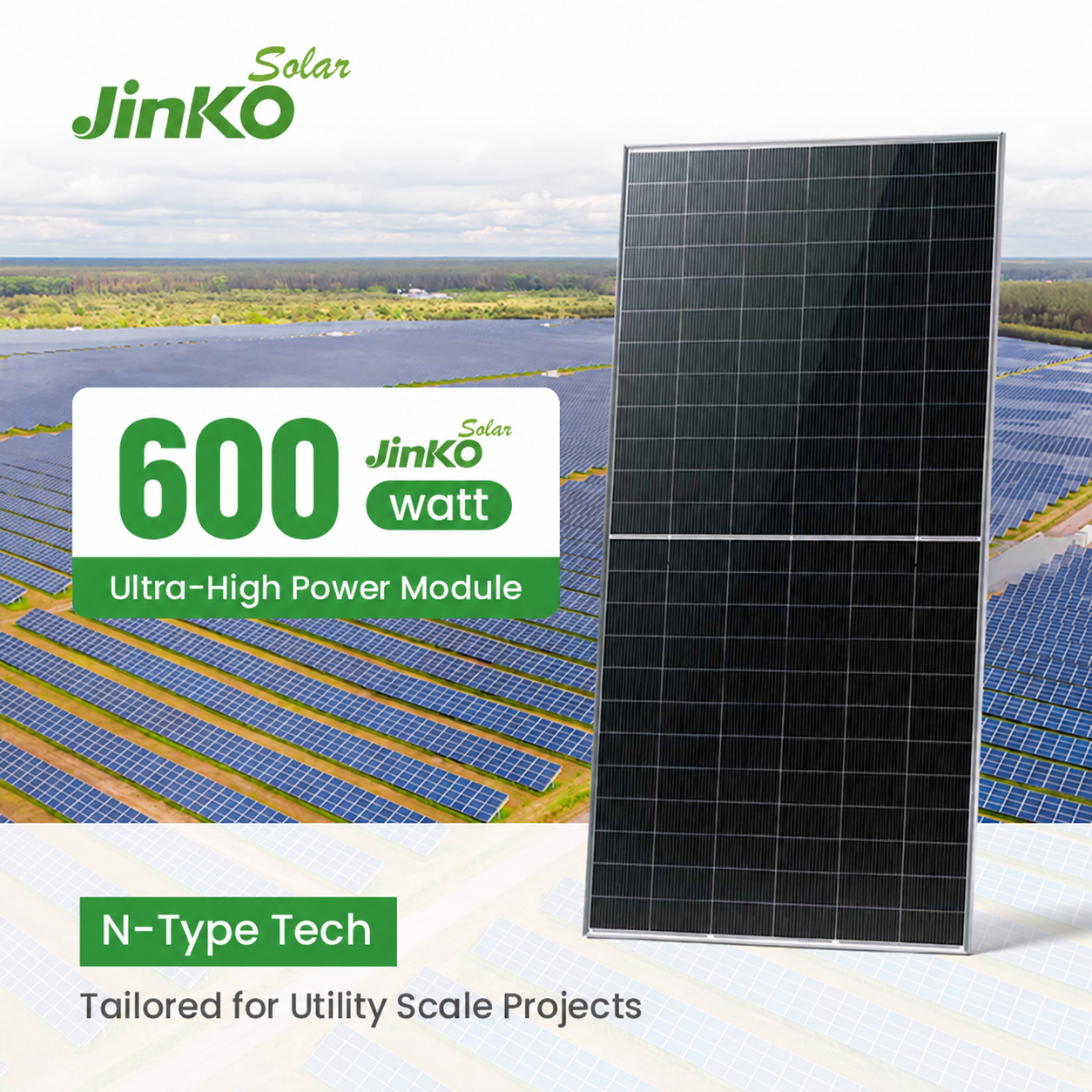
On the electrical side, our systems leverage Jinko N-Type TOPCon bifacial modules featuring high-efficiency tunnel oxide passivated contacts. This technology delivers a dramatically lowered temperature coefficient (-0.30%/°C versus -0.38%/°C of legacy p-PERC), preserving higher nominal peak wattage during scorching midday sun when ambient temperatures exceed 33°C.
Coupled with dual MPPT trackers in Deye hybrid inverters, installers can configure split arrays facing east-west across ridgeline roofs in Berekua, capturing early morning sunlight across Martinique Channel and maintaining uniform battery charging long before peak solar noon.
The single greatest operational headache for solar contractors in the West Indies is unboxing imported storage hardware only to encounter dead communication protocols, cracked cells, or missing customs documentation.
Before packing any lithium battery bank, our Hangzhou facility runs real-time bench communication tests pairing your specific Deye hybrid inverter firmware with the LFP internal BMS. We lock the CANbus baud rate (typically 500kbps), configure DIP switch addressing, and verify charge/discharge handshakes, providing an individualized testing video log so your installers experience immediate plug-and-play synchronization upon arrival.
Lithium iron phosphate cells require strict international shipping compliance. We supply complete UN38.3 test summaries, Material Safety Data Sheets (MSDS), and drop-tested UN-approved dangerous goods packaging. We coordinate smooth ocean freight transit directly into Woodbridge Bay Port (Roseau) or via Saint John’s / Bridgetown consolidations, ensuring clean customs clearance without port detention charges.
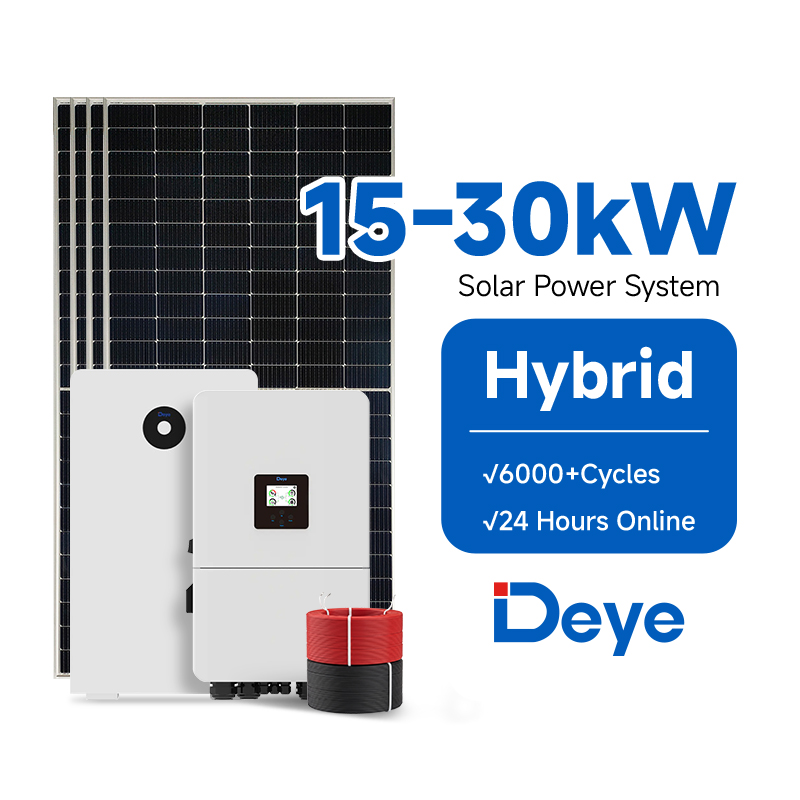
Avoid sourcing panels from one supplier, batteries from another, and breakers from a third. VOLT New Energy packages matched, complete microgrid bills of materials: Jinko N-Type panels, Deye hybrid inverters, rack-mount or wall-hung LFP batteries, DC isolators, PV surge protection devices (SPDs), UV-resistant 6mm² cross-linked cables, and hurricane-rated racking—fully kitted into single FCL or consolidated LCL shipments.
Real-world technical and commercial answers tailored for local Dominican property developers, electrical contractors, and residential clients.
Whether you require a containerized commercial microgrid shipment, custom 48V LFP battery racks, or high-efficiency TOPCon bifacial modules, our technical engineering team will calculate your load balance, confirm BMS protocol matching, and provide a verified factory quotation within 24 hours.