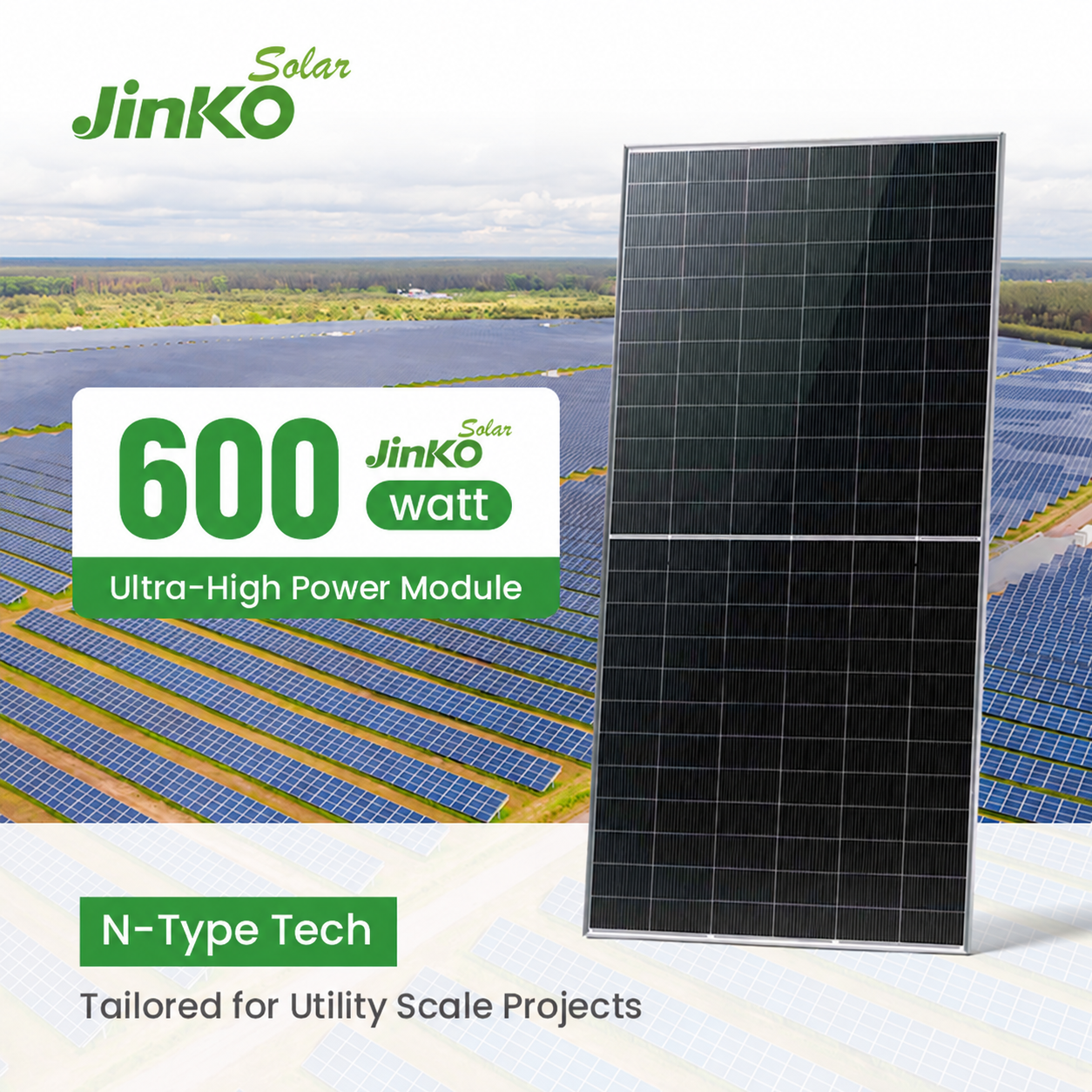
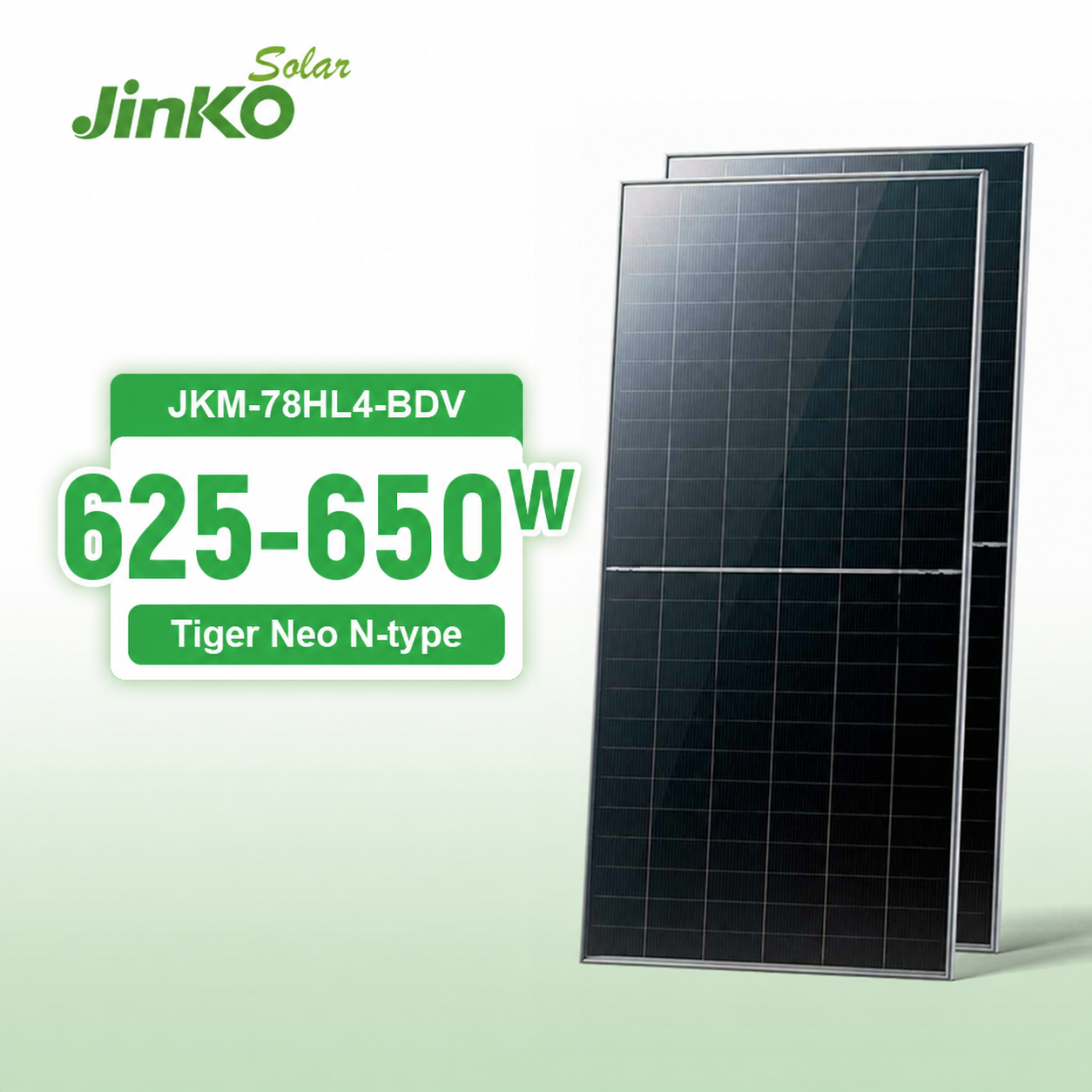
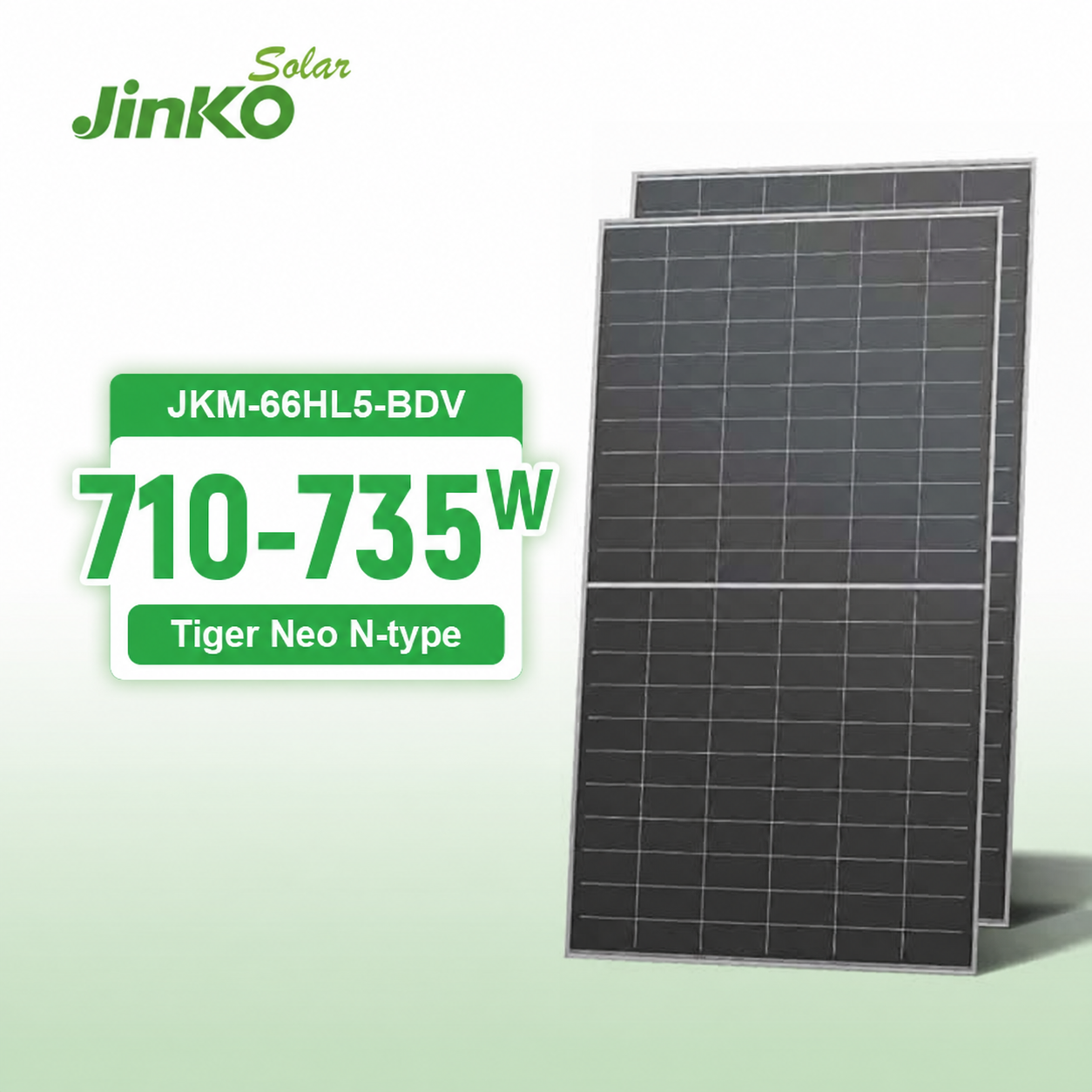
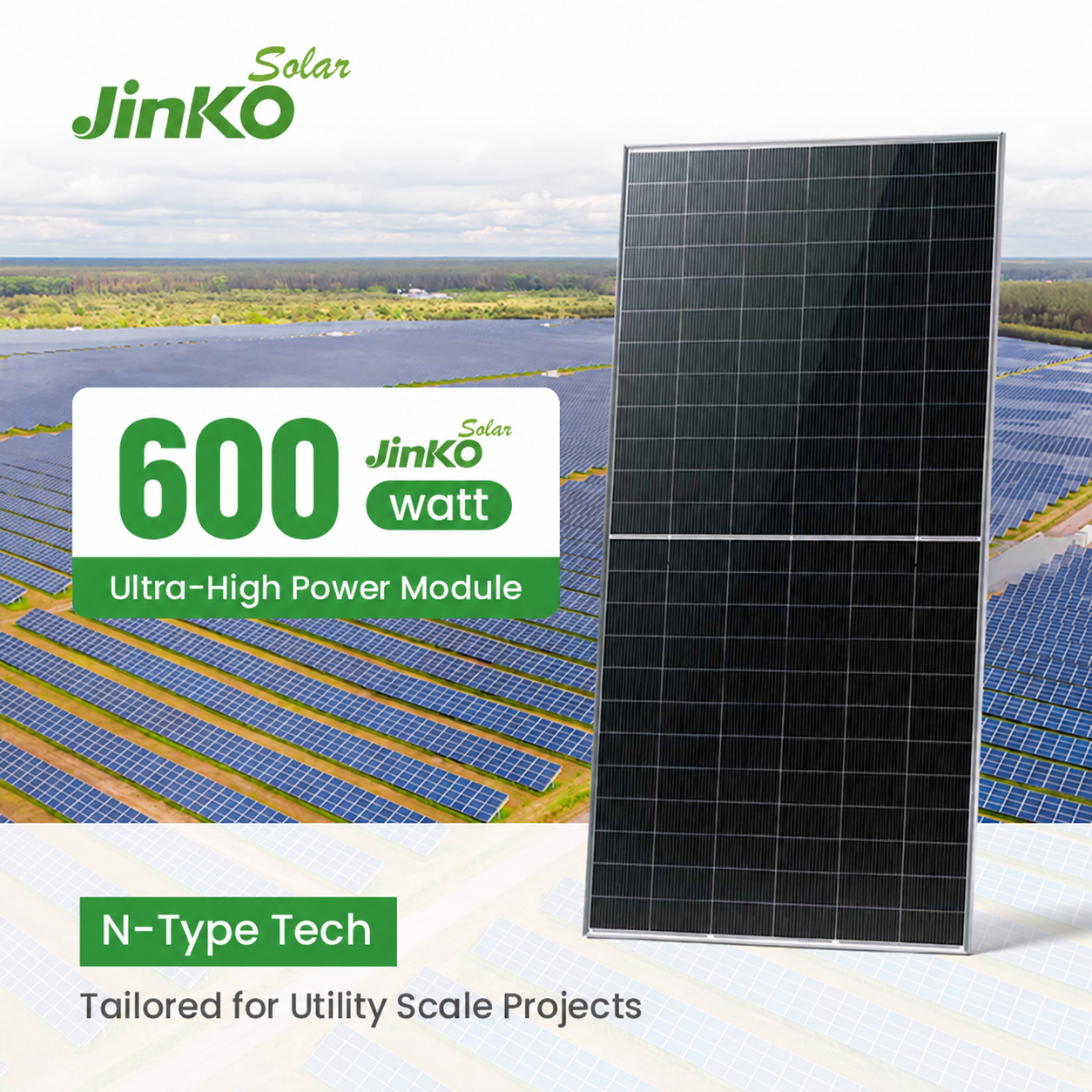
Jinko N Type Bifacial Solar Panels 600W 580W 595W TOPCon Double Glass High Efficiency Solar Module
Eff: 22.53%
Bifacial: 80±5%
Product Details →
Pairing advanced Maximum Power Point Tracking (MPPT) charge controllers with Tier-1 dual-glass bifacial modules ensures optimal high-current DC clipping, superior sub-zero open-circuit voltage headroom, and maximum energy harvesting from Canadian snow albedo reflection.
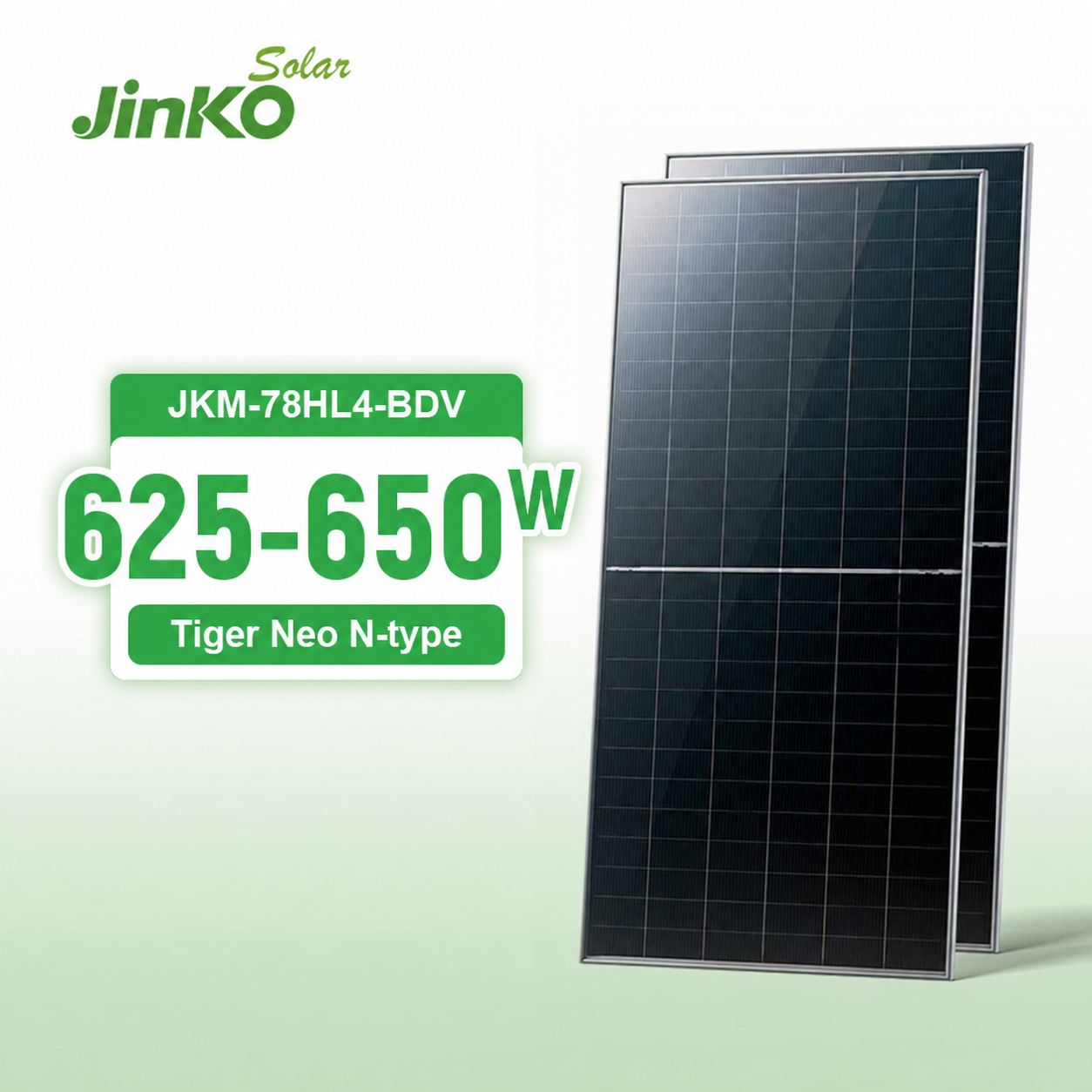
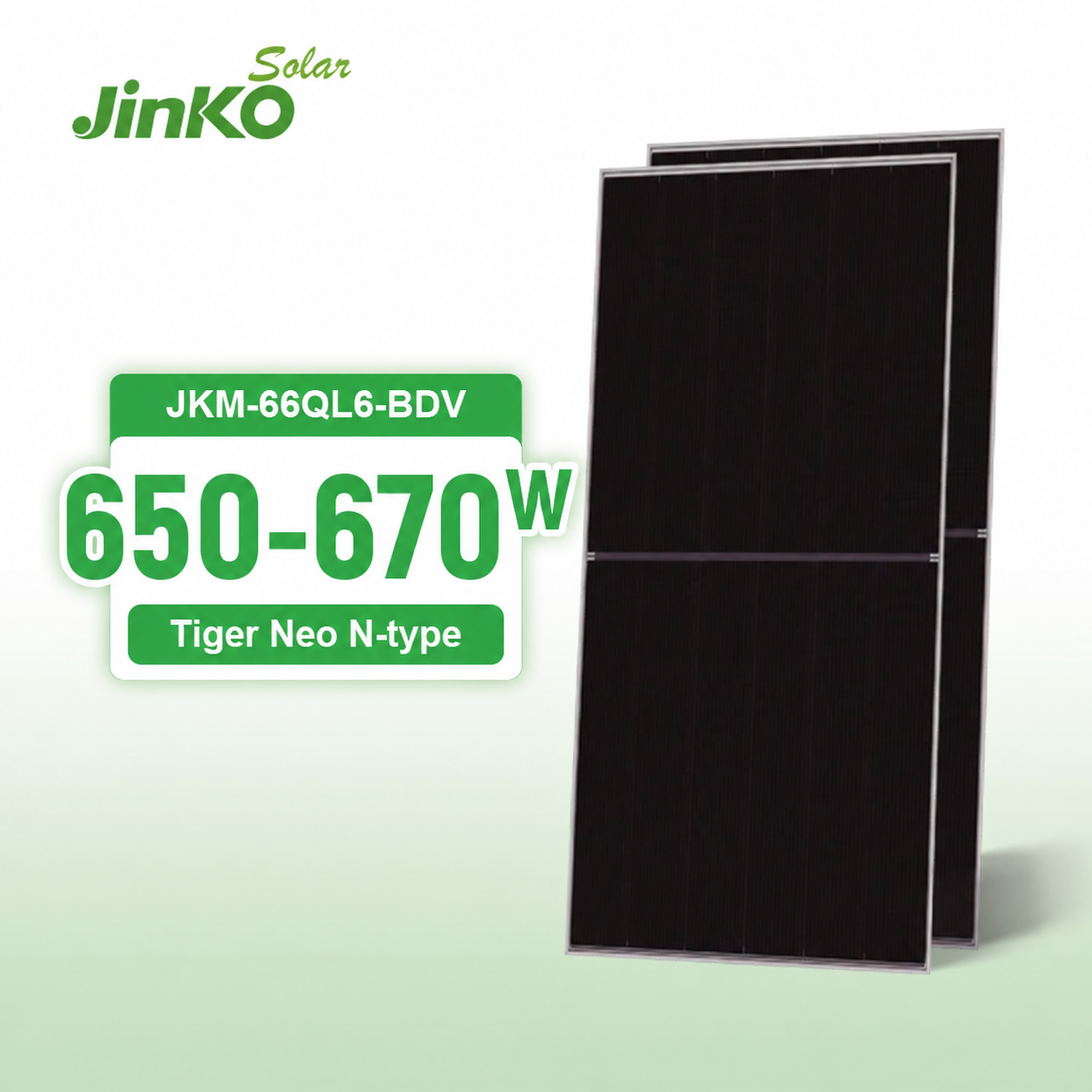
Deploying DC charge regulation and hybrid power topologies in Southern Ontario requires robust mitigation against cold-weather open-circuit voltage spikes, aggressive freeze-thaw cycles, and substantial winter ground albedo radiation.
Under the Ontario Electrical Safety Code (OESC Rule 50-006) and CSA C22.1, photovoltaic array sizing must account for the lowest recorded ambient temperature in the Greater Toronto Area (-25°C to -30°C extreme design rating). Solar cells exhibit a negative temperature coefficient of open-circuit voltage ($\beta V_{oc}$), commonly between -0.25%/°C and -0.30%/°C for N-Type TOPCon modules. Standard Test Conditions (STC) are rated at 25°C. At -25°C, a temperature differential ($\Delta T$) of -50°C introduces a +13% to +15% expansion in array voltage. MPPT solar charge controllers and hybrid DC stages with maximum PV input ratings of 150V, 500V, or 1000V DC must be configured with precise series-string math to eliminate catastrophic dielectric breakdown or hardware over-voltage shutdown during clear, sub-zero winter mornings in Ontario.
| Controller Architecture | Rated Battery Voltage | Max PV Open Circuit (Voc) | Optimal Toronto Array Configuration | Primary Use-Case in GTA |
|---|---|---|---|---|
| Industrial 60A / 100A MPPT | 12V / 24V / 48V Auto-Detect | 150V - 200V DC | 2S to 3S TOPCon 600W Modules | Off-Grid Cottages, Telecommunication Relays |
| High-Voltage DC Charge Unit | 48V Low-Voltage Storage | 450V - 500V DC | 6S to 8S Bifacial 630W Modules | Commercial Rooftops, Agricultural Cold Storage |
| Deye Hybrid MPPT Integration | 48V LFP or HV Battery (160-800V) | 500V - 1000V DC Dual MPPT | Dual-string 10S to 14S 650W TOPCon | Urban Peak Shaving, Industrial Microgrids |
| Heavy-Duty PWM Industrial | 12V / 24V Regulated | 50V DC Max | 1S Conventional 12V Battery Match | Highway Signage, Off-Grid Remote Monitoring |
Fresh snow cover across Southern Ontario generates ground albedo reflection exceeding 70% to 85%. Bifacial dual-glass modules capture this backside radiation, driving current generation (Isc) up to 25% beyond STC face ratings. Our factory MPPT charge controllers feature dynamic high-amperage input clipping circuits that manage real-time thermal throttling without premature hardware tripping.
Charging Lithium Iron Phosphate (LiFePO4) chemistries below 0°C without active heating leads to irreversible metallic lithium plating and cell shorting. Our controllers interface natively via RS485 and CANbus with smart BMS units, automatically enforcing strict 0°C low-temperature charge current cut-offs while diverting solar PV power directly to DC battery-heating pads.
Ontario winters feature frequent partial shading caused by snow slides, low solar elevation angles (23.5° winter solstice in Toronto), and localized cloud cover. Our advanced tracking algorithm sweeps the entire P-V curve in under 250 milliseconds, bypassing localized false peaks to lock into the genuine Global Maximum Power Point.
From dense urban commercial facilities dealing with Ontario's IESO peak demand pricing to standalone DC off-grid microgrids in Ontario Cottage Country, our charge controllers and matched components are purpose-built for the Canadian electrical landscape.

Commercial real estate operators across Mississauga, Vaughan, Markham, and Etobicoke face severe Global Adjustment charges and fluctuating time-of-use tariffs. Under Ontario's Ultra-Low Overnight (ULO) rate framework, intelligent MPPT charge control platforms paired with Deye hybrid storage inverters allow businesses to charge LFP battery stacks during low-demand off-peak windows or directly via high-power rooftop bifacial arrays, discharging during high-cost on-peak business windows. This strategy slashes demand charges while establishing emergency backup power during ice storm-induced utility outages.
In Central and Northern Ontario, extending utility lines across rocky Canadian Shield terrain costs between $30,000 and $70,000 per kilometer. Seasonal homeowners, remote eco-resorts, and island properties in the Kawartha Lakes rely on independent DC microgrids. Our industrial-rated 48V MPPT controllers operate autonomously year-round. Featuring low quiescent current consumption (<15mA) and RS485 remote telemetry via satellite or 4G LTE modems, system owners can monitor battery SOC, module performance, and ambient enclosure temperatures from downtown Toronto.

In the Niagara agricultural belt and Holland Marsh farming regions, continuous power is vital for poultry climate control, dairy refrigeration, and automated irrigation. Our dual-glass TOPCon solar panels combined with multi-channel MPPT controllers provide rugged electrical resilience against high humidity, dust, and ammonia gas emissions, guaranteeing reliable DC power harvest even during the shortest December daylight windows.
Emergency communications towers, highway monitoring systems along the 400-series corridors, and remote weather sensors in Ontario require fail-safe autonomous power supplies. Our factory-tested controllers feature conformal-coated PCBs, surge protection up to 4kV, and cold-soak start capabilities at -35°C to protect critical public and industrial communication links through harsh Canadian winters.
Staying competitive in the Greater Toronto clean energy market demands alignment with aggressive municipal climate targets, updated provincial grid interconnection frameworks, and rising demand for resilient electrical storage.
The City of Toronto has accelerated its target to achieve net-zero greenhouse gas emissions by 2040. This regulatory mandate impacts both new construction and retrofits of commercial structures over 2,000 square meters. Smart DC charge controllers capable of integrating with building management systems (BMS) via Modbus RTU/TCP are essential for achieving the required building energy performance targets.
As Toronto Hydro, Alectra Utilities, and Hydro One face capacity constraints on urban feeder substations, grid-tied battery storage installations face strict anti-islanding and reverse-power flow limits. DC-coupled solar charge controllers provide an efficient path for behind-the-meter storage expansion, eliminating the need for complex AC-interconnection approvals while boosting solar utilization.
Safety authorities in Ontario, led by the Electrical Safety Authority (ESA), strictly enforce CSA C22.2 No. 107.1 requirements and SPE-1000 field evaluation protocols for commercial power equipment. Our supply pipeline guarantees that all exported power electronics and storage components adhere to international IEC and North American UL/CSA safety standards to facilitate smooth municipal electrical sign-offs.
International solar buyers frequently face shipment damage, communication mismatches between inverters and batteries, and missing customs documentation. Hangzhou VOLT New Energy Technology Co., Ltd. eliminates these risks through engineered quality control and proven export logistics.
Every lithium battery stack and solar controller/inverter undergoes pre-shipment bench testing to confirm matching CAN and RS485 communication protocols, cable pin-outs, and DIP switch settings, preventing "BMS Communication Fault" errors during on-site commissioning.
Our factory conducts automated multi-point thermal cycling, insulation resistance tests, and full-load burn-in tests on charge controllers. Importers receive HD photo and video inspection dossiers alongside comprehensive test logs before containers leave the factory floor.
We provide turnkey Class 9 Dangerous Goods sea freight with complete UN38.3, MSDS, and transport certificates. Shipments route through the Port of Montreal or Port of Vancouver with direct CN/CP rail transit into the Toronto intermodal terminals in Vaughan and Brampton.
Our engineering team doesn't just sell components; we review specific load schedules, determine peak solar hours for Ontario latitude zones, and furnish complete single-line electrical diagrams (SLDs) with precise conductor and breaker ratings for local permit approvals.
Straightforward, technical answers to common questions asked by solar EPCs, electrical distributors, and off-grid project engineers throughout Ontario.
V_max = N × Voc_STC × [1 + (|βVoc| × (25°C - T_ambient_min))]
V_max = 3 × 50.8V × [1 + (0.0028 × 55)] = 152.4V × 1.154 = 175.87V DC.
In this scenario, a standard 150V MPPT charge controller will experience an over-voltage failure. System designers must select a controller rated for 200V DC or adjust the string topology to 2S configurations to maintain a safe electrical operating margin.
Whether you are planning an off-grid industrial microgrid in Ontario Cottage Country, retrofitting commercial rooftop storage in Mississauga, or sourcing containerized solar equipment for local distribution, our team provides comprehensive compatibility checks, system single-line diagrams, and transparent export pricing.
Send an Inquiry