B2B Engineering & Export Whitepaper

Solar Charge Controller Factory & Suppliers in the Dominican Republic Market

Industrial-Grade MPPT & Hybrid Regulation Systems Engineered for Caribbean High Irradiance, Coastal Salt Spray, and Commercial Grid Intermittency

99.2%
MPPT Tracking Efficiency in High Ambient Heat
5.8 kWh
Avg Daily Irradiance per m² in the Dominican Republic
100+
Global Export Hubs Sourcing Matched Storage Kits
< 24h
BMS-to-Inverter Verification Protocol Response
Tier-1 Generation & Charge Regulation Inventory

Compatible High-Efficiency PV Modules for Tropical Microgrids

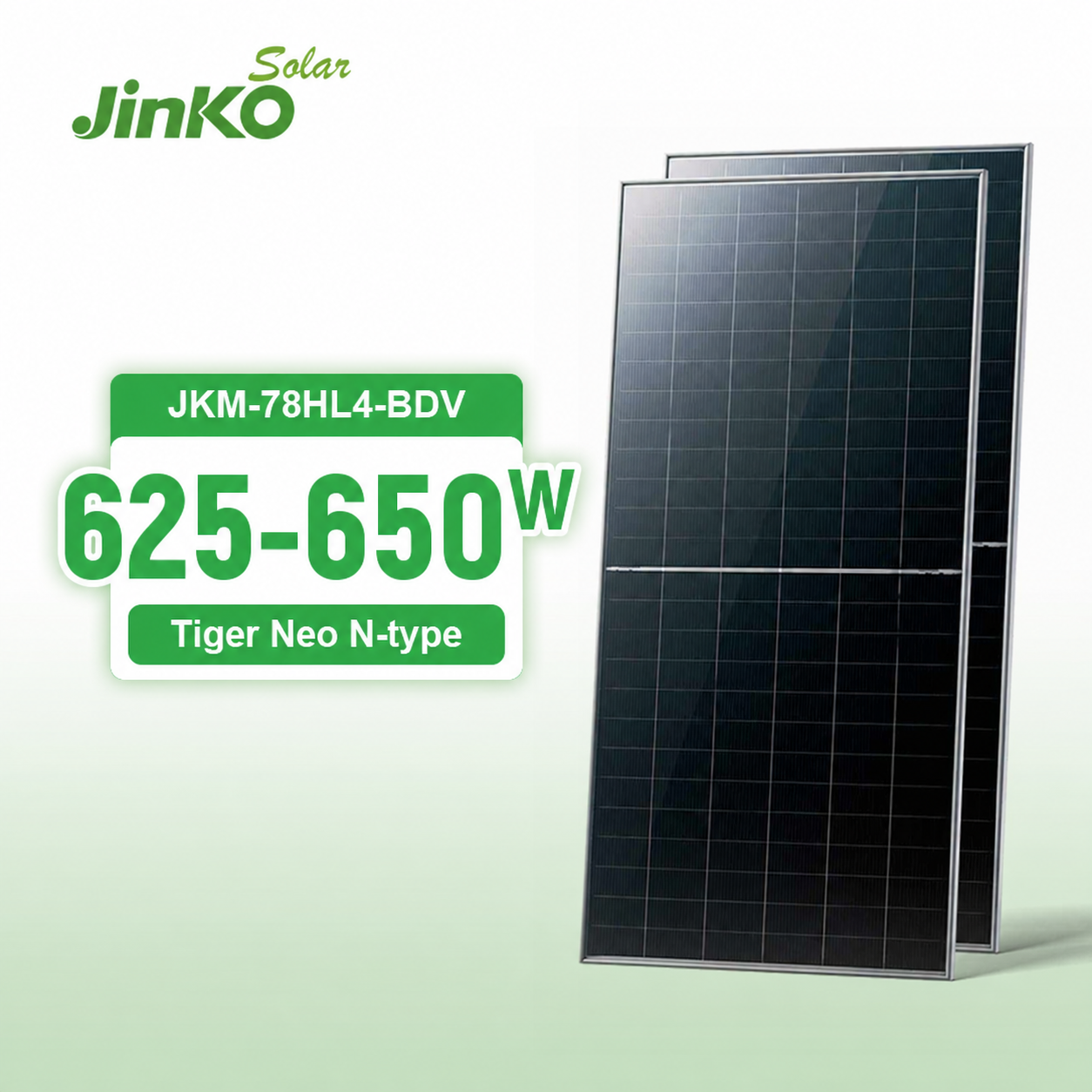
Carefully matched double-glass N-Type TOPCon photovoltaic modules engineered to deliver optimized voltage windows for commercial MPPT charge controllers and hybrid storage inverters in the Dominican Republic.

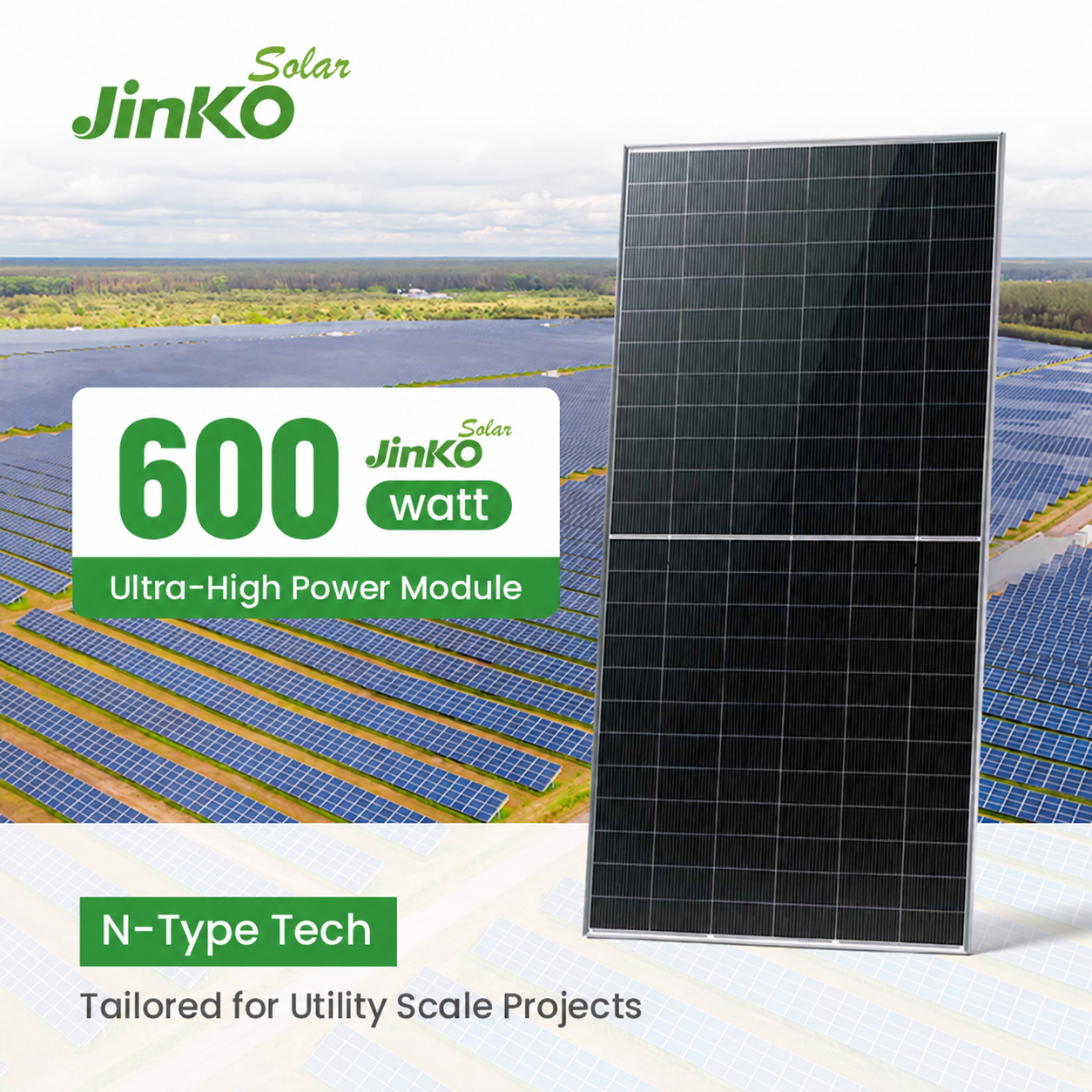
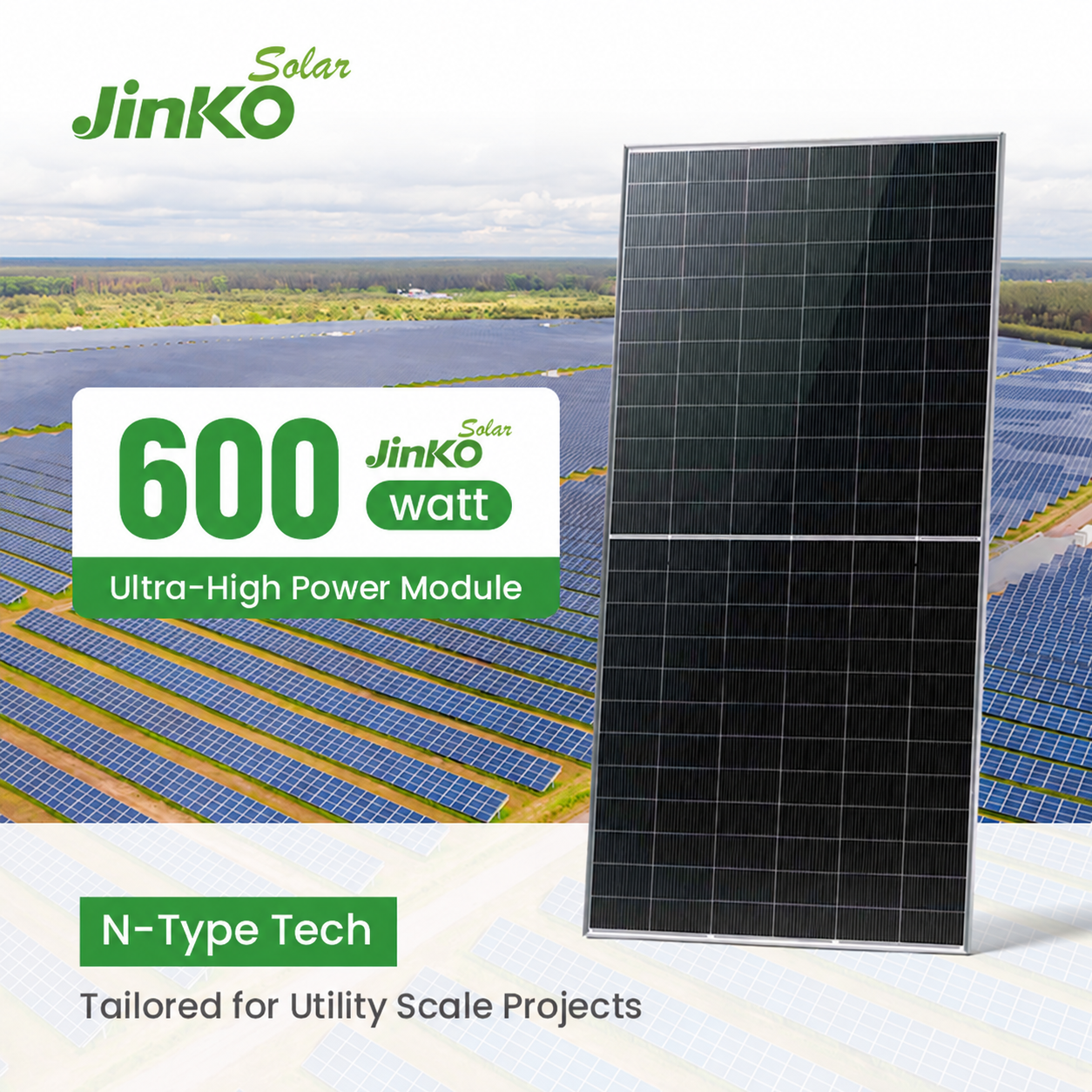
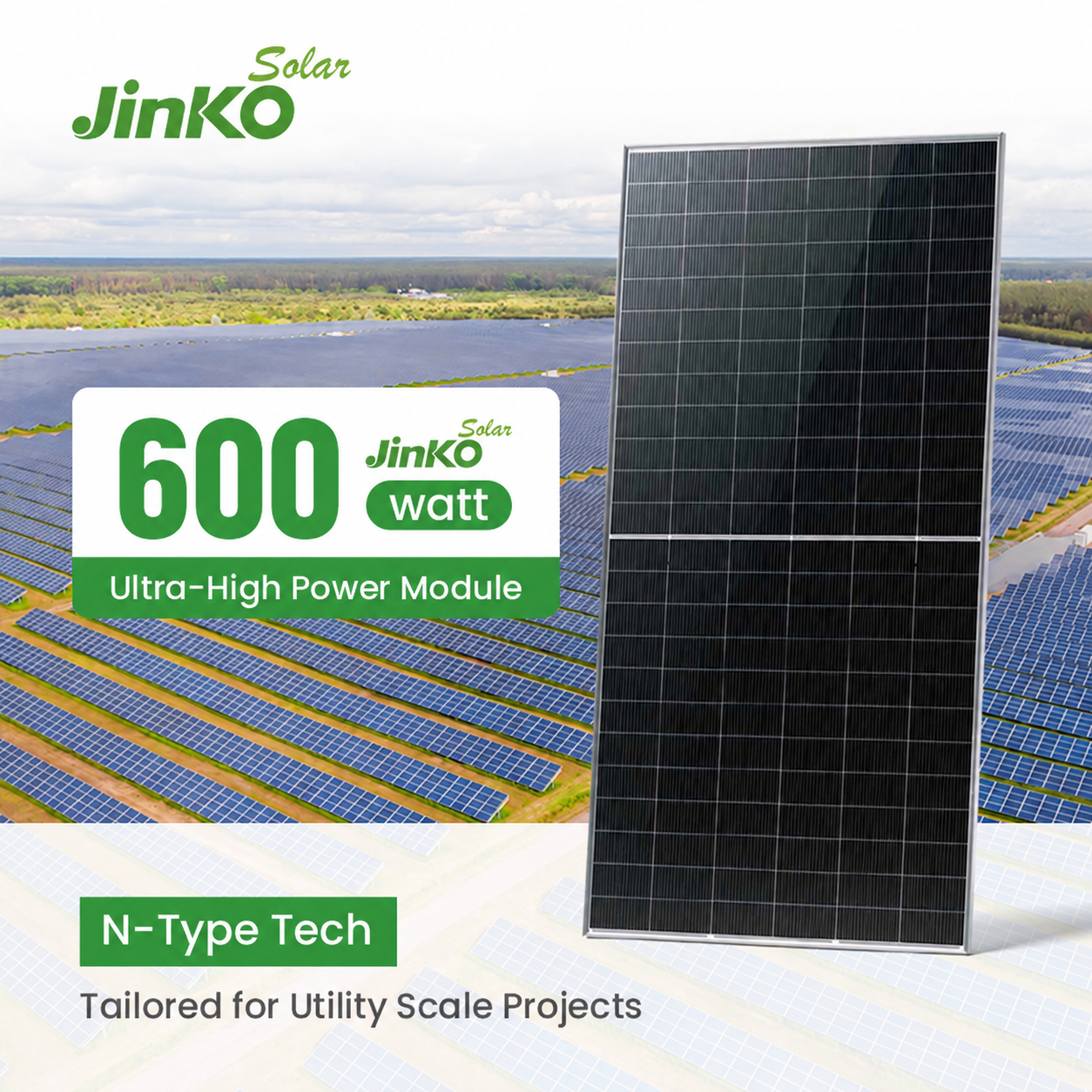
TOPCon N-Type Jinko High Efficiency Bifacial 600W 585W 575W 595W Double Glass N Type Solar Panel

Jinko High Efficiency Bifacial 600W 585W 575W 595W Double Glass N Type Solar Panel

Max Power:575W - 600W
Cell Architecture:N-Type Bifacial
Module Glass:Dual 2.0mm Glass
Ideal Array:Commercial MPPT
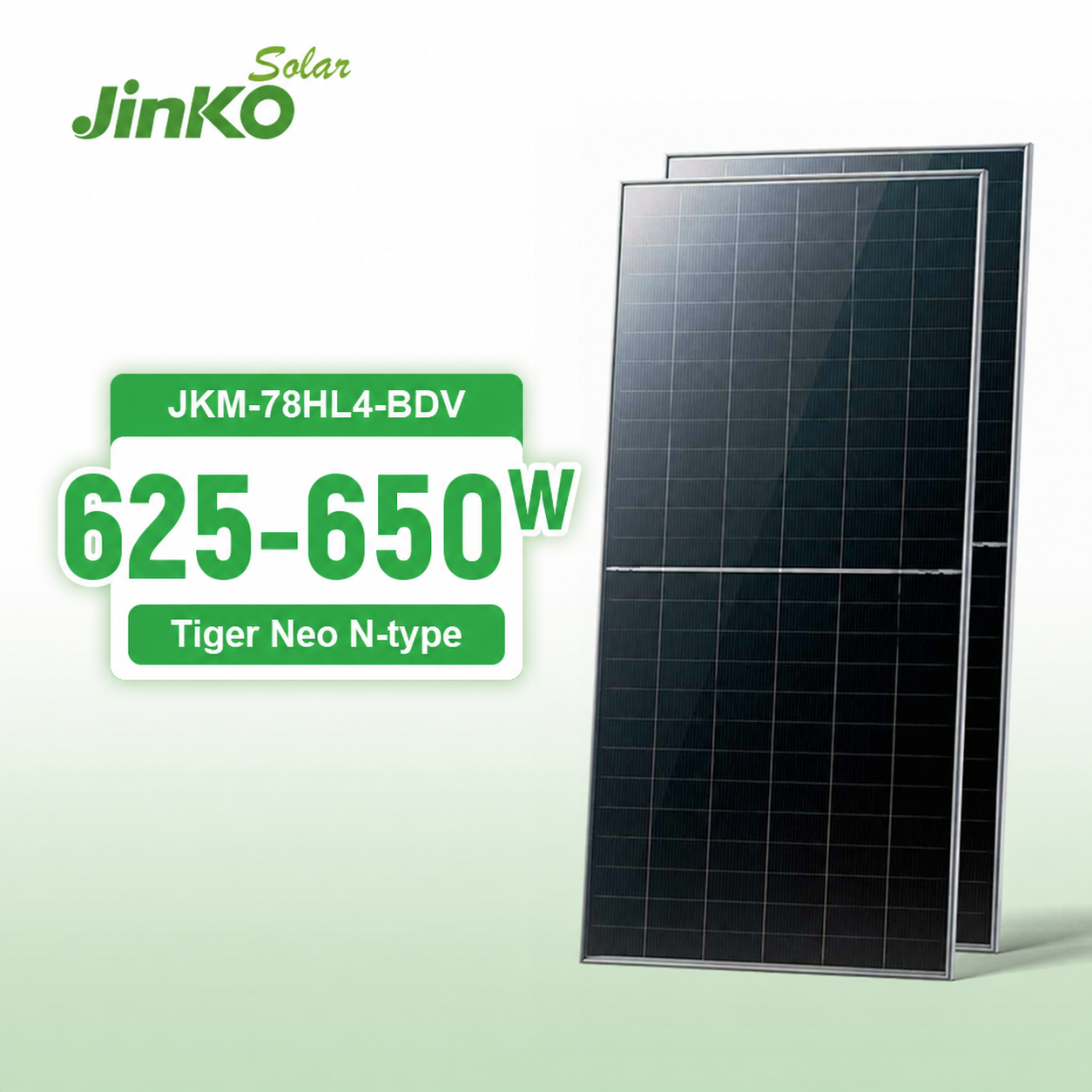
High Yield Stock Jinko N Type Bifacial Pv Modules 630W 625W 635W Double Glass Solar Panel

Jinko N Type Bifacial Pv Modules 630W 625W 635W Double Glass High Efficiency Solar Panel Stock

Max Power:625W - 635W
Efficiency:Up to 22.8%
Temp. Coeff:-0.30% / °C
Bifaciality:80% ± 5%
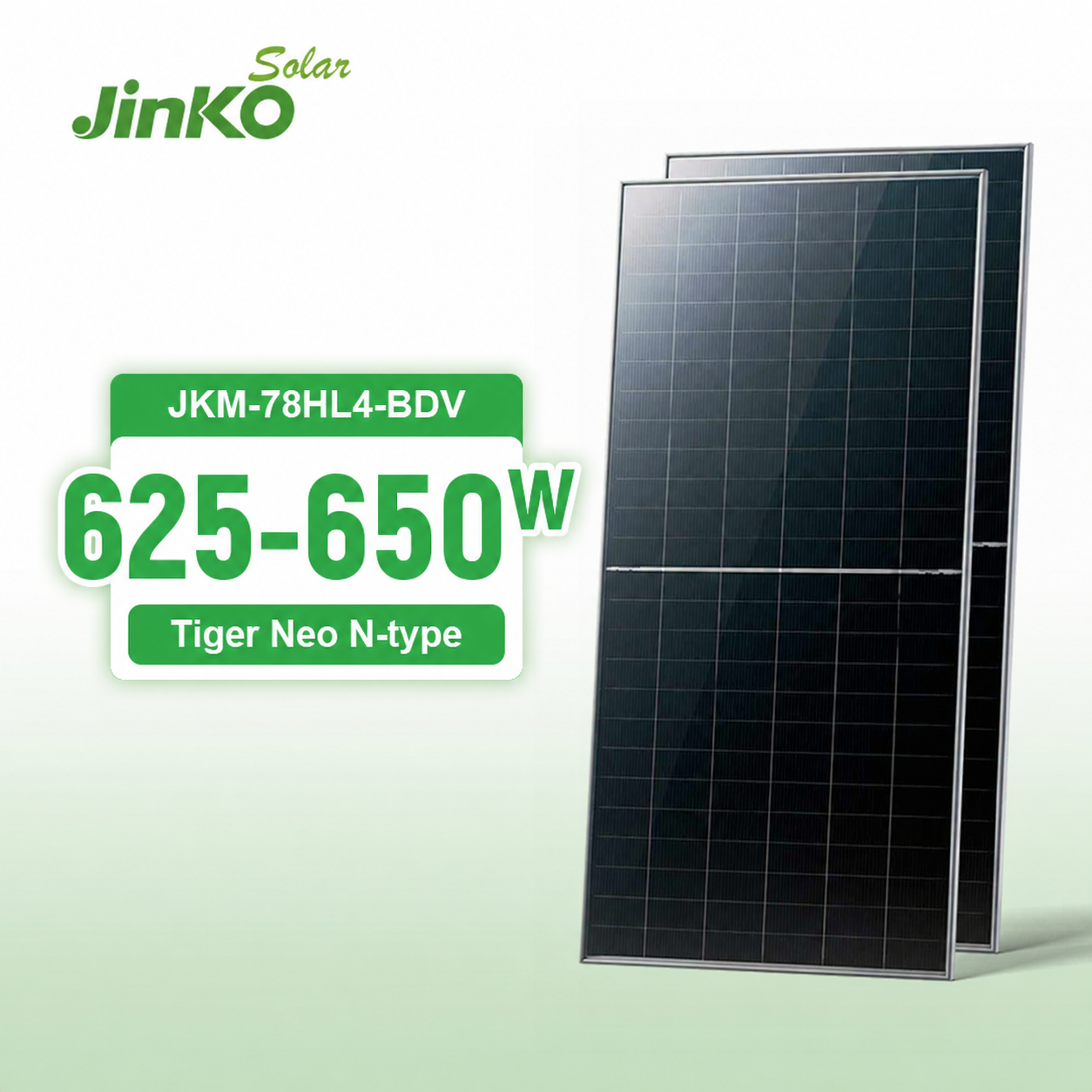
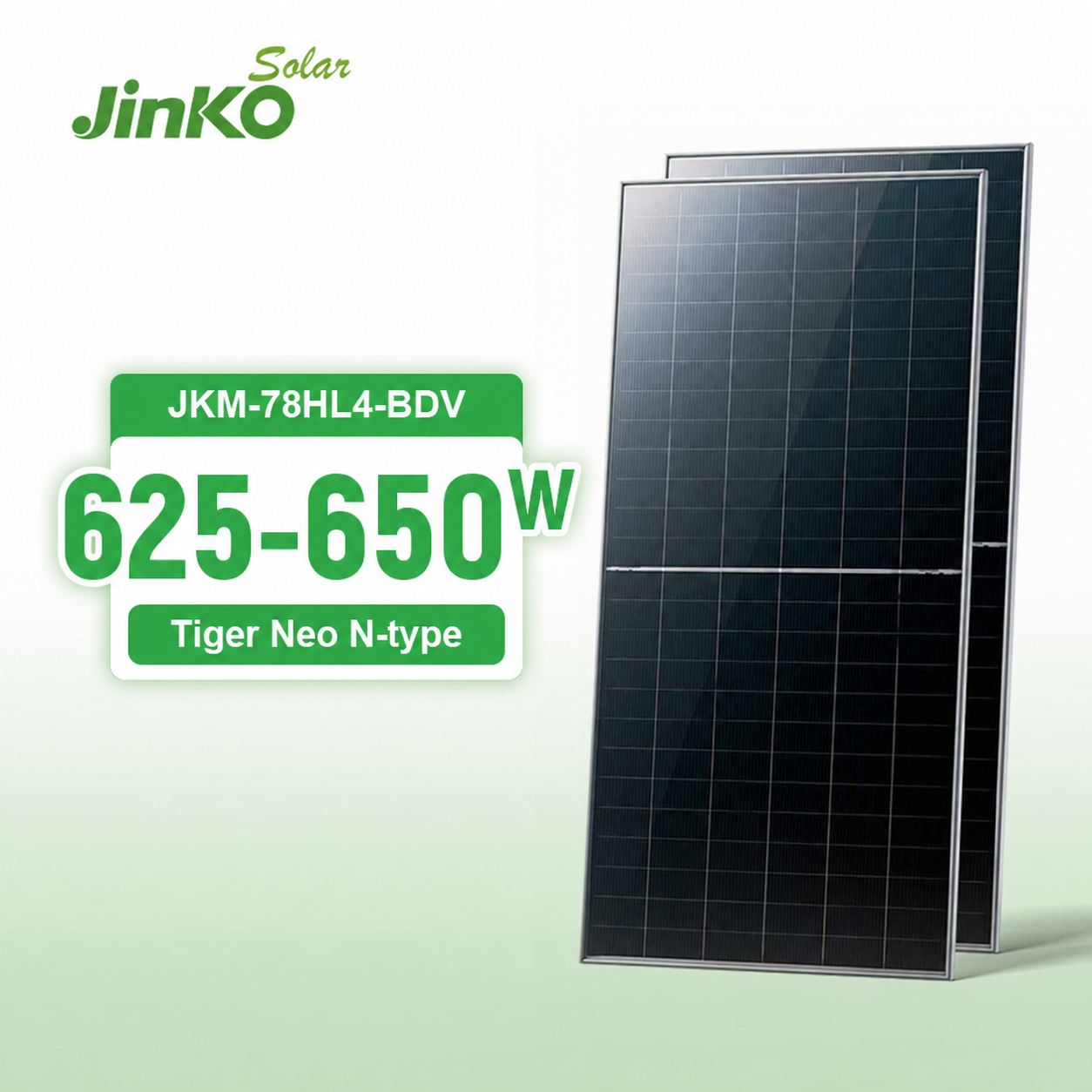
Commercial Utility Jinko N Type Pv Module 650W 625W 645W Bifacial Module

Jinko N Type Pv Module 650W 625W 645W Bifacial Photovoltaic Module Panneau Solaire for Commercial

Max Power:625W - 650W
Front/Back Ratio:Up to 25% Gain
Encapsulation:Anti-PID POE
DC Voltage:1500V Ready
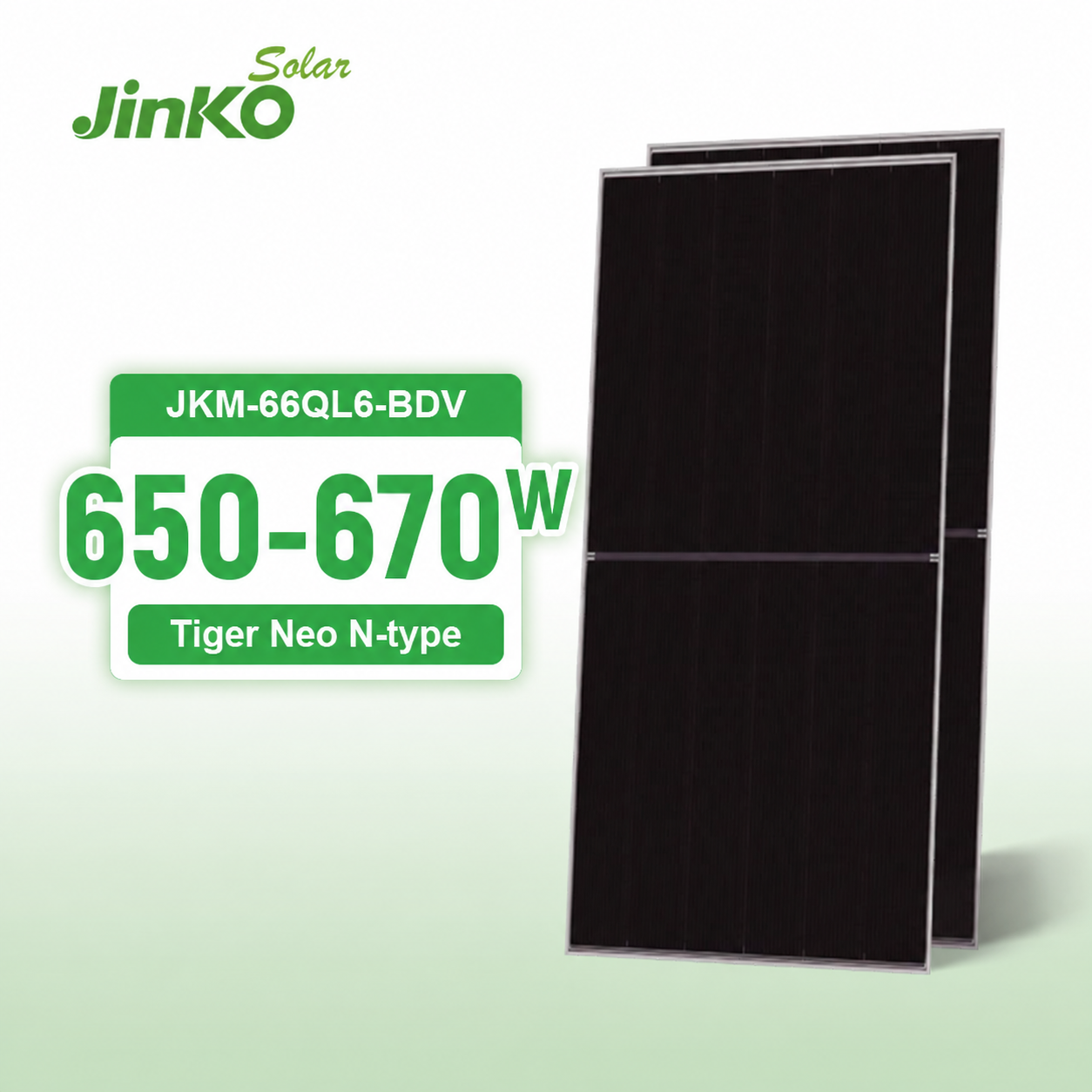
Resort Rooftop Jinko Bifacial Panneau Solaire 650w 660W 670W Dual Glass Monocrystalline Solar Module

Jinko Bifacial Panneau Solaire 650 w 650W 660W 670W Dual Glass Monocrystalline Solar Module for Rooftop

Max Power:650W - 670W
Wind Load:2400 Pa Hurricane
Frame:Anodized Al 35mm
Degradation:1% 1st yr, 0.4%/yr
Heavy Duty Mono Jinko Bifacial Pv Panels 630W 640W 635W Dual Glass Panneau Solaire Monocrystalline

Jinko Bifacial Pv Panels 630W 640W 635W Dual Glass Panneau Solaire Monocrystalline Solar Module for Rooftop

Max Power:630W - 640W
Busbar Tech:SMBB Multi-Busbar
Connector:MC4 EVO2 Original
Certification:IEC61215 / 61730
Agri-PV Compatible Jinko High Efficiency Bifacial Pv Panels 625W 635W 645W Double Glass Solar Panel for Farm

Jinko High Efficiency Bifacial Pv Panels 625W 635W 645W Double Glass Solaire Panneau N Type Solar Panel for Farm

Max Power:625W - 645W
Application:Agrivoltaics & Pumps
Ammonia Test:IEC 62716 Certified
IP Rating:IP68 Junction Box
Industrial Robust Jinko N Type Bifacial 600W 580W 590W Dual Glass Photovoltaic Solar Panel for Industrial

Jinko N Type Bifacial 600W 580W 590W Dual Glass Photovoltaic Solar Panel for Industrial

Max Power:580W - 600W
Thermal Index:Ultra-Low NOCT
Salt Spray:IEC 61701 Level 6
Warranty:30-Year Performance
TOPCon Elite Jinko N Type Bifacial Solar Panels 600W 580W 595W TOPCon Double Glass High Efficiency

Jinko N Type Bifacial Solar Panels 600W 580W 595W TOPCon Double Glass High Efficiency Solar Module

Max Power:580W - 600W
Format:High-Density Layout
Fire Class:UL Type 29 / Class A
Storage Sync:Deye / LiFePO4 Ready
Caribbean Solar Dynamics

Why Charge Controllers & Storage Regulation Define Microgrid Success in Dominican Republic

The Dominican Republic represents one of the most vibrant, fast-accelerating solar energy markets in Latin America and the Caribbean. Driven by the ambitious national mandates under Law 57-07 on Renewable Energy Incentives and monitored by the Comisión Nacional de Energía (CNE) and Superintendencia de Electricidad (SIE), solar power has transitioned from an alternative backup novelty into critical commercial infrastructure.

However, the Dominican geographical footprint poses extreme engineering challenges that standard off-the-shelf electronics fail to endure. With an average solar insolation hovering between 5.2 to 6.8 kWh/m²/day across regions such as Montecristi, Barahona, and the Cibao Valley, solar arrays generate immense sustained current. Concurrently, ambient temperatures regularly exceed 35°C (95°F) with relative humidity levels exceeding 85%.

The Caribbean Salt-Mist & High-Temperature Penalty Conventional Pulse Width Modulation (PWM) and non-conformal coated Maximum Power Point Tracking (MPPT) units suffer severe thermal throttling and internal PCB oxidation within 12 to 18 months of deployment along tourist coastal corridors (Punta Cana, Bávaro, Las Terrenas, Cabarete). High-efficiency MPPT controllers equipped with heavy heatsink mass, conformal anti-corrosion coating, and wide DC voltage input windows are mandatory to capture optimal solar yields without catastrophic component degradation.

At Hangzhou VOLT New Energy, we serve Dominican commercial EPC contractors, solar equipment wholesalers in Santo Domingo and Santiago de los Caballeros, and off-grid project developers by engineering and exporting charge regulation ecosystems that seamlessly bridge PV generation, Deye hybrid inverters, and lithium (LiFePO4) or deep-cycle GEL storage banks.
Commercial solar array and agricultural energy storage in the Caribbean
Dominican Republic Tropical Compliance

Reinforced double-glass panels and sealed IP65 charge controllers tested for high-salinity coastal microgrids and hurricane-grade mechanical resistance.

Grid Volatility & Tariff Relief

High retail electricity tariffs from distribution utilities (EDEESTE, EDESUR, EDENORTE) combined with frequent grid brownouts drive commercial enterprises toward self-consumption solar paired with hybrid charge-regulating storage systems.

Tariff Arbitrage

Hurricane Season Resilience

Systems in the Atlantic hurricane path require autonomous black-start capabilities. Advanced MPPT regulators must manage rapid irradiance transients caused by squalls while safeguarding battery banks against under-voltage lockouts.

Category 5 Resilience

Lithium Transition (LiFePO4)

Wholesale solar buyers in Santo Domingo are rapidly phasing out flooded lead-acid batteries. Charge controllers must feature native CAN/RS485 closed-loop communication to coordinate multi-stage algorithms with modern BMS protocols.

Closed-Loop BMS
Field Proven Caribbean Implementations

Localized Application Scenarios Across the Dominican Republic

From remote ecotourism resorts in Samaná to intensive agricultural pump stations in San Juan de la Maguana, charge controller performance determines whether a solar power investment succeeds or stalls.

Luxury Ecotourism & Island Resorts

Off-grid beach resorts in Punta Cana, Bayahibe, and Las Terrenas cannot tolerate noisy, polluting diesel generators during guest hours. High-voltage MPPT controllers step down high-power Jinko bifacial arrays to charge 48V / 51.2V rack-mount LiFePO4 battery banks silently, providing seamless zero-emission 24/7 air conditioning and water filtration.

Cibao Valley Agrivoltaics & Solar Pumping

Rice, banana, and cocoa plantations throughout La Vega, Espaillat, and Duarte rely on DC solar surface and submersible pumps. Dedicated MPPT solar charge controllers with variable frequency drive (VFD) compatibility track maximum solar power curves without batteries, ensuring maximum flow rates during morning and midday sun hours.

Cordillera Central Telecom Repeaters

Microwave transmission links and cellular base stations situated across high-elevation peaks (Constanza, Jarabacoa) face rapid cloud cover shifts, morning mist, and freezing dampness. MPPT controllers with ultra-fast sweep speeds capture irregular diffuse light, feeding deep-cycle colloidal GEL batteries for zero-downtime communications.

Urban Commercial Peak Shaving (Santo Domingo)

Manufacturing facilities, cold storage warehouses, and private clinics in Haina, San Cristóbal, and Santo Domingo utilize integrated Deye hybrid systems. The high-amperage internal MPPT stages modulate PV generation to offset midday peak utility tariffs, redirecting excess solar current into LFP storage for nocturnal load shedding.

Engineering Whitepaper & Technical Benchmark

Charge Controller Sizing: MPPT vs. PWM in Caribbean Environments

When pairing high-output bifacial modules (580W–670W) with 48V battery banks, understanding electrical parameters under elevated operating temperatures is vital to prevent thermal clipping and equipment burnout.

Engineering Parameter Standard PWM Regulator Industrial MPPT Controller (VOLT Recommendation) Impact on Dominican Republic Field Projects
Energy Conversion Yield 68% – 75% 97.5% – 99.2% MPPT harvests 25-35% more kWh daily under high heat and partial cloud cover common in Santo Domingo.
PV Input Voltage ($V_{oc}$) Window Restricted ($V_{mp} \approx V_{bat}$) Up to 150V / 250V / 500V DC Allows long module strings, significantly reducing copper wiring costs and conduit installation time.
High Ambient Heat Derating (40°C) Severe loss; early shutdown Intelligent thermal stepping & oversized heat sink Maintains continuous operation without tripping during tropical midday peak sun hours (11:00 AM - 2:00 PM).
TOPCon Bifacial Compatibility Poor (cannot handle rear-side $I_{sc}$ spike) Configurable current limit & wide $I_{sc}$ headroom Absorbs up to 25% bifacial backside gain from white flat commercial concrete roofs and light sand surfaces.
Battery Chemistry Support Flooded / Standard Sealed Lead-Acid User-programmable Lithium (LiFePO4) & Colloidal GEL Prevents premature cell starvation in GEL batteries and provides CAN/RS485 handshake for LFP safety.

Bifacial Albedo Current Considerations for Dominican System Designers

When installing bifacial modules like the Jinko 630W or 650W double-glass units in the Dominican Republic, designers must account for elevated rear-side irradiation. In Caribbean installations mounted above light-colored crushed coral limestone gravel, white TPO commercial membrane roofs, or coastal sand, the module albedo reflection regularly increases short-circuit current ($I_{sc}$) by 15% to 22%.

If an installer uses an undersized charge controller rated strictly for standard test conditions (STC: 1000 W/m², 25°C), the extra current generated by the bifacial rear face will force the controller into continuous current saturation or provoke overcurrent error codes during peak midday sun. VOLT New Energy supplies charge control solutions and hybrid inverters with generous DC input current margins (up to 16A–20A per string) to fully monetize bifacial power generation without hardware stress.

Battery and charge controller quality inspection and communication testing
BMS Communication & Quality Test

Every energy storage batch undergoes rigorous CAN/RS485 closed-loop protocol handshake validation prior to export packing.

Direct Hangzhou Factory Advantages

Why Caribbean Distributors & EPCs Partner with VOLT New Energy

International solar supply chains fail when components are misaligned. We eliminate the three biggest risks faced by Dominican importers: communication protocol mismatch, shipping documentation rejections, and component failure in tropical heat.

Pre-Shipment Protocol Verification

Never experience "BMS Communication Lost" errors on Caribbean project sites. Our engineering team matches battery firmware, CAN/RS485 baud rates, pin-outs, and DIP switches with Deye and other tier-1 inverter charge controllers before pallets are shrink-wrapped.

International Certification Compliance

Smooth customs clearance through Dirección General de Aduanas (DGA) at Port of Caucedo and Rio Haina. We provide authenticated UN38.3, MSDS, IEC 62619, IEC 61215, CE, and UL-certified compliance dossiers with every export container.

Consolidated Mixed-Container Shipping

Maximize working capital by consolidating Jinko solar panels, MPPT charge controllers, Deye hybrid inverters, racking clamps, and LiFePO4 / GEL battery banks into unified 20GP or 40HQ container loads from Ningbo or Shanghai directly to the Dominican Republic.

Full System Engineering & Sizing Support

Our dedicated bilingual solar engineers calculate array-to-battery capacity ratios, temperature coefficient loss allowances, and string sizing schematics based specifically on your client's GPS coordinates and load profile in the Dominican Republic.

VOLT factory warehouse and logistics packaging
Container loading of solar storage products
VOLT solar equipment corporate showroom and factory overview
Dominican Importer Knowledge Base

Frequently Asked Questions by Dominican Solar Buyers

Practical engineering, import compliance, and operational answers for distributors, installers, and project owners in Santo Domingo, Santiago, and Punta Cana.

What is the import duty and tax situation for solar charge controllers in the Dominican Republic?

Under Dominican Law 57-07 (Incentives for Renewable Energy Development), approved solar equipment—including photovoltaic modules, inverters, deep-cycle batteries, and charge controllers—can qualify for an exemption from the 18% ITBIS (tax on transfers of industrialized goods and services) and tariff import duties. Importers must process certified technical documentation through the CNE (Comisión Nacional de Energía) and Ministerio de Hacienda prior to customs arrival. VOLT provides detailed proforma invoices, HS-coded packing lists, and certified test reports to expedite this process.

How do high ambient temperatures in the Dominican Republic affect MPPT charge controller sizing?

Under Dominican solar irradiance, module cell temperatures frequently reach 55°C to 65°C. At these temperatures, photovoltaic output voltage ($V_{mp}$) drops significantly due to negative temperature coefficients (typically -0.30%/°C for N-Type TOPCon). When selecting an MPPT controller, the minimum array $V_{mp}$ in peak summer heat must remain comfortably above the battery charging absorption voltage threshold (typically >56V for a 48V nominal battery bank). Otherwise, charging will prematurely cease or experience severe current derating.

Can VOLT lithium batteries communicate directly with Deye hybrid inverter charge regulators?

Yes. Our wall-mounted, rack-mounted, and stacked LiFePO4 batteries feature customized BMS microcontrollers programmed specifically for Deye CAN protocol standard 00. When connected via standard RJ45 Ethernet patch cables, the Deye hybrid inverter automatically identifies state of charge (SOC), real-time cell voltages, optimal charge current limits, and temperature protection limits, completely eliminating manual voltage configuration errors.

Why should coastal projects in Punta Cana or Cabarete avoid standard PWM controllers?

PWM controllers do not transform surplus panel voltage into charging amperage; they merely pull the solar panel voltage down to battery terminal level, resulting in an immediate 30% to 40% loss of potential energy from modern 600W+ panels. Additionally, budget PWM units typically lack conformal silicone PCB coatings, leaving circuit boards vulnerable to rapid corrosion from salty Atlantic and Caribbean trade winds, leading to catastrophic short-circuits within months.

What is the typical shipping transit time from China to Port of Caucedo or Rio Haina?

Standard ocean container transit time from Ningbo or Shanghai Port to DP World Caucedo or Rio Haina (Santo Domingo) is typically 28 to 38 calendar days depending on whether a direct shipping line (such as CMA CGM, MSC, or Evergreen) or transshipment route via Panama/Manzanillo is selected. VOLT handles complete container loading, export dangerous goods (DG) lithium maritime approvals, and courier dispatch of original Bill of Lading (B/L) and certificates.

Should a Dominican project choose LiFePO4 or Deep-Cycle Colloidal GEL batteries?

For daily cycling systems, high-tariff commercial facilities, and residential backup in urban centers, Lithium Iron Phosphate (LiFePO4) is far superior due to its 6,000+ cycle life, 90% Depth of Discharge (DOD), compact footprint, and active BMS monitoring. However, for remote rural installations or cost-restricted budget systems where ambient battery rooms cannot be air-conditioned, our sealed maintenance-free Colloidal GEL batteries offer superior thermal tolerance and immunity to thermal runaway without active cooling.

How does hurricane wind load impact solar panel and racking specifications in the Dominican Republic?

The Dominican Republic falls within the North Atlantic hurricane basin, requiring solar installations to withstand sustained winds of 130 to 160+ mph (Category 3–5). Our double-glass Jinko N-Type modules feature 35mm heavy-duty anodized aluminum alloy frames and dual 2.0mm tempered glass capable of withstanding front-side mechanical snow/wind loads of 5400 Pa and rear-side wind uplift loads of 2400 Pa when paired with certified marine-grade aluminum mounting structures.

What is the warranty policy and RMA procedure for Dominican Republic clients?

All products carry original factory warranties: Jinko solar panels feature 12–15 year product and 30-year linear performance warranties; Deye inverters and VOLT LFP batteries include 5 to 10-year factory warranties. Because shipping individual defective units back to China is economically impractical, VOLT maintains detailed component serial number tracing and provides spare circuit boards, BMS modules, and display units directly on warranty verification via photo/video diagnostic reports.

Accelerate Your Dominican Solar & Storage Business

Whether you need a dedicated container of 600W+ Jinko TOPCon modules, customized MPPT charge regulators, Deye hybrid inverters, or integrated LiFePO4 battery banks, VOLT New Energy is your verified technical supply partner.