Industrial PV & Storage Portfolio
High-Efficiency Inverter & Bifacial Module Arrays Serving Tabriz
Engineered for low-temperature coefficient stability, dual-glass protection against harsh Sahand mountain winters, and seamless synchronization with Deye hybrid inverter architectures.
1. Engineering Executive Summary: Solar & Storage Dynamics in Tabriz
As the premier industrial capital of northwestern Iran and the provincial seat of East Azerbaijan, Tabriz represents a demanding electrical environment characterized by high-altitude irradiance, intense industrial inductive loads, and severe seasonal grid curtailment. Situated at an average elevation of 1,360 meters within a semi-arid continental plateau flanked by Mount Sahand, local solar installations encounter significant environmental extremes—from freezing winter conditions plunging below -20°C to dry, dust-laden summer peaks exceeding +38°C.
Hangzhou VOLT New Energy serves commercial engineering, procurement, and construction (EPC) contractors, industrial factory operators in the Shahid Salimi Industrial Zone, and regional distributors across Tabriz. We deliver end-to-end solar conversion architectures: pairing field-proven Deye low-voltage and high-voltage hybrid inverters (3kW to 50kW, parallelable up to 800kW), industrial tier-1 Jinko N-Type TOPCon dual-glass bifacial modules, and lithium iron phosphate (LiFePO4) storage systems. Our direct system-integration eliminates common on-site failure modes such as sub-zero open-circuit overvoltage breakdowns, communication handshake mismatches between Battery Management Systems (BMS) and inverters, and excessive thermal derating during peak industrial shifts.
1,360m
Tabriz Average Elevation (High UV & Voc Surge)
2,850h
Annual Peak Sun Hours in East Azerbaijan
<4ms
UPS-Grade Grid Transfer Time (Deye Hybrid)
6,000+
LFP Deep Discharge Cycles @ 80% DoD
2. Navigating Localized Realities: Climate, Voc Expansion & Industrial Load Profiles
Designing an optimized solar inverter and battery storage system for Tabriz requires strict adherence to localized thermodynamics and power quality parameters. Standard international PV configurations frequently fail in northwestern Iran due to two primary oversights: ignorance of the low-temperature open-circuit voltage (Voc) surge during January/February freezes, and failure to buffer the severe inductive spikes created by heavy manufacturing machinery.
Mount Sahand Cold Climatic Swings
Winter ambient temperatures in Tabriz drop to -20°C. Standard solar PV modules exhibit a negative temperature coefficient (-0.29%/°C to -0.30%/°C for modern TOPCon). At -20°C, string Voc expands by up to 14.5% above standard STC rating.
- Strict MPPT sizing below 850V limit (1000V max)
- Prevention of inverter DC bus transient trip
Industrial Grid Instability & Outages
During summer peak demand, manufacturing plants in Shahid Salimi, Shahid Rajaei, and Chamran Industrial Zones face mandatory load shedding schedules (1 to 2 days weekly), causing severe disruption to automated injection molding and CNC milling lines.
- Deye 50kW HV hybrid zero-export & microgrid mode
- Sub-4ms seamless backup load switching
Particulate Soiling & Dual-Glass Resilience
Surrounded by dry terrain and heavy industrial output, dry dust buildup causes hot-spot risks and PID degradation on standard backsheet modules. Dual-glass bifacial panels provide robust anti-abrasion and mechanical durability under heavy snow loads.
- Dual 2.0mm tempered glass IP68 rating
- Up to 25% bifacial backside albedo gain on snow
Technical Bulletin: Calculating Inverter String Sizing for East Azerbaijan Winter Operation
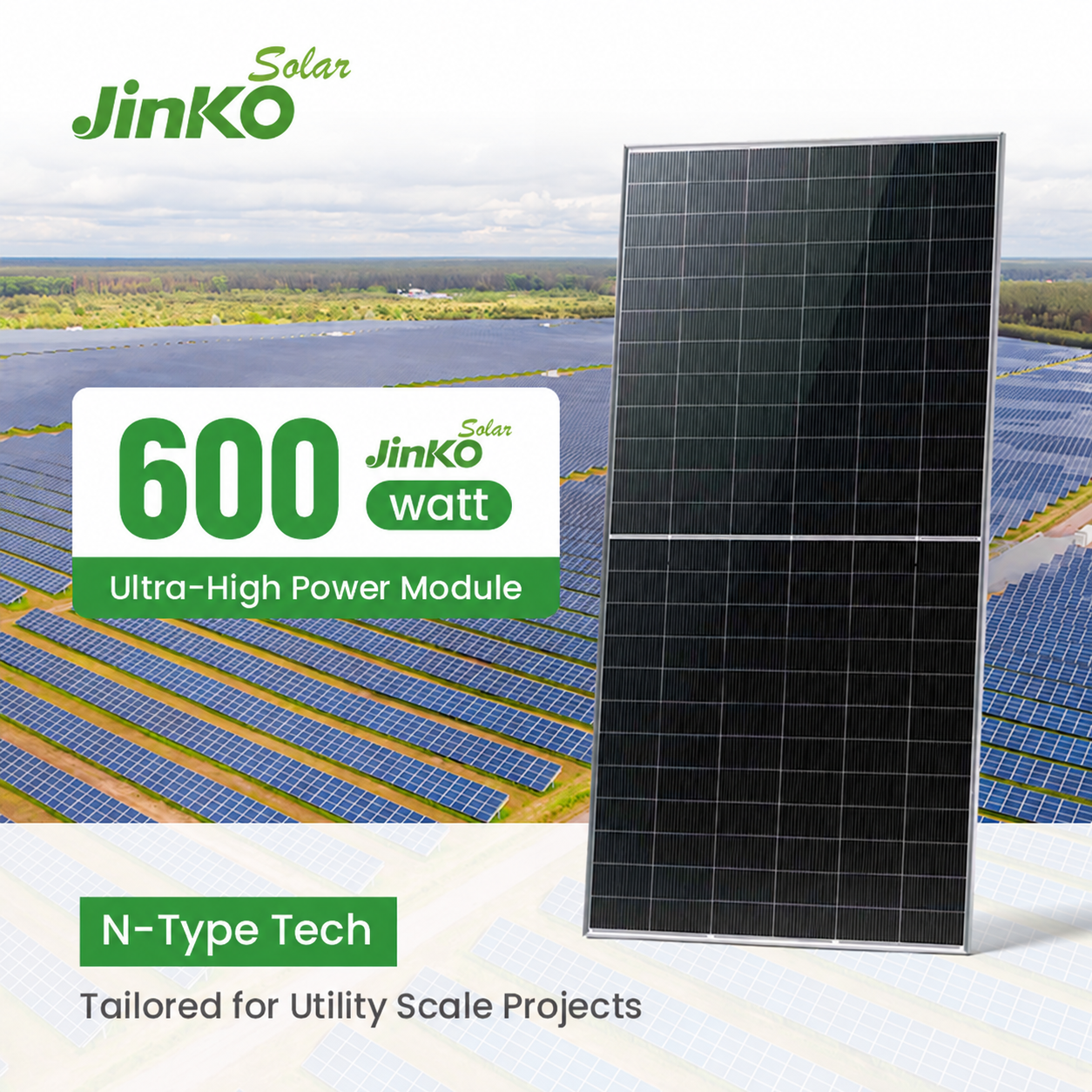
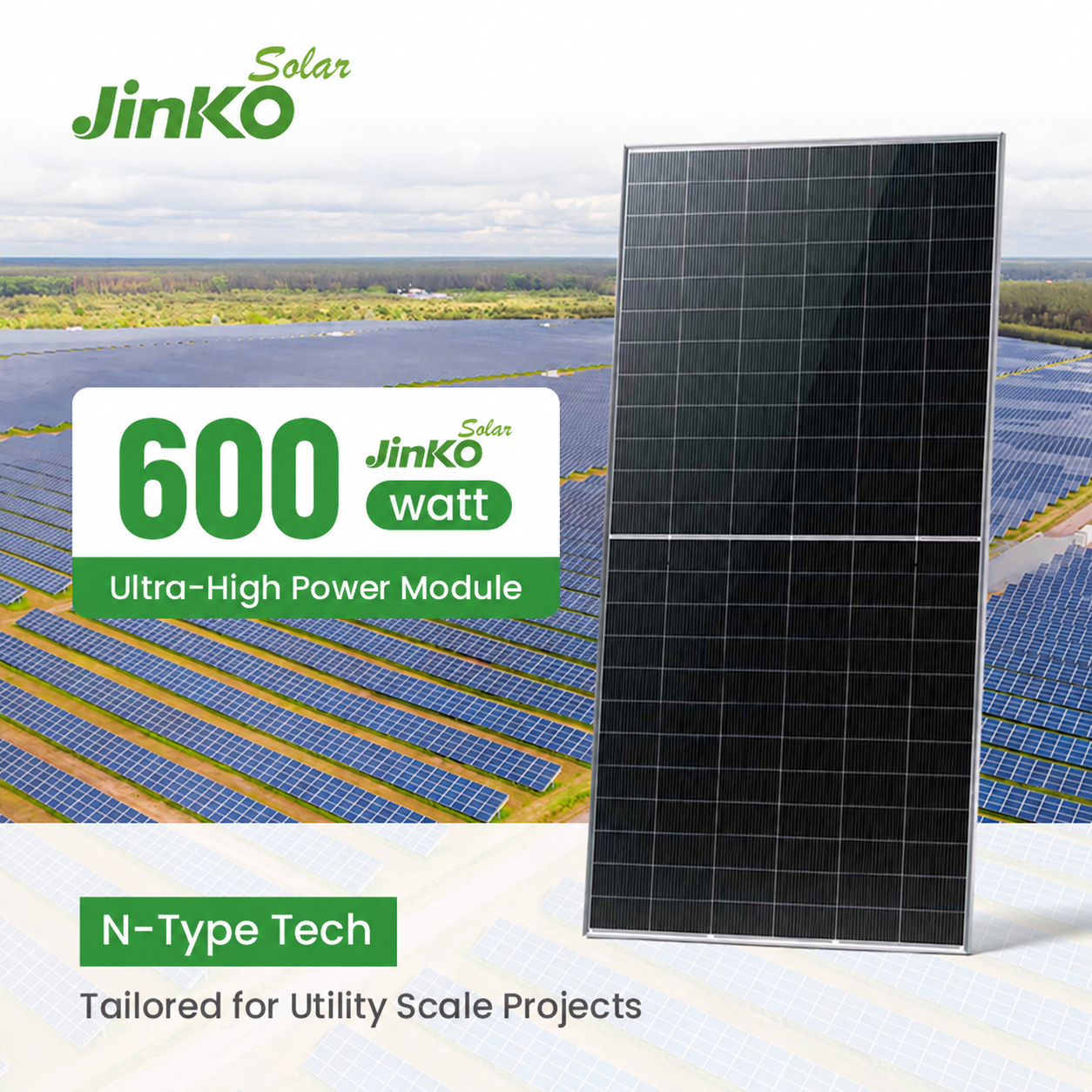
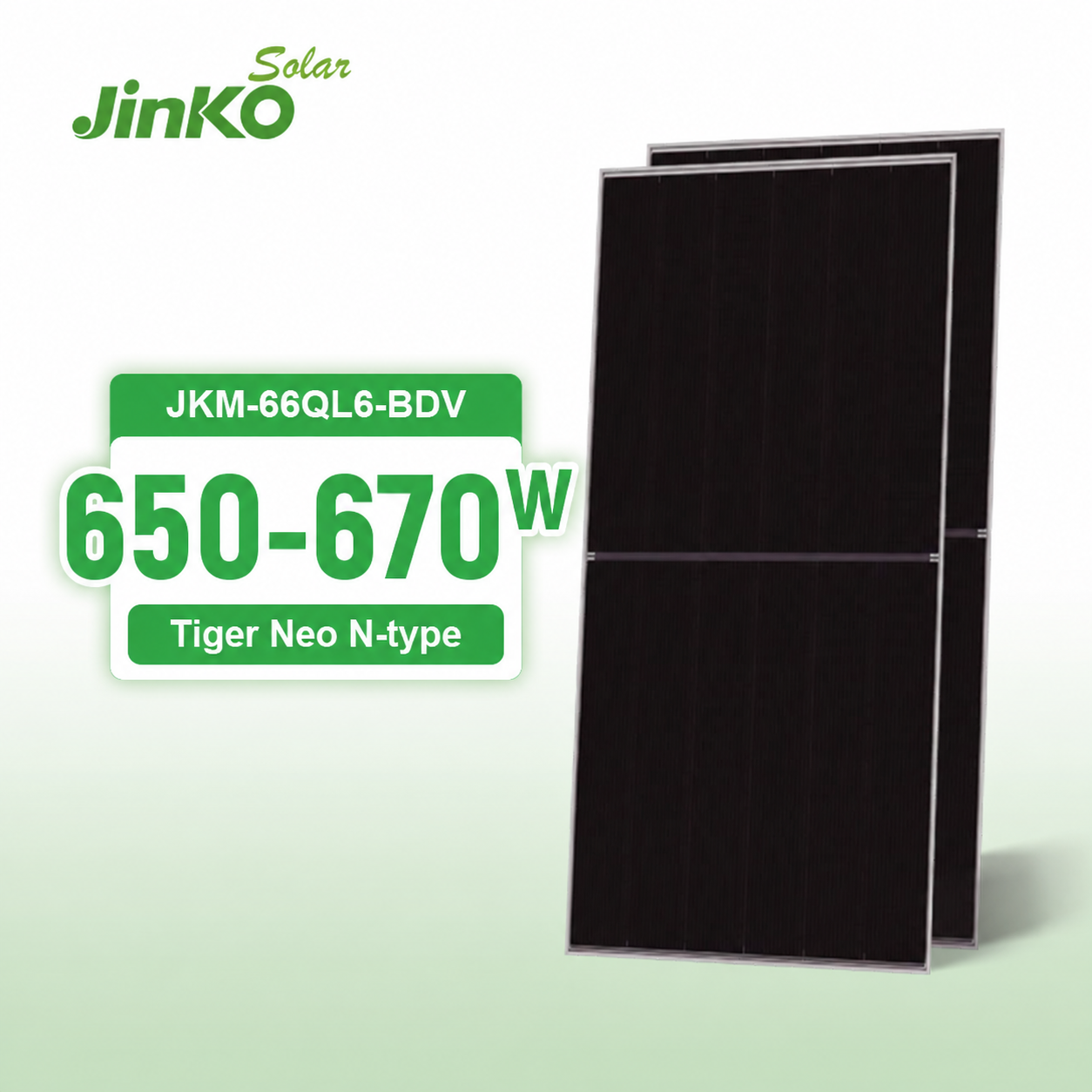
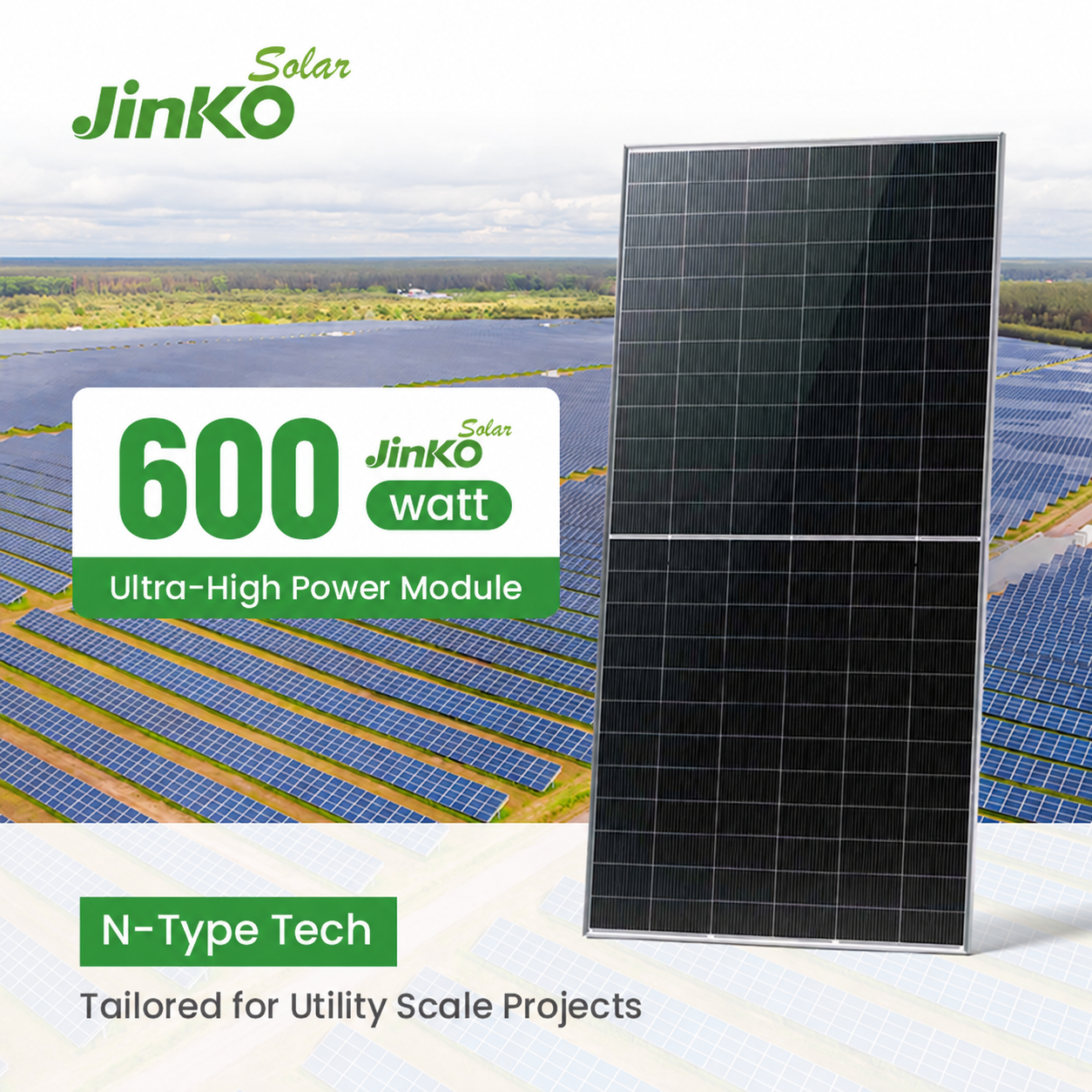
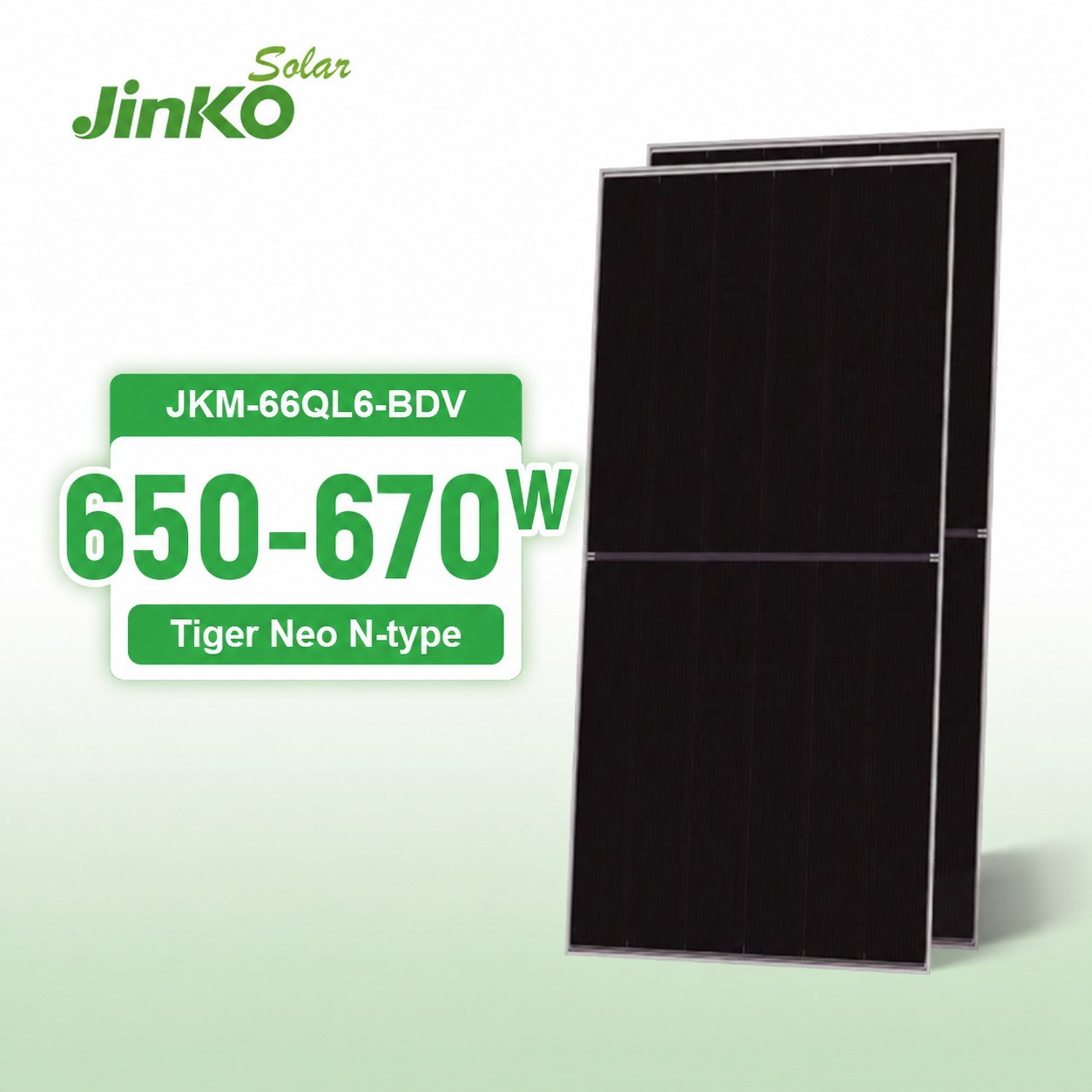
For a standard industrial installation using Jinko 600W TOPCon Bifacial Modules (Voc = 50.9V at 25°C STC, Temperature Coefficient of Voc = -0.28%/°C), ambient conditions in Tabriz frequently reach -15°C to -20°C on cloudless winter mornings. Under -20°C conditions (ΔT = -45°C), the corrected open-circuit voltage rises to:
Voc(-20°C) = 50.9V × [1 + (-0.0028 × -45)] = 57.31V per module.
When utilizing an inverter with an absolute maximum DC input voltage of 1000V (e.g., standard commercial Deye three-phase strings), installers must limit string lengths to a maximum of 16 modules in series (16 × 57.31V = 917V) rather than the standard 18-module configurations seen in low-altitude warm climates. Exceeding 16 modules creates instantaneous DC overvoltage transients that cause inverter hardware shut-offs. Hangzhou VOLT New Energy pre-calculates and verifies all string layouts prior to container dispatch.
3. Localized Application Scenarios Serving Tabriz Industry & Commerce
Our solar inverters and energy storage solutions are tailored to specific commercial and infrastructural use cases across the East Azerbaijan economic corridor:
Industrial Parks (Shahid Salimi)
Large-scale manufacturing facilities requiring continuous 3-phase power. Deye 30kW–50kW high-voltage hybrid inverters parallel connected with 100kWh–500kWh LiFePO4 battery containers, buffering peak tariffs and preventing production halt during rolling blackouts.
Cold Storage & Food Processing
Agro-industrial facilities in Marand and Azarshahr processing fruit and dairy. Microgrid inverters interface directly with existing diesel generators, minimizing fuel burn by 65% through intelligent solar-first power routing.
Heavy Machinery & Textiles
Fabrication plants with high inrush current equipment. Inverter systems engineered with 200% surge capacity for 10 seconds handle inductive motor starts without collapsing the internal microgrid bus voltage.
Commercial Complexes & Hospitality
Hotels, modern office towers, and private hospital facilities throughout central Tabriz requiring quiet, emissions-free emergency power that surpasses noisy, polluting diesel gensets.
4. Technological Trends Accelerating Solar Inverter Adoption in Tabriz
The regional energy paradigm across northwestern Iran is rapidly transitioning from standard on-grid feed-in setups to resilient, decentralized storage microgrids. Three clear technological shifts dictate current procurement preferences:
Transition from Low-Voltage (48V) to High-Voltage (160V–800V) Storage: While 48V low-voltage systems remain viable for residential applications, commercial users in Tabriz are shifting to high-voltage lithium architecture. High-voltage systems drastically reduce DC copper cable thickness, lower round-trip thermal losses in sub-zero winter temperatures, and achieve total system electrical efficiency exceeding 97.6%.
Adoption of Dual-Glass N-Type TOPCon Panels: P-Type PERC modules are rapidly becoming obsolete in commercial procurement. N-Type TOPCon panels provide superior bifaciality (up to 80–85%), lower annual degradation (<1% in Year 1, <0.4% annually thereafter), and vastly superior low-irradiance generation during the foggy, overcast winter days common to the Tabriz basin.
Smart Generator Synchronization: Modern inverters must not merely shut off when the grid fails; they must intelligently command auxiliary generators. Our supplied Deye hybrid systems feature an independent generator port that auto-starts dry contact backup generators only when battery state of charge (SoC) drops below user-defined thresholds (e.g., 20%), optimizing overall fuel efficiency.
5. Why EPCs & Industrial Buyers Choose Hangzhou VOLT New Energy
Hangzhou VOLT New Energy Technology Co., Ltd. eliminates the costly risks associated with international equipment importing: protocol incompatibility, transport customs delays, and substandard component matching. We are an onsite-verified supplier and system integrator delivering turnkey energy reliability.
Verified BMS Communication
Every hybrid inverter and lithium battery bank undergoes pre-shipment bench testing. We verify CAN/RS485 baud rates, pinout mapping, and charge curves so systems synchronize on first power-up.
Compliant Export Documentation
Complete regulatory sets including UN38.3 lithium battery shipping reports, MSDS, Class 9 Dangerous Goods packaging, and manufacturer TÜV/CE test certifications for streamlined customs clearance.
Consolidated Container Logistics
Save shipping costs by consolidating tier-1 Jinko solar panels, Deye inverters, LFP or colloidal deep-cycle GEL batteries, DC combiners, and mounting racking into unified container loads.
Procurement Intelligence
Frequently Asked Questions by Tabriz Solar Buyers
Direct technical answers addressing system design, equipment longevity, cold weather operation, and international trade logistics.
How do Deye hybrid inverters handle the extreme winter freezing temperatures of Tabriz?
Deye hybrid inverters are rated for operation between -40°C and +60°C with an IP65 ingress protection chassis. In cold climates like Tabriz, our primary design focus is on string open-circuit voltage (Voc) surge calculations. We adjust solar array string lengths to guarantee that cold-morning Voc peaks never exceed the inverter’s maximum DC bus ceiling (typically 500V for single-phase or 1000V for three-phase models). For lithium battery storage, our LFP packs incorporate integrated smart internal heating pads powered directly by early-morning PV yield, preventing low-temperature lithium plating during sub-zero charging cycles.
What is the advantage of choosing Jinko N-Type TOPCon bifacial modules for East Azerbaijan projects?
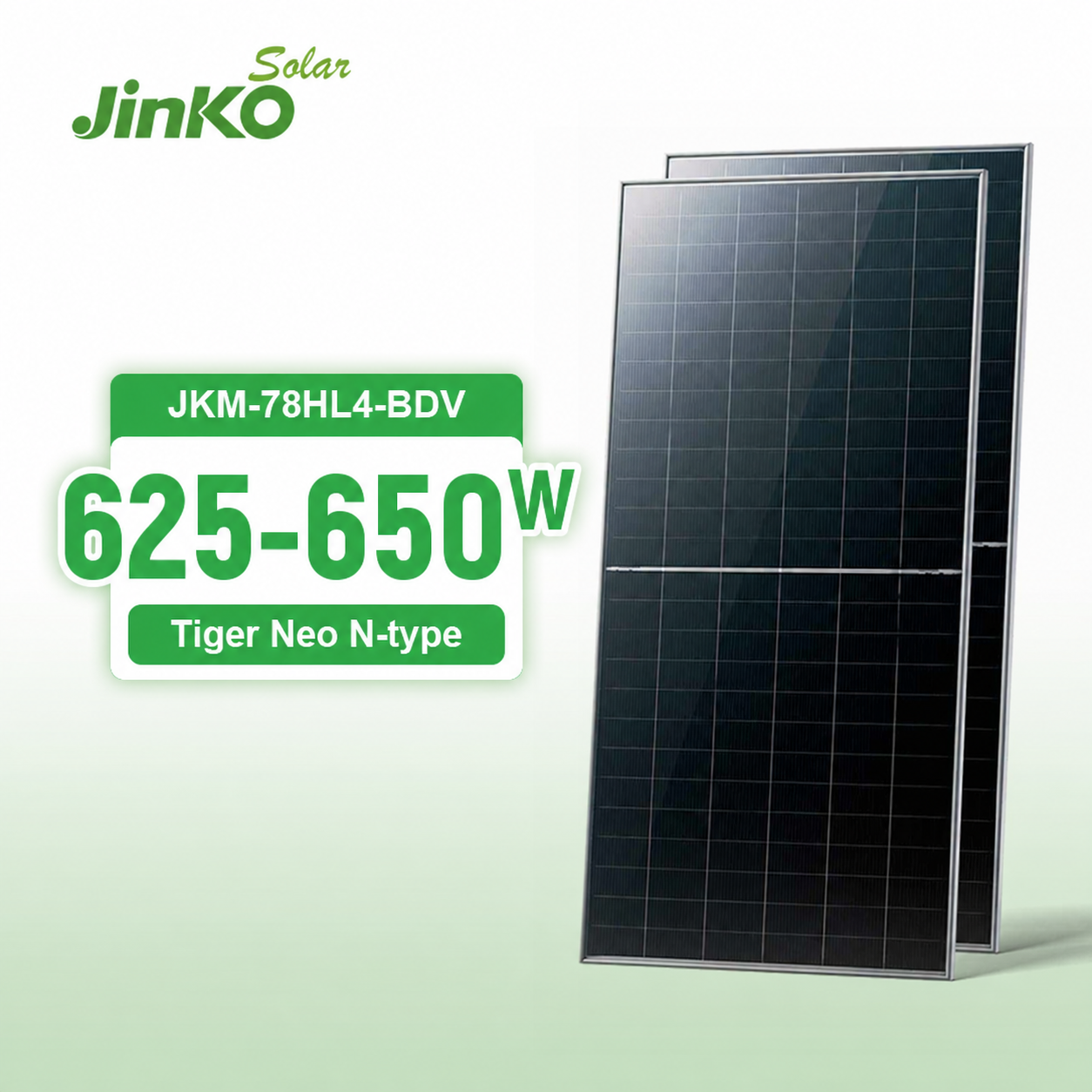
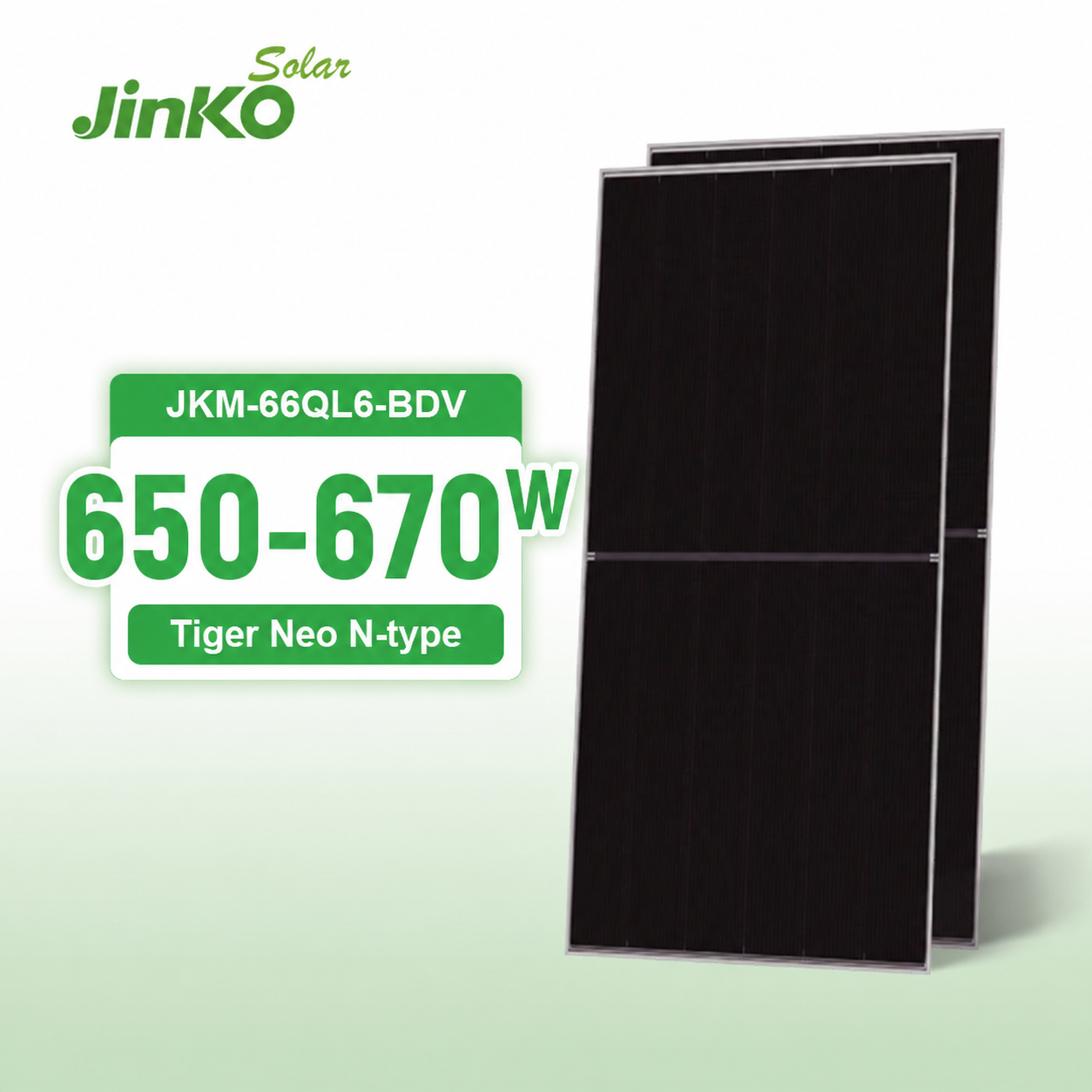
Jinko N-Type TOPCon bifacial dual-glass modules offer a temperature coefficient of -0.29%/°C, significantly lower than older P-type modules. When installed in ground-mount or elevated rooftop commercial arrays in Tabriz, winter snowfall on the ground creates a high-albedo reflective surface. The rear side of the dual-glass bifacial panels captures this reflected light, delivering an extra 15% to 25% energy yield during winter months when direct sun angles are low. Furthermore, the dual-tempered glass construction prevents micro-cracking caused by heavy snow loads and resists abrasive airborne dust from surrounding arid plains.
Can your hybrid inverters synchronize with existing industrial diesel generators in Shahid Salimi plants?
Yes. Deye three-phase hybrid inverters (including 10kW, 12kW, 15kW, 20kW, 30kW, and 50kW models) include a dedicated, bidirectional auxiliary input port designed specifically for diesel generator integration. The inverter acts as the master microgrid controller: during a utility blackout, it instantly takes over loads in under 4ms. If battery capacity depletes, the inverter automatically triggers the generator via an integrated dry-contact relay, synchronizes AC frequencies, supplements power dynamically with available solar PV, and runs the generator at its optimum fuel-efficiency loading curve before shutting it down automatically.
For backup and solar cycling, should we procure LFP lithium batteries or deep-cycle GEL colloidal batteries?
For daily solar self-consumption, peak-tariff shaving, and frequent industrial cycling, Lithium Iron Phosphate (LiFePO4) is the superior long-term investment, offering over 6,000 cycles at 80% Depth of Discharge (DoD) and a 10-year service life. For projects with restricted upfront capital or installations focused purely on rare emergency backup where batteries stay on float charge for extended periods, deep-cycle colloidal GEL batteries represent an economical alternative. Hangzhou VOLT New Energy supplies both chemistries, providing honest sizing analysis based on your expected cycling frequency and ambient operating conditions.
How does Hangzhou VOLT New Energy manage pre-shipment compatibility verification?
The single most common complaint among international solar importers is receiving inverters and batteries that throw "BMS Communication Fault" errors upon installation. Prior to palletizing, our Hangzhou engineers wire the specific battery modules and inverters ordered, flash matching firmware revisions, establish CAN or RS485 communication handshakes, verify parameter telemetry (cell voltages, charge limits, SoC), and document the RJ45 cable pinouts. We provide complete wiring schematics, DIP switch setting guides, and video proof of communication with every commercial order.
What documentation and shipping protocols are followed for shipments into northwestern Iran?
Lithium battery exports require Class 9 Dangerous Goods compliance. We prepare all verified UN38.3 test reports, Material Safety Data Sheets (MSDS), and sea freight packaging certificates required by international shipping carriers. Cargo is routed securely via container vessels to destination ports (such as Bandar Abbas) or transit hubs, coordinated with your freight forwarder. We also facilitate consolidating Jinko PV modules, inverters, cables, and circuit protection devices into single containers to minimize demurrage and clearance handling expenses.
Design Your Resilient Solar Power Architecture for Tabriz
Consult with our engineering team for customized inverter sizing, bifacial string calculations, and consolidated equipment quotes matching your industrial load profile.
Get Catalog