Dual Glass Monocrystalline
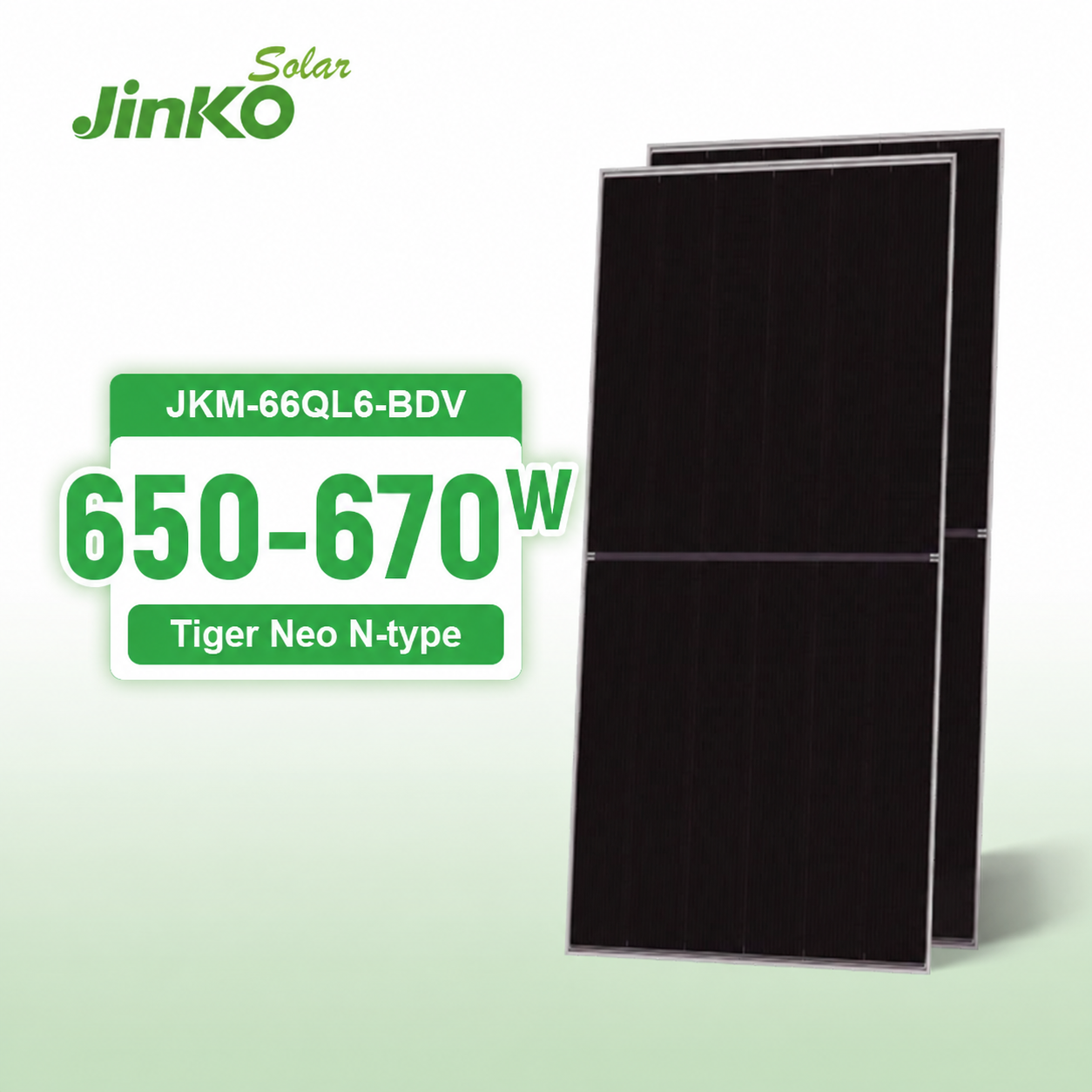
Pre-tested and certified high-output solar modules matched specifically with micro inverters and low-voltage energy storage systems for high ambient temperature resilience in Greater Damascus.
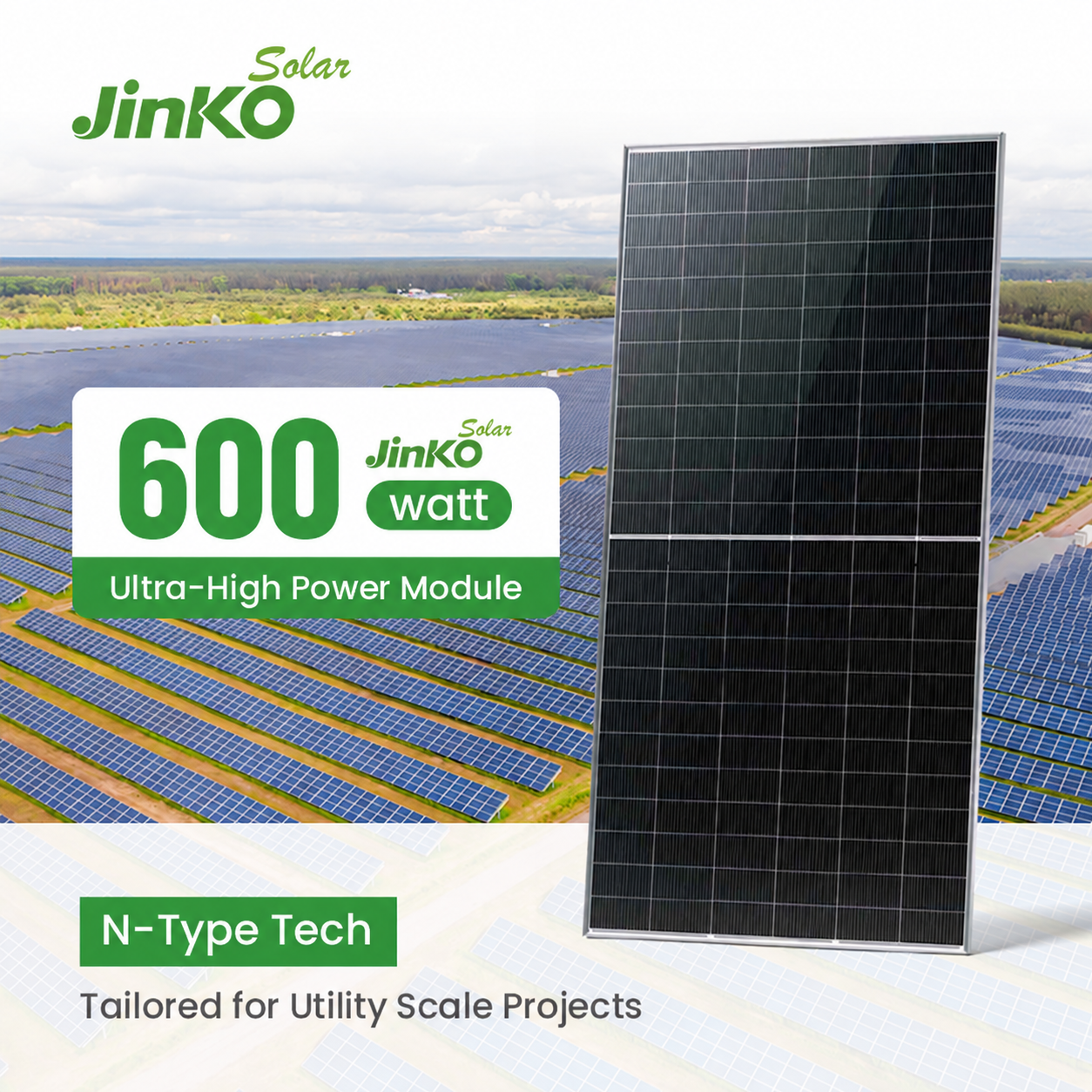
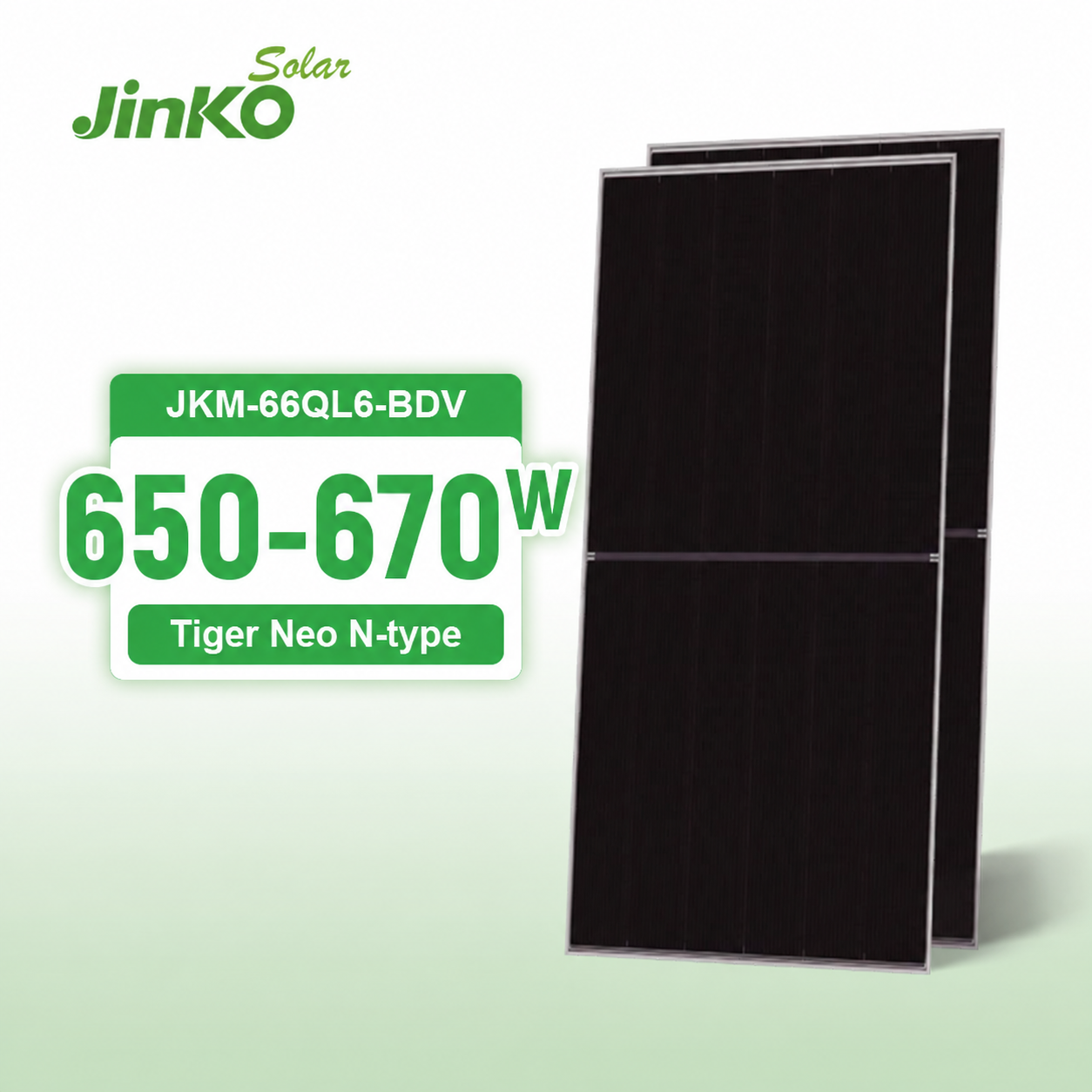
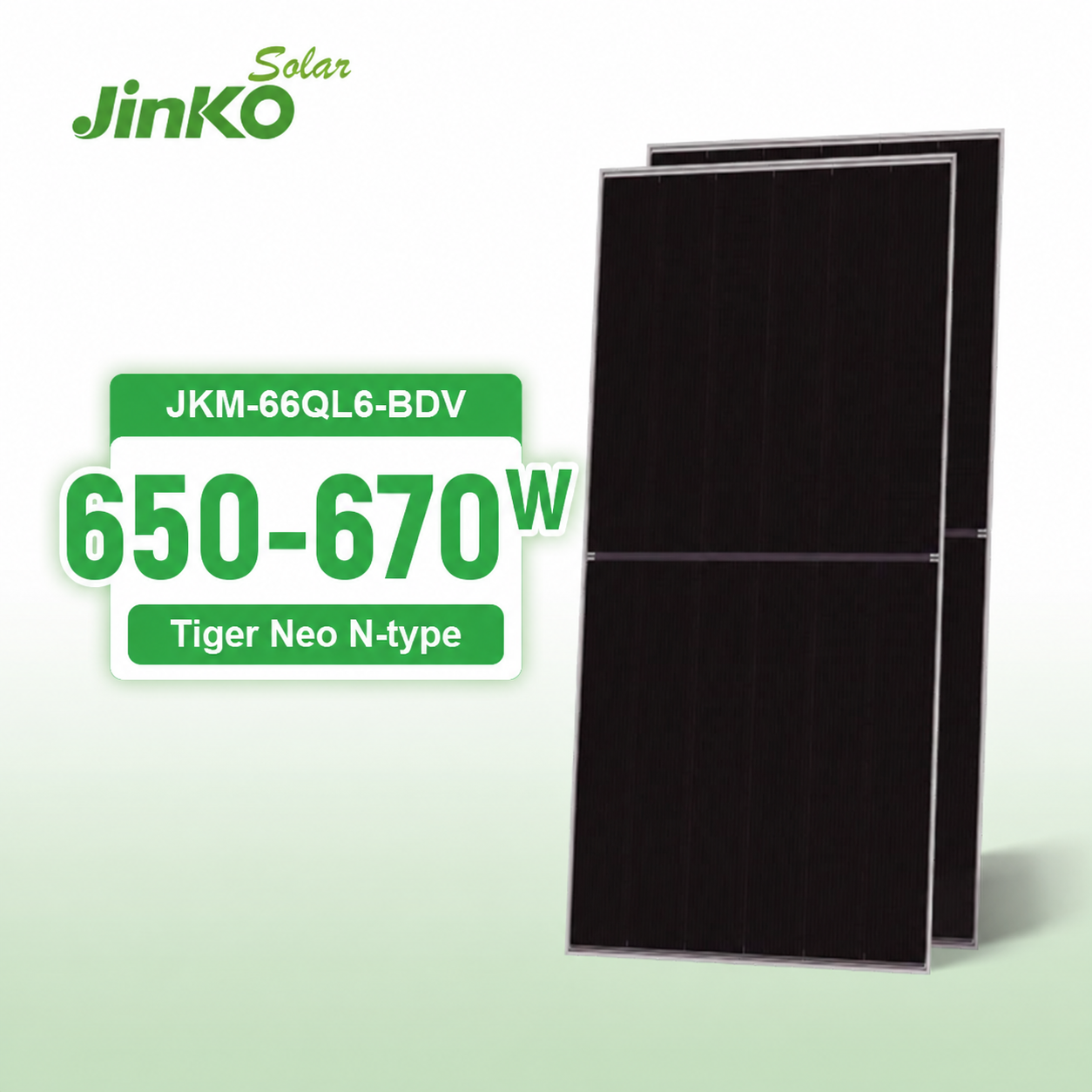
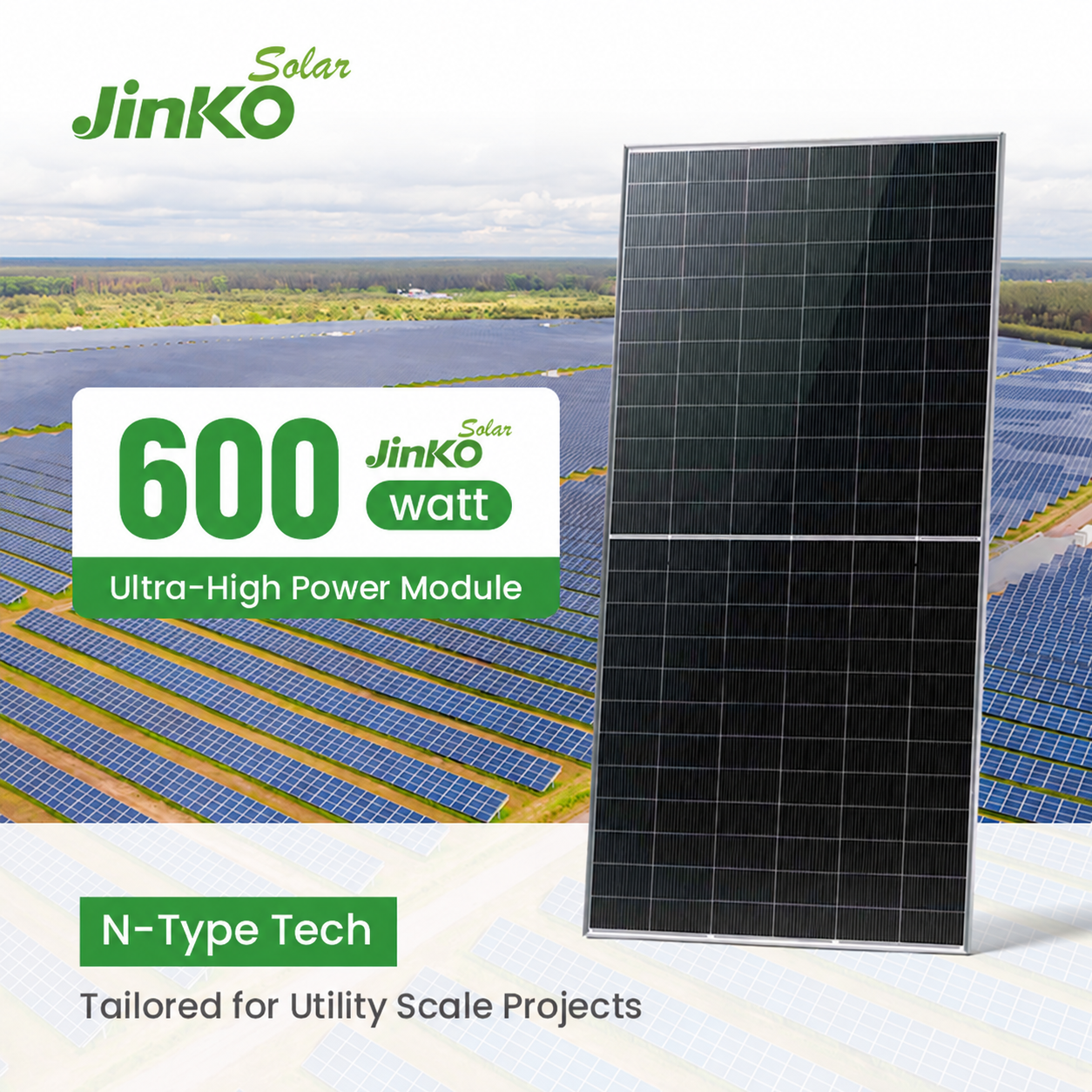
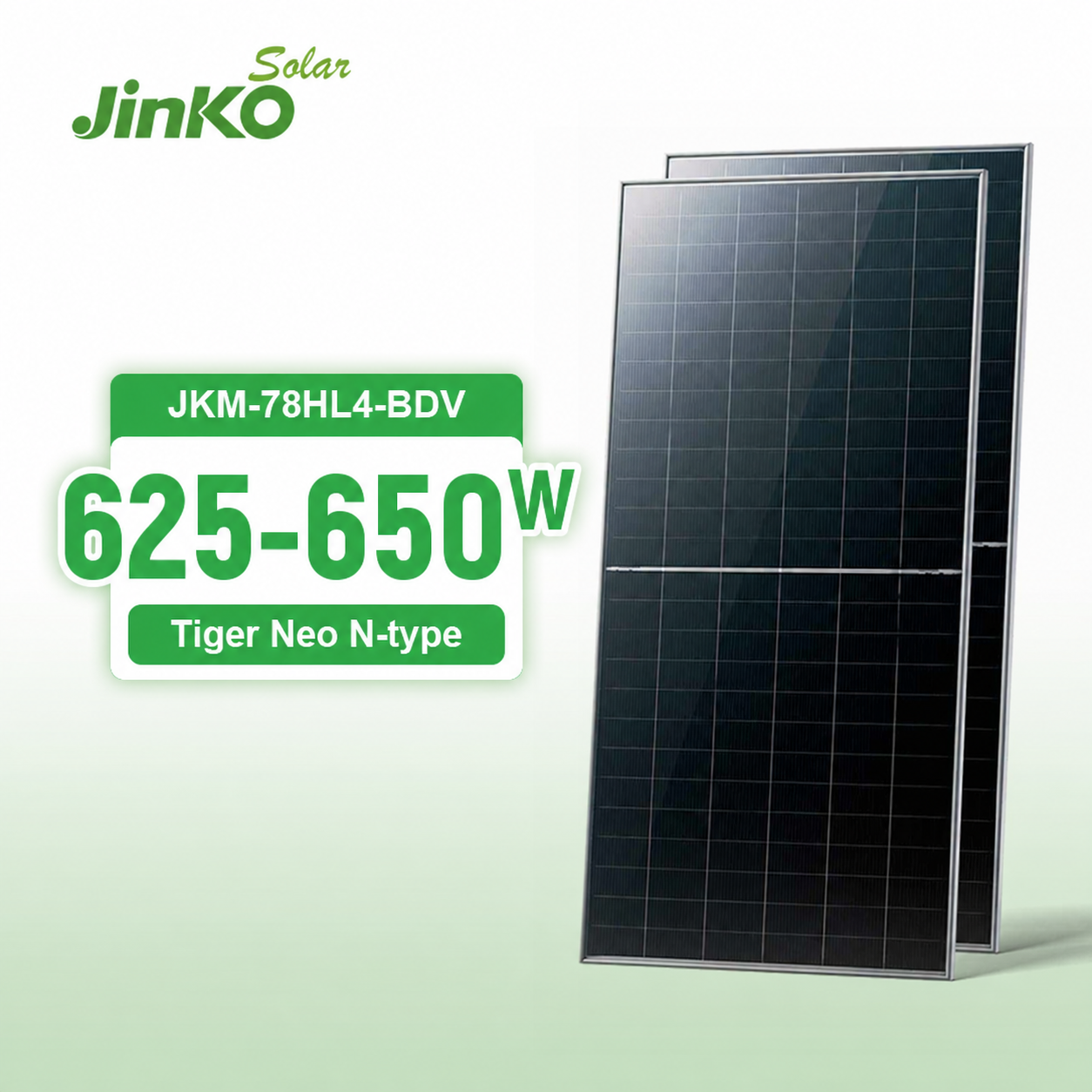
A comprehensive engineering assessment of Module-Level Power Electronics (MLPE) under severe electrical grid rationing, high ambient operating temperatures, and particulate dust accumulation in Syria.
The electrical power ecosystem of Greater Damascus and the surrounding Rif Dimashq Governorate presents one of the most operationally challenging environments in the Levant. Public utility rationing schedules frequently restrict grid power to intermittent intervals of two to four hours per day. Consequently, residential properties, commercial establishments, clinics, and manufacturing facilities have historically relied on noisy, costly, and heavily polluting diesel generator networks—commonly referred to locally as the "Amperat" neighborhood subscription system.
While traditional photovoltaic installations utilizing high-voltage string inverters (typically operating between 400V DC and 1,000V DC) provided initial relief, field operators across Damascus face severe operational bottlenecks. High-voltage string systems suffer disproportionate energy loss when subject to urban shadow obstructions from water cisterns, satellite clusters, neighboring high-rises, and masonry parapets typical of historic and modern Syrian building structures. In a classical string configuration, shading on just one photovoltaic module degrades the current yield of the entire series circuit.
Furthermore, safety is paramount. Elevated direct current (DC) operating voltages present dangerous arc-fault risks in dense urban residential districts like Mezzeh, Malki, and Kafar Souseh. Microinverter architectures revolutionize this landscape by decentralizing power conversion directly behind each solar module. With individual Maximum Power Point Tracking (MPPT) operating at safe extra-low voltages (<60V DC input), microinverters isolate module underperformance caused by urban shading or localized particulate fouling, boosting total annual harvest efficiency by 15% to 25% across rooftop systems in Damascus.
| Evaluation Parameter | Decentralized Microinverter System | Conventional Central / String Inverter | Syrian Operating Field Impact |
|---|---|---|---|
| Rooftop DC Voltage Safety | Safe Low DC (<60V DC) | High Voltage (600V - 1000V DC) | Eliminates residential fire and arc hazard risks on crowded flat rooftops in Damascus. |
| MPPT Granularity | Independent 1-to-1 or 2-to-1 MPPT | Single MPPT per 10-20 Modules | Maximum energy harvest despite uneven shading from water tanks and HVAC chillers. |
| Thermal Derating Threshold | Convection Cooled (-40°C to +85°C) | Forced Air Fans (Derates at >45°C) | Sustained peak production during Damascus summer heatwaves exceeding 42°C ambient. |
| System Single Point of Failure | Zero (Independent Module Operation) | High (Entire String/Array Shuts Down) | Critical continuous uptime for healthcare, cold storage, and residential backup. |
| Bifacial TOPCon Compatibility | Optimized DC Input (Up to 18A-20A) | Potential Current Clipping on Strings | Seamlessly matches high-output 585W–670W dual-glass bifacial monocrystalline panels. |
Damascus sits in a semi-arid geographical basin characterized by extreme diurnal temperature variations and seasonal dust phenomena, notably the spring Khamaseen winds carrying fine sand and particulate deposits. These conditions create two major technical failure modes in solar power infrastructure: steep heat-induced voltage drop and uneven surface soiling.
Traditional string inverters enclosed in utility rooms or exposed rooftop closets often suffer from severe thermal throttling once ambient temperatures surpass 40°C, drastically cutting efficiency during the sunniest hours of July and August. In contrast, our export-grade micro inverters feature die-cast aerospace-grade aluminum chassis with integrated passive heat dissipation fins rated up to IP67. Tested for continuous full-load operation up to 65°C ambient, they avoid forced cooling fans that frequently fail when clogged with Syrian desert dust.
Furthermore, soiling from airborne silt rarely deposits uniformly across an array. In a string configuration, a single dusty module drags down the current production of every adjacent module. With decentralized microinverter technology, each photovoltaic panel operates at its absolute peak current and voltage point independently, allowing clean or partially cleaned panels to supply maximum power without impedance.
From high-density apartment blocks in Central Damascus to industrial plants in Adra, our microinverter and energy storage integrations provide scalable, modular autonomy.

Solving rooftop space disputes in Mezzeh and Shaalan. Compact 2-to-1 microinverters allow individual apartment owners to install dedicated 2kW to 5kW systems on allocated square meters without interfering with neighboring systems.

Continuous uninterrupted power for medical clinics, diagnostic centers, and refrigerated pharmacies. Modular AC coupling ensures existing diesel generators operate strictly as secondary emergency failover.
Powering deep-well submersible water pumps, greenhouse ventilation, and agricultural processing. Resistant to rural voltage surges and fluctuations typical of remote distribution feeders.
Supporting plastics, food packaging, and metal fabrication workshops. Scalable microinverter arrays expand incrementally without requiring total electrical balance-of-system (BOS) overhauls.
How Hangzhou VOLT New Energy bridges decentralized microinverter generation with bidirectional hybrid storage for 24-hour electrical continuity in Syria.
Because micro inverters export alternating current (AC) directly at the rooftop level, their deployment in an off-grid or weak-grid territory like Damascus requires seamless AC-coupling with battery storage systems. Hangzhou VOLT New Energy supplies turnkey, fully matched integration architectures combining Deye bidirectional multi-mode hybrid inverters with high-cycle Lithium Iron Phosphate (LiFePO4) or deep-cycle GEL storage.
When utility power shuts down during daily scheduled rationing, our AC-coupled hybrid management system initiates microgrid formation within 10 milliseconds. The micro inverters synchronize with the AC reference voltage produced by the hybrid unit, powering residential or industrial loads while directing surplus generation into the 48V/51.2V LFP battery bank. During cloudy intervals or night operations, the battery bank discharges instantaneously without voltage flickers that could damage sensitive electronics.
Matched with intelligent BMS protocols (CAN & RS485). 6,000+ deep cycles at 90% DoD provide daily cycling longevity exceeding 10–12 years in Syrian household setups.
Microinverters automatically modulate or curtail output if battery capacity reaches 100% via frequency shift regulation, guaranteeing battery bank protection against overcharge.
Engineered to work alongside local backup gensets. The inverter synchronizes frequency smoothly, preventing reverse power backfeed into legacy mechanical generators.
Eliminating importer risks through rigorous component protocol matching, dangerous goods customs readiness, and specialized Levant shipping logistics.

Every shipment bound for Damascus undergoes live bench-testing in Hangzhou. We confirm CAN/RS485 protocol handshake between micro inverters, hybrid controllers, and LFP batteries before container loading.

Complete UN38.3 test reports, Material Safety Data Sheets (MSDS), and sea-freight certified packaging ensure compliant maritime handling via Beirut, Latakia, or regional transit ports without customs delays.
Maximize your freight economics. We consolidate Tier-1 Jinko solar panels, micro inverters, Deye multi-mode inverters, mounting rails, DC breakers, and battery packs into single, secure sea containers.
Practical engineering, financial, and logistical insights addressing common questions raised by energy buyers in Damascus.
Urban rooftops in central Damascus (such as Malki, Mezzeh, Abu Roummaneh, and Muhajreen) are characterized by dense infrastructure: water storage tanks, central heating chimneys, satellite antennas, and elevated parapet walls. In a classical string inverter setup, shading a single panel by just 20% can collapse the yield of the entire series string. Microinverters offer module-level MPPT, allowing every solar panel to produce at full capacity independently.
Additionally, microinverters operate at extra-low voltage (<60V DC), eliminating high-voltage DC fire hazards and arc faults in multi-family residential buildings.
Our micro inverters feature heavy-duty die-cast aluminum enclosures that utilize natural convection cooling rather than internal mechanical fans. Forced air fans in string inverters frequently seize or clog due to airborne dust. Our microinverters are rated for continuous ambient operation between -40°C and +65°C and can operate under the shaded underside of the PV module where ambient air circulates freely, ensuring long operational lifespans without thermal shutdown.
Standard grid-tied micro inverters automatically shut down during grid outages for anti-islanding safety (IEC 62116 compliance). However, in the Damascus market, our engineers deploy an AC-coupled microgrid architecture.
By connecting the microinverter AC output to the AC-load or generator port of a multi-mode Deye hybrid inverter paired with VOLT LFP batteries, the hybrid inverter forms an independent local 220V/50Hz grid during outages. The micro inverters continue generating electricity to power loads and recharge the battery bank seamlessly.
For daily cyclic demands under severe rationing, 48V / 51.2V Lithium Iron Phosphate (LiFePO4) batteries are strongly recommended. They provide 6,000 cycles at 80–90% Depth of Discharge (DoD), rapid recharge rates (crucial when grid availability lasts only 2 hours), and zero toxic off-gassing. For strictly budget-constrained installations or simple backup float service, deep-cycle GEL colloidal batteries remain an economical alternative.
We routinely support B2B buyers with export clearance and international freight forwarder coordination. Orders are dispatched directly from Chinese coastal ports (Ningbo/Shanghai) with full shipping documentation, including commercial invoices, packing lists, Certificate of Origin (CO), and Class 9 Dangerous Goods documentation for lithium energy storage systems. Cargo typically transits via Latakia Port or established regional logistics hubs according to client preference.
Yes. This is one of the chief economic advantages of microinverter technology. Unlike string systems that require a minimum array size to satisfy inverter DC startup voltages (often 120V–200V DC), microinverters function with as few as one or two solar panels. Syrian property owners can install a 1.2kW setup today and seamlessly add more panels and microinverters months later without replacing their central inverter.
Whether you require full container loads of Jinko N-Type TOPCon panels, matched Deye hybrid inverters, or scalable microinverter kits for residential and commercial retrofits in Syria, our Hangzhou engineering team will calculate your technical specifications within 24 hours.