High-Efficiency Microinverter-Compatible Photovoltaic & Storage Hardware
Engineered for high DC-to-AC loading, independent MPPT module-level optimization, and seamless integration with hybrid low-voltage battery banks deployed across San Miguel projects.
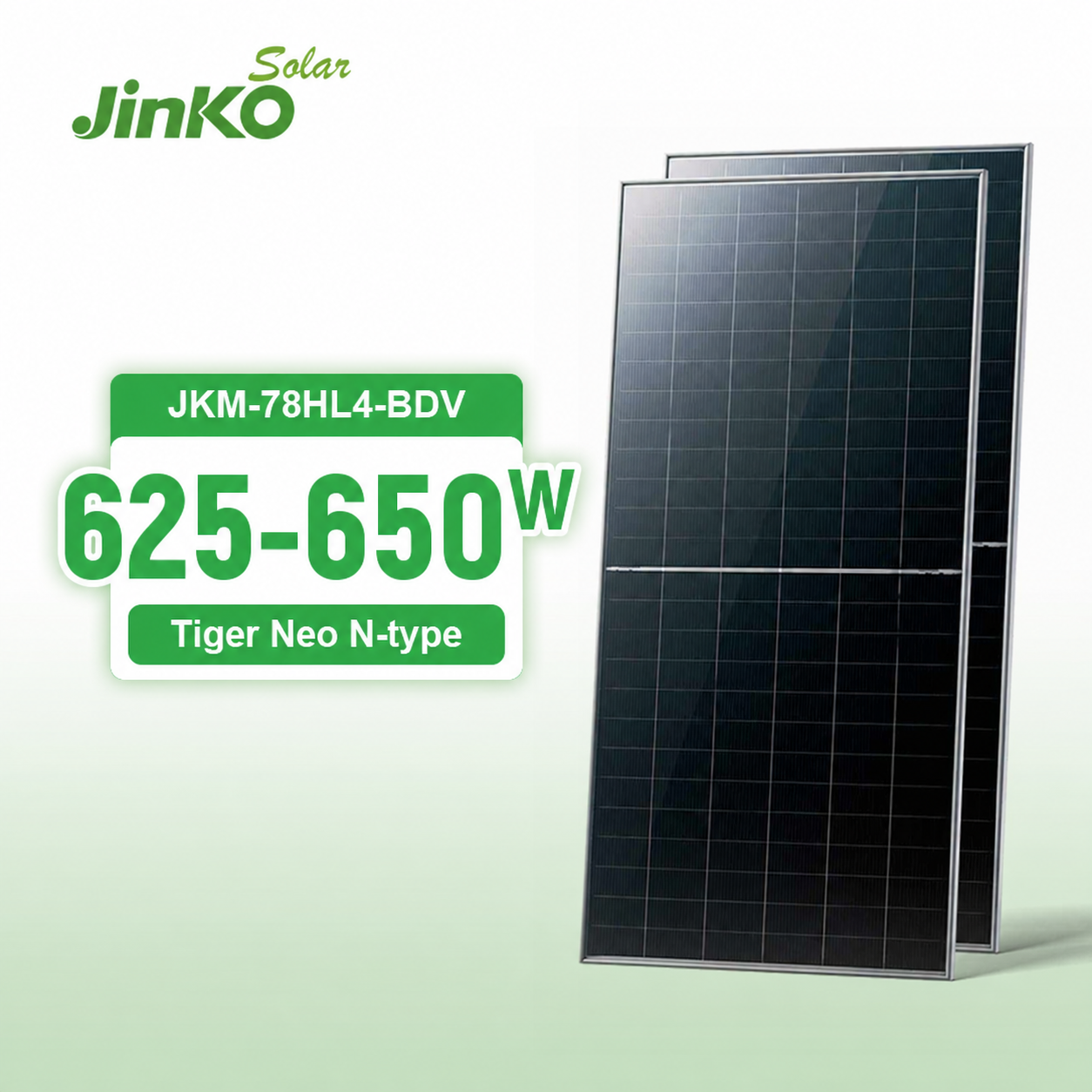
Jinko N Type Pv Module 650W 625W 645W Bifacial Photovoltaic Module Panneau Solaire for Commercial
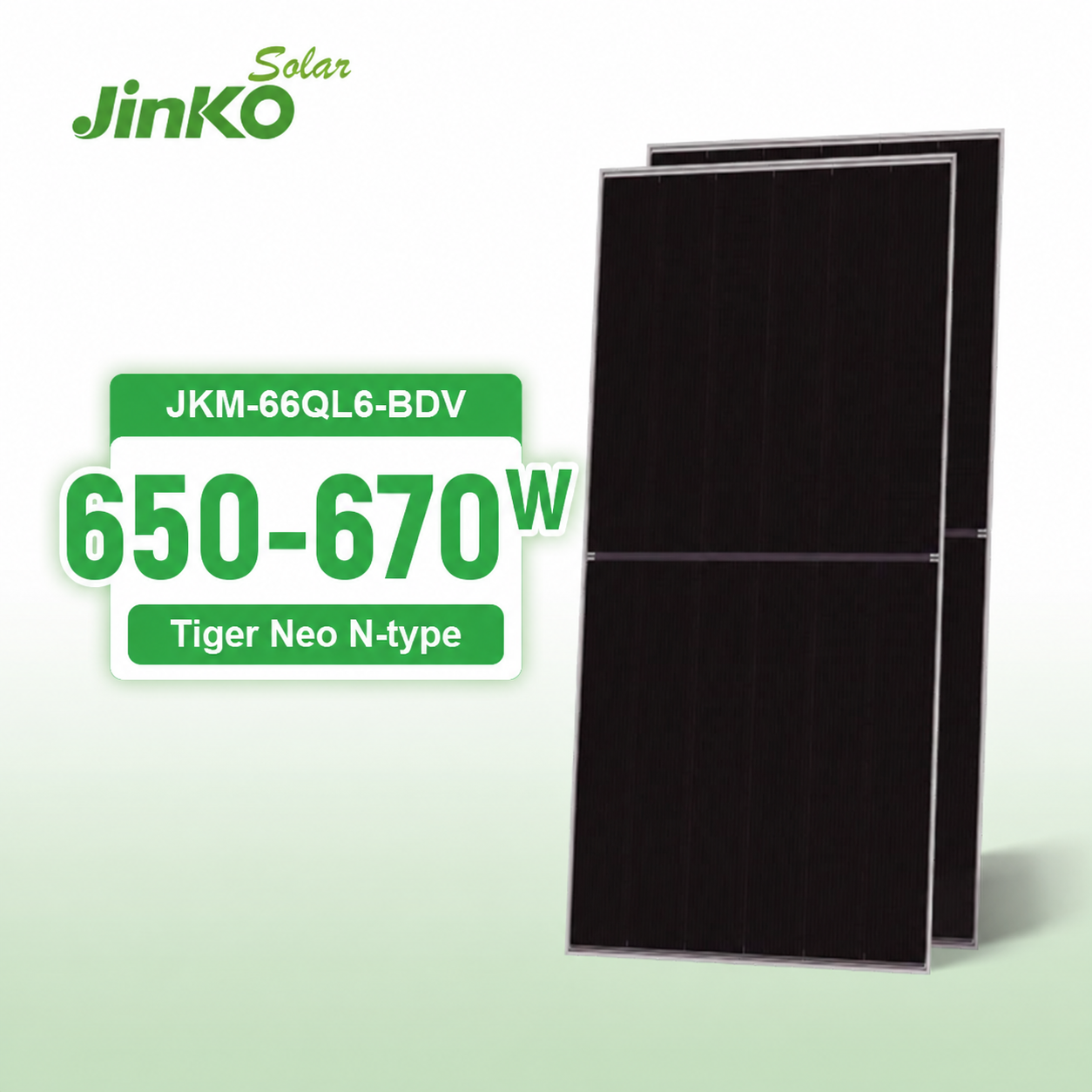
Jinko N Type 650W 660W 670W Wholesale TOPCon Bifacial Photovoltaic Module for Commercial
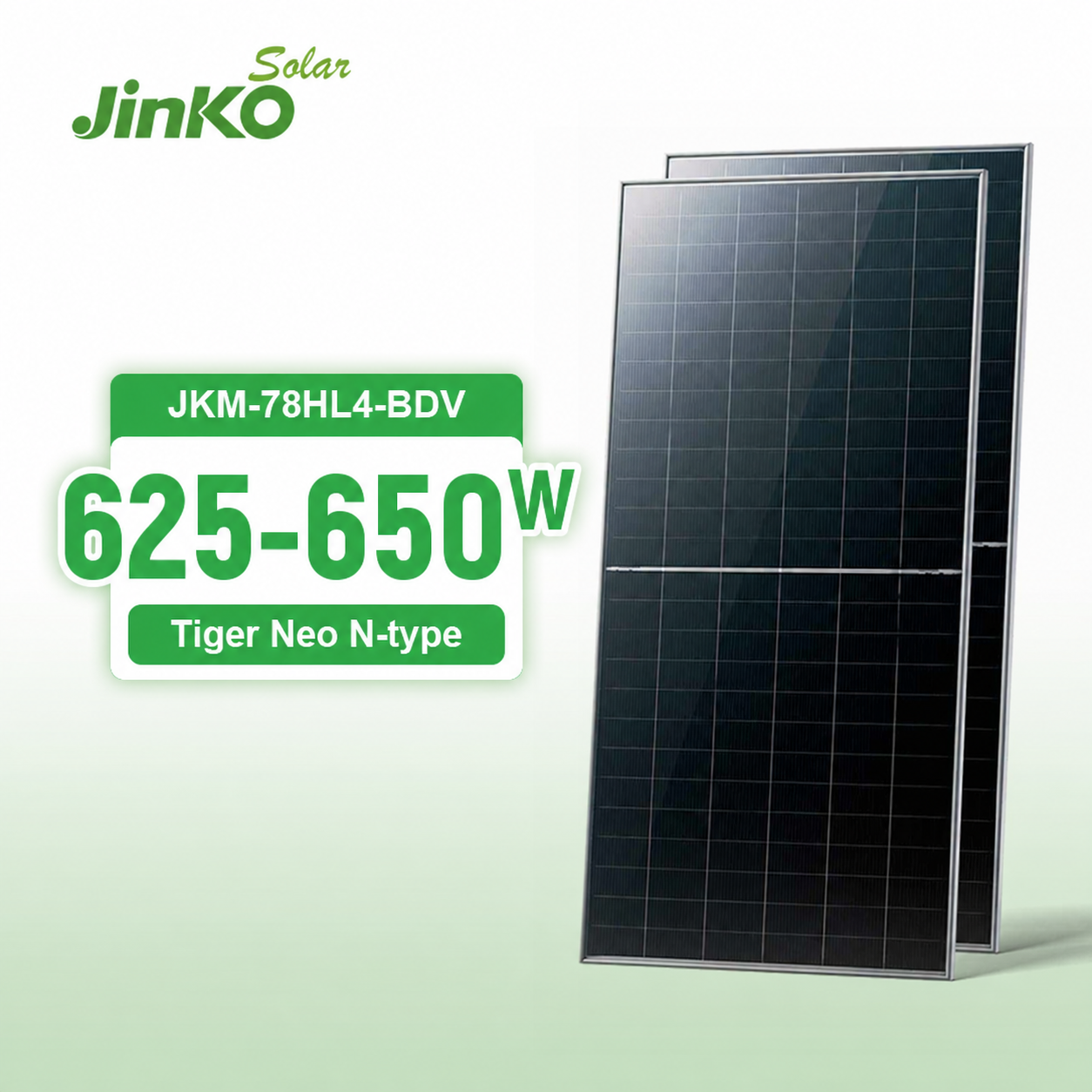
Jinko N Type Bifacial Solar Modules 650W 630W 640W Dual Glass Photovoltaic Panel for Industrial
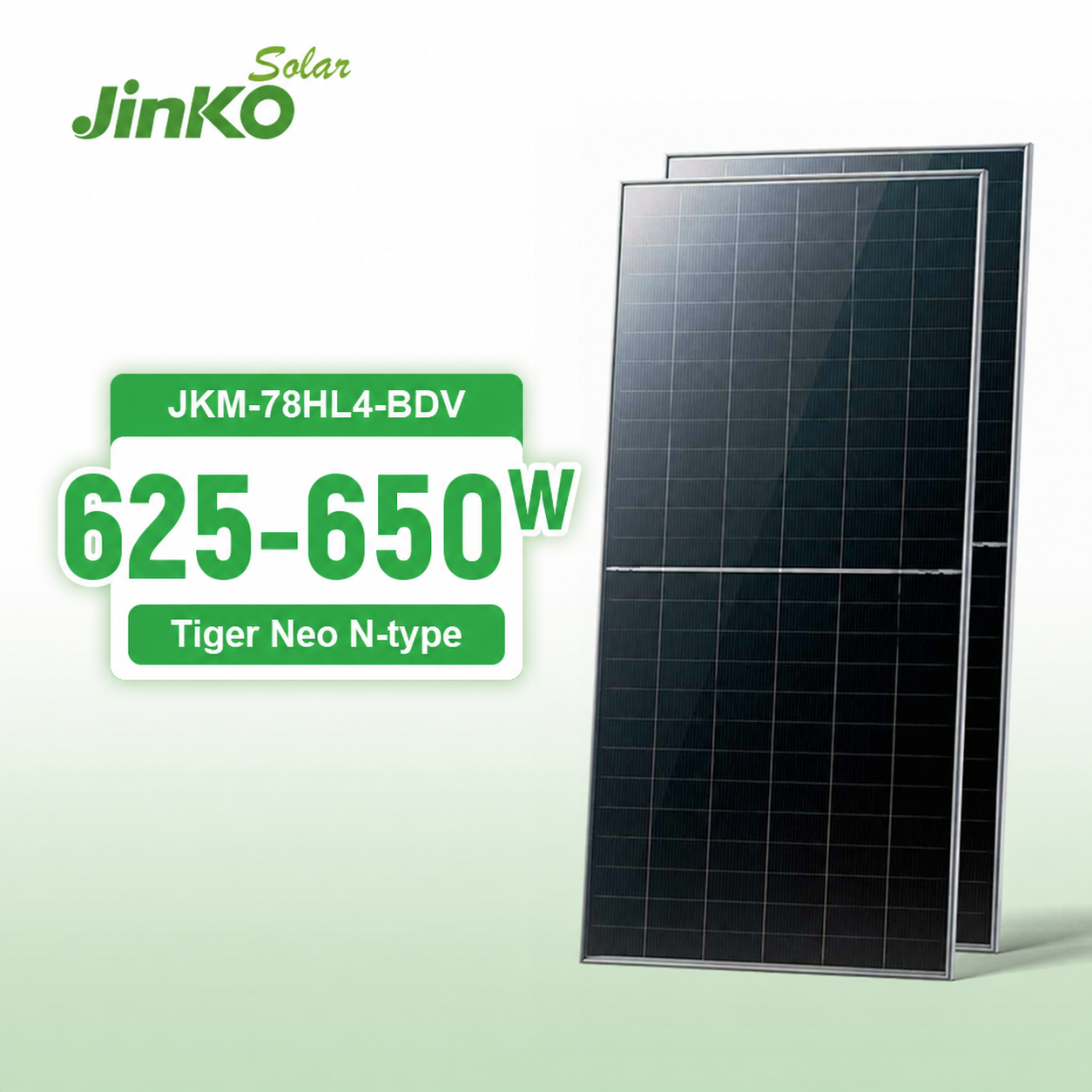
Jinko High Efficiency Bifacial Pv Panels 625W 635W 645W Double Glass Solaire Panneau N Type Solar Panel for Farm
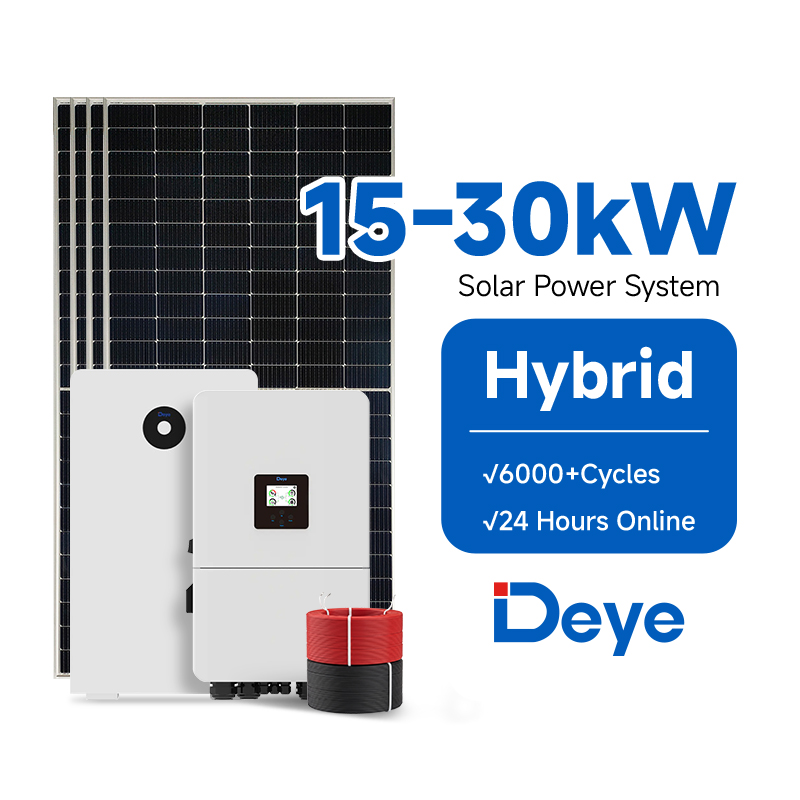
Low DC Voltage Battery Support Deye Hybrid Inverter ESS 5kw 10kw 15kw 20kw 30kw Mounting System
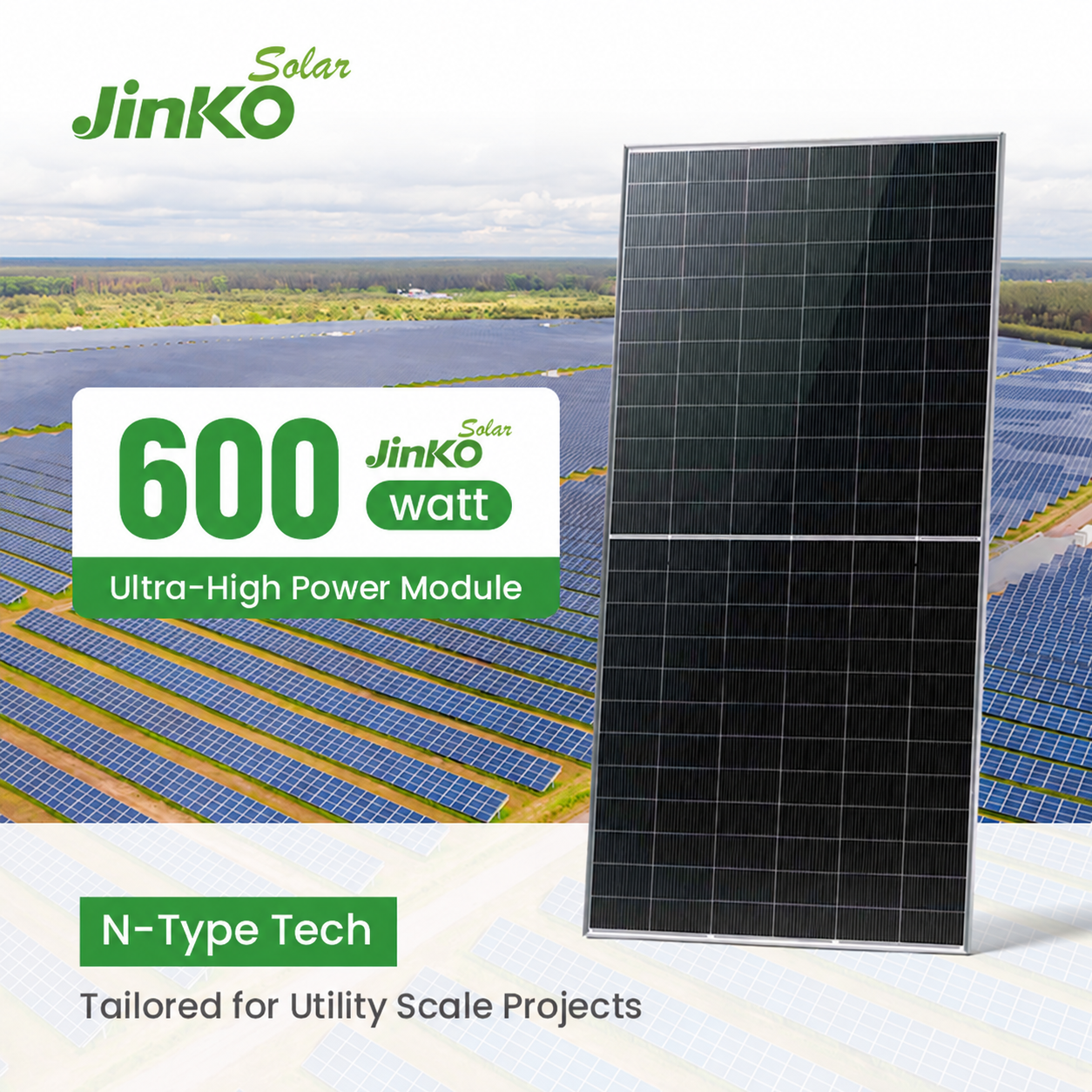
Jinko N Type Bifacial Solar Panels 600W 580W 595W TOPCon Double Glass High Efficiency Solar Module
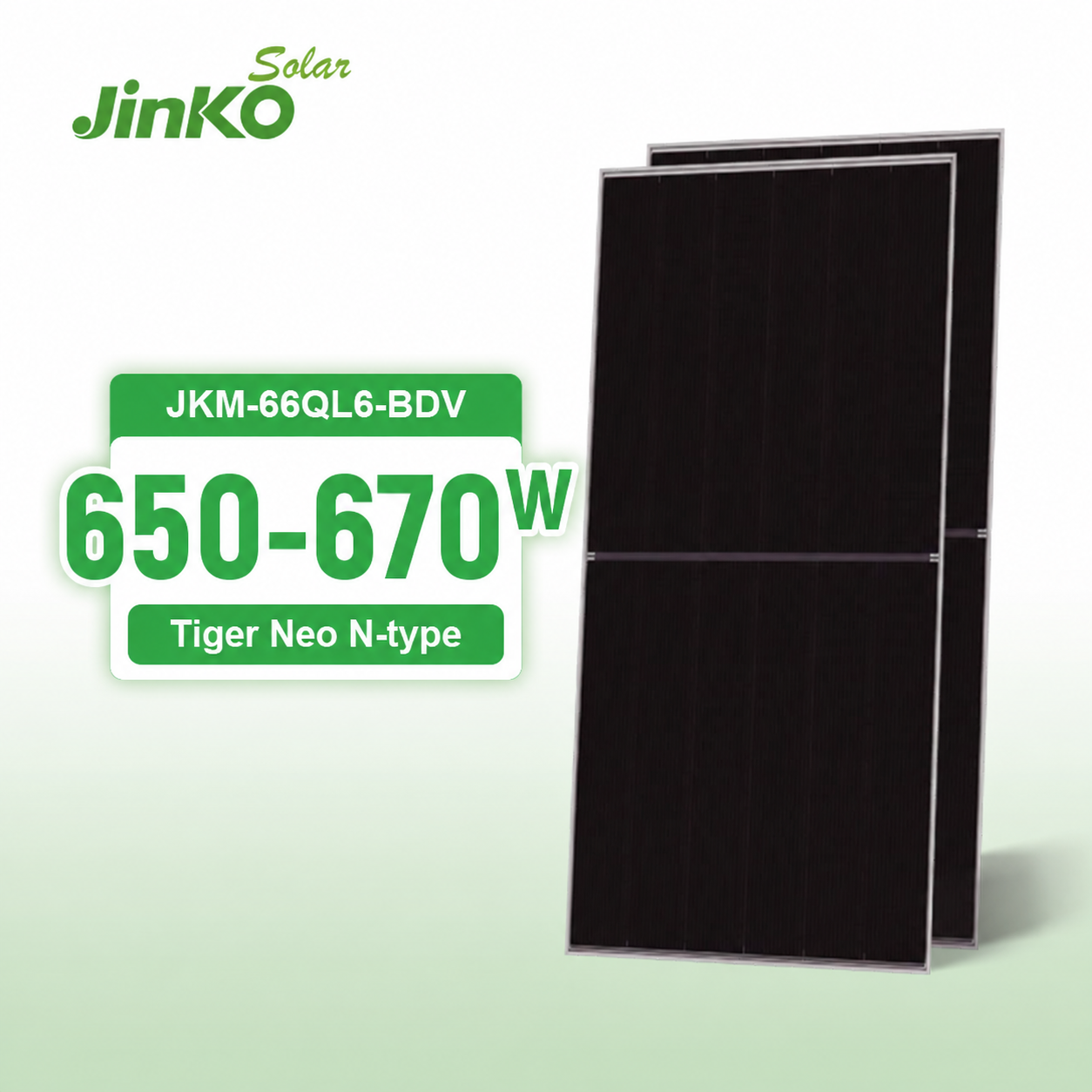
Jinko N Type Solar Panels Bifacial 650W 660W 670W TOPCon Double Glass High Efficiency Solar Module for House
Jinko N Type Bifacial Pv Modules 650W 660W 670W Double Glass Solar Photovoltaic Panel for Commercial
Advancing MLPE Architecture Across San Miguel's Solar Infrastructure
The photovoltaic landscape serving the San Miguel regional corridor is experiencing an architectural paradigm shift. Moving decisively away from central string configurations burdened by high direct-current (DC) voltage hazards, modern residential developments, cold-chain distribution warehouses, and agricultural operations demand Module-Level Power Electronics (MLPE). As a premier solar micro inverter supplier and dedicated exporter serving San Miguel, Hangzhou VOLT New Energy Technology Co., Ltd. delivers field-proven, multi-input microinverters designed specifically to handle extreme ambient heat, uneven dust accumulation, and localized microgrid variances.
Unlike conventional string inverters where a single clouded or soiled panel degrades the entire circuit via the "Christmas light effect," microinverters provide autonomous Maximum Power Point Tracking (MPPT) for each individual photovoltaic module. Paired with advanced N-Type TOPCon bifacial modules operating between 600W and 670W, distributed microinverters eliminate mismatch losses, lower the levelized cost of electricity (LCOE), and harvest substantial albedo irradiance reflected from reflective agricultural membranes, tile roofs, and industrial concrete surfaces common throughout San Miguel.
Grid Code Compliance & Rapid Shutdown Safety
Our microinverter supply portfolio complies with NEC 690.12 rapid shutdown standards and IEEE 1547 / UL 1741 interconnection codes. In rooftop installations across San Miguel, system DC voltages never exceed 60V, mitigating arc-fault risks and granting absolute safety for first responders and maintenance crews.
Thermal endurance represents the defining metric for power electronics operating in the San Miguel microclimate. High insolation paired with elevated ambient midday temperatures accelerates thermal derating in substandard inverters. VOLT New Energy exports microinverters enclosed within die-cast aluminum heat sinks rated up to IP67 ingress protection, ensuring reliable heat dissipation without internal fans that are prone to particulate clogging and physical failure.
Furthermore, our engineering teams provide complete system interoperability. By pairing microinverters on alternating-current (AC) coupled topologies with Deye hybrid inverters and low-voltage 48V/51.2V LiFePO4 battery stacks, commercial and residential clients in San Miguel achieve full energy independence. When the regional utility grid falters during storm surges or peak-demand brownouts, our integrated AC-coupled storage systems switch in under 4 milliseconds, providing uninterrupted sine-wave power to sensitive industrial automation and residential refrigeration loads.
Every shipment bound for San Miguel undergoes pre-dispatch protocol mapping at our Hangzhou facility. From verifying RS485 and CAN-bus closed-loop handshakes between the Energy Storage System (ESS) BMS and the hybrid inverter to bench-testing reactive power control parameters, we guarantee that installers receive a plug-and-play solution that operates flawlessly upon first energization.
Tailored Application Scenarios Across the San Miguel Ecosystem
From complex urban architectural rooftops to rural agricultural irrigation pumps, discover how our exported microinverter hardware solves real-world operational challenges.
Complex Residential Multi-Pitch Rooftops
Residential housing in San Miguel often features multi-angled clay tile and metal roof planes exposed to partial shading from surrounding palm trees, parapets, and chimneys. Microinverters allow each panel to generate maximum output independently regardless of orientation.
- Independent MPPT per module orientation
- 20–30% higher lifetime harvest than string
- Zero high-voltage DC hazards inside living spaces
Agri-Industrial & Irrigation Microgrids
Farming estates and food processing hubs around San Miguel require uncompromised pumping and refrigeration power. By combining high-power Jinko N-Type bifacial panels with rugged microinverters, operators maintain continuous processing despite frequent rural feeder drops.
- High bifaciality capture on unpaved soils
- Resilient off-grid AC coupling with generators
- Modular expansion without re-stringing cables
Coastal & Semi-Arid Commercial Facilities
San Miguel commercial facilities endure ambient salt mist, intense UV exposure, and fine dust accumulation. Our microinverters feature IP67 hermetic sealing and conformal-coated electronics, preventing salt corrosion and thermal throttling under aggressive environments.
- NEMA 6 / IP67 die-cast enclosures
- Dust-tolerant convective passive cooling
- Anti-corrosive PV cables & IP68 quick-connectors
Microinverter Architecture vs. Traditional Central String Systems
Review the comprehensive electrical and operational parameters comparing VOLT-supplied microinverter arrays against standard string inverters for San Miguel installations.
| Performance & Engineering Attribute | VOLT Modular Microinverter Ecosystem | Standard High-Voltage String Inverter | Operational Impact for San Miguel |
|---|---|---|---|
| Maximum DC Input Voltage | < 60 VDC (Inherently Safe) | 600 VDC – 1000 VDC (High Risk) | Complies with strict rapid shutdown; zero electric arc fire risk on rooftops. |
| MPPT Granularity | Individual module tracking (1:1, 1:2, or 1:4) | 1 or 2 MPPTs for 15–30 modules | Eliminates energy yield losses caused by dust, soiling, and shadow mismatch. |
| Bifacial Yield Optimization | 100% Dynamic Per-Panel Capture | Mismatched to the lowest performing cell | Extracts full 15–25% backside gains from Jinko dual-glass N-Type modules. |
| System Single Point of Failure | None (Decentralized Architecture) | Yes (Central inverter shutdown halts all yield) | High uptime guarantee for critical commercial cold storage & hospitals. |
| Thermal Derating Threshold | Full output up to 65°C ambient | Derates heavily above 45°C ambient | Maintains maximum generation during San Miguel’s peak midday solar hours. |
| Monitoring & Diagnostic Level | Panel-by-panel real-time telemetry | Aggregate string-level metrics only | Instantly detects degraded cells, broken glass, or localized bird soiling. |
Engineered Supply Chain, Verification & Global Export Advantages
Procuring solar hardware across borders presents significant challenges in communication protocol mismatch, container freight compliance, and warranty execution. VOLT New Energy eliminates these vulnerabilities.
Pre-Shipment Protocol Handshake
Every Deye inverter and LiFePO4 battery pack bundle is physically wired and tested in our Hangzhou test laboratory to confirm CAN and RS485 communication protocols before container sealing.
Class 9 DG Logistics Compliance
Our logistics specialists handle end-to-end UN38.3 test certifications, MSDS documentation, and IMO-compliant maritime container packaging, ensuring customs clearance into San Miguel ports without delays.
Tier-1 Direct Supply Relationship
Direct supply contracts with industry leaders including Jinko Solar and Deye guarantee genuine A-grade silicon cells, verified serial numbers, factory warranties, and competitive consolidated pricing.
Complete EPC Engineering Bundles
Beyond single units, we provide full kit integration: customized DC/AC trunk cabling, bus drops, disconnect switches, and complete balance of system (BOS) schematics tailored for San Miguel grid interconnects.
Frequently Answered Questions for San Miguel Solar Importers
Authoritative technical answers to common questions regarding microinverter deployment, battery compatibility, and import logistics.
Why are microinverters preferred over string systems in San Miguel's climate?
San Miguel experiences elevated ambient temperatures alongside distinct dry seasons characterized by particulate dust settlement. In a conventional string inverter, dust or bird fouling on one module diminishes the power output of the entire string. Microinverters track each module independently via dedicated MPPTs, isolating losses. Furthermore, microinverters dissipate heat through natural conduction over distributed roof surfaces rather than concentrating thermal stress into a single internal fan-cooled cabinet.
Can microinverters couple directly with Deye hybrid battery systems?
Yes. We specialize in AC-coupled configurations where the microinverters connect to the dedicated "GEN" (Generator/Microinverter) or "LOAD" auxiliary port of Deye hybrid inverters. This design allows the Deye hybrid inverter to frequency-shift and throttle microinverter output when the low-voltage 48V LiFePO4 battery bank is fully charged and the grid is down, providing full off-grid autonomy and microgrid stability during San Miguel utility outages.
How do Jinko N-Type TOPCon bifacial modules pair with microinverters?
Our Jinko N-Type TOPCon modules feature power ratings ranging from 600W to 670W with ultra-low temperature coefficients (-0.30%/°C). Microinverters with high DC input current capacity (18A–20A per input) match these high-power modules with low clipping losses. Because bifacial modules yield an extra 10–25% power from rear-side irradiance, the microinverter’s granular MPPT captures this variable albedo gain without causing string-level mismatch.
What export documentation and shipping standards are provided for San Miguel orders?
We supply a comprehensive export dossier: Commercial Invoice, Packing List, Bill of Lading, Certificate of Origin (CO), and manufacturer-issued factory test certificates (IEC 62109, IEC 61000, UL 1741, CE). For orders containing LiFePO4 batteries, we provide UN38.3 vibration/shock test reports, Material Safety Data Sheets (MSDS), and Dangerous Goods packaging compliance documentation to ensure rapid customs release.
Can mixed containers of panels, microinverters, and batteries be consolidated?
Yes. VOLT New Energy operates dedicated consolidation warehouses in Zhejiang, China. We consolidate pallets of Jinko PV modules, microinverters, balance of system (BOS) trunk cabling, and Deye hybrid inverters into unified 20GP or 40HQ maritime containers, maximizing container space utilization and reducing per-watt freight expenses for San Miguel distributors.
What warranties apply and how are field claims managed?
Microinverters exported to San Miguel come with a standard 12-year manufacturer warranty, extendable up to 25 years. Jinko N-Type dual glass panels carry a 12-year product warranty and a 30-year linear performance warranty. In the event of a field anomaly, our technical engineering team in Hangzhou assesses cloud diagnostic logs remotely to authorize immediate hardware replacements without delays.
Direct Factory Pricing & Engineering Consultation Serving San Miguel
Whether you require full container consolidation of Jinko TOPCon bifacial modules, high-performance microinverters, or tailored Deye hybrid ESS systems, our engineering team delivers rapid turnaround within 24 hours.