High-Efficiency String Systems & N-Type Modules
Pre-engineered hardware pairings designed to maximize generation under Brazilian solar irradiance, high thermal coefficients, and strict Inmetro string-level certifications.
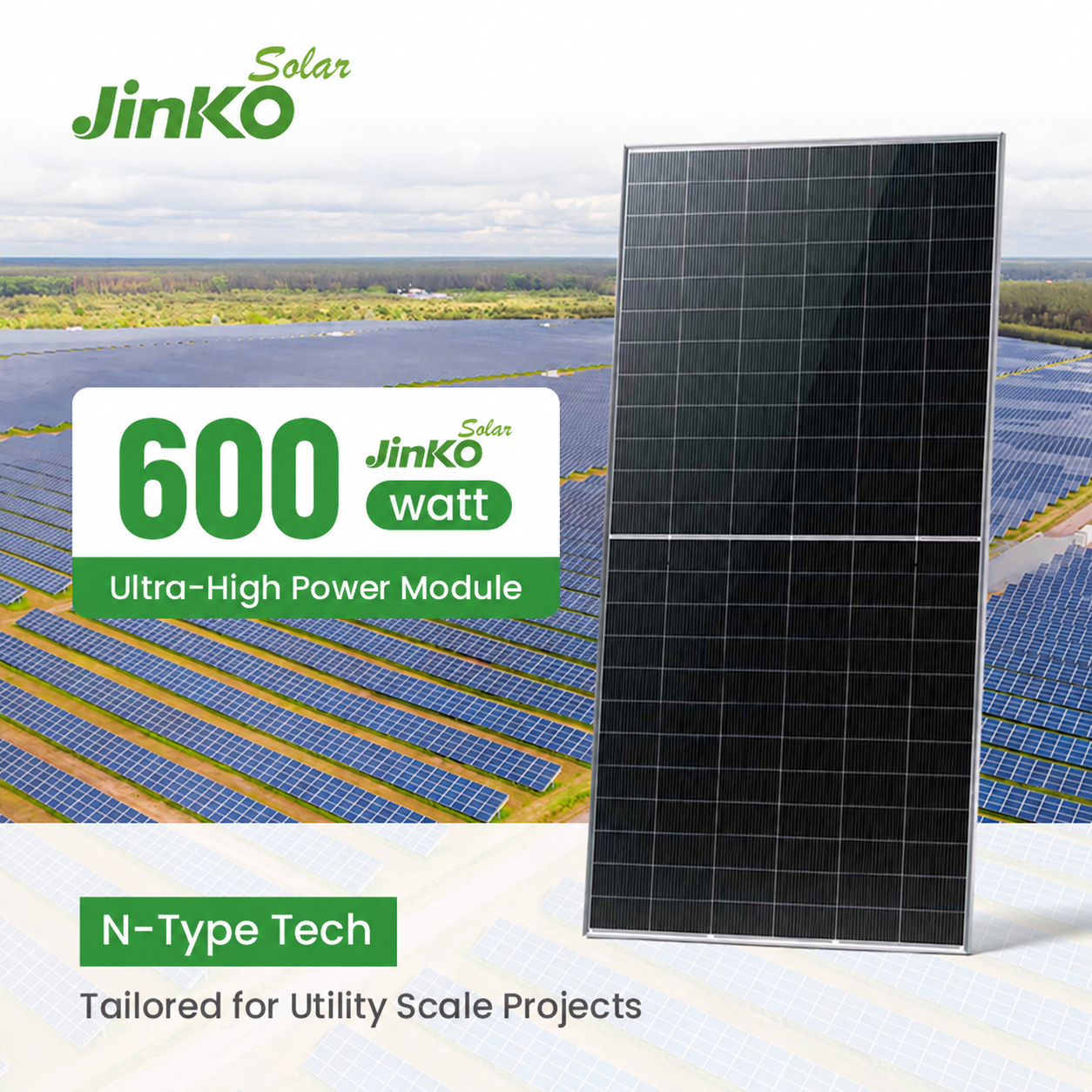
Jinko Pv Panels Wholesale 600w 580W 590W Bifacial Dual Glass Monocrystalline Solar Module
Engineered for string inverters with high DC/AC oversizing capabilities. Features dual-glass encapsulation ideal for corrosive and humid environments.
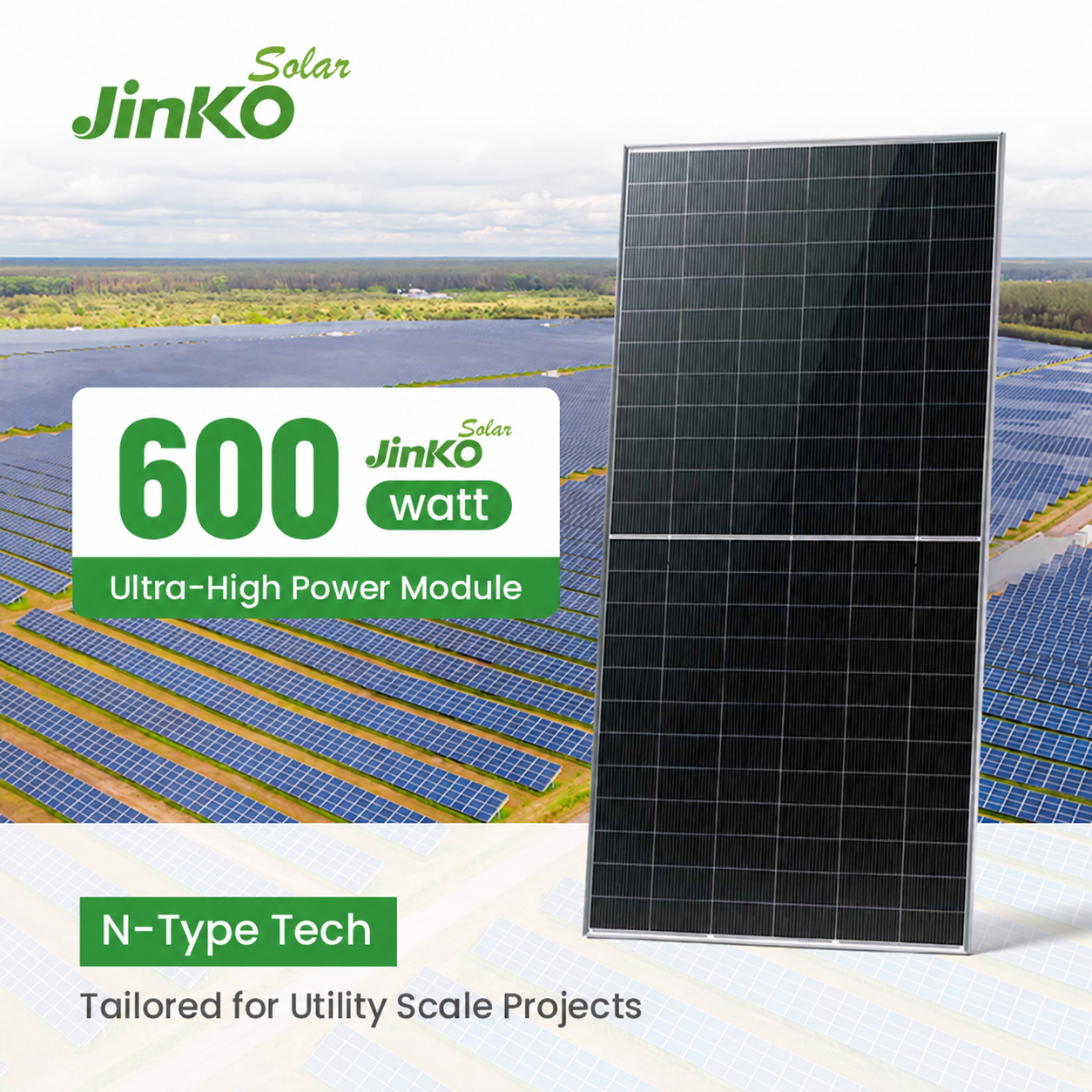
Jinko N Type Bifacial 600W 580W 590W Dual Glass Photovoltaic Solar Panel for Industrial
Designed for high-voltage multi-MPPT commercial string inverters (50kW–125kW). Excellent temperature coefficients minimize midday heat derating.
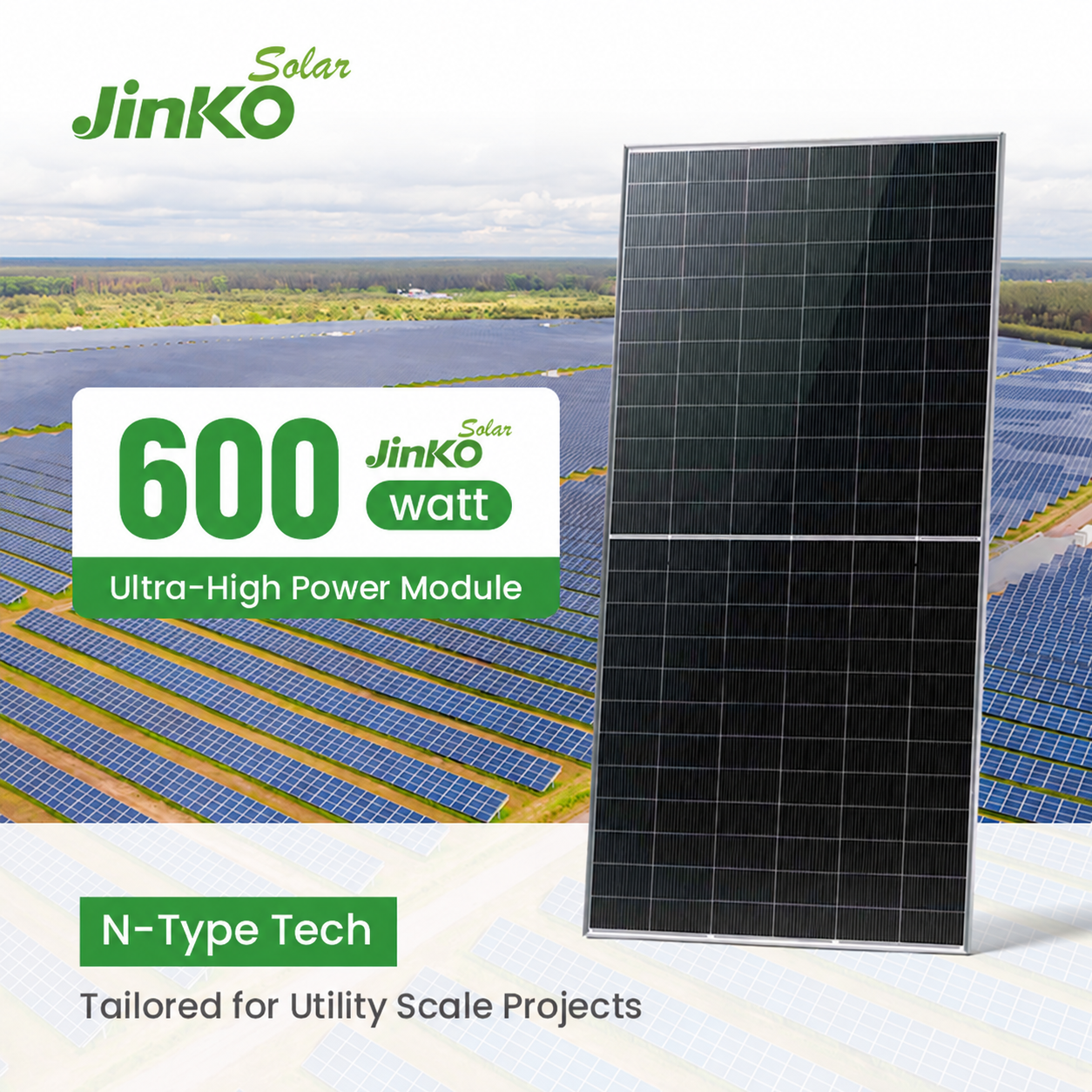
Jinko Solar Panels 580W 590W 600W 600 W N Type Double Glass High Efficiency Solar Panel for Commercial
Optimized SMBB technology reducing internal resistance losses. Matches contemporary 1500V DC input architectures for minigeração distributed plants.
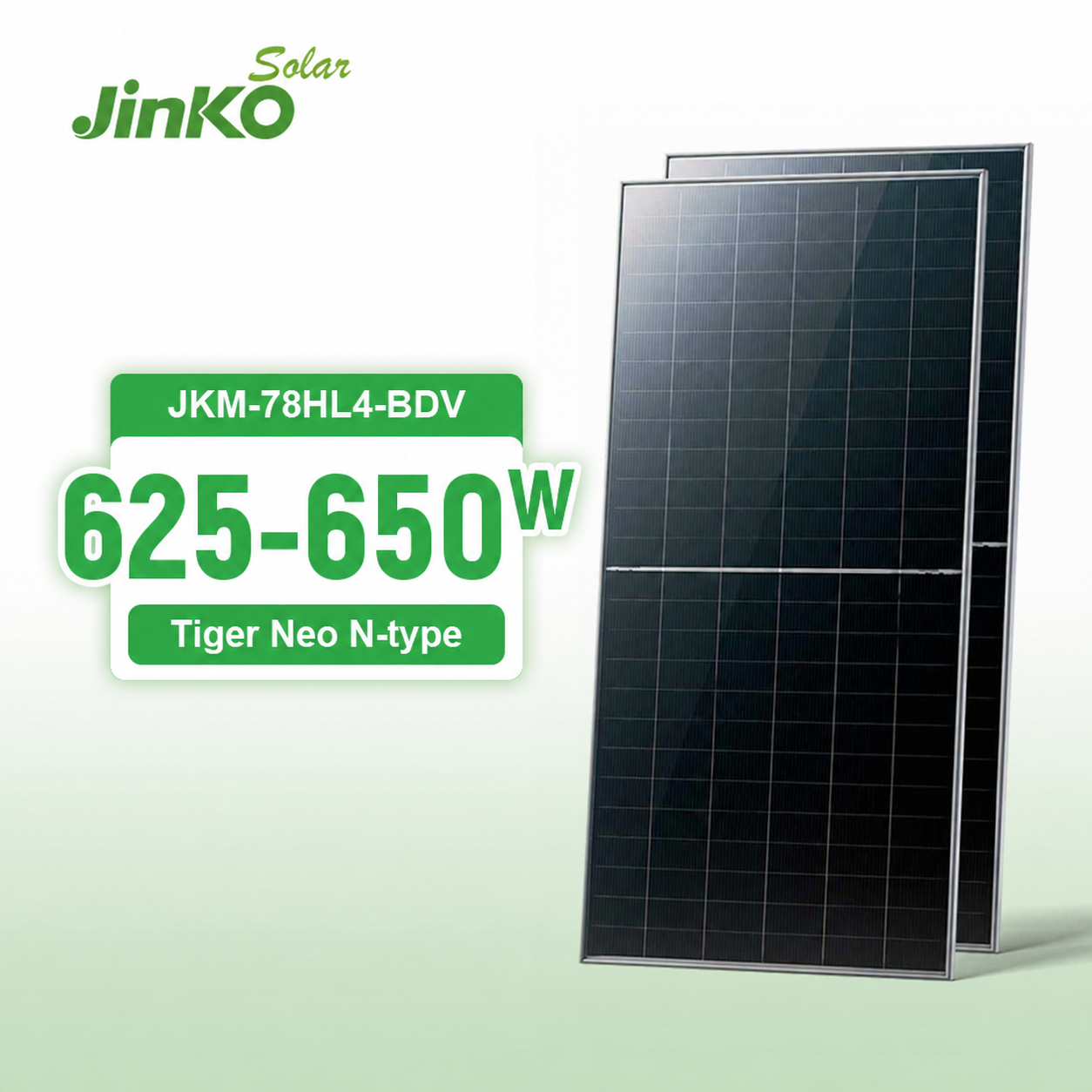
Jinko N Type Solar Panels 625W 640W 635W Monocrystalline Panneau Solaire Bifacial High Efficiency PV Module for Home Roof
Ultra-high wattage footprint suited for constrained roof installations. Seamless compatibility with residential single-phase and split-phase string units.
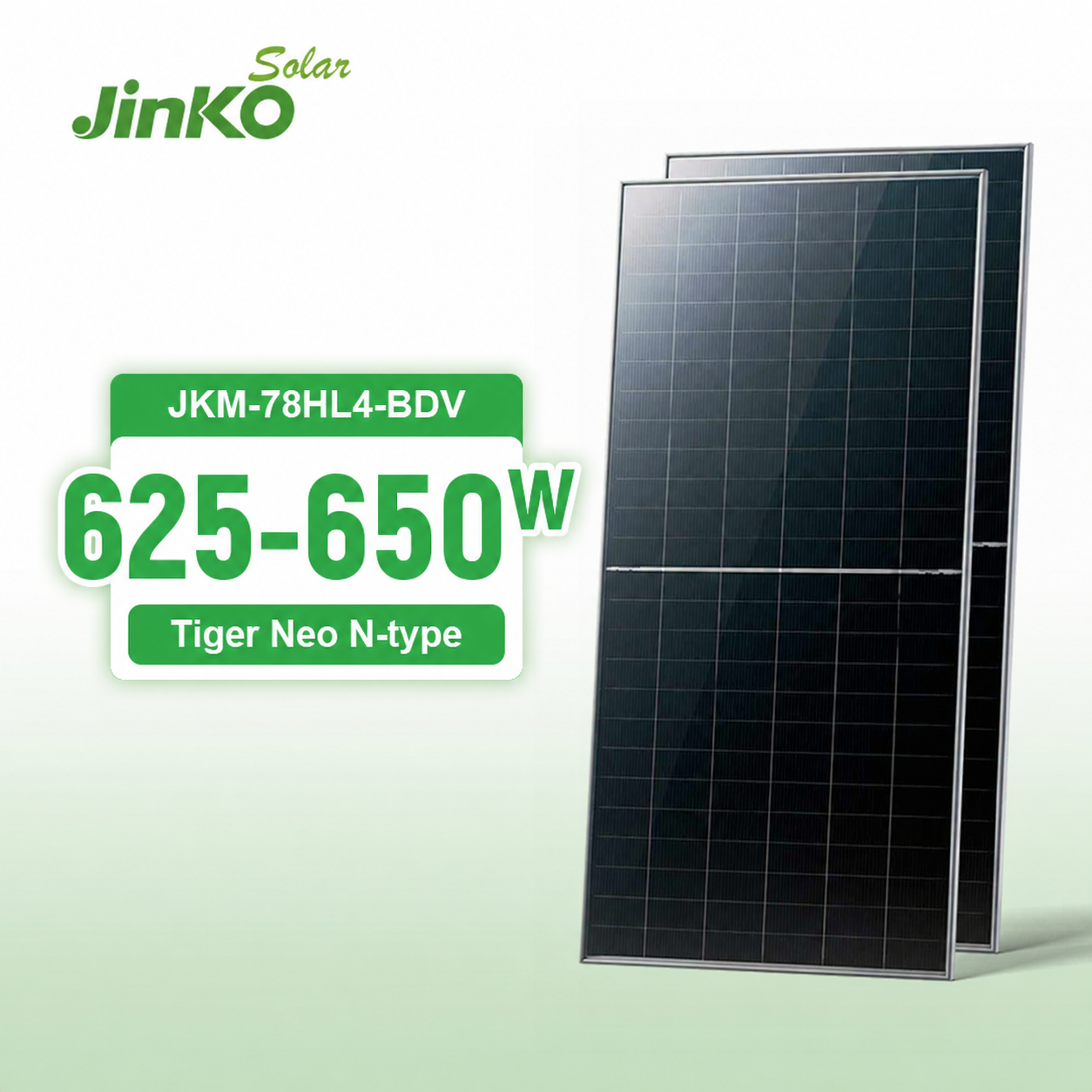
Jinko Bifacial Pv Panels 630W 640W 635W Dual Glass Panneau Solaire Monocrystalline Solar Module for Rooftop
Anti-PID guarantee with POE encapsulant. Delivers an extended 30-year linear performance warranty suited for Brazilian agro-industrial farm rooftops.
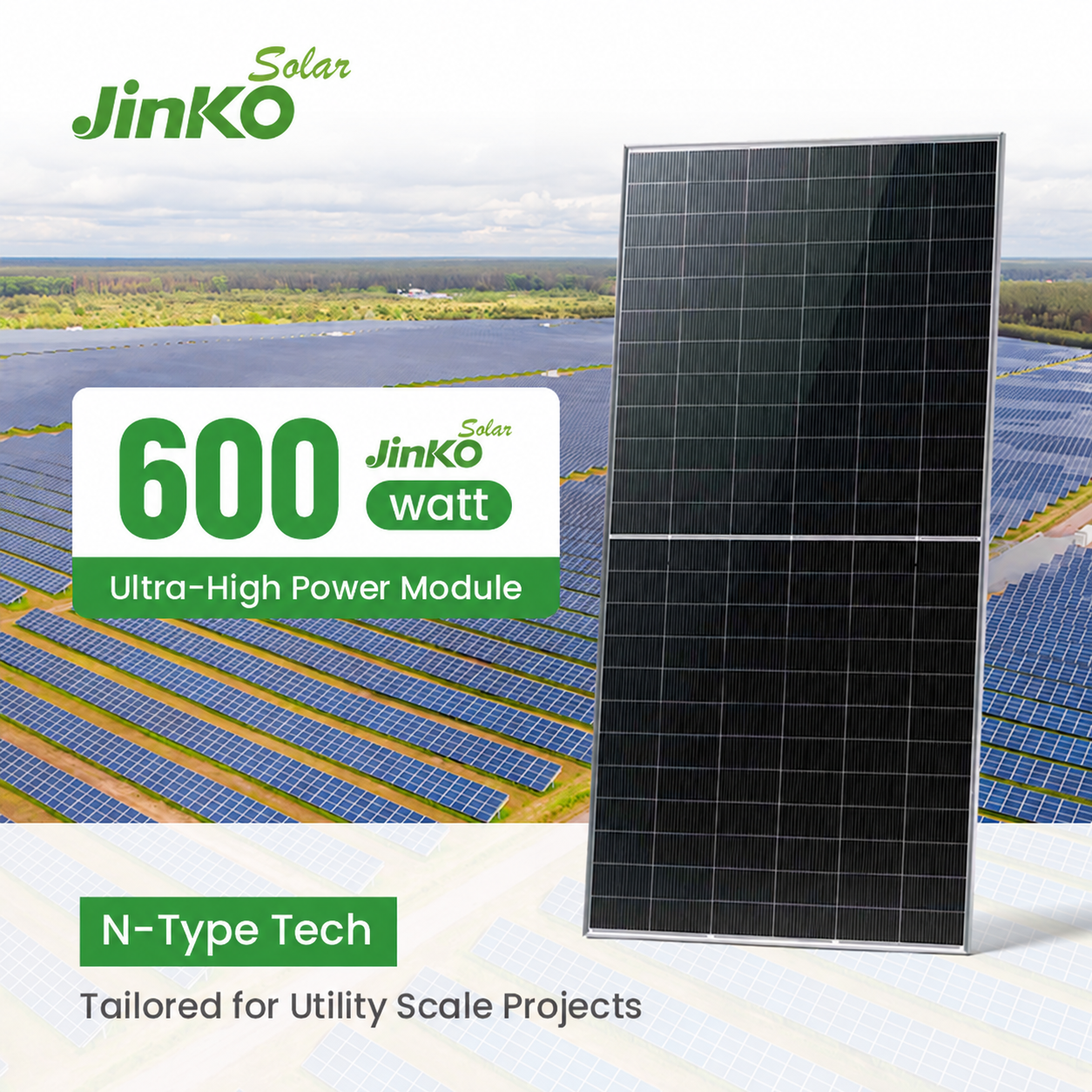
Jinko Bifacial Solar Panels 600W 585W 590W Monocrystalline Dual Glass Solar Module for Home
Compact balance between weight and peak output. Pairs effortlessly with Deye and leading string inverter DC switch disconnector standards.
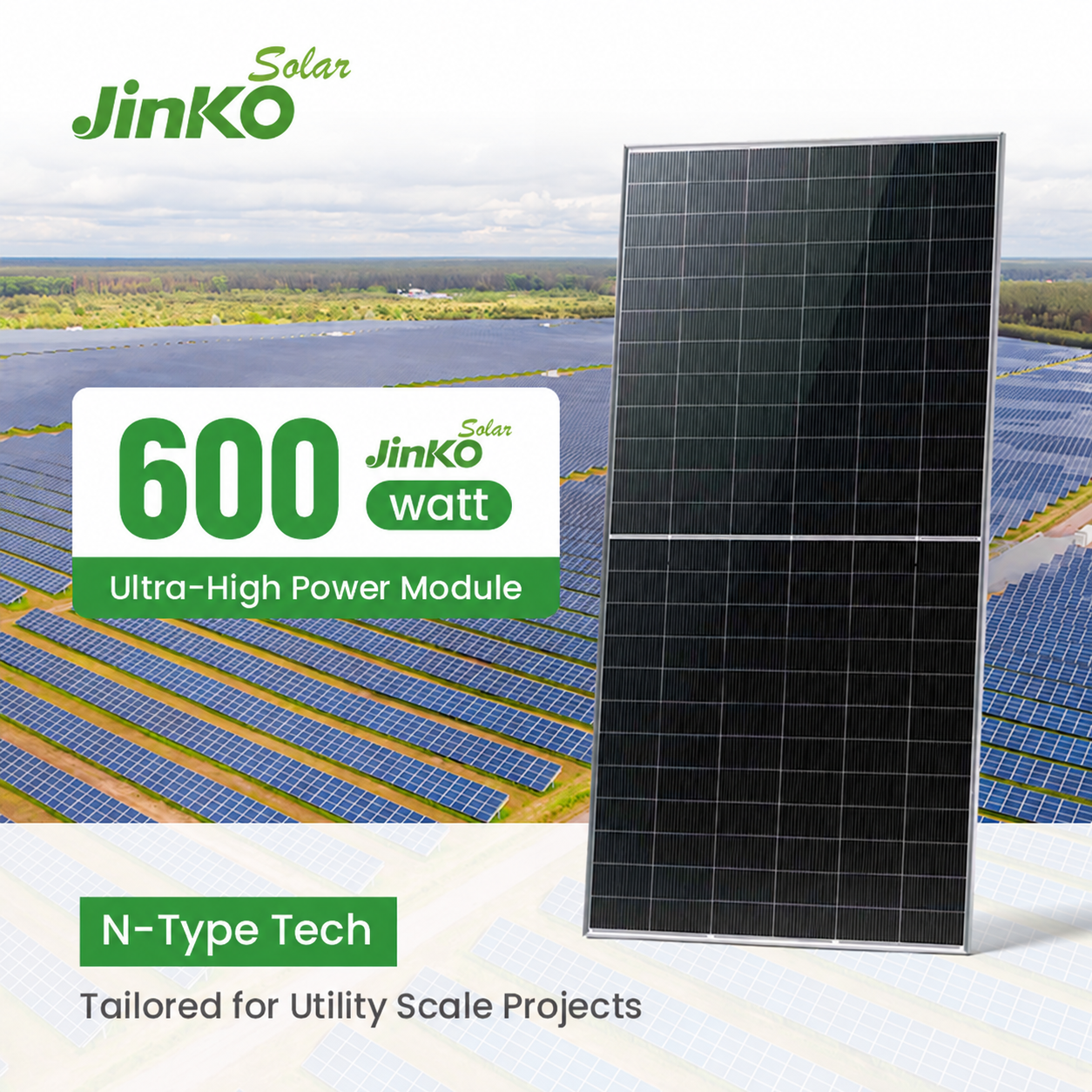
Jinko N Type Bifacial Solar Panels 600W 580W 595W TOPCon Double Glass High Efficiency Solar Module
Bifacial factor up to 80% providing superior rear-side irradiance yield on white gravel or metallic rooftops common across Brazilian logistics hubs.
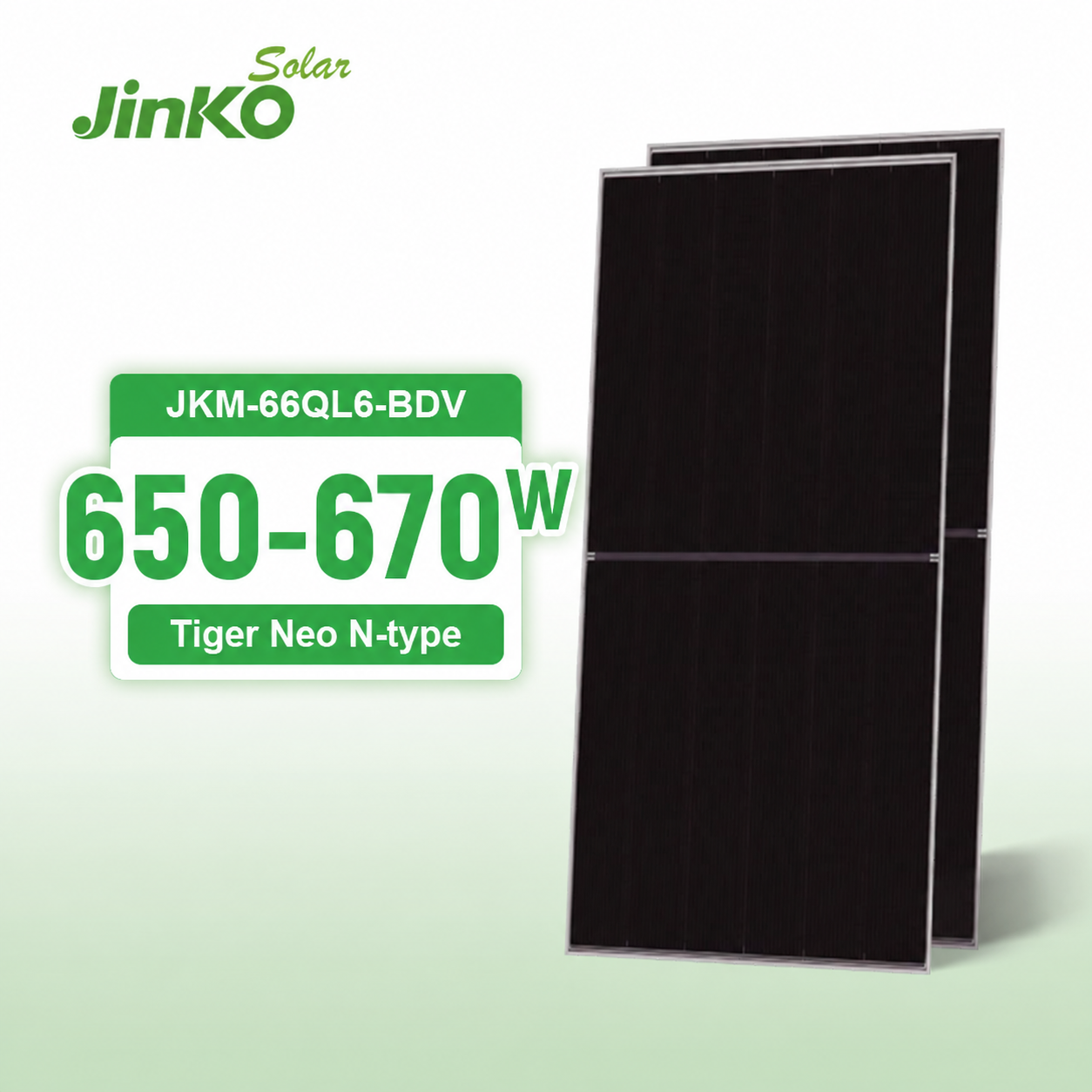
Jinko N Type Solar Panels Bifacial 650W 660W 670W TOPCon Double Glass High Efficiency Solar Module for House
Flagship 650W+ series. Engineered to drive down Balance of System (BOS) and minimize overall Levelized Cost of Electricity (LCOE) in ground-mounted arrays.
The String Inverter Paradigm in Brazil: Lei 14.300 and Grid Modernization
The Brazilian photovoltaic landscape has transitioned into an era governed by regulatory maturity and rigorous technical compliance. Following the enforcement of Lei nº 14.300/2022 (Marco Legal da Micro e Minigeração Distribuída), the economic viability of solar assets depends not merely on initial panel wattage, but on the precise string inverter topology, conversion efficiency, and compliance with local utility concessionaires (such as CPFL, Enel, Cemig, and Neoenergia).
String inverters remain the undisputed backbone of both microgeneration (up to 75 kW) and minigeração (75 kW to 5 MW) in Brazil due to their decentralized architecture, lower mean time to repair (MTTR), and modular flexibility. However, deploying string equipment in Brazil requires confronting distinct geographical challenges: intense ambient heat exceeding 42°C in the Northeast (Sertão), severe voltage sags in rural agricultural feeders, and rapid lightning surges along coastal zones.
- Optimized MPPT Voltage Ranges: String inverters must feature ultra-wide MPPT operational windows (e.g., 200V–1000V) to harvest maximum power during low-irradiance dawn/dusk hours across tropical latitudes.
- Thermal Derating Thresholds: Advanced aluminum-alloy heatsinks and smart fan cooling maintain 100% full-load output up to 45°C without premature power clipping.
- AFCI 2.0 Arc-Fault Circuit Interruption: Integrated AI-driven algorithms identify and extinguish DC arc hazards within 2.5 milliseconds, mitigating risks on combustible commercial roofs.
String Architecture vs. Traditional Central Inverters in Brazilian Mini-GD Projects
| Evaluation Parameter | Decentralized String Inverters (50kW–125kW) | Central Inverters (>1MW) | Brazilian Operational Advantage |
|---|---|---|---|
| MPPT Granularity | Multiple MPPTs (6 to 12 channels per unit) | Single or Dual MPPT per block | Minimizes mismatch losses from cloud drift and topography variations in Minas Gerais and Bahia. |
| O&M and Replacement | Rapid swap-out via localized O&M teams | Specialized field engineers required | Cuts plant downtime from weeks to hours; spares can be transported without flatbed cranes. |
| DC Cabling Infrastructure | Shorter DC runs, longer AC distribution | Extensive high-amperage DC trunk lines | Significant reduction in copper costs and fire hazards under high ambient temperatures. |
| Inmetro Regulatory Pathway | Standard Portaria 140/2022 laboratory testing | On-site grid compliance certification | Accelerates concessionaire homologation and interconnection approvals. |
Localized Applications Across Brazil’s Macro Regions
From the agricultural heartland of the Central-West to intense coastal urban centers, our string inverters and module configurations deliver mission-critical resilience.
Agribusiness & Irrigation Pumping (Cerrado & Matopiba)
In states like Mato Grosso, Goiás, and Bahia, agro-industrial producers face weak rural grids and high diesel costs. Our string inverters integrate dynamic reactive power control (Cos Phi adjustment) and support direct integration with Variable Frequency Drives (VFDs) for center-pivot irrigation systems, maintaining grid stability under fluctuating rural feeders.
C&I Rooftops & Shared Generation (Autoconsumo Remoto)
Distribution centers throughout São Paulo, Paraná, and Rio de Janeiro utilize complex multi-pitch roofs. String inverters equipped with 8 to 12 independent MPPTs eliminate string mismatch caused by structural shading. Under Lei 14.300, maximizing self-consumption through smart export limitation and DC-coupled battery readiness reduces "Fio B" tariff impacts.
Coastal Solar Plants (Litoral & Northeast High-Salinity)
Installations along the extensive coastline (Ceará, Pernambuco, Santa Catarina) require IP66 dust/waterproofing and C5-M anti-corrosion protection. Our string inverters feature encapsulated electronics, conformal coating on all internal PCBA, and stainless steel fasteners to resist salt mist and humidity-induced degradation.
Inmetro Compliance, Anti-Islanding & Grid Code Standards
Selling solar equipment into Brazil requires strict adherence to regulatory bodies including Inmetro (Instituto Nacional de Metrologia, Qualidade e Tecnologia) and ANEEL (Agência Nacional de Energia Elétrica). Inmetro Portaria nº 140/2022 and updated Portaria 515/2023 dictate stringent testing requirements for inverters up to 75 kW.
Our exported string inverters undergo pre-certification testing in ISO/IEC 17025 accredited laboratories to ensure unhindered concessionaire homologation across all regional utilities:
- ABNT NBR 16149 / 16150 Compliance: Complete verification of grid disconnection parameters, over-voltage/under-voltage protection limits, and frequency ride-through thresholds (57.5 Hz – 62 Hz).
- Active Anti-Islanding Protection: Frequency-shift and active reactive power perturbation mechanisms to guarantee absolute grid decoupling within 2.0 seconds during blackouts.
- Zero-Export Functionality: Real-time CT and smart-meter telemetry protocol integration supporting instantaneous dynamic power throttling for non-injection grid agreements.
Why Brazilian Importers & EPCs Partner with VOLT New Energy
We eliminate transaction friction, technical mismatch, and import compliance roadblocks for distributors and EPC developers across South America.
System Compatibility Engineering
Every inverter and module batch undergoes matched string-voltage and current tolerance testing. We calibrate DC inputs against Jinko N-Type TOPCon bifacial output characteristics, avoiding inverter clipping and BMS communication faults right from day one.
Consolidated Mixed-Load Logistics
Maximize container efficiency. We consolidate string inverters, Tier-1 solar modules, mounting structures, and DC combiner components into unified 40HQ containers at our export warehouse, significantly lowering maritime freight costs to Santos, Paranaguá, and Salvador.
Ex-Tarifário & Radar Documentation
Brazilian customs clearance requires precision. Our export operations team supplies complete Bilhete de Carga, commercial invoices with exact NCM codes (8504.40.90 for inverters, 8541.43.00 for PV cells), and documentation structured to leverage Ex-Tarifário import duty benefits.
Procurement & Importation FAQ for Brazilian Buyers
Clear, direct technical answers regarding customs clearance, certification transfer, and utility grid interconnection in Brazil.
How do your string inverters comply with Inmetro Portaria 140/2022 and 515/2023?
What NCM codes are utilized to optimize import tariffs (Imposto de Importação) in Brazil?
How do string inverters handle grid voltage fluctuations in rural Brazilian agricultural regions?
Can string inverters be coupled with energy storage under Lei 14.300?
What is the lead time for CIF/FOB shipments to major Brazilian ports?
Accelerate Your Brazilian Solar Projects with Certified Hardware
Contact our engineering desk today for customized string sizing calculations, Inmetro compliance reports, wholesale price sheets, and turnkey container consolidation plans.
Get Catalog