Tier-1 Engineered Systems
Integrated Energy Storage & Generation Modules
Pre-tested components calibrated for immediate BMS-to-inverter handshaking, low line losses, and extreme thermal operating windows across the Canadian provinces.
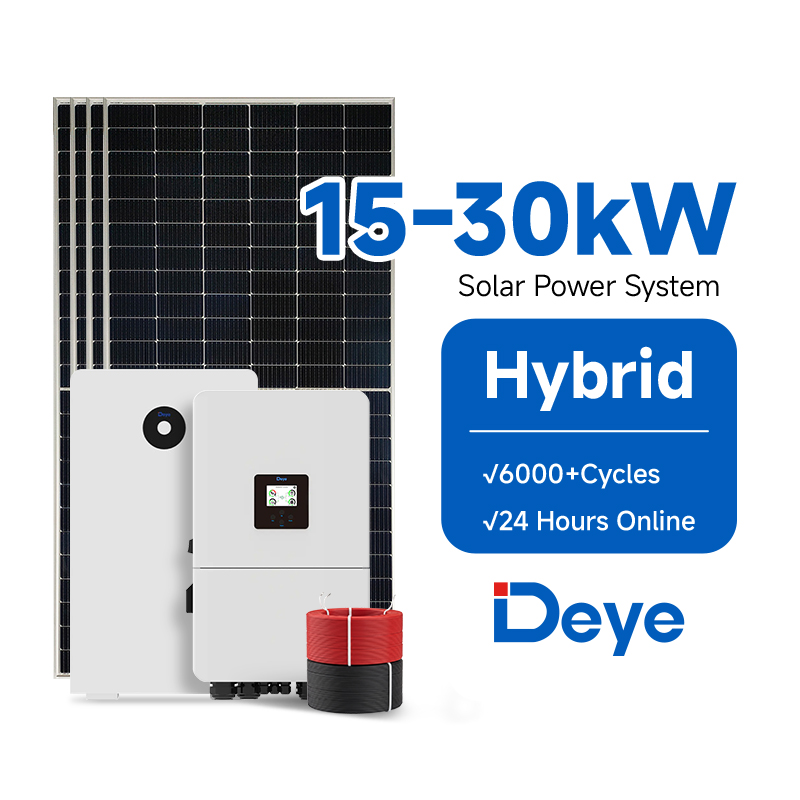
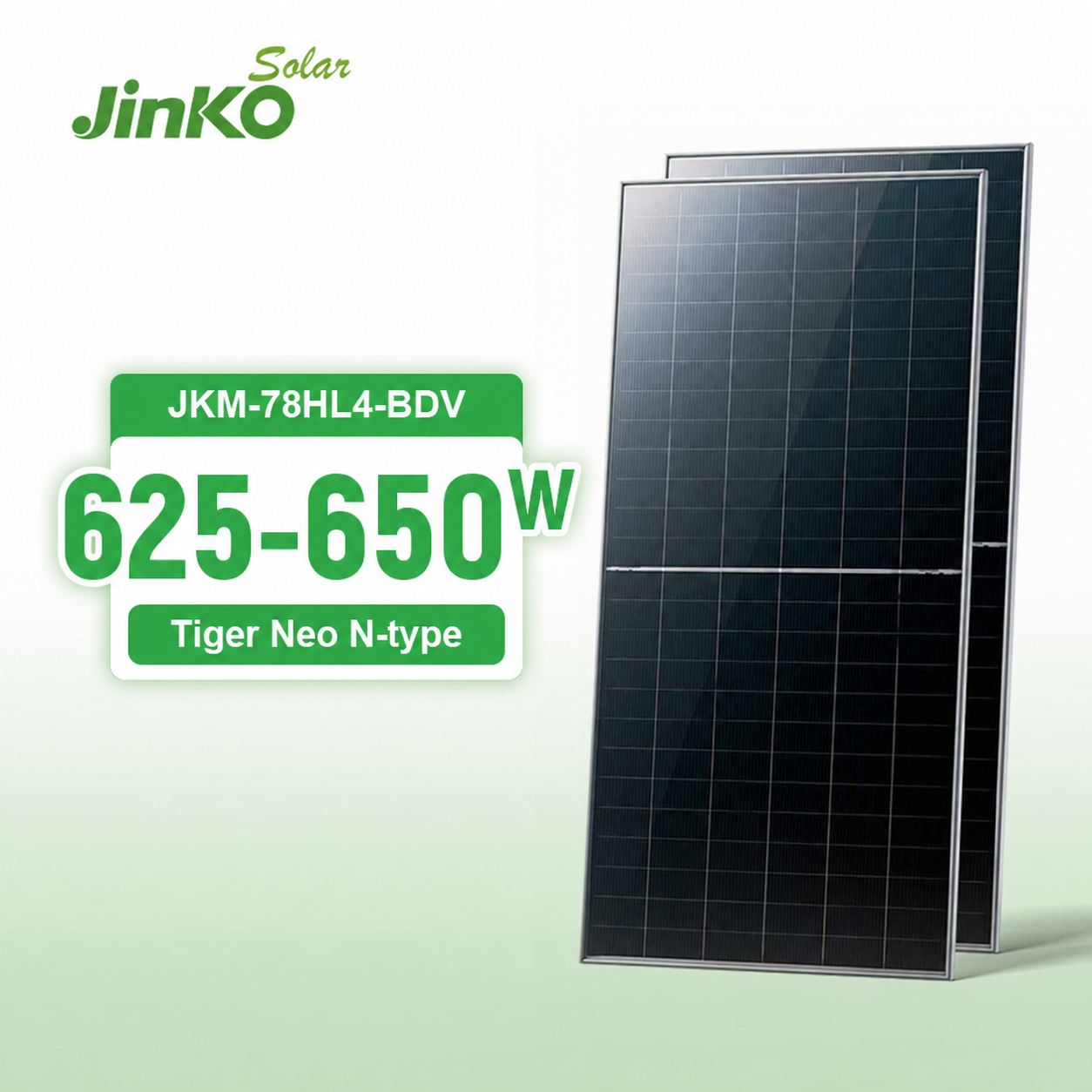
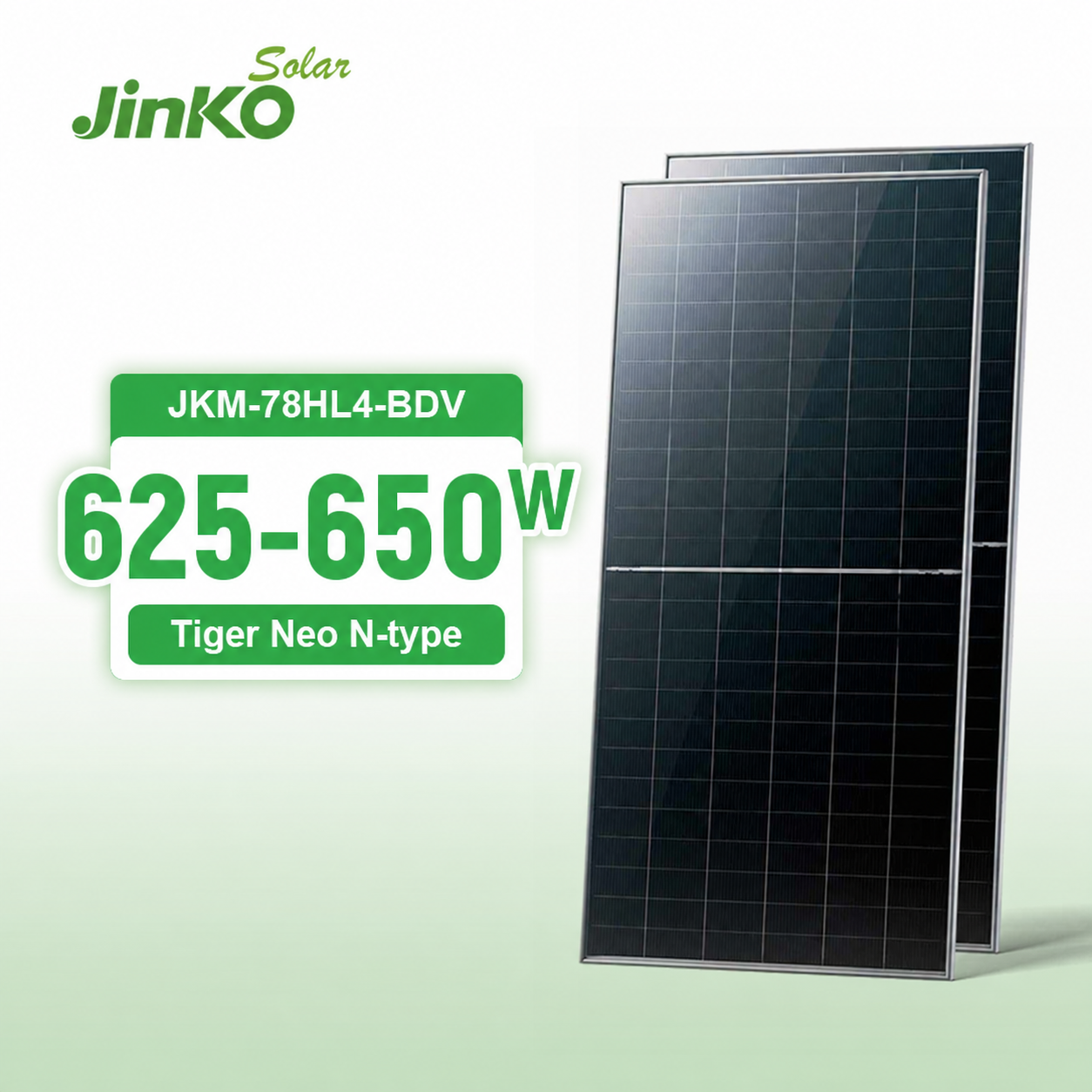
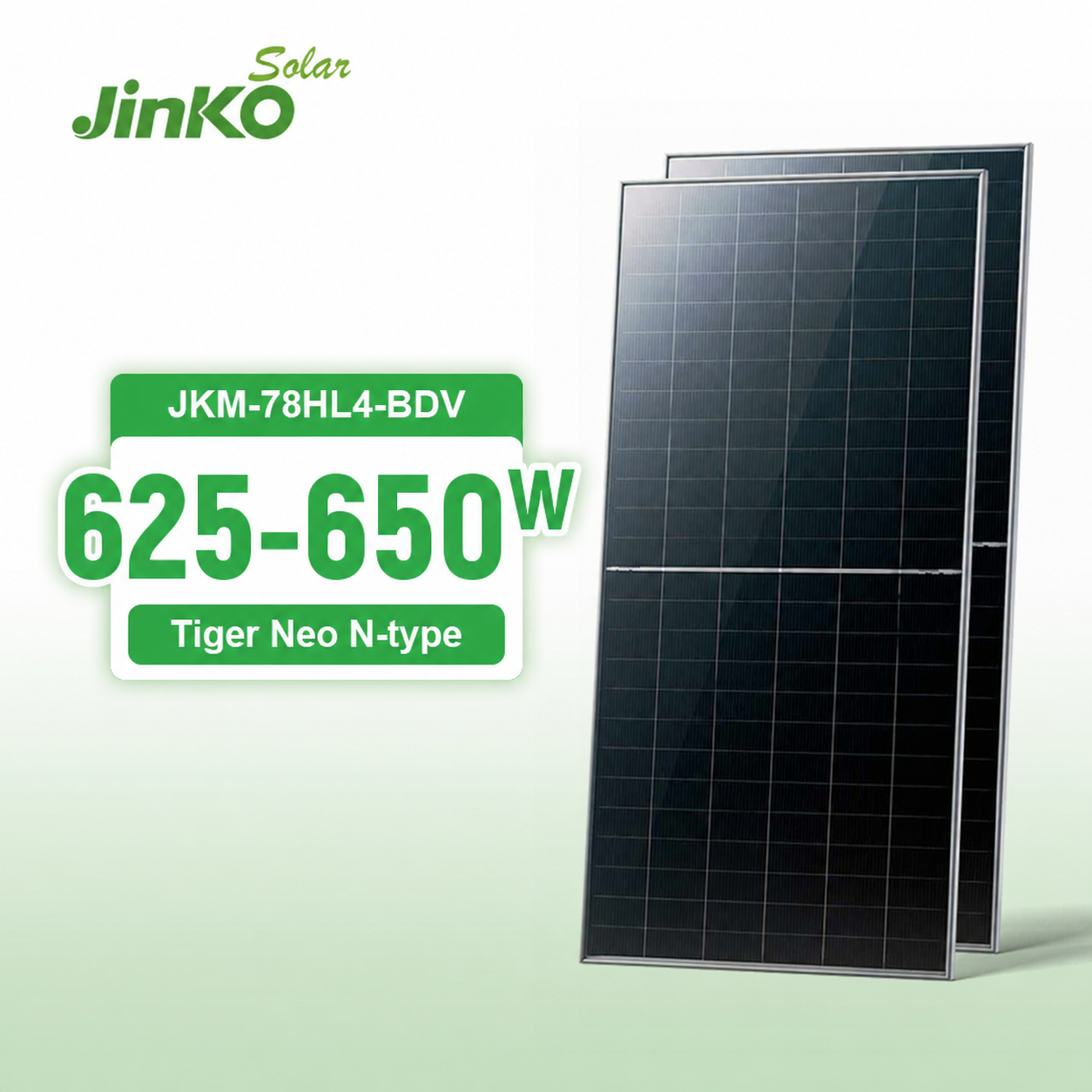
Residential Microgrid
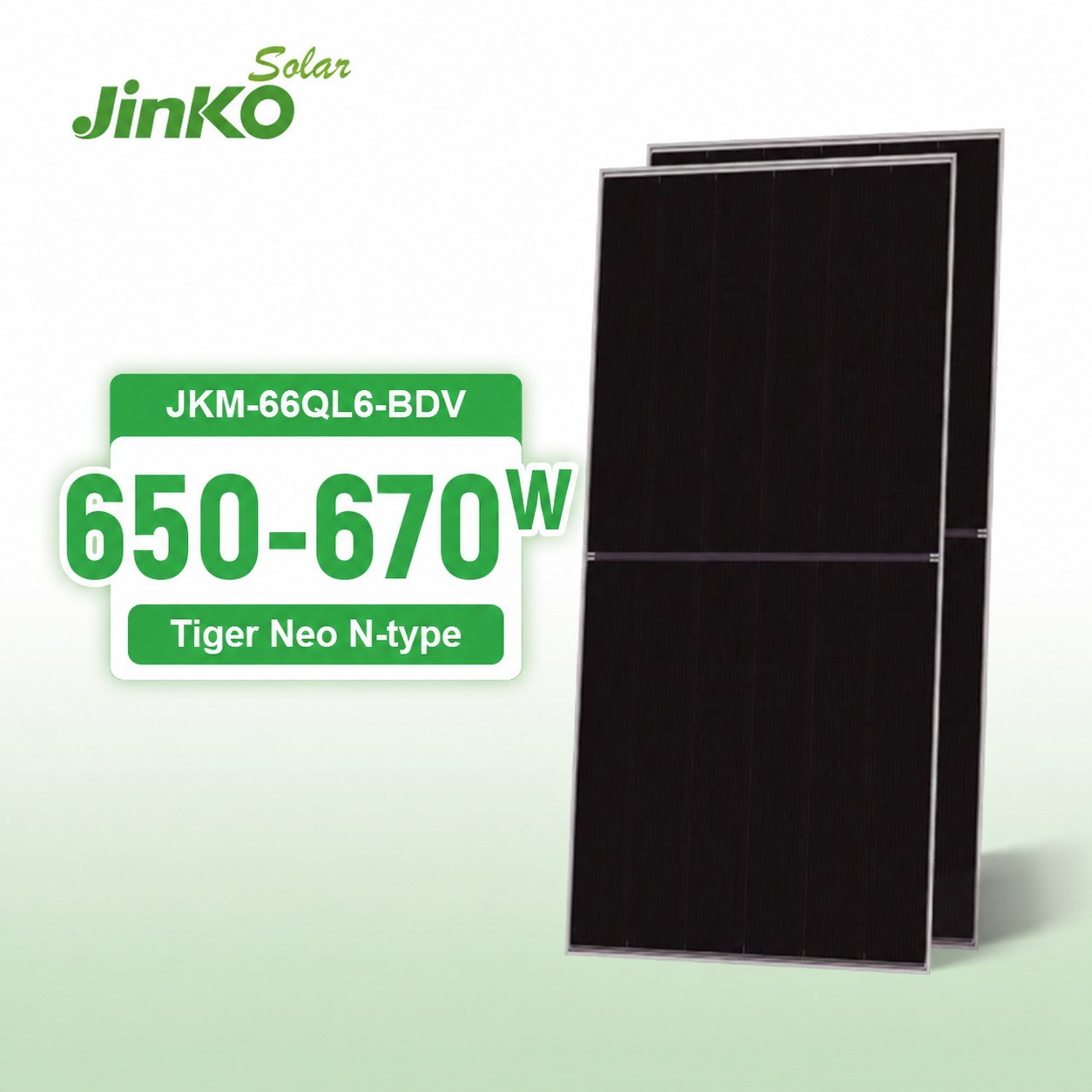
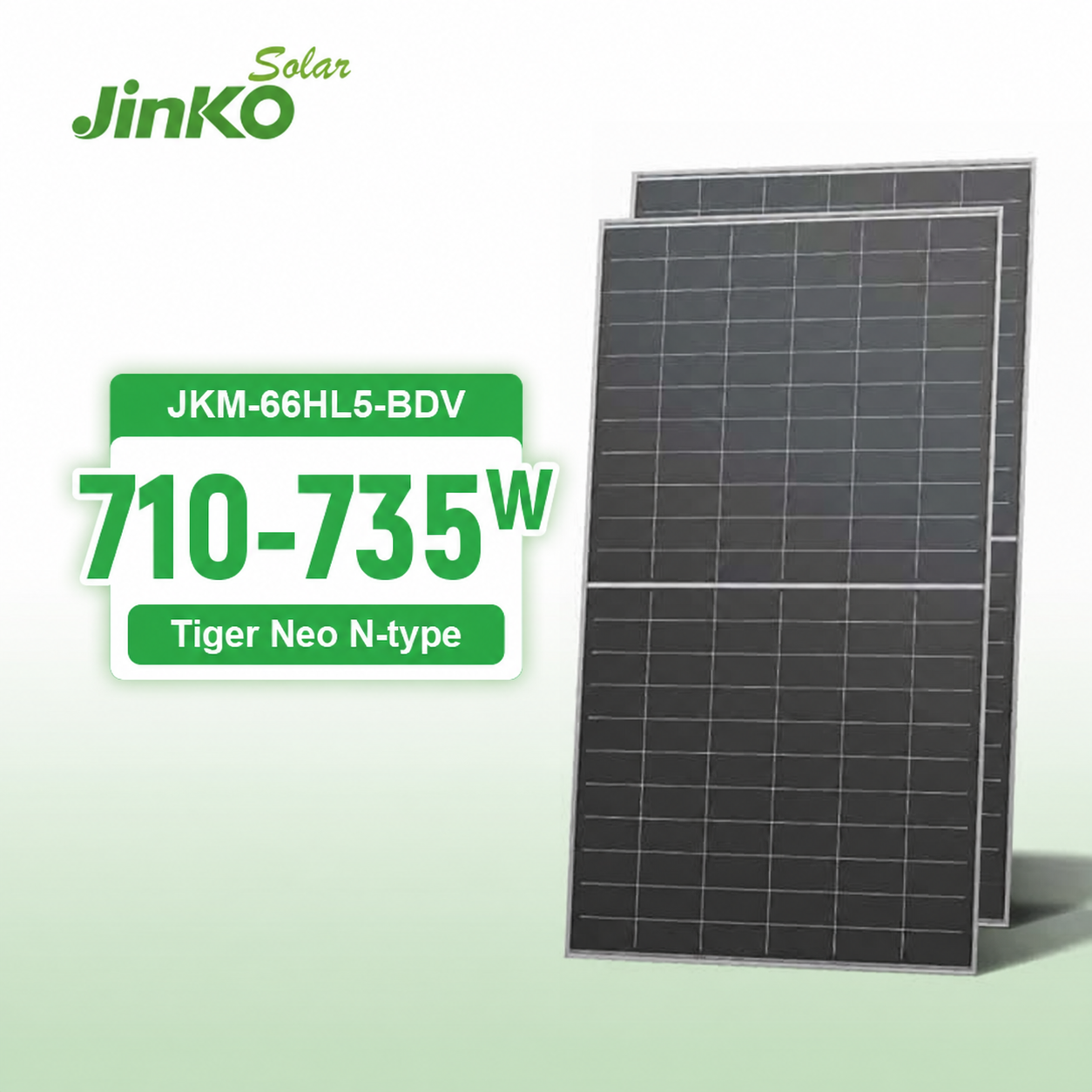
Jinko Double Glass High-Efficiency Panels 630W–650W for Cold Climates
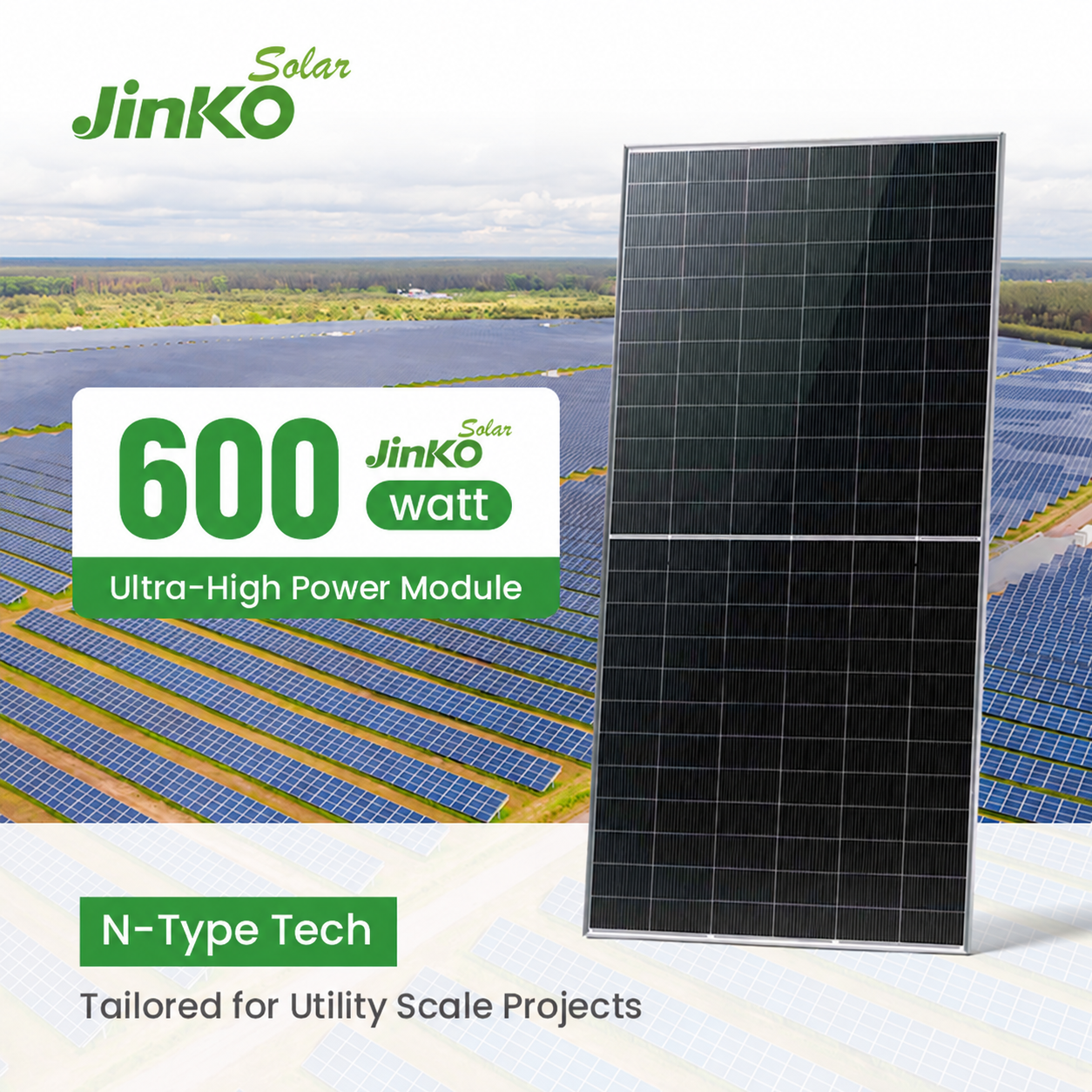
Heavy Duty Ground Array
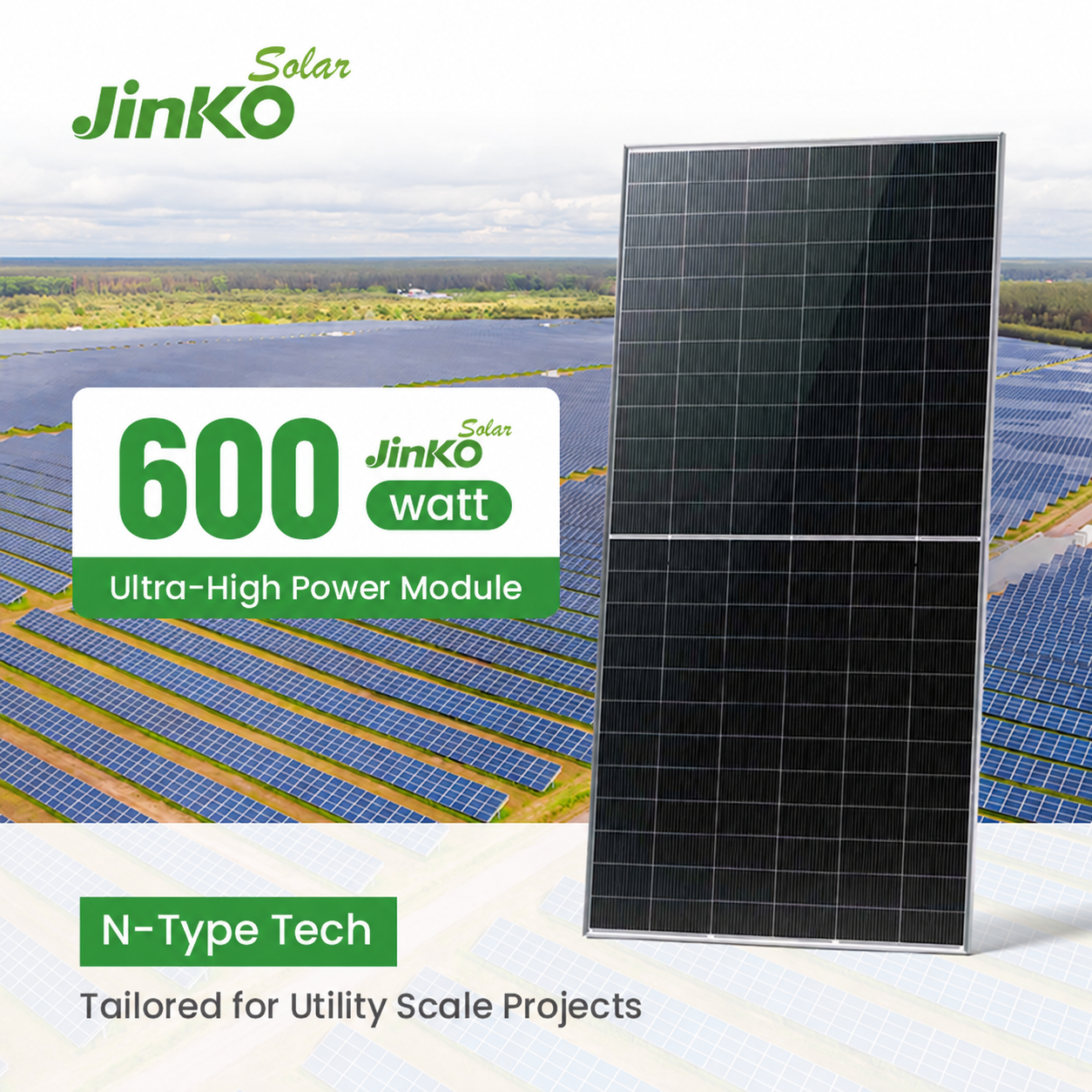
Jinko TOPCon Bifacial 580W–600W Engineered for Winter Backside Gain
100+
Countries & Regions Deployed
6,000+
Deep Cycles at 80% DoD
-35°C
Cold-Plenum Operational Range
<24h
Engineering Support Response
Executive Engineering Overview: As Canadian electrical contractors, telecoms, microgrid developers, and off-grid homeowners transition away from legacy lead-acid and flooded GEL technology, the 25.6V nominal Lithium Iron Phosphate (LiFePO4) platform has emerged as the architectural benchmark for resilience. Designing storage systems for Canada requires managing sub-zero freezing climates, large geographical distances, and strict safety guidelines under CSA C22.2 No. 107.1 and UL 1973. This report provides deep technical insight into 24V lithium battery suppliers operating in or shipping to Canada.
Engineering Blueprint
24V Lithium Technology in the Canadian Context
Why modern 24V (8S) LFP battery topologies outperform 12V series-connected arrays and 48V centralized racks in specific Canadian deployment envelopes.
Balancing Current vs. Arc Voltage
While 48V networks lower resistive cable heating losses (I²R) in multi-kilowatt systems, a 24V (25.6V nominal, 8-cell series) system sits in an ideal electrical sweet spot. It cuts direct current amp draw in half relative to 12V legacy banks, keeping busbar, fuse, and charge controller costs economical while avoiding DC high-voltage arcing hazards and clearance requirements defined in the Canadian Electrical Code (CEC) Part I.
Thermal Protection & Self-Heating
LFP chemistry suffers rapid copper plating on the anode when charged below 0°C (32°F), leading to irreversible internal short-circuits. Premium 24V batteries designed for the Canadian market integrate dual-stage internally wired silicone heating pads or dynamic high-frequency alternating pulse currents. These preheat internal prismatics using incoming solar current prior to switching on the BMS charging gate.
Communication & Inverter Integration
Off-grid Canadian installations frequently encounter open-circuit shutoffs from poorly synced BMS systems. Industrial 24V suppliers prioritize CANbus and RS485 protocol interoperability (such as native communication profiles with Deye low-voltage hybrid inverters, Victron Energy, and Schneider Electric Conext platforms), eliminating false overvoltage tripping during sharp engine-generator battery charging cycles.
Benchmarking Data
24V Lithium Iron Phosphate (LiFePO4) vs. Conventional Cold-Climate Platforms
| Evaluation Parameter | 24V LiFePO4 with Internal Heat (LFP) | 24V Deep-Cycle GEL (Colloidal) | 24V Absorbed Glass Mat (AGM) |
|---|---|---|---|
| Nominal Voltage & Structure | 25.6V (8S Prismatic / Cylindrical) | 24.0V (2x 12V or 12x 2V Series) | 24.0V (2x 12V Series Strings) |
| Usable Depth of Discharge (DoD) | 90% to 100% without structural degradation | 50% recommended (Max 70% emergency) | 50% continuous recommended |
| Cycle Life Rating (@ 80% DoD) | 4,000 to 7,000 Cycles | 1,200 to 1,800 Cycles | 500 to 800 Cycles |
| Operation at -20°C Ambient | Normal (Via Auto BMS Thermal Heating Layer) | Capacity reduced to ~55-60%; Slow charge | Capacity reduced to ~50%; High risk of freezing if discharged |
| Charge Efficiency Rating | 96% - 98% (Lower fuel/solar input needed) | 80% - 85% (High internal resistance) | 75% - 82% (Energy wasted as heat) |
| BMS Communications | CANbus, RS485, Modbus RTU real-time | None (External voltage sensing only) | None (External shunts required) |
Market Overview
Top 10 24V Lithium Battery Suppliers for Canada
A vendor review covering direct manufacturing integrators, regional master distributors, and cold-rated engineering brands serving Canada's provinces and territories.
#01
VOLT New Energy
Turnkey system integrator and engineering exporter supplying high-cycle 24V LFP modules, Deye low-voltage hybrid inverters, and N-type bifacial solar arrays. Features factory-tested CAN/RS485 closed-loop protocols and UN38.3 transport certification.
Engineered Systems
#02
Discover Battery
Headquartered in British Columbia, Discover specializes in advanced energy storage including the AES Blue and HELIOS series with closed-loop communication and integrated heating for heavy off-grid, telecom, and industrial motive platforms.
Richmond, BC
#03
Volthium Energy
Based in Montreal, Quebec, Volthium manufactures LFP batteries designed specifically for Canadian conditions, featuring self-heating internal pads, Bluetooth BMS connectivity, and cold-soak marine/RV protections.
Montreal, QC
#04
Battle Born Batteries
A major North American supplier offering 24V deep cycle models backed by cylindrical cell architecture and internal thermal heating kits, widely distributed across Canadian marine, van-life, and off-grid channels.
Direct / Master Dist.
#05
Canbat Energy
Vancouver-based brand distributing self-heating 24V LiFePO4 batteries engineered for Canadian winters. Well suited for residential backup arrays, remote cottages, wind-assist units, and cold weather storage.
Vancouver, BC
#06
Solacity Inc.
Technical distributor based in Ontario providing high-durability off-grid 24V energy storage, hybrid converters, and balance-of-systems for rural electrification, micro-hydro systems, and cold climate camps.
Kemptville, ON
#07
HES PV
One of Canada's longest-standing solar distributors, stocking residential and light commercial 24V/48V LFP configurations alongside Tier-1 balance-of-system equipment for certified electrical contractors nationwide.
National Distribution
#08
Modern Outpost
Western Canada based engineering supplier providing off-grid solutions, specialized remote monitoring stations, portable fieldwork battery packs, and 24V cold-weather expedition-grade LFP power.
Courtenay, BC
#09
Victron Energy Network
Supported by a comprehensive Canadian master distribution network, providing premium 24V Smart Lithium Iron Phosphate systems with external Lynx Smart BMS and DVCC coordination for marine and vehicle applications.
Global / Regional Reps
#10
Renogy Canada
Supplies accessible 24V compact lithium iron phosphate batteries to the residential DIY, hunting cabin, and light utility trailer market, supported by a dedicated Canadian distribution centre and smart-app monitoring.
Consumer & Light Commercial
Localized Case Studies
High-Yield Deployment Scenarios Across Canada
Real-world integration models illustrating how 24V lithium systems handle Canadian seasonal irradiance swings, high snow albedo, and sub-zero operational challenges.
Northern & Remote Off-Grid Cabins
In rural Ontario, Quebec, and Yukon, cabins relying on seasonal visits face severe cold-soak challenges. A 24V 200Ah self-heating LFP bank paired with steep-tilt bifacial Jinko panels captures horizontal snow albedo. When combined with a generator dry-contact auto-start module, it prevents generator wet-stacking while maintaining reliable backup power down to -35°C.
Remote Telecom Repeaters & SCADA
Mining operations in the Northwest Territories and oil & gas pipeline valve monitoring in Alberta require continuous DC power. Replacing 1,500 kg lead-acid battery banks with lightweight 24V rack-mounted LFP reduces helicopter transport cycles while delivering more than 5,000 cycles without capacity loss from partial-state-of-charge operation.
Canadian Commercial Mobile & Marine
Commercial fishing vessels in Nova Scotia and utility work trucks in British Columbia need clean, silent DC power for winches, hydraulics, and high-amp inverters. A 24V LFP setup cuts alternator charge times by 60% compared to AGM, eliminating high lead-acid sulfation rates without off-gassing explosive hydrogen in enclosed spaces.
Why Choose Us
Engineering Strengths: VOLT New Energy Supply Value
Addressing the three biggest risks Canadian importers face: firmware protocol mismatches, shipping documentation delays, and sub-zero field failures.
Pre-Shipment Protocol Verification
Every lithium battery bank is tested for CAN/RS485 handshake compatibility with low-voltage Deye, Schneider, and Victron hybrid platforms before packing, eliminating site-level communication errors on initial startup.
Cold-Climate Cell Selection
We source Grade-A UL 1973 certified prismatic cells configured with high-precision balance boards and multi-sensor thermal switches, protecting individual cells from unheated low-temperature charge currents.
Turnkey Mixed Logistics
Streamline Canadian border clearance. We consolidate Class 9 dangerous goods (UN38.3, MSDS) lithium batteries together with Jinko PV modules, hybrid inverters, and racking into single container shipments.
System Sizing & Documentation
Our engineering team provides comprehensive array-to-storage calculations, electrical schematics, and parameter settings tailored to Canadian solar-hour minimums and harsh winter requirements.
Procurement Guidance
Frequently Asked Questions: Canadian 24V Lithium Procurement
Technical, regulatory, and shipping considerations for project managers, solar installers, and electrical distributors across Canada.
What happens if a 24V lithium battery is charged at temperatures below freezing (0°C)?
Charging an unheated LiFePO4 cell below 0°C (32°F) forces lithium ions to deposit as metallic lithium on the graphite anode surface (lithium plating) rather than intercalating between the layers. This permanently degrades cell capacity, spikes internal resistance, and can eventually cause microscopic dendrites that pierce the polyolefin separator, resulting in an internal short circuit. Reliable batteries for Canadian applications feature low-temperature charging disconnects within the BMS firmware, or include integrated thermal heating layers that run on incoming solar power to warm the cell matrix to +5°C before permitting charge current.
Why choose a native 24V battery instead of wiring two 12V lithium batteries in series?
Wiring two separate 12V (4S) batteries in series introduces balance challenges over time. Each unit runs its own independent BMS. Minor differences in internal resistance, age, and temperature cause one battery to reach the high-voltage cutoff sooner, tripping its BMS and shutting down the entire 24V DC bus. A dedicated 24V (8S) battery uses a single unified BMS that monitors all 8 internal cell groups in real time, preventing string imbalance, saving installation labour, and providing cleaner CANbus communications back to the inverter.
How do 24V battery systems comply with the Canadian Electrical Code (CEC Part I)?
Under Section 64 of the Canadian Electrical Code (CEC Part I), energy storage installations must adhere to strict overcurrent protection, working space clearances, and disconnection guidelines. Systems operating under 30V nominal benefit from lower arcing risk than high-voltage DC arrays, streamlining residential installation. However, energy storage systems connected to building wiring must use components certified to relevant safety standards (such as CSA C22.2 No. 107.1, UL 1973 for battery modules, and UL 9540 for paired inverter-battery configurations). Inspecting authorities require certified overcurrent protection (Class T or NH fuses with sufficient DC interrupt ratings) near the battery terminals.
Can 24V lithium batteries be transported safely during Canadian winters via sea and rail?
Yes. Discharged or stored lithium iron phosphate batteries can safely endure ambient cold-soak down to -40°C without electrolyte degradation, provided they are not charged while frozen. Transport Canada regulates lithium battery shipments under the Transportation of Dangerous Goods (TDG) regulations. Batteries must hold certified UN38.3 test reports covering altitude, thermal shock, vibration, impact, and external short-circuiting, packaged in UN-spec Class 9 boxes accompanied by safety data sheets (MSDS). VOLT New Energy handles full Dangerous Goods consolidation and rail transfer from Canadian ports (Vancouver, Montreal, or Halifax).
How does high snow albedo benefit a 24V battery system paired with bifacial solar panels?
Fresh snow reflects 80% to 90% of incident sunlight, creating a high-albedo environment. When bifacial N-type dual-glass modules (such as the Jinko 600W–670W series) are mounted at a steep tilt (45° to 60° to shed snow cover), the rear side absorbs this reflected ground irradiance. This boosts panel power production by 15% to 30% during clear winter days. That additional generation helps offset shorter day lengths, providing enough energy to run internal battery warming pads and quickly charge the 24V bank back to float status.
What are the key charging voltage setpoints for a 24V (8S) LiFePO4 battery?
A standard 24V (25.6V nominal) 8-cell LFP battery runs with an absorption/bulk charge setpoint between 28.4V and 29.2V (3.55V to 3.65V per cell). The float stage should be configured between 26.8V and 27.2V (3.35V to 3.40V per cell) to minimize cell resting stress. Crucially, temperature compensation must be disabled (set to 0 mV/°C) when transitioning from lead-acid profiles, as lithium does not require elevated voltages at low temperatures. Inverters like Deye communicate directly via CANbus to dynamically adjust charge currents based on real-time cell parameters.
How does deep-cycle GEL compare to LFP for unheated seasonal Canadian outposts?
Deep-cycle colloidal GEL batteries maintain one key advantage in unheated, unattended sites: they can be trickle-charged at sub-zero temperatures without destructive lithium plating, and their lower upfront capital cost appeals to budget installations. However, GEL batteries provide only 1,200–1,800 cycles, suffer substantial capacity loss in deep cold (dropping by nearly 50% at -20°C), and degrade if left at partial state of charge. A 24V LFP system with internal heaters requires a higher initial investment but provides 6,000+ cycles, 98% charge efficiency, lower freight weight, and consistent usable kilowatt-hours over a 10-to-15 year operational lifespan.
Can a 24V lithium battery bank be expanded in parallel after several years of service?
Yes, but with specific design guidelines. Because LiFePO4 has a very flat voltage curve, new parallel modules must match the chemistry, internal resistance, and firmware profile of the existing bank. When adding an additional 24V module after extended field operation, both old and new units should be brought to identical state of charge (within 0.1V) before connecting them to the common busbar. Utilizing matched brand equipment (such as VOLT New Energy or Deye ESS configurations) ensures that master-slave communication links correctly handle balanced charge sharing across all modules.
Request Sizing Support & Technical Catalog
Planning an off-grid electrification project, commercial microgrid, or containerized solar deployment in Canada? Consult our engineering team for matched 24V battery, inverter, and bifacial PV documentation.