High-Efficiency PV Modules for Concepción Solar + Colloidal Systems
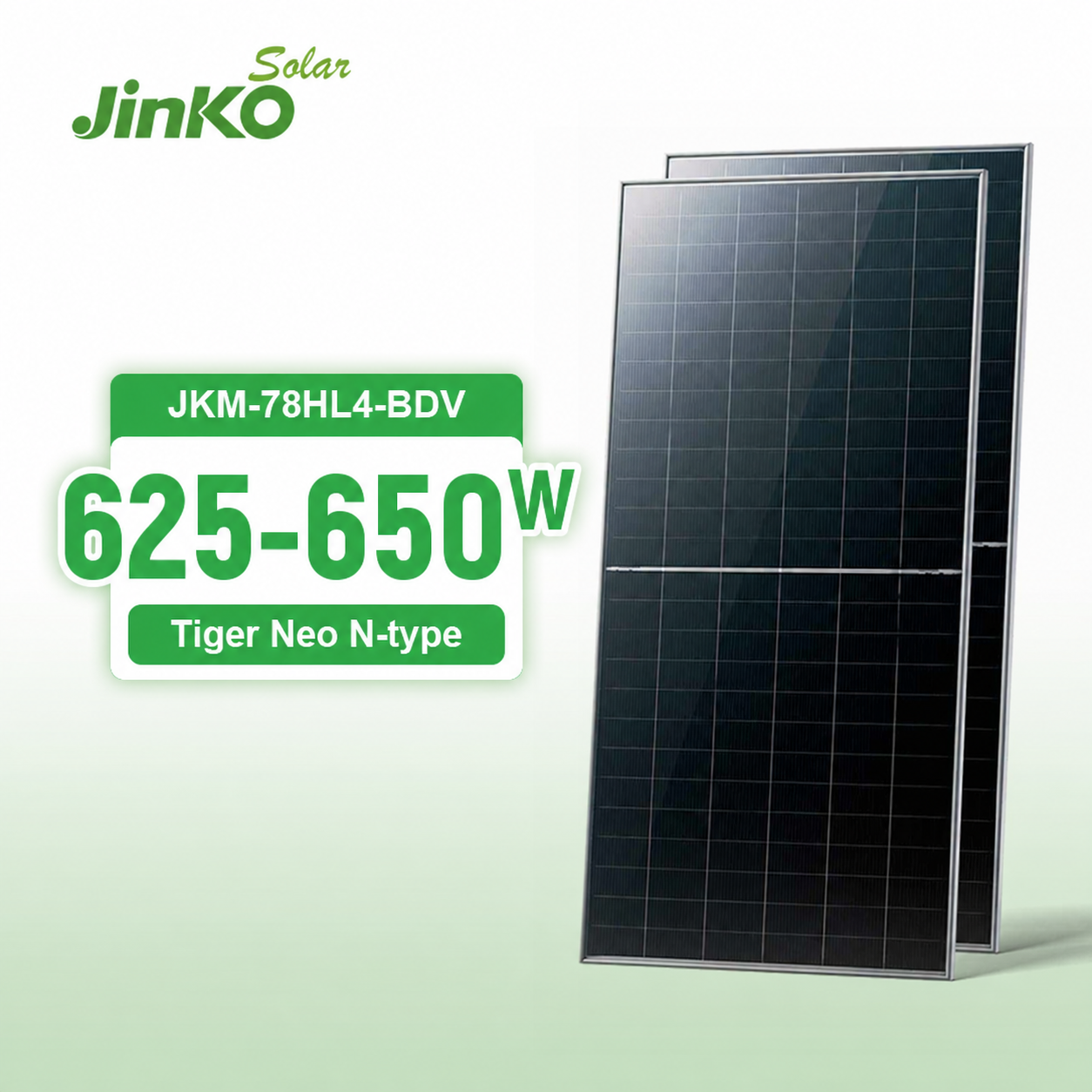
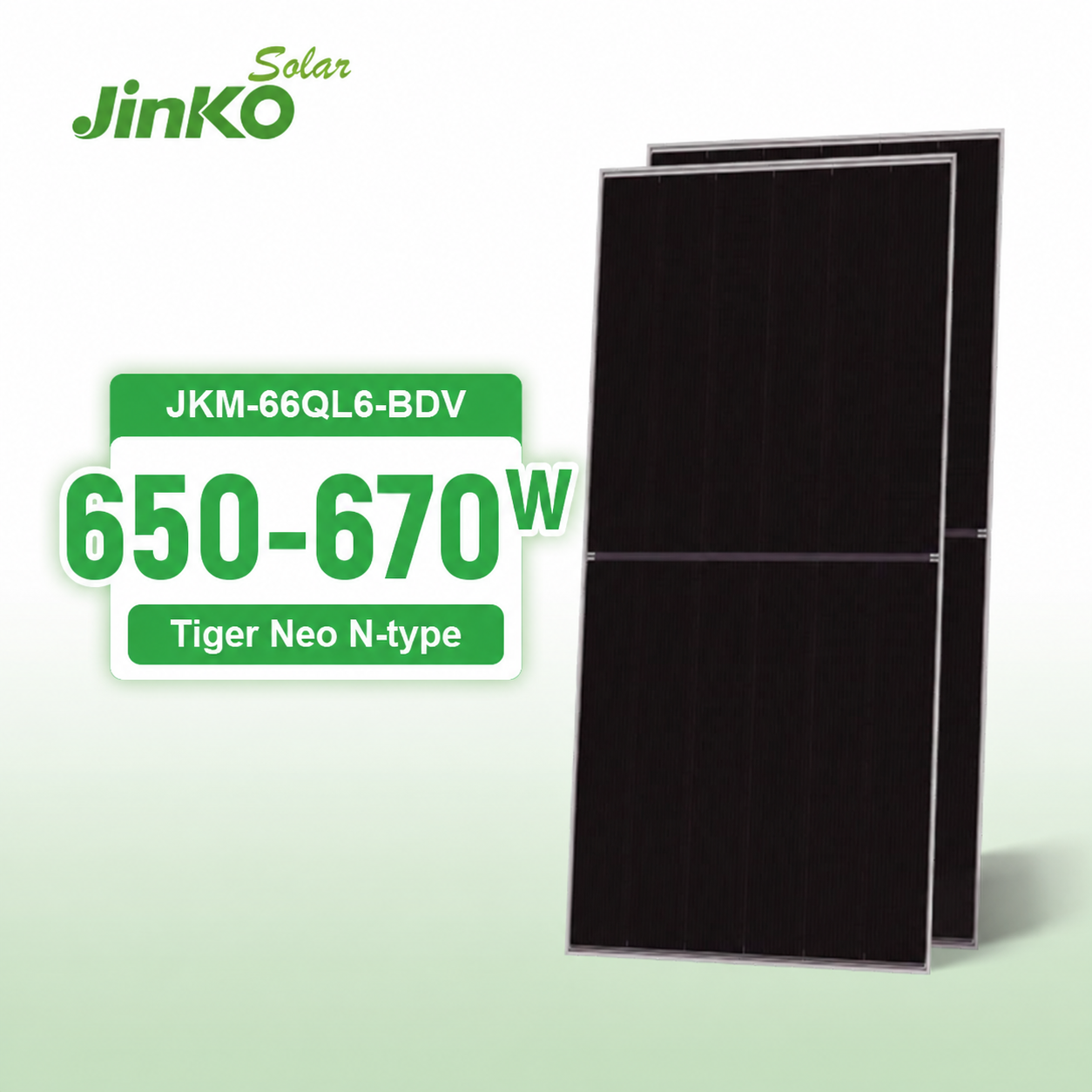
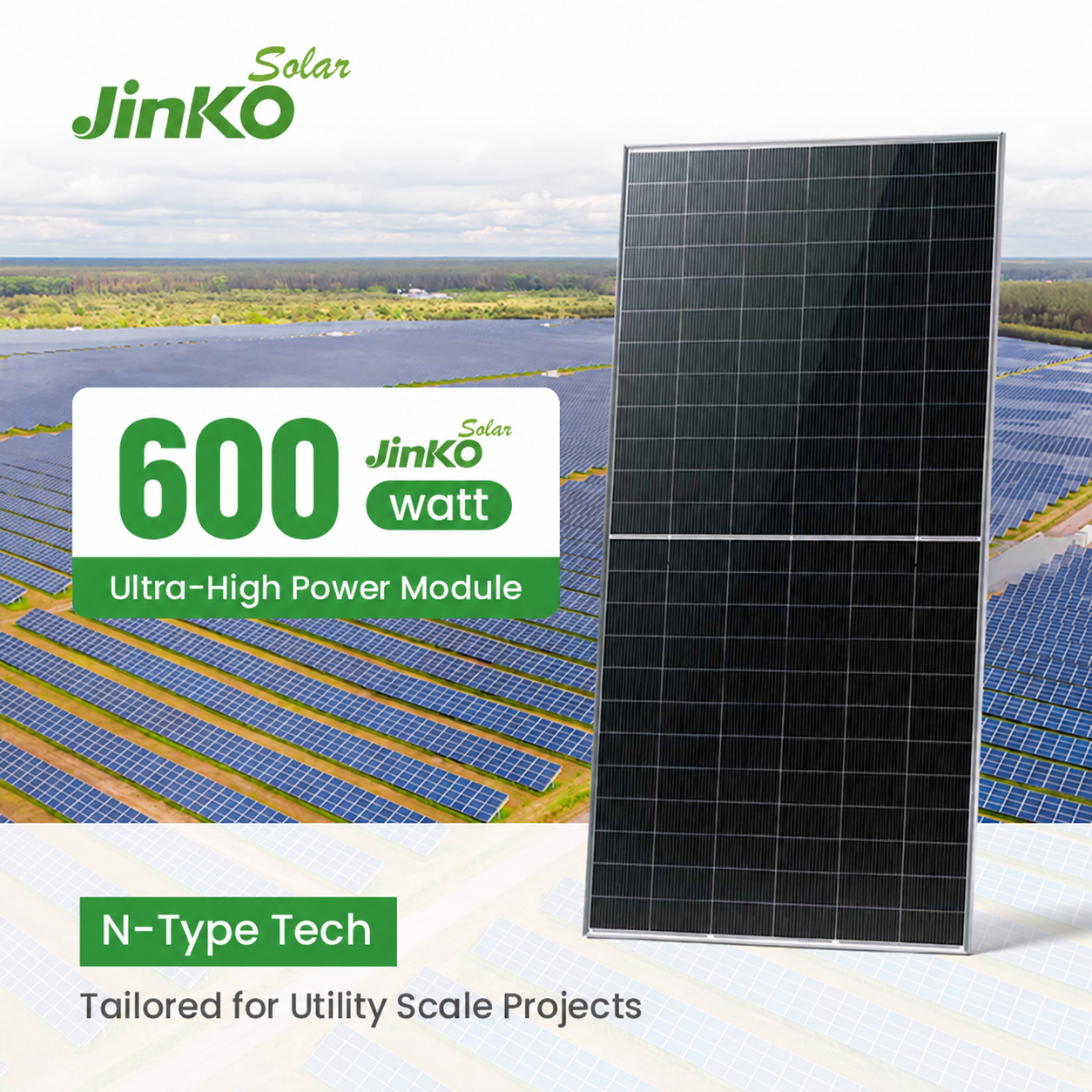
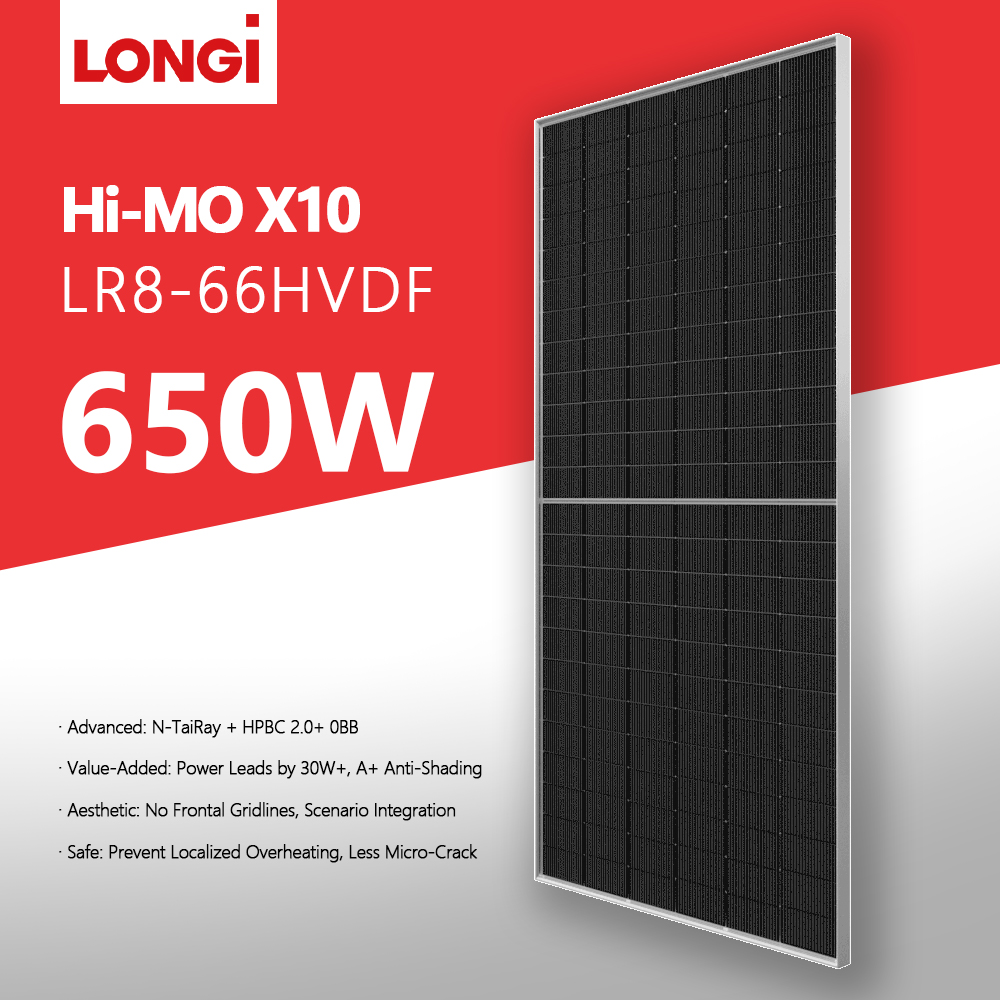
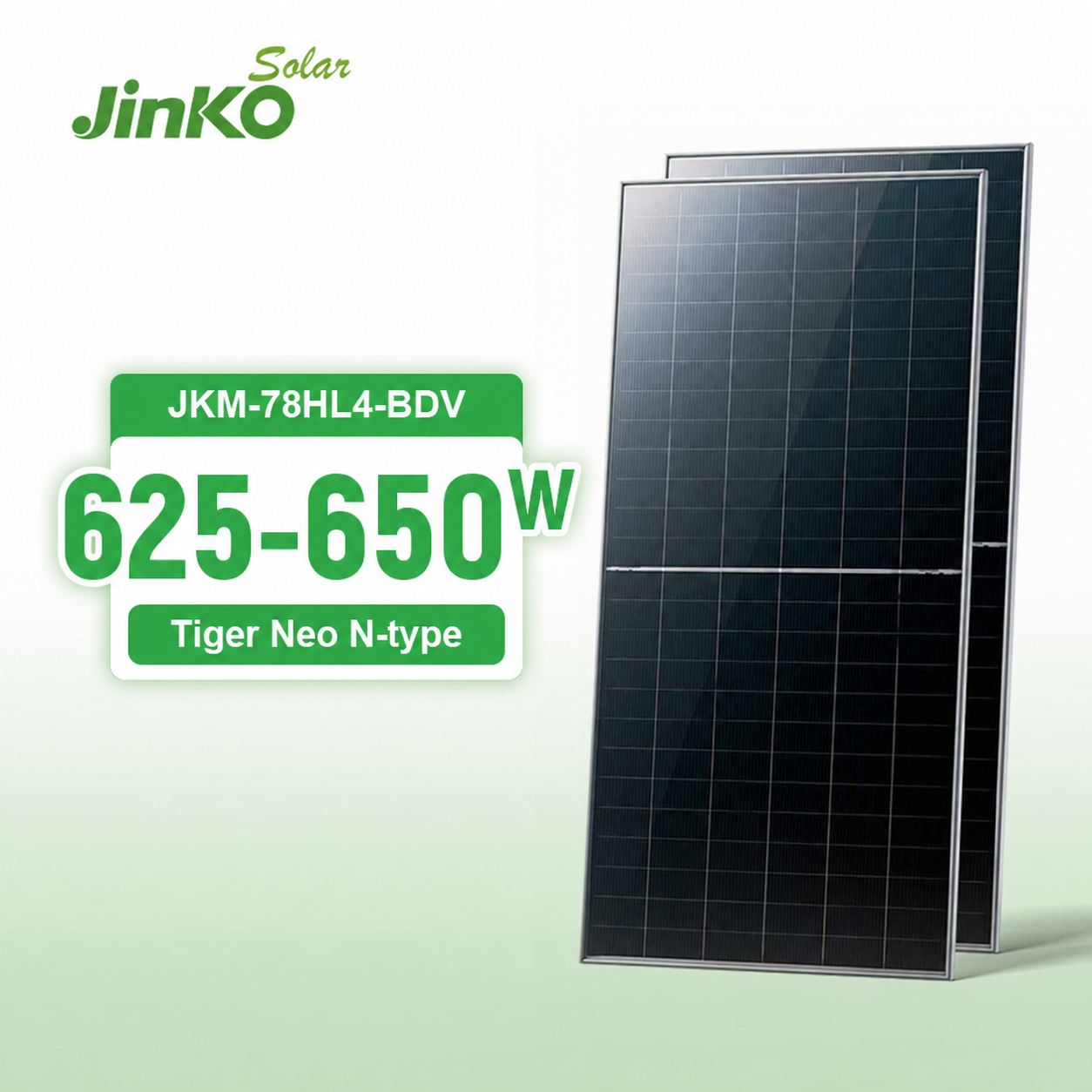
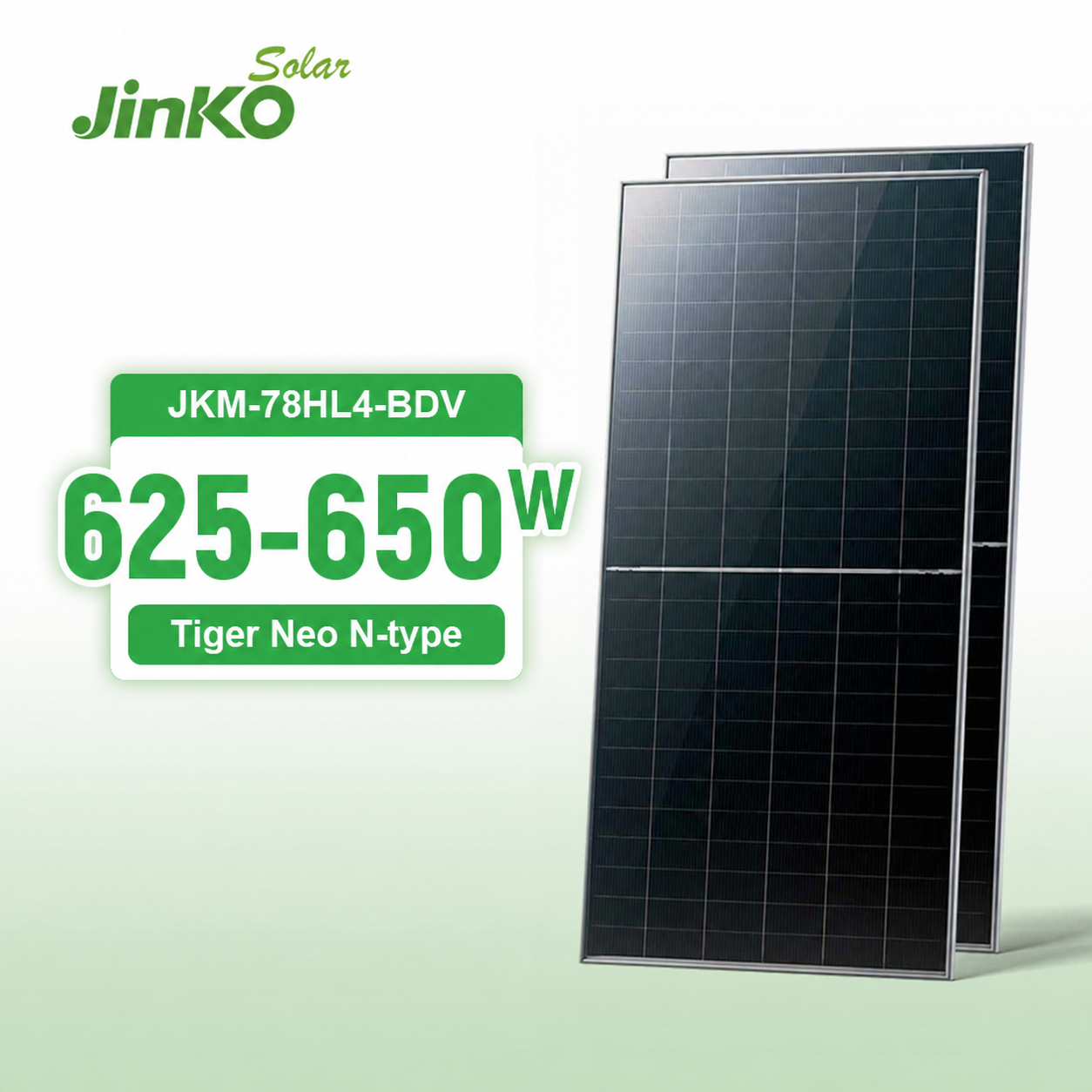
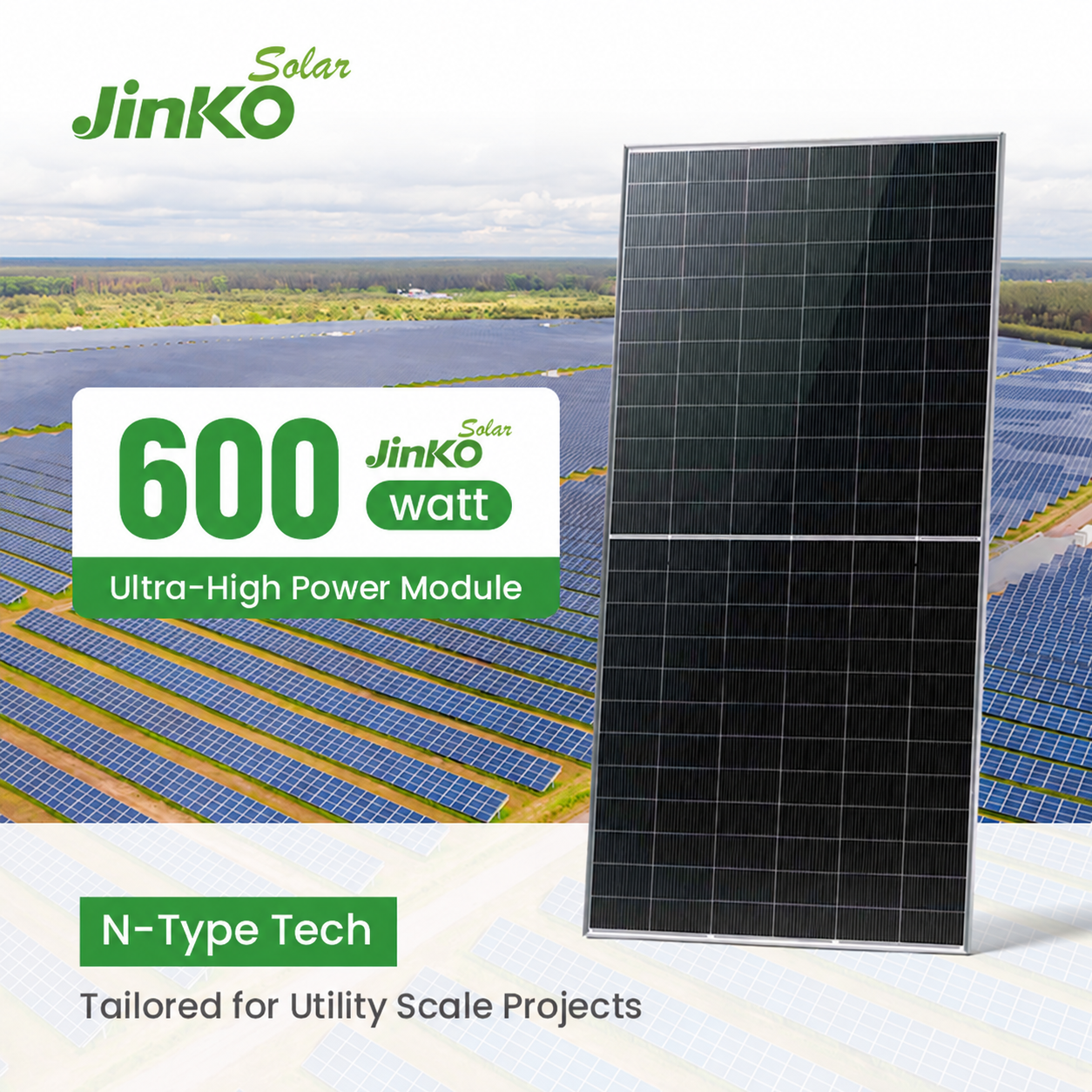
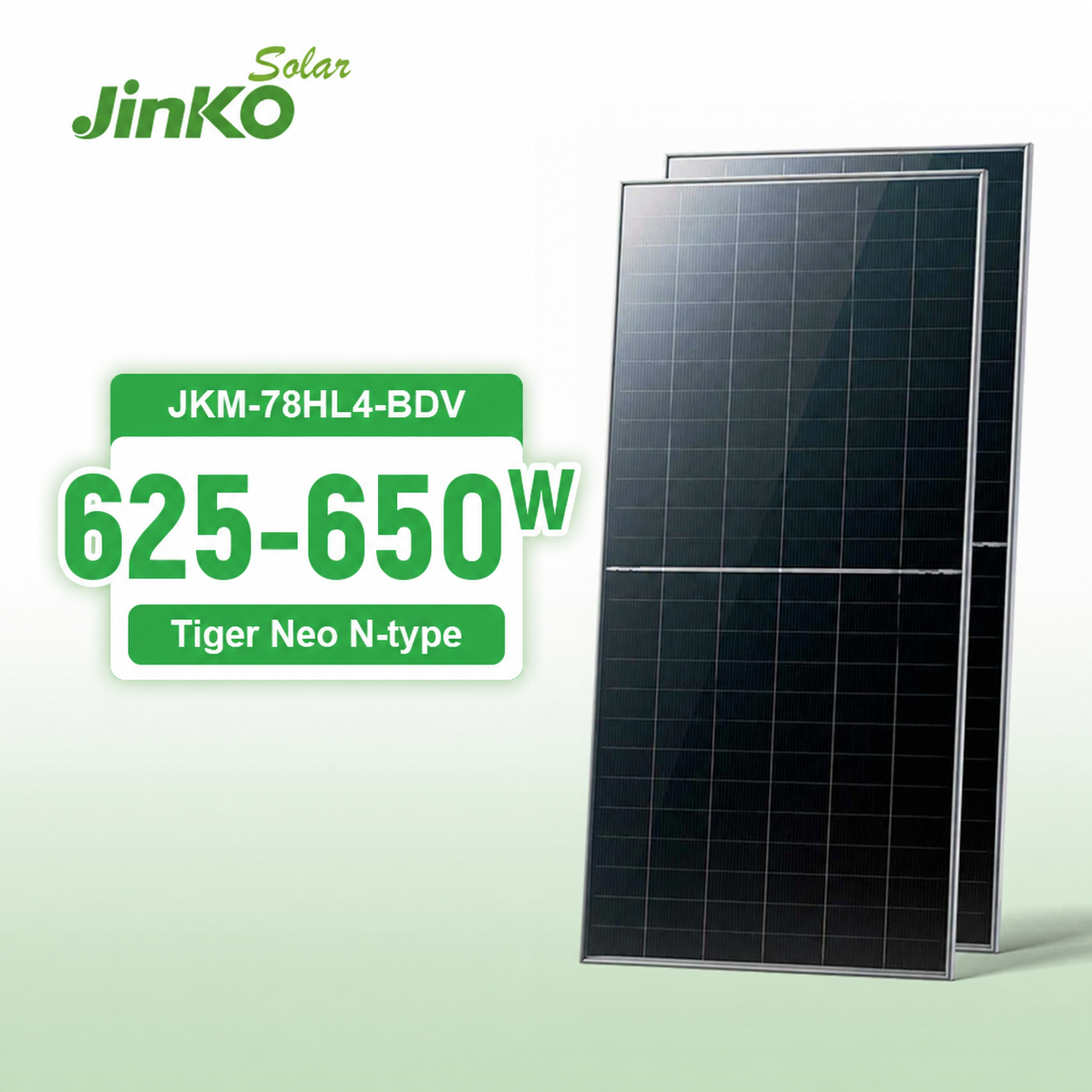
Pre-engineered photovoltaic modules selected for high humidity tolerance, bifacial rear gain in coastal microclimates, and seamless pairing with colloidal battery storage banks.
Why Colloidal (Gel) Batteries Outperform in Greater Concepción
Understanding the microclimatic envelope, seismic demands, and industrial profile of Chile's second-largest economic hub.
The Concepción metropolitan area—encompassing Talcahuano, Coronel, San Pedro de la Paz, Chiguayante, and Hualpén in the Biobío Region—occupies a unique macro-environmental and industrial position in South America. Operating as the primary maritime logistics gateway and industrial manufacturing center for central-southern Chile, Concepción faces a rigorous operating environment: prolonged winter overcast with dense oceanic fog (camanchaca costera), airborne marine chlorides, seismic susceptibility along the Peru-Chile trench, and extensive forestry operations spread across isolated mountainous valleys.
While lithium iron phosphate (LiFePO4) systems dominate space-constrained urban installations, Colloidal Batteries (commonly referred to as thixotropic silica GEL or Lead-Carbon Colloidal batteries) maintain a decisive operational and financial advantage throughout the Biobío basin. The immobilized silica gel electrolyte prevents acid stratification under continuous Partial State of Charge (PSoC), eliminates liquid leakage hazards during seismic shocks, and reliably functions down to sub-zero temperatures without requiring parasitic internal heating coils.
Technical Insight: Standard flooded or AGM batteries deployed in Concepción suffer from severe premature capacity loss due to chronic undercharging caused by seasonal solar radiation dips between May and August (dropping below 2.1 kWh/m²/day). Colloidal silica electrolyte batteries, featuring recombinant gas design and stabilized antimony-free plates, tolerate extended partial discharge states without the irreversible hard sulfation characteristic of standard VRLA cells.
Electrolyte Immobilization: Mitigating Oceanic Chloride & High-Humidity Stress
The industrial corridor between Talcahuano and Coronel hosts substantial fishmeal processing plants, naval dockyards, and steelworks characterized by heavy airborne salts. Traditional open-vent lead batteries corrode rapidly at the terminal posts, leading to high-resistance contact arcs and premature cell failure. Sealed colloidal batteries utilize fully immobilized nano-silica gel electrolytes contained in flame-retardant ABS (UL94-V0) resin containers with triple-sealed epoxy posts, safeguarding internal lead grids against atmospheric oxidation and ensuring zero acid mist emission inside sealed electrical control cabinets.
Top 10 Colloidal Battery Suppliers & Exporters Serving Concepción
Evaluated on cycle longevity under PSoC, customs clearing support at Talcahuano/San Vicente ports, SEC compliance, and engineering capability.
Technology Selection: Colloidal Gel vs. AGM vs. Lithium in Biobío
A rigorous engineering comparison to guide EPC procurement decisions for harsh southern Chilean operating environments.
| Evaluation Parameter | Colloidal (Nano-Gel) | Standard AGM VRLA | Lithium (LiFePO4) | Impact on Concepción Operations |
|---|---|---|---|---|
| PSoC Cycle Endurance | Excellent (2,200+ cycles @ 50%) | Poor (< 800 cycles @ 50%) | Outstanding (4,500+ cycles) | Crucial for surviving 3+ months of overcast coastal winters without grid power. |
| Acid Stratification Risk | Zero (Immobilized Gel) | Moderate to High | Not Applicable (Dry Chemistry) | Prevents bottom plate sulfation during long float conditions. |
| Seismic Shock Tolerance | High (No liquid to slosh) | Moderate | High (Internal rigid cells) | Essential for Zone 3 seismic compliance under Chilean NCh433 construction codes. |
| Operating Temp Envelope | -20°C to +55°C | -10°C to +40°C | 0°C to +45°C (Charging limited) | Colloidal charges safely during freezing Andean winds without heating blankets. |
| CapEx per Usable kWh | Low - Medium (Optimal ROI) | Lowest initial CapEx | High Initial Investment | Colloidal offers the fastest breakeven for agricultural and backup sites. |
| BMS / Inverter Dependency | Passive (Voltage controlled) | Passive (Voltage controlled) | Active Closed-Loop (CAN/RS485) | Colloidal requires no firmware protocol matching; simple analog charge controllers work. |
| Airborne Salinity Immunity | Hermetically Sealed (IP67) | Sealed (Prone to post venting) | Requires Coated Enclosures | Resists corrosion from Talcahuano's maritime atmospheric conditions. |
Localized Applications Across the Biobío Region
Examining four mission-critical deployment topologies where colloidal storage delivers optimal reliability.
Forestry Perimeter Telecoms (Arauco Basin)
Remote wireless communication relay towers throughout the coastal mountain range require continuous 48V DC power. Colloidal batteries endure months of persistent rainfall and cold fog, cycling smoothly without active heating subsystems or technician maintenance.
Maritime Cold Storage & Port Backup (Talcahuano)
Seafood processing facilities near San Vicente port utilize hybrid colloidal systems to ensure uninterrupted power for ammonia cooling compressors during coastal grid blackouts caused by salt-induced transformer flashovers.
Agro-Industrial Irrigation (Biobío River Valley)
Fruit packaging and automated drip-irrigation farms across Los Ángeles and Santa Juana pair bifacial PV modules with 200Ah 12V colloidal gel banks, insulating crops from summer brownouts without the high CapEx of lithium systems.
Seismic-Resilient Municipal Infrastructure
Emergency medical posts and seismic monitoring centers throughout San Pedro de la Paz rely on colloidal storage due to its rigid solid electrolyte that prevents acid leakage during seismic disturbances along the subduction zone.
Chilean Energy Policy, Net Billing, and Import Realities
Navigating SEC certification, the Net Billing Law (Ley 21.118), and customs clearances in the Biobío Region.
SEC TE-4 Certification and Chilean Normative Standards
Under Chilean electricity regulations overseen by the Superintendencia de Electricidad y Combustibles (SEC), any energy storage system coupled with on-grid generation must adhere to the Technical Standard for Connection and Operation of Distributed Generation Equipment (NTCO). Engineers submitting TE-4 procedures must provide comprehensive factory type-test reports complying with IEC 60896-21/22 for valve-regulated lead-acid colloidal cells. Importers must verify that their suppliers furnish traceable test certificates validating seismic rack anchors (according to Chilean Standard NCh433) and explosion-proof pressure relief valves.
The Evolution Toward Lead-Carbon Colloidal Chemistry
A notable procurement shift in the Chilean market is the emergence of Carbon-Enhanced Colloidal Batteries. By incorporating nano-scale activated carbon into the negative plate, hydrogen evolution is suppressed and charge acceptance is boosted by over 35%. For distributed solar generation installations operating under Chile's Net Billing law (Ley 20.571 and amendment Ley 21.118), lead-carbon colloidal configurations allow C&I owners in Coronel and Hualpén to perform daily peak shaving during high-tariff evening hours (horas punta) with financial breakeven horizons under 4.5 years.
Port Clearance Dynamics: Talcahuano vs. San Antonio
While northern Chilean mining projects route freight through Antofagasta, industrial buyers in Biobío can realize substantial domestic trucking savings by routing cargo directly into the Port of San Vicente (SVTI) or Talcahuano Terminal Portuario (TTP). Unlike lithium batteries—which are classified as dangerous goods (Class 9 Miscellaneous Hazards) and subject to rigorous hazardous terminal storage surcharges and specialized sea-carrier declarations (UN38.3, IMO packaging)—colloidal gel batteries qualify under Special Provision A67 of the IATA/IMDG codes as non-spillable electric storage batteries, enabling simpler consolidated container packing and dramatically lowered terminal processing tariffs.
Why International EPCs Partner with VOLT New Energy
From component verification in Hangzhou to turnkey delivery at Concepción dockyards, we engineer reliability into every shipment.
System-Level Compatibility
We do not just ship standalone batteries. Every batch of colloidal cells is paired and verified against your specified inverter models (Deye, Victron, Growatt), pre-configuring float, absorption, and equalizing parameters before dispatch.
Stringent Pre-Shipment QC
Every individual cell undergoes computerized internal resistance (mΩ) matching, OCV testing, and vacuum-sealed helium leakage verification. Comprehensive photo and video inspection dossiers are provided prior to container loading.
Consolidated Multi-Product Loads
Maximize your container ROI by combining tier-1 high-wattage bifacial PV modules (Jinko, LONGI), hybrid inverters, colloidal battery racks, DC breakers, and solar cables into a single balanced FCL shipped directly to San Vicente.
Full Engineering & Sizing Support
Our dedicated bilingual engineering team delivers custom single-line wiring diagrams (SLD), array sizing, and autonomy modeling based on NASA/Biobío regional solar irradiation metrics to ensure compliance with SEC TE-4 filings.
Frequently Asked Questions by Chilean Buyers & EPCs
Key technical, commercial, and operational insights for solar installers in Concepción and the Biobío Region.
How do colloidal batteries compare to lithium in Concepción’s cold and damp winter climate?
What customs documentation is required for importing colloidal batteries through San Vicente or Talcahuano?
Can colloidal batteries be paired with Deye hybrid inverters for net-billing projects?
How should colloidal battery banks be configured to prevent sulfation during long rainy spells in Biobío?
What is the expected operating lifetime of a colloidal battery bank in an industrial setting in Coronel?
Can VOLT New Energy consolidate solar panels, inverters, and colloidal batteries in a single container?
Request an Engineered Solar + Colloidal Storage Quotation
Whether you are designing a high-reliability telecom microgrid in Arauco, upgrading cold storage backup near Talcahuano, or bidding on a municipal distributed generation project, our engineering team will calculate your load profile, provide wiring schematics, and quote landed container CIF pricing to San Vicente within 24 hours.