Utility & Commercial PV Modules Optimized for RAK Extreme Climates
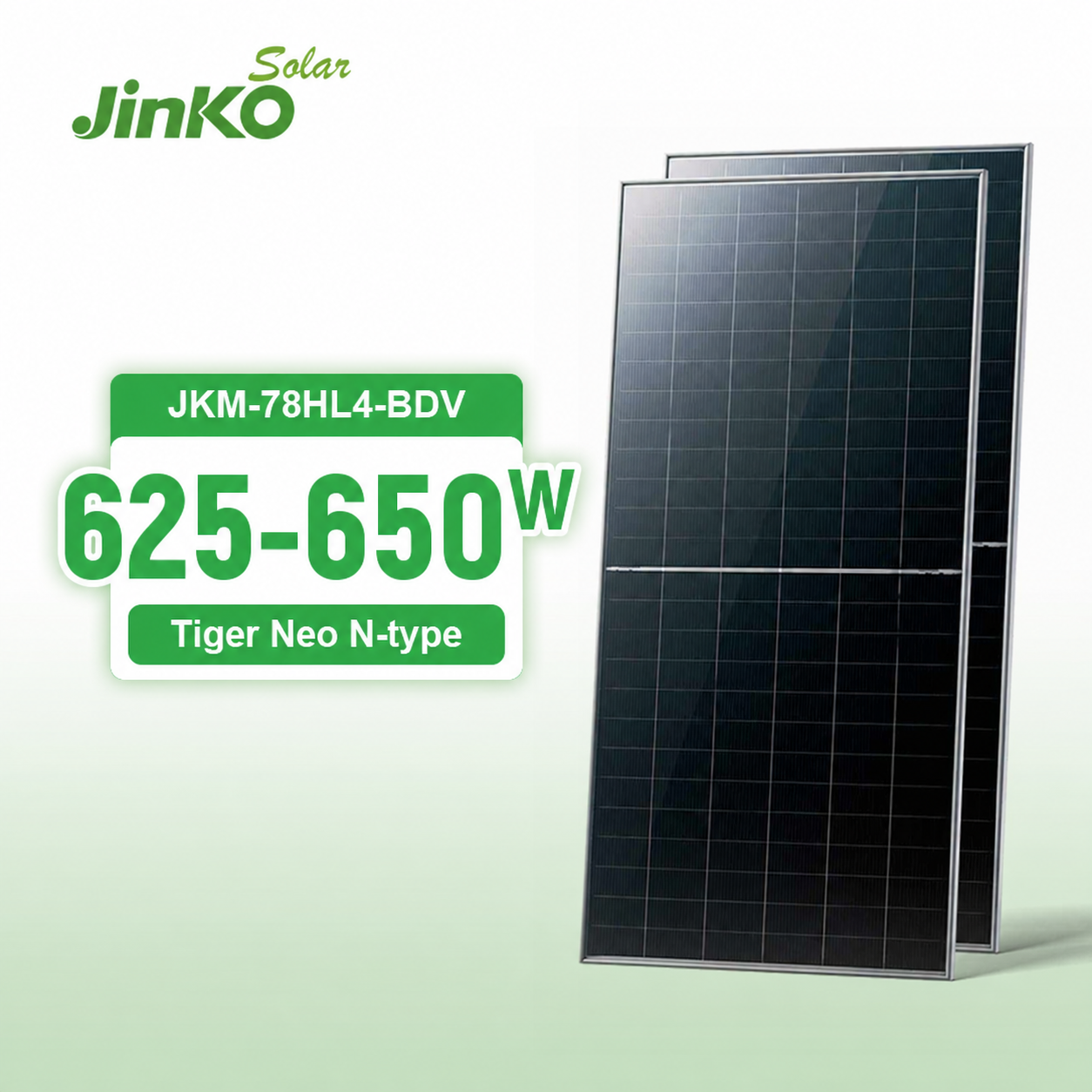
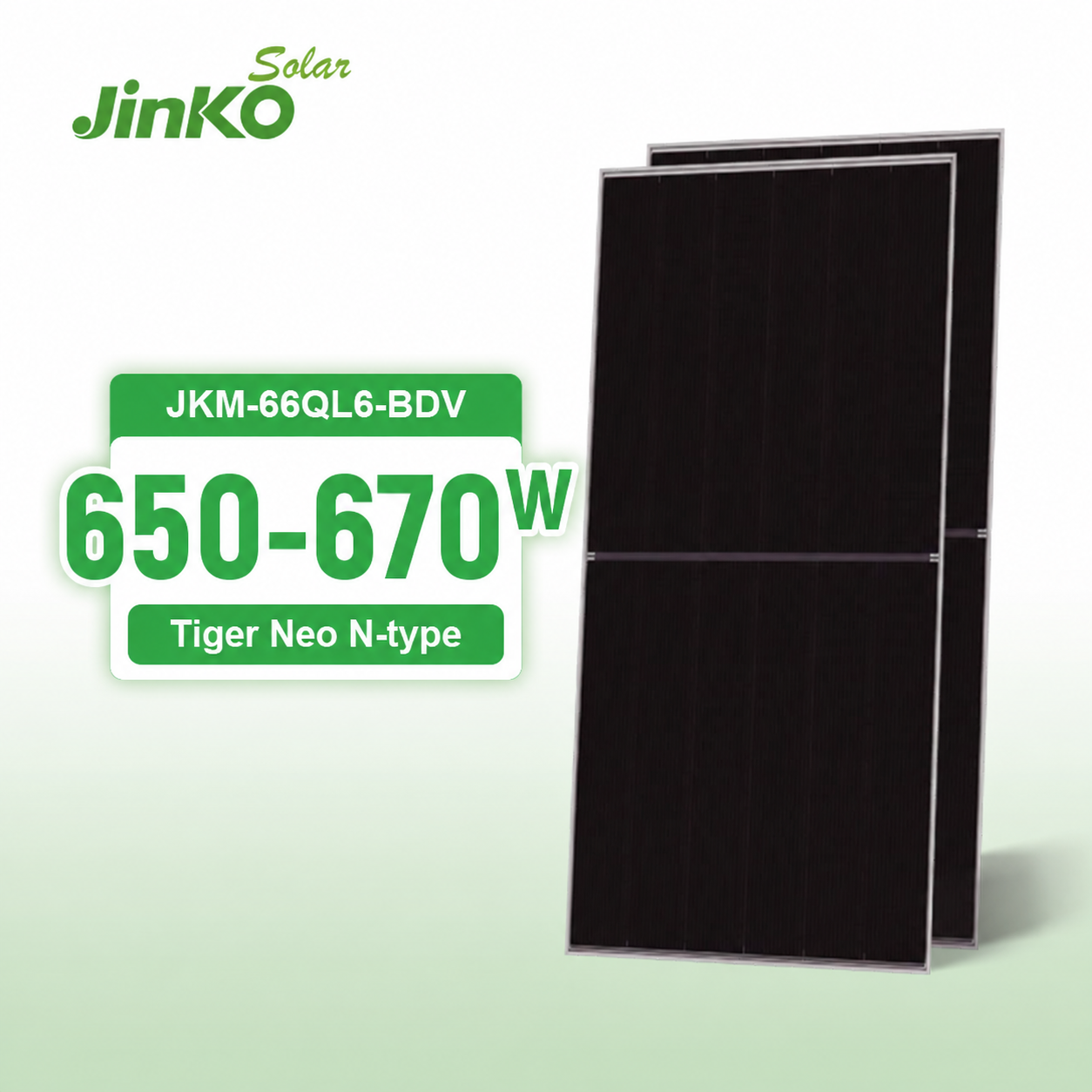
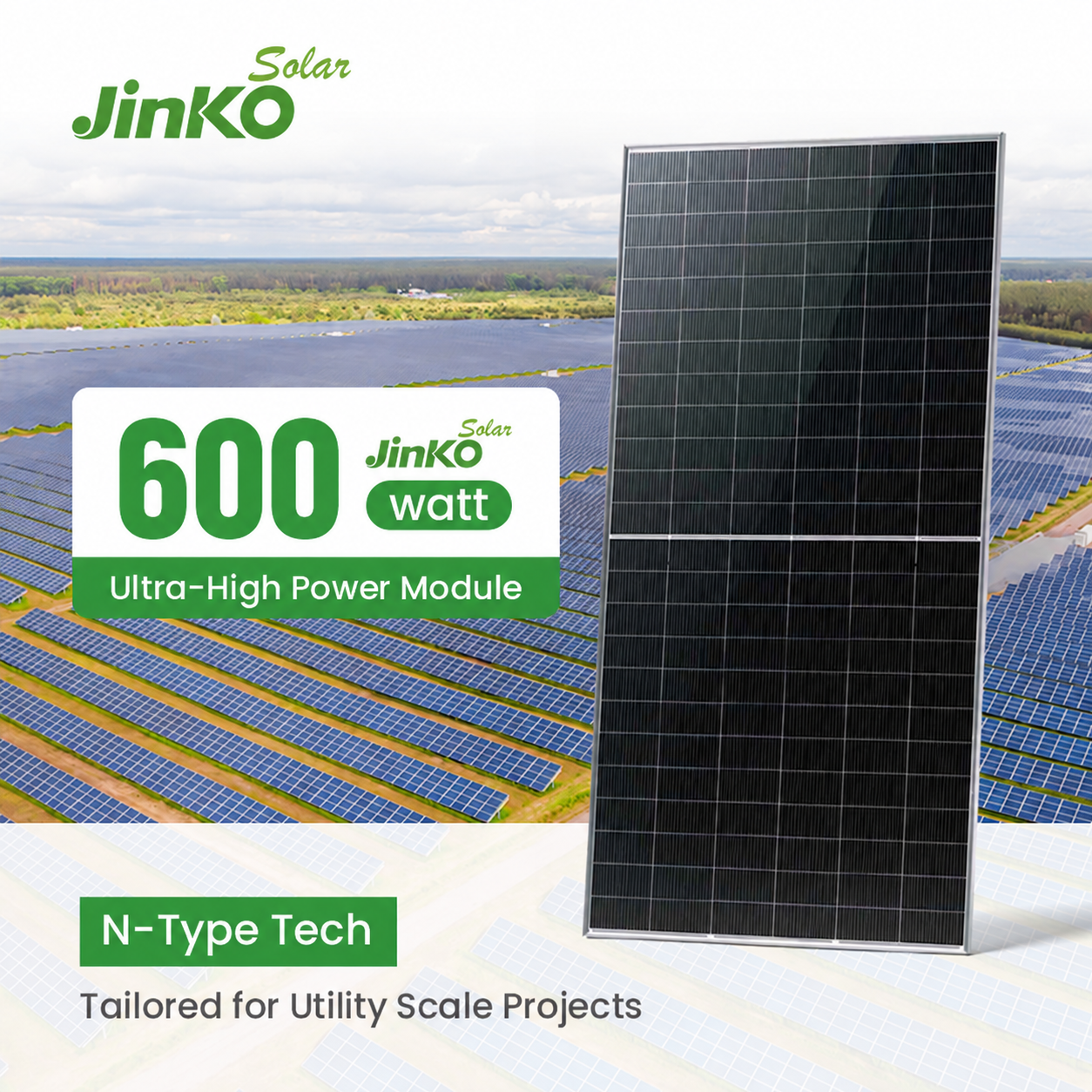
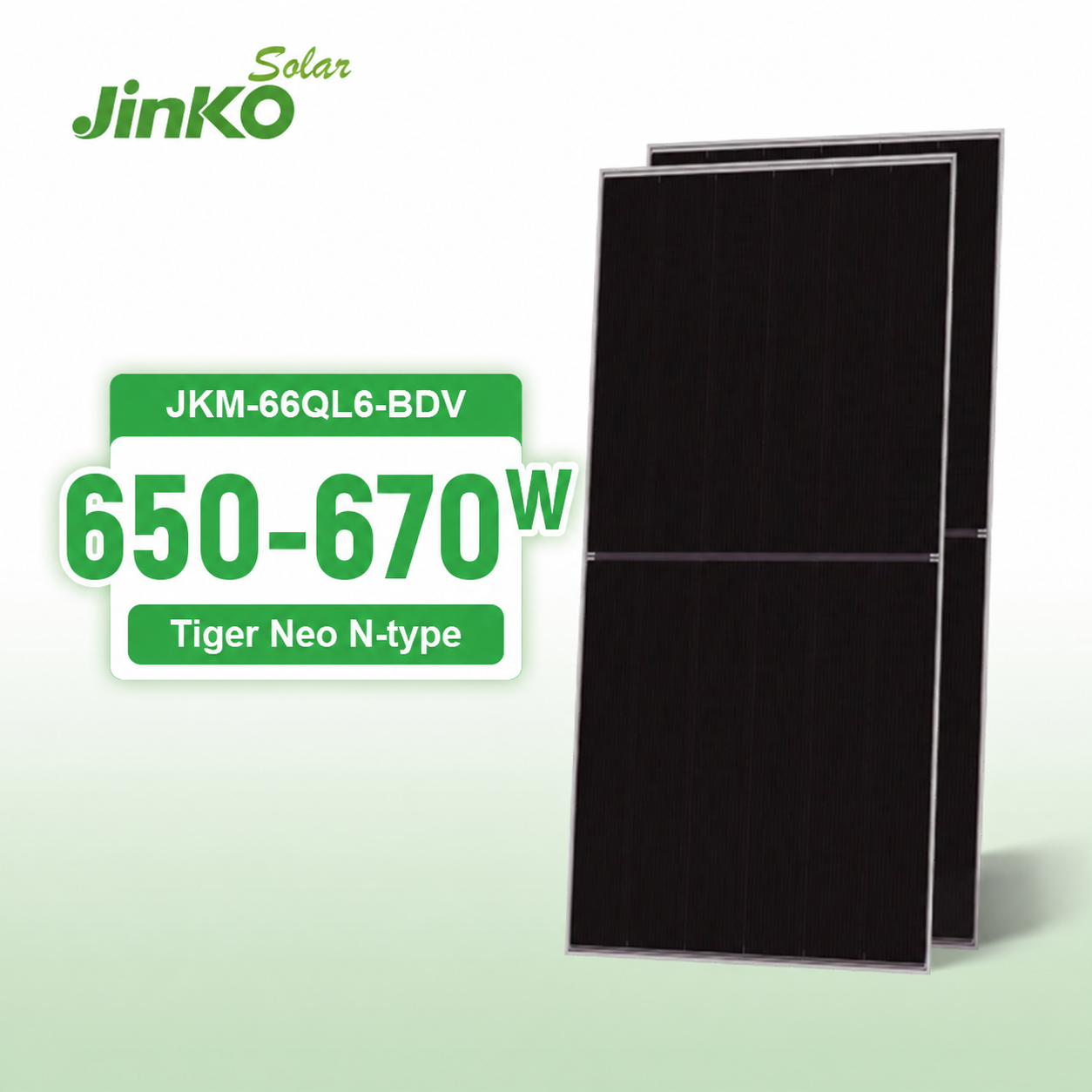
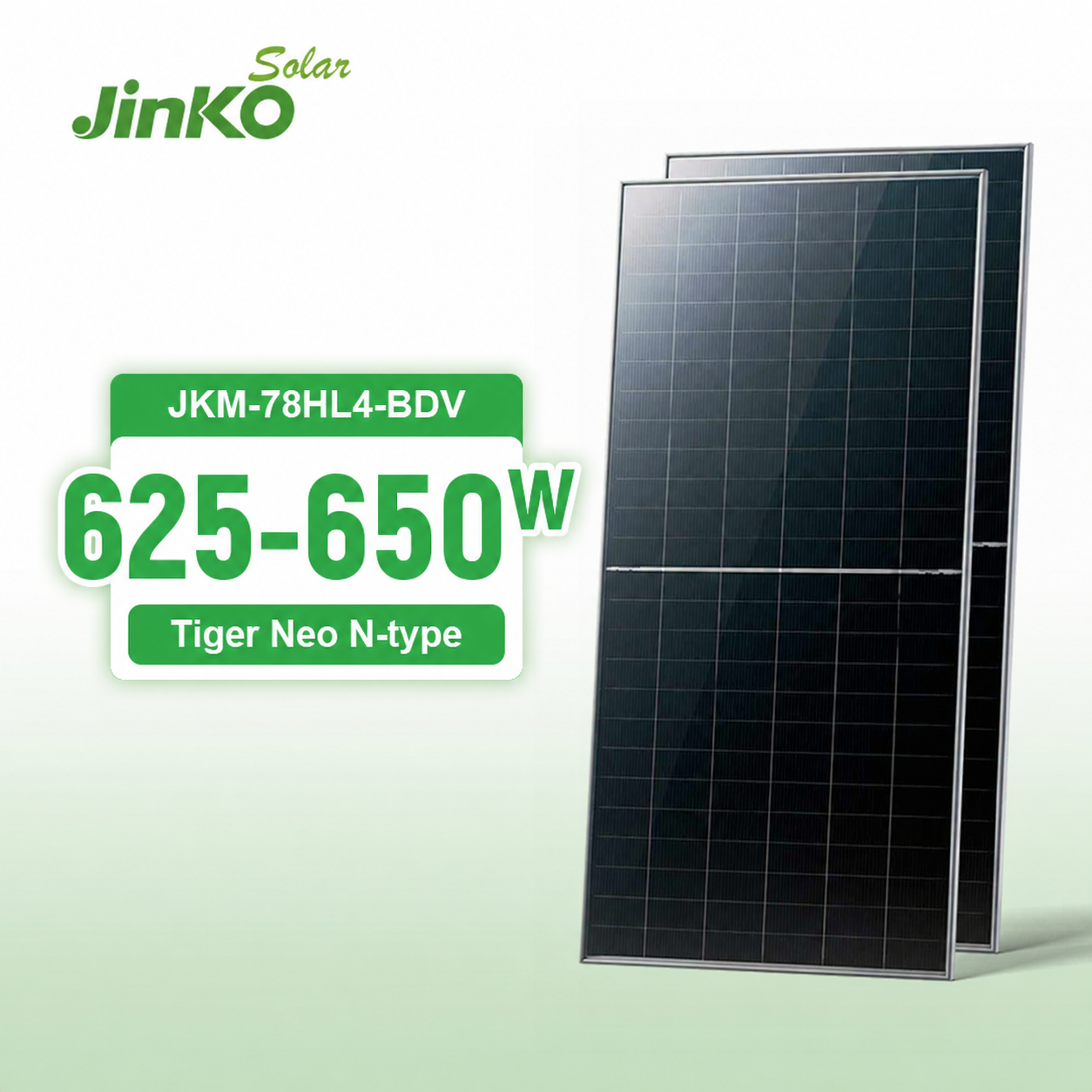
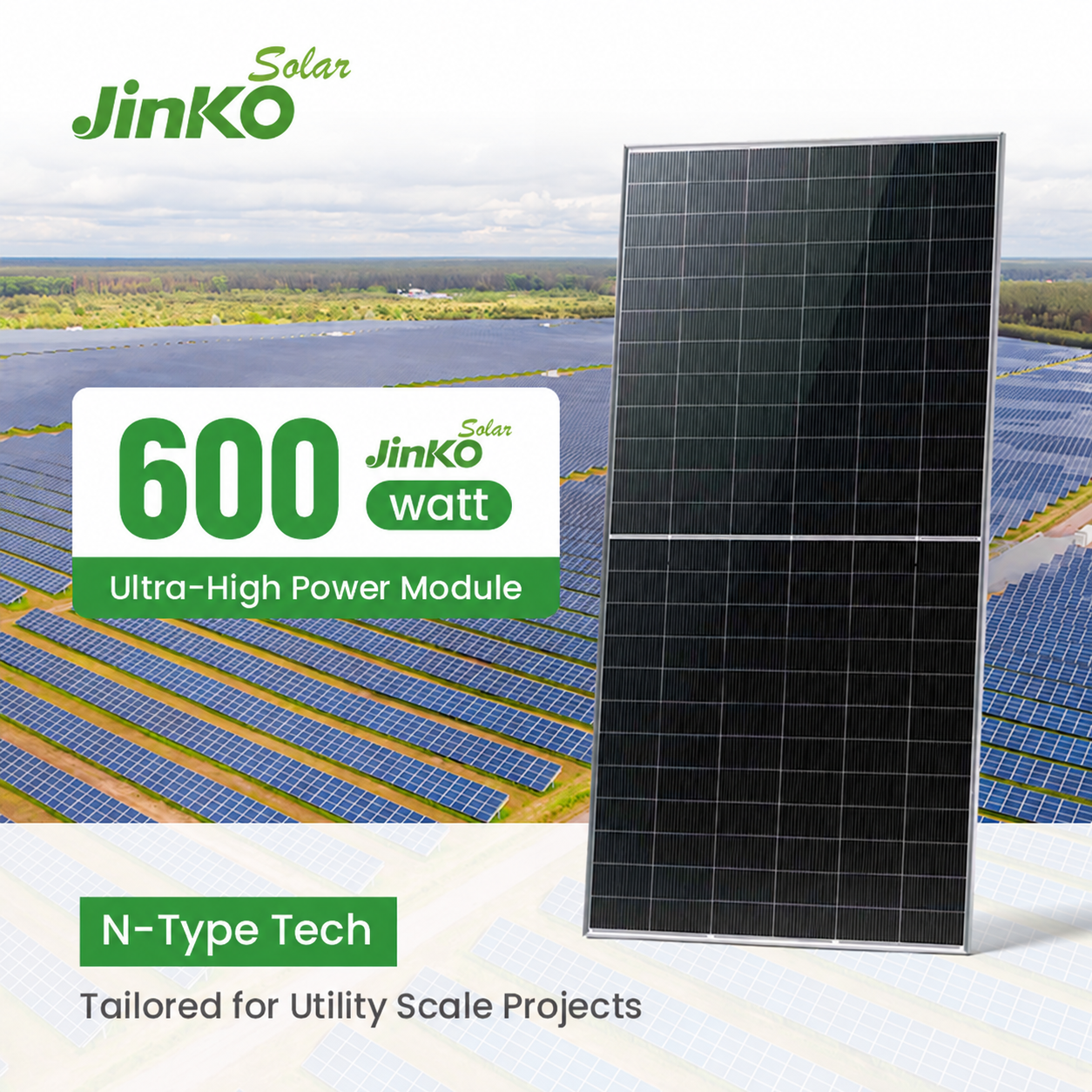
Pairing GoodWe and Deye high-voltage inverters with tier-1 N-Type TOPCon bifacial modules designed for high ambient temperatures and desert albedo reflectivity.
Ras Al Khaimah Solar Transformation: The Barq 2040 Mandate
Analyzing grid code requirements, Etihad Water and Electricity (Etihad WE) parameters, and thermal resilience requirements in the Northern Emirates.
As the Emirate of Ras Al Khaimah (RAK) accelerates its transition under the Ras Al Khaimah Energy Efficiency and Renewable Energy Strategy 2040 (Barq), solar generation has transitioned from an experimental initiative to an industrial economic imperative. Governed by targets that require a 30% energy efficiency improvement and a 20% contribution from renewable power by 2040, utility, commercial, and microgrid projects demand resilient solar inverters and battery energy storage systems (BESS). The regulatory authority in the Northern Emirates—Etihad Water and Electricity (Etihad WE), formerly FEWA—enforces rigorous grid interconnection codes governing power quality, low-voltage ride-through (LVRT), total harmonic distortion (THD), and reactive power control.
GoodWe string and hybrid solar inverters have emerged as leading hardware choices across the UAE market due to their advanced dual-stage topology, broad MPPT operating voltage envelopes, and robust thermal dissipation architectures. Operating in Ras Al Khaimah presents extreme climatic challenges: summer ambient temperatures routinely surge past 48°C, roof-surface temperatures exceed 75°C, and airborne dust particles containing coastal salt aerosols generate heavy soiling and corrosive deposition. Inverters installed in zones such as the Ras Al Khaimah Economic Zone (RAKEZ), Al Hamra Industrial Area, and Al Ghail must incorporate IP66 environmental ingress protection, C5-M anti-corrosion finishes, and sophisticated thermal derating curves to ensure maximum energy yield during peak tariff windows.
Top 10 Solar Inverter Manufacturers & Supply Leaders Serving RAK
A rigorous engineering benchmark of inverter manufacturers and premier integration partners delivering systems to the UAE Northern Emirates.
| Manufacturer / Ecosystem Supplier | Core Product Focus | Max Efficiency | Thermal Derating Threshold | RAK Market Applicability |
|---|---|---|---|---|
| GoodWe Power Supply Co. | HT 1500V String, ET Hybrid, SMT Series | 99.0% | Maintains Full Output to 45°C | High: Commercial rooftops, RAKEZ warehouses, residential villas |
| VOLT New Energy (Integrated Supply) | Turnkey GoodWe/Deye Inverter + LiFePO4 Battery Kits | 98.8% | Pre-commissioned BMS protocol matching | Superior: End-to-end B2B kits, Mina Saqr port logistics, pre-tested |
| Huawei FusionSolar | SUN2000 Smart String Utility Inverters | 98.8% | Maintains Full Output to 45°C | High: Utility ground-mount arrays & extensive industrial parks |
| Sungrow Power Corp | SG Series Multi-MPPT String & Central Inverters | 99.0% | Smart forced-air cooling up to 50°C | High: Large-scale MW-level installations in desert environments |
| Deye Inverter Technology | Low-Voltage & High-Voltage Hybrid Inverters | 97.6% | Wide operating window up to 50°C | Excellent: Off-grid farms, peak shaving, hybrid battery storage |
| SMA Solar Technology | Sunny Tripower CORE1 & Central Inverters | 98.6% | OptiCool active cooling architecture | Moderate to High: High-spec industrial facilities requiring EU specs |
| Solis (Ginlong Technologies) | S5/S6 Three-Phase Commercial Inverters | 98.7% | Redundant fan cooling up to 45°C | High: Price-sensitive commercial rooftops across Northern Emirates |
| Growatt New Energy | MAX Series & Commercial Storage Inverters | 98.6% | Smart air dissipation above 45°C | Moderate: Residential communities and small light-industrial units |
| SolarEdge Technologies | Optimized Inverters with Module-Level Power Electronics | 99.2% | Derates gradually beyond 40°C | Moderate: Complex unshaded commercial structures and villas |
| Fimer (formerly ABB Solar) | PVS Series String & Hybrid Solutions | 98.5% | Passive & active heat-pipe designs | Moderate: Retrofit industrial plants and government utility arrays |
Engineered Application Scenarios Across Ras Al Khaimah
Real-world integration archetypes designed to overcome extreme ambient heat, abrasive sand, and remote electrical grids.
RAKEZ & Al Hamra Industrial Rooftops
Manufacturing facilities, distribution warehouses, and logistics centers in the Ras Al Khaimah Economic Zone operate under steep daytime peak electricity tariffs. Deploying GoodWe HT series 100kW–250kW string inverters alongside tier-1 bifacial panels allows facility managers to maximize self-consumption. With smart zero-export dynamic control mechanisms, these setups comply seamlessly with Etihad WE interconnection prerequisites without risking reverse power trip faults.
Cement Plants, Quarries & Mina Saqr Port
Ras Al Khaimah produces a substantial portion of the region's aggregates and cement, home to massive quarrying operations in Stevin Rock and RAK Rock. These sites experience heavy particulate matter (PM2.5/PM10 limestone and silica dust) coupled with airborne moisture from the Arabian Gulf. GoodWe inverters equipped with IP66 ingress sealing, fanless natural convection designs, and horizontally finned anodized aluminum heat sinks prevent abrasive dust infiltration while maintaining maximum yield.
Al Digdaga & Khatt Agricultural Microgrids
Farming clusters in Al Digdaga and the inland desert valleys require reliable continuous pumping power for date palm orchards and hydroponic greenhouses where grid expansion is cost-prohibitive. Combining hybrid inverters with high-cycle LiFePO4 (LFP) energy storage modules guarantees uninterrupted agricultural irrigation, water desalination, and temperature-controlled storage, completely eliminating diesel fuel delivery overheads.
Emerging Solar & Storage Technology Trends in the UAE
Key technical shifts dictating procurement criteria for EPC contractors and energy distributors through 2030.
1. High-Voltage LFP Battery Integration
Low-voltage 48V setups are rapidly being supplanted by 160V–600V high-voltage (HV) lithium iron phosphate stacks. HV systems exhibit lower line losses, smaller cable cross-sections, and higher overall round-trip conversion efficiencies (>96%), which are essential for commercial cold storage and automated factories in RAK.
2. Anti-Dust & Hydrophobic Surface Coatings
Desert particulate accumulation causes up to 25% yield loss within two weeks if uncleaned. Integrators now pair inverters equipped with dry-contact smart relay triggers to automated waterless robotic cleaning shuttles, maximizing generation on vast warehouse flat rooftops.
3. Dynamic Etihad WE Grid Support (LVRT/HVRT)
As Northern Emirates grid capacity absorbs higher intermittent solar volumes, inverters must provide millisecond-level reactive power control, frequency stabilization, and ride-through capabilities during grid dips to prevent regional blackout domino effects.
4. Pre-Commissioned Turnkey BESS Bundling
Importers are moving away from piecemeal component procurement. Purchasing integrated kits consisting of matched inverters, pre-addressed CANbus battery modules, and certified DC disconnect switchboards drastically reduces field commissioning times and eliminates interoperability errors on site.
Why International EPCs & UAE Distributors Partner with VOLT New Energy
Addressing the three greatest risks faced by solar equipment importers: component incompatibility, shipping delays, and inadequate documentation.
Hangzhou VOLT New Energy Technology Co., Ltd. serves as an authoritative bridge between premier Chinese manufacturing infrastructure (including GoodWe, Deye, and Jinko Solar) and regional EPC contractors across 100+ countries. In extreme climates like Ras Al Khaimah, equipment failure is rarely due to raw manufacturing flaws; it almost always stems from mismatched charge controllers, unverified BMS-to-inverter firmware communication, or undersized thermal envelopes. We solve these challenges directly at the factory integration stage before goods leave China.
Pre-Shipment Protocol Verification
Every hybrid inverter and lithium battery bank undergoes complete CANbus and RS-485 handshaking bench-testing at our Hangzhou facility. DIP switch pinouts, charging algorithms, and temperature cut-off parameters are mapped to your specific climate specs, guaranteeing plug-and-play operation upon arrival at your job site.
DG-Certified Consolidated Shipping
Lithium iron phosphate batteries are classified as Class 9 Dangerous Goods (UN3480). We manage complete maritime regulatory compliance, furnishing certified UN38.3 test summaries, Material Safety Data Sheets (MSDS), and sea-freight container packing certificates to ensure rapid customs clearance at Mina Saqr or Jebel Ali Port.
Tier-1 Quality Assurance & Warranty
All inverters and PV modules are sourced directly from verified Tier-1 production lines with full serial-number transparency. In the event of warranty claims, our bilingual engineering team coordinates directly with factory technical departments, dispatching replacement control boards and modules to minimize downtime.
Ras Al Khaimah Solar Procurement FAQ
Direct technical answers addressing regulations, temperature performance, and logistics for UAE solar buyers.
Are GoodWe inverters compliant with Etihad Water and Electricity (Etihad WE) grid regulations?
How do GoodWe inverters prevent excessive derating in RAK's 50°C summer heat?
Can we pair GoodWe inverters with Jinko N-Type TOPCon bifacial modules?
How should energy storage batteries be protected against ambient humidity and salinity near Saqr Port?
What is the standard logistics procedure and transit time for cargo arriving at Ras Al Khaimah?
How are equipment warranties and local service claims handled in the UAE?
Accelerate Your Solar Deployment in Ras Al Khaimah
Consult with our senior technical engineers to receive customized system sizing, thermal derating analyses, Etihad WE compliance reviews, and comprehensive wholesale equipment pricing.
Get Catalog