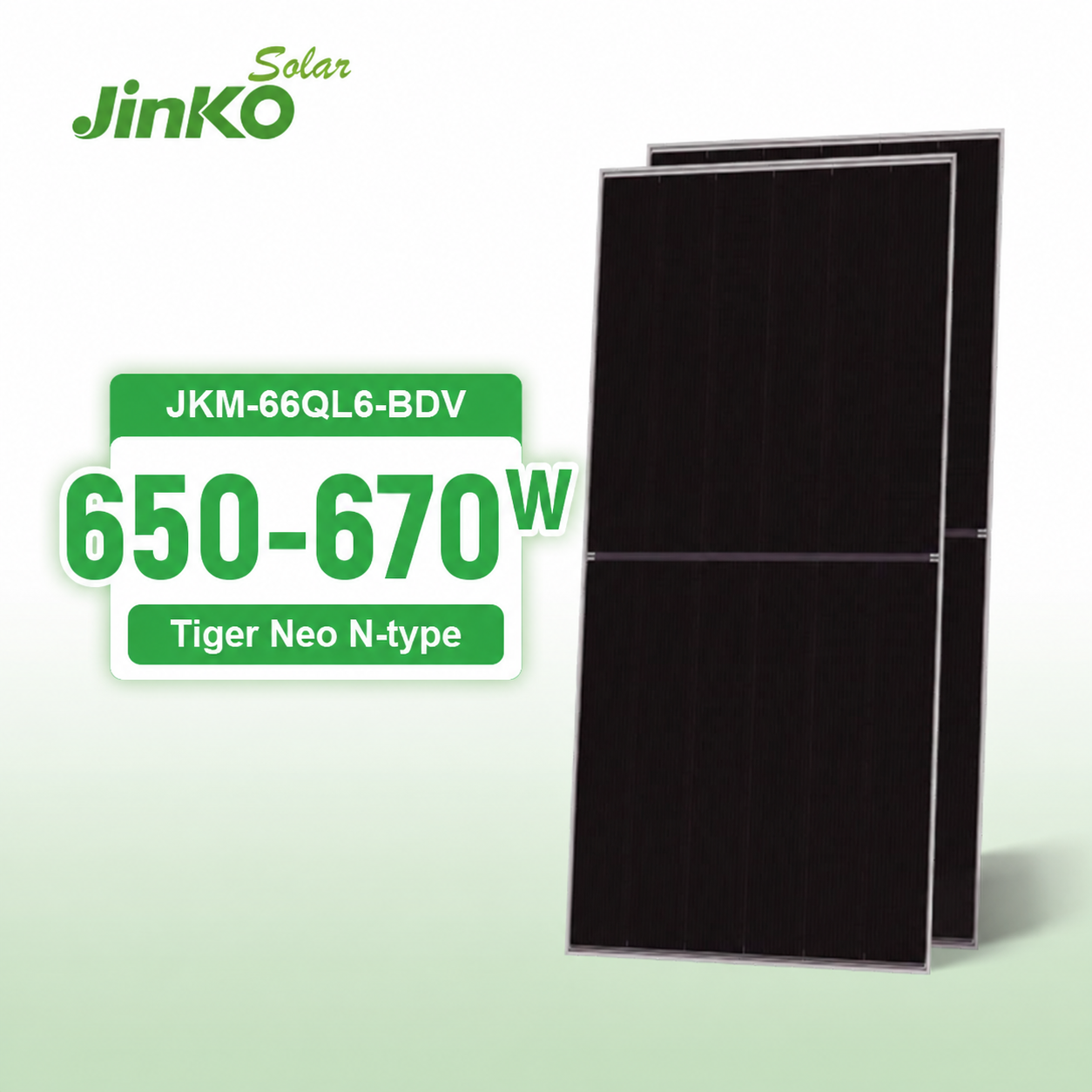
N-Type TOPCon
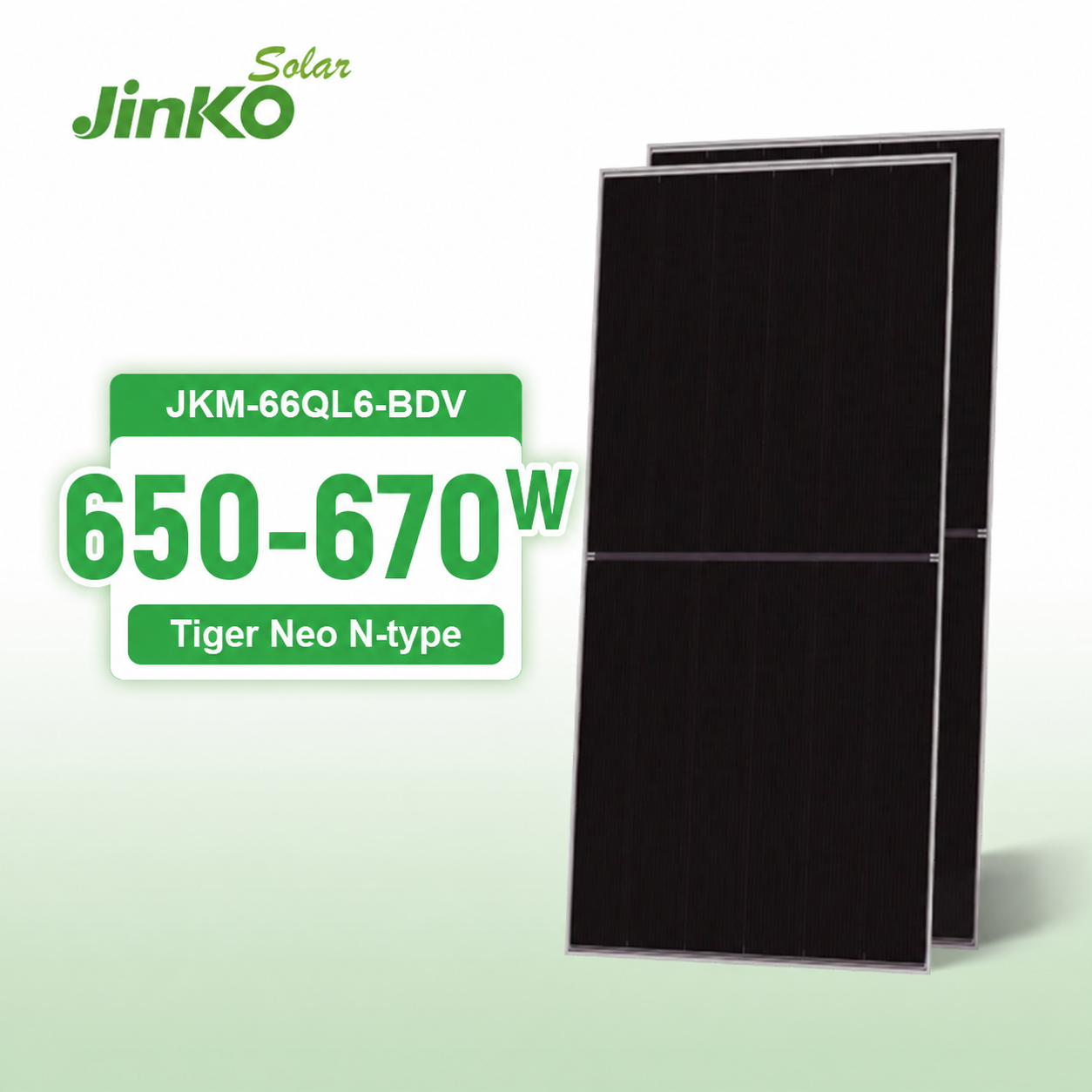
650W - 670W
Bifacial Dual-Glass
Maximized energy harvest and rapid-shutdown compatibility engineered specifically for New York's microinverter, string, and hybrid solar storage ecosystems.
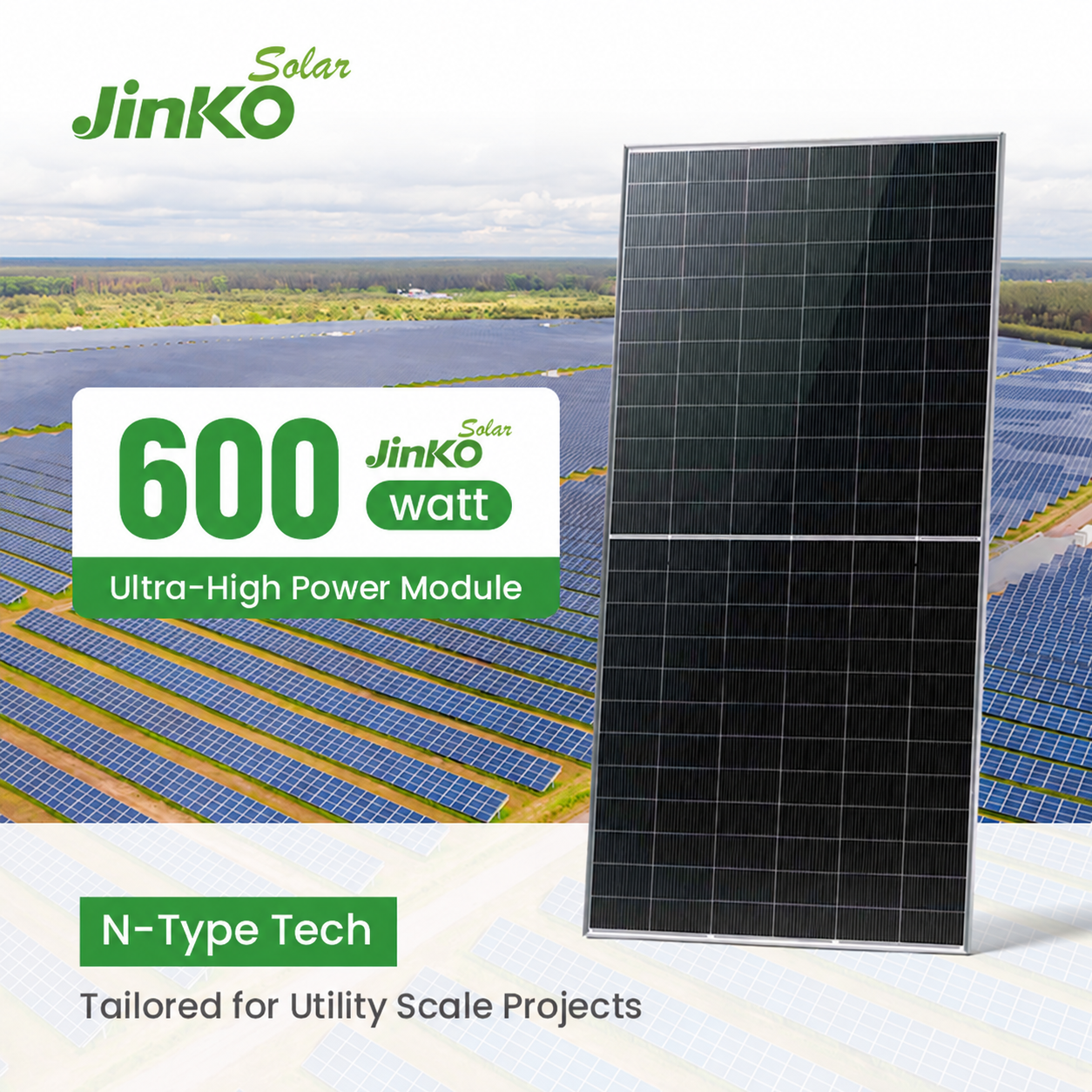
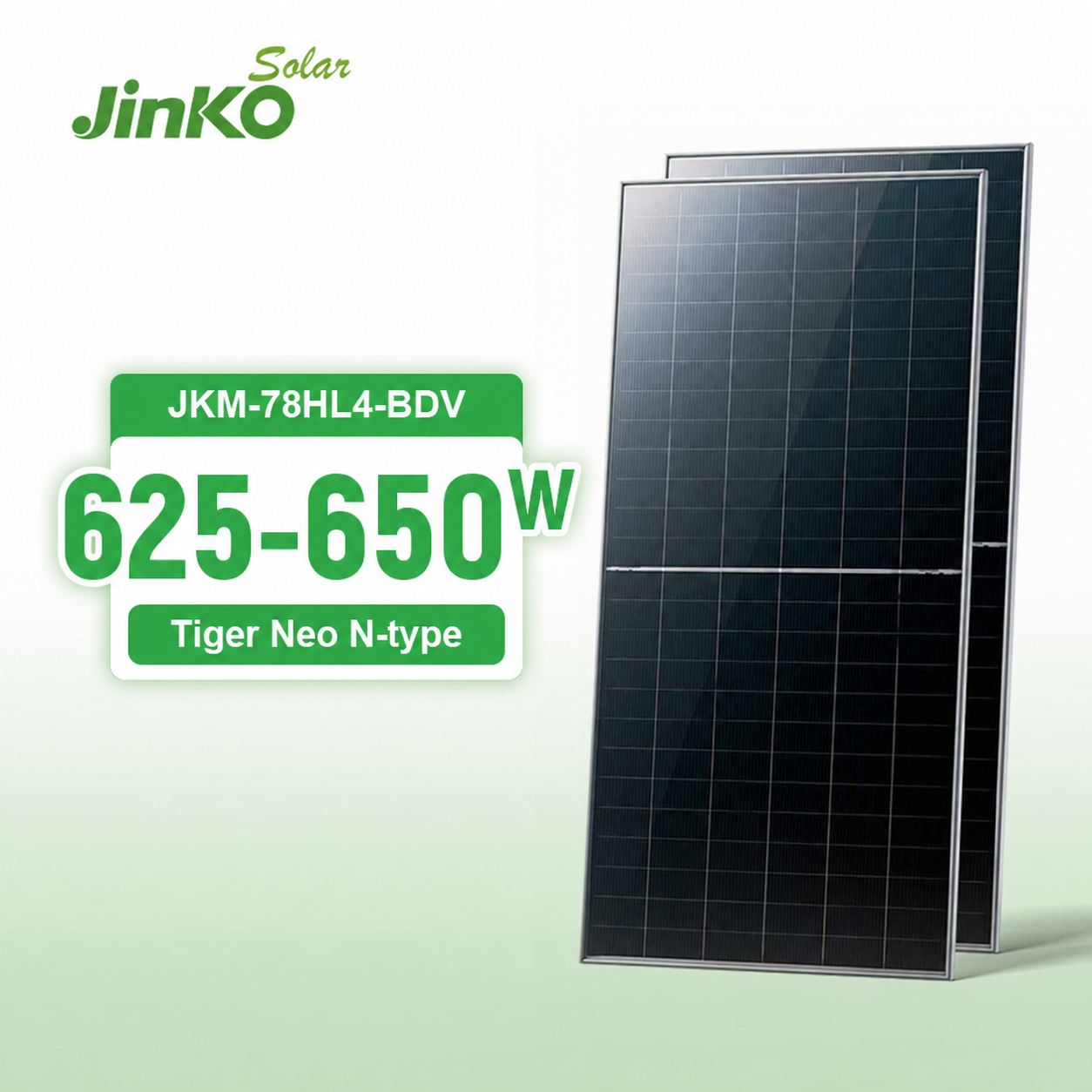
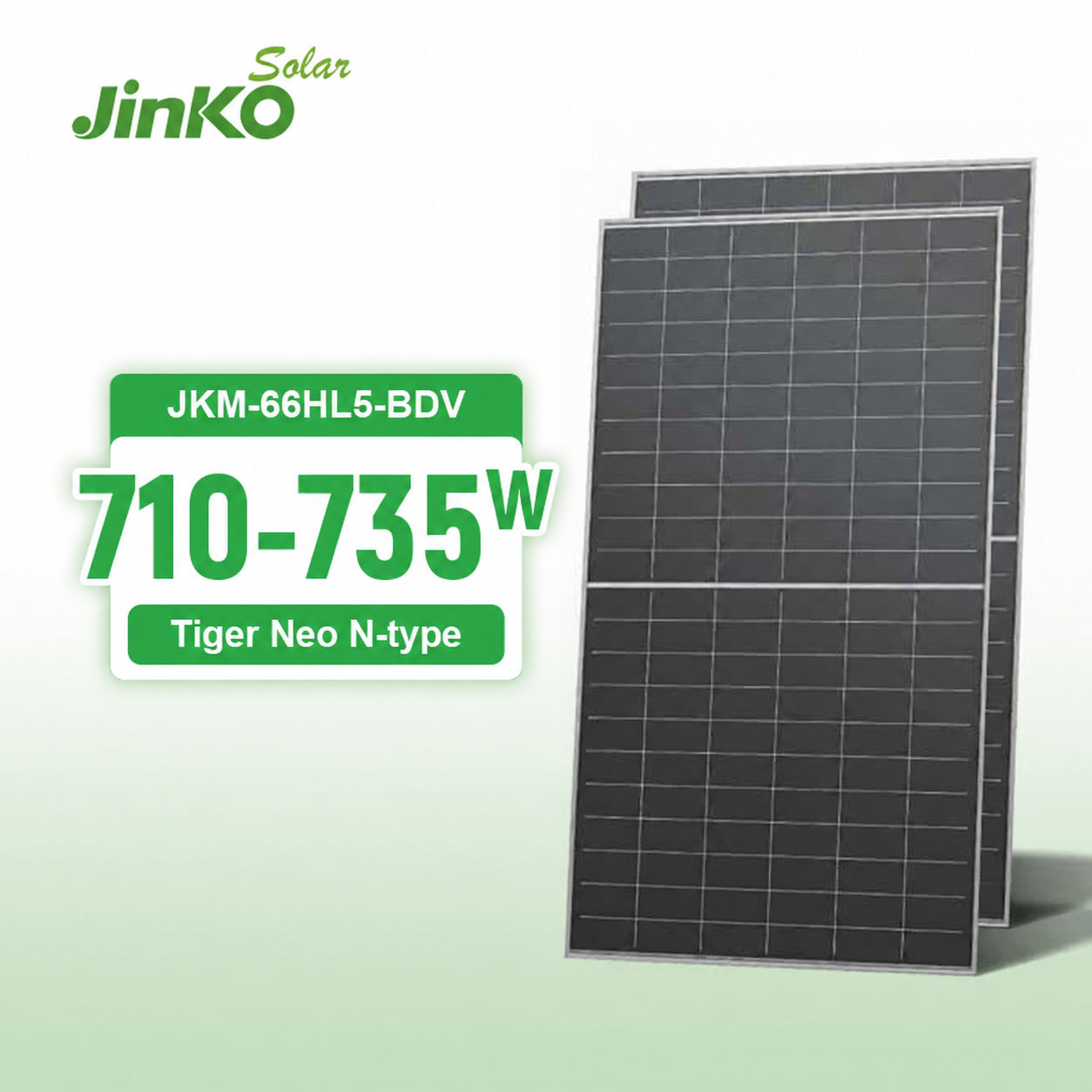
The photovoltaic market in New York State has transitioned rapidly into one of North America's most demanding regulatory and electrical environments. Driven by the aggressive mandates of the Climate Leadership and Community Protection Act (CLCPA)—which targets 70% renewable generation by 2030 and an emissions-free grid by 2040—engineering contractors, commercial developers, and local electrical installers must navigate rigorous performance thresholds. Operating within regional investor-owned utilities like Consolidated Edison (ConEd), New York State Electric & Gas (NYSEG), National Grid, Central Hudson, and Orange & Rockland requires hardware that balances UL 1741 SB compliance, smart grid frequency/voltage support, cold-temperature voltage swing tolerances, and sub-second energy storage dispatching.
The 10kW solar inverter capacity class has emerged as the definitive focal point in New York's solar architecture. It represents the maximum threshold permitted under standard net metering (NEM) and the Value of Distributed Energy Resources (VDER) stream for advanced residential arrays with whole-home heat pump retrofits and dual-EV charging. Simultaneously, 10kW modular units serve as the baseline decentralized building blocks for commercial rooftop clusters across Westchester County, Long Island, and Upstate industrial parks.
Technical Consideration: Under New York State Standard Interconnection Requirements (SIR), all distributed generation assets connecting to public networks must support advanced autonomous inverter functions including Volt-Var, Volt-Watt, Frequency-Watt curves, and dynamic anti-islanding. Equipment failures or protocol incompatibilities during initial witness testing by local utilities routinely delay interconnection permission to operate (PTO) by an average of 42 to 78 business days.
To assist regional procurement managers, electrical engineers, and solar EPCs in sourcing robust equipment, our engineering integration team has evaluated the top 10 inverter manufacturers serving the New York market. This benchmark compares system topology, DC-to-AC oversizing ratios, battery storage interface capabilities, and harsh climate survivability.
| Manufacturer | Primary Architecture | CEC Efficiency | NY Interconnection Fit | Key Strengths & Application |
|---|---|---|---|---|
| Deye New Energy | Hybrid Low/High-Voltage Storage | 97.6% - 98.0% | UL 1741 SB / IEEE 1547-2018 | Industry-leading 200A passthrough, dual generator ports, seamless DC/AC coupling. Ideal for microgrid resilience. |
| SolarEdge Technologies | DC-Optimized String | 99.0% (Weighted) | Full Utility Interoperability | Module-level power electronics (MLPE), module-level monitoring, integrated EV charger option. Best for complex roof layouts. |
| Enphase Energy | Decentralized Microinverter Array | 97.5% | Native Rapid Shutdown Built-In | Modular burst capacity, no high-voltage DC conduit on roofs, zero single-point-of-failure. Ideal for complex residential footprints. |
| Tesla (Powerwall+) | Integrated Storage Inverter | 97.5% | ConEd Approved Dispatch | All-in-one residential aesthetic, integrated gateway, seamless dynamic tariff coordination via software app. |
| SMA Solar Technology | Transformerless String / Hybrid | 98.2% | Global Utility Compliance | Heavy-duty German industrial engineering, secure power supply (SPS) during daylight grid outages, commercial durability. |
| Fronius International | Active-Cooled String Inverter | 97.9% | Comprehensive SnapINverter | Dynamic peak manager for shaded arrays, exceptional internal thermal dissipation, easy field serviceable architecture. |
| Generac (PWRcell) | DC-Bus Coupled Hybrid | 97.3% | Standard Net Metering Fitted | Modular cabinet expansion, direct high-voltage battery coupling, high surge startup capability for well pumps and compressors. |
| Growatt | Cost-Effective Hybrid String | 97.8% | UL 1741 Certified | High DC input oversizing up to 150%, competitive balance of system (BOS) pricing, dual MPPT tracking. |
| Sungrow Power | Commercial Hybrid & String | 98.4% | IEEE 1547-2018 Phase 3 | Ultra-rapid sub-10ms automatic switching, built-in PID recovery, robust NEMA 4X / IP66 outdoor chassis. |
| Schneider Electric | Rugged Off-Grid / Split-Phase Hybrid | 96.5% | Independent Microgrid Qualified | True transformer-based low-frequency surge tolerance, heavy inductive motor starting, cold upstate winter hardening. |
Operating a 10kW inverter system in New York involves distinct environmental hurdles rarely encountered in southern sunbelt installations. Specifying engineers must account for extreme thermal cycling: winter temperatures regularly plummet below -20°C (-4°F) in Adirondack, Capital, and Central New York districts, while summer ambient temperatures on flat commercial roofs across Brooklyn and Queens can exceed 45°C (113°F).
Sub-zero conditions cause open-circuit voltage (Voc) spikes. String lengths paired with a 10kW inverter must be engineered with a minimum 1.18 to 1.25 temperature coefficient multiplier to prevent exceeding the 600V (residential) or 1000V (C&I) maximum DC input limits.
Snow-covered ground in Upstate New York exhibits an albedo reflection coefficient exceeding 75–85%. Pairing a 10kW inverter capable of high maximum input short-circuit current (Isc up to 16A-20A per string) with bifacial N-type modules yields up to 25% additional winter harvest.
New York City (FDNY) adheres to the strictest indoor/outdoor electrical codes in the world. Inverters deployed in five-borough zones must provide certified SunSpec-compliant rapid shutdown transmitters and comply with NEC 2020/2023 690.12 array de-energization in under 30 seconds.
Financial viability in New York hinges on navigating state incentive frameworks governed by NYSERDA (New York State Energy Research and Development Authority). Under the NY-Sun Initiative, capital block incentives are partitioned across ConEd, Long Island (PSEG), and Upstate regions. Deploying high-efficiency 10kW inverters directly impacts the realized benefit under the Value of Distributed Energy Resources (VDER) Value Stack:
1. Energy Component (LMP): Maximized via inverters offering dual or triple MPPT trackers that turn on during early dawn low-irradiance windows.
2. Capacity Component (ICAP): Boosted when a 10kW hybrid inverter is paired with lithium storage (LFP) configured to shave peak grid loads between 2:00 PM and 7:00 PM during summer heatwaves.
3. Environmental Value (E-Value): A flat credit rewarding clean energy production fed back to utility feeders, contingent on clean sine-wave delivery and low total harmonic distortion (THD < 3%).
Furthermore, Con Edison's rigorous Network Protection guidelines for distributed generation interconnected to low-voltage underground secondary networks mandate specialized reverse power relaying and strict anti-islanding parameters. Selecting an inverter that possesses pre-programmed utility grid profiles in firmware drastically reduces commissioning times and engineering revisions.
Hangzhou VOLT New Energy eliminates the supply chain and hardware integration risks that erode EPC margins and delay commercial commissioning.

We eliminate "BMS Communication Error" on site. Battery CAN/RS485 protocol pinouts, voltage windows, and inverter firmware are verified and matched before export.

Every shipment undergoes multi-point testing: flash test verification for PV modules, insulation tests, inverter burn-in runs, and complete video inspection reporting.
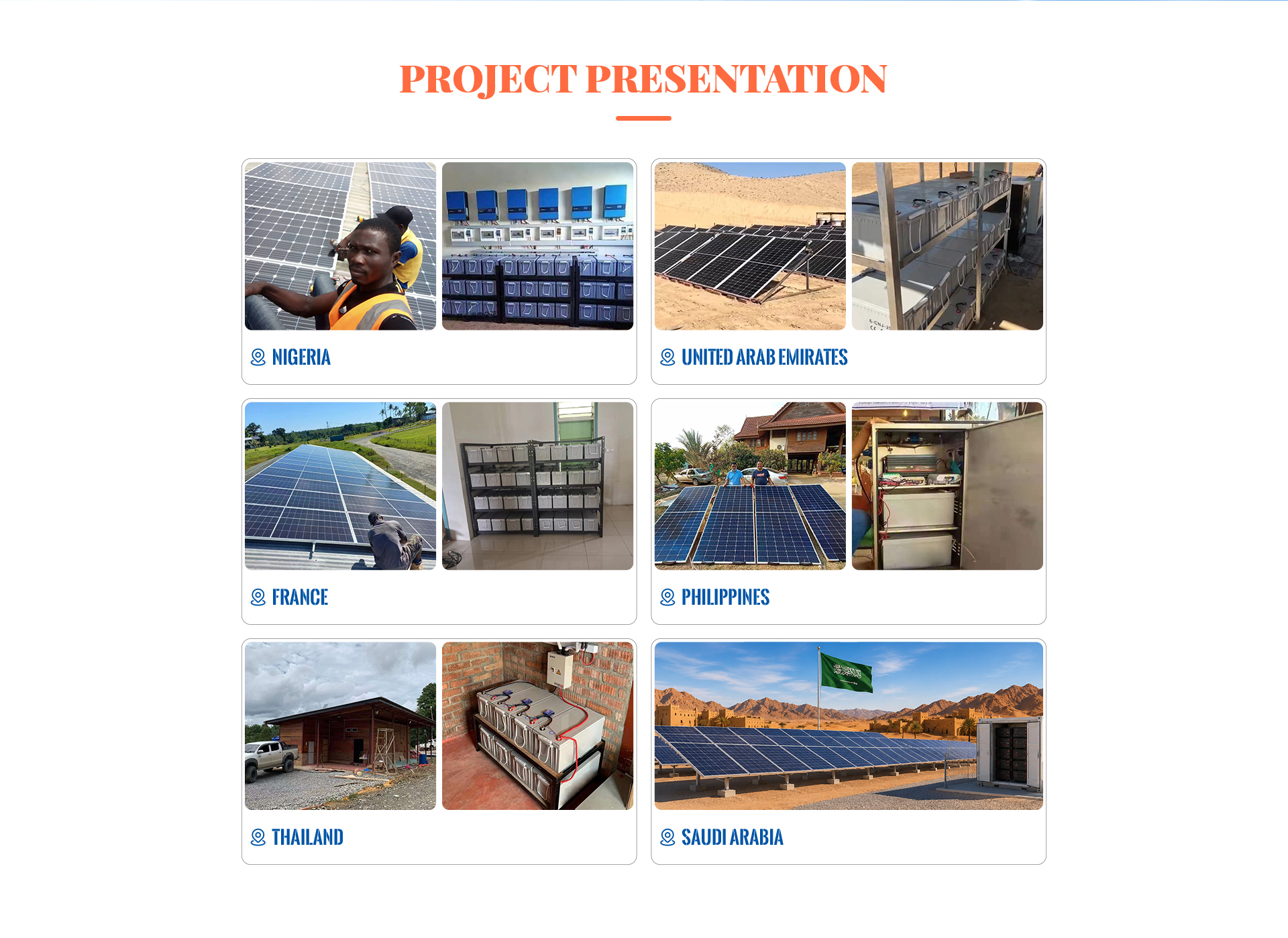
Complete Class 9 dangerous goods handling with certified UN38.3, MSDS, and customs clearance paperwork. Consolidated mixed containers save substantial sea freight costs.
Our bilingual electrical engineering team assists project sizing, single-line diagrams (SLD), cold-weather Voc calculations, and remote firmware debugging.
Direct technical answers addressing permitting, battery chemistry, utility interconnection, and logistics.
Connect directly with our senior integration specialists. Share your daily kWh load, local utility profile, and project layout to receive an end-to-end BOM proposal, protocol match verification, and delivery schedule.