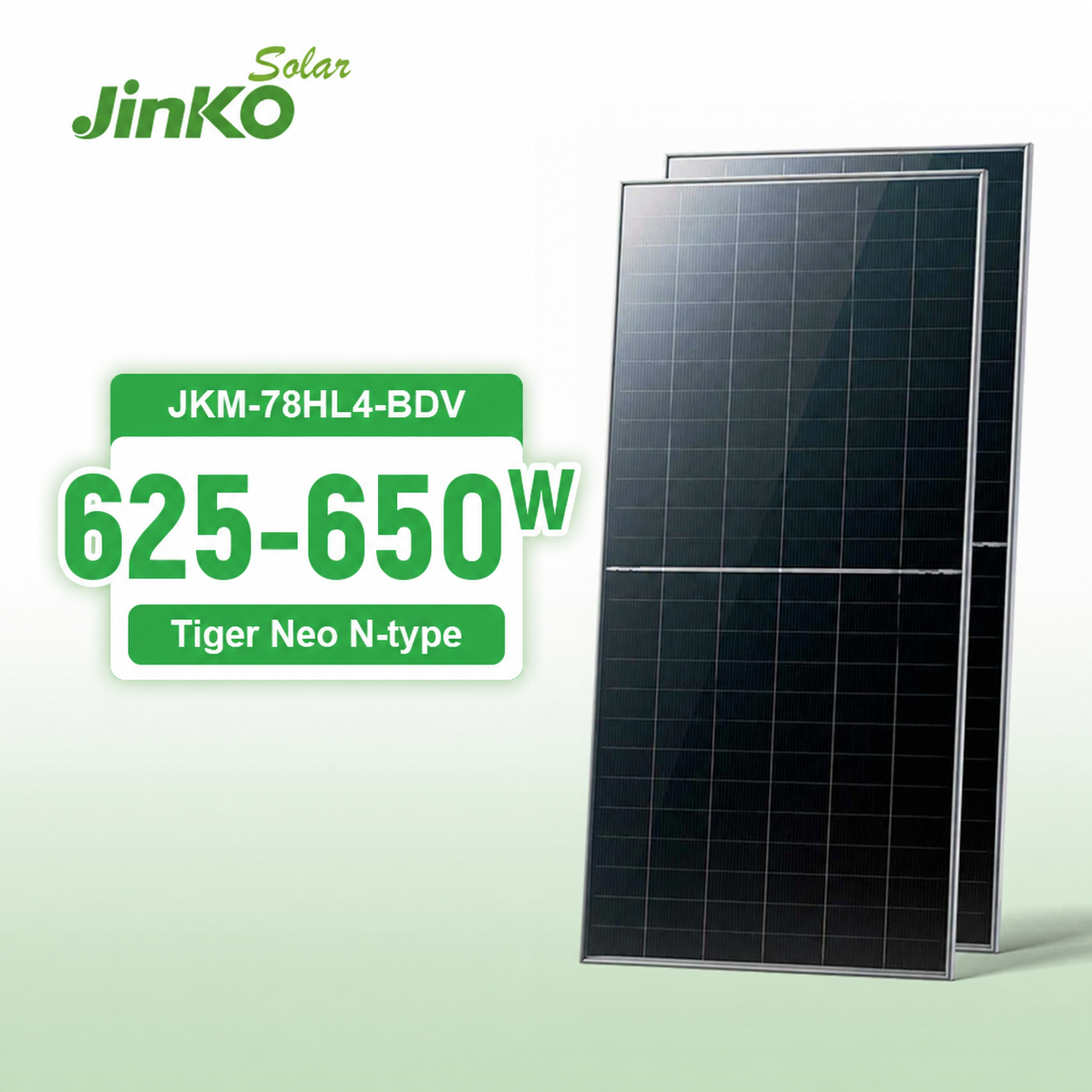
Recommended Solar Arrays & Inverter Integration for Cuba
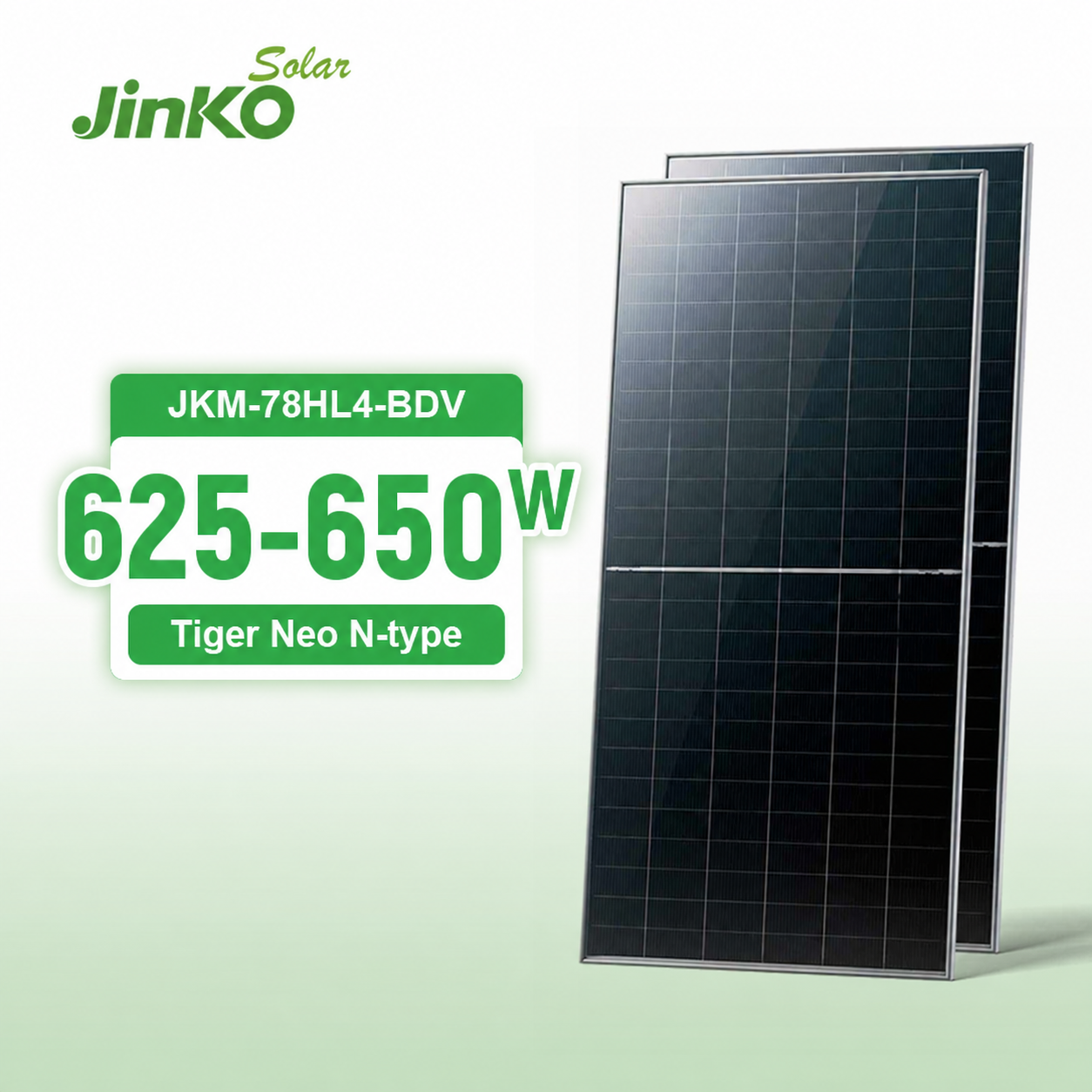
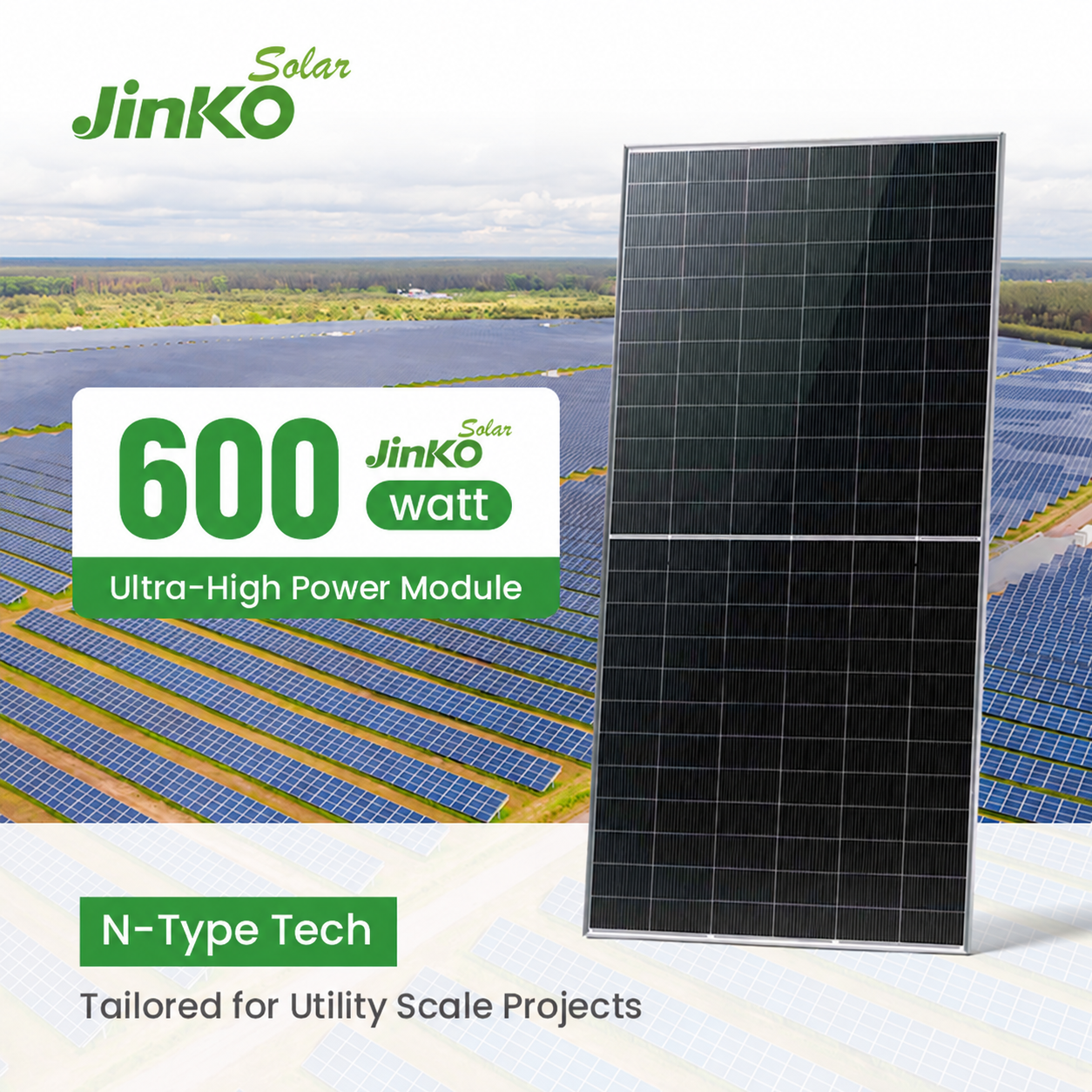
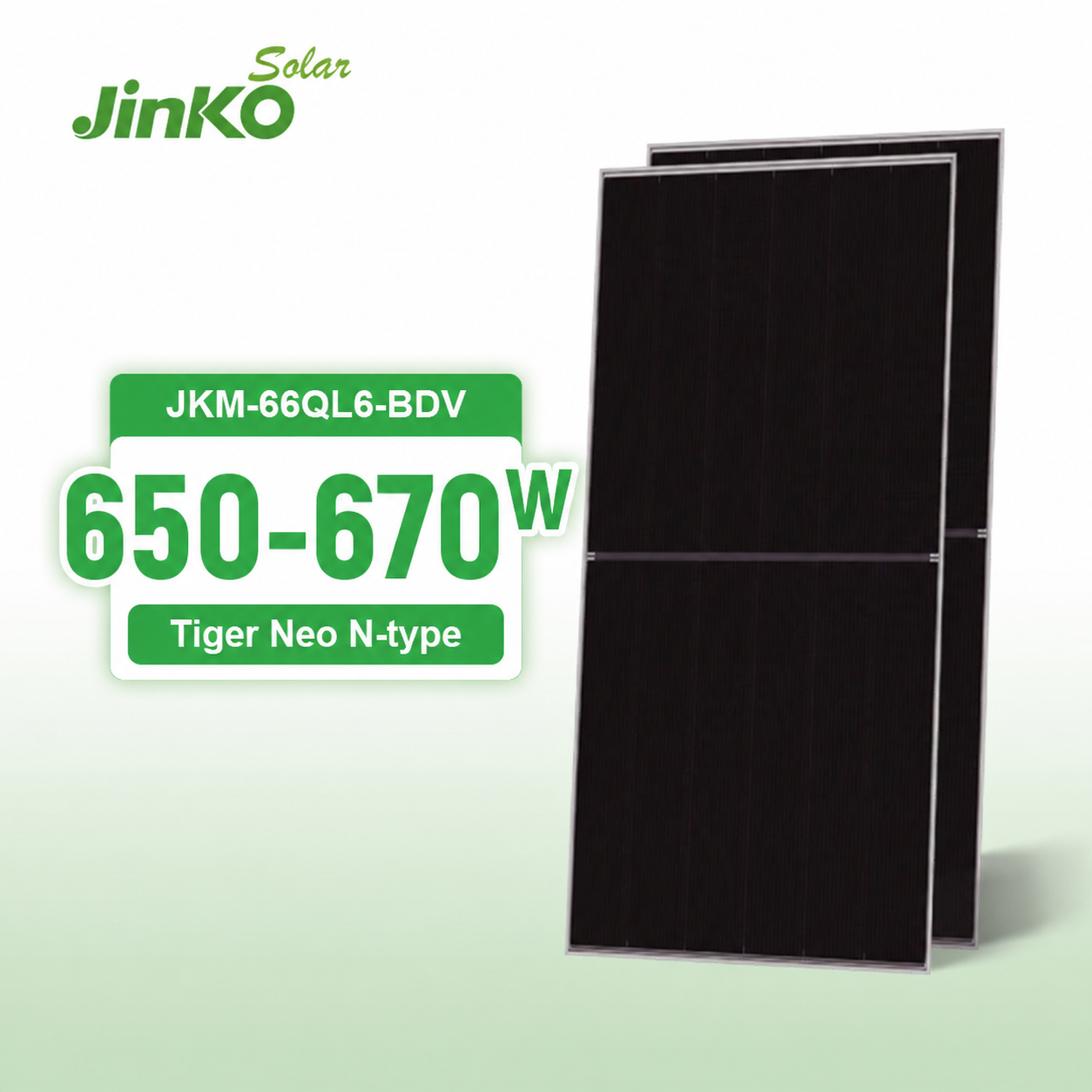
Engineered for high-temperature degradation resistance, anti-PID protection, and salt-mist resilience. Fully compatible with our Deye off-grid/hybrid inverters and LFP lithium storage.
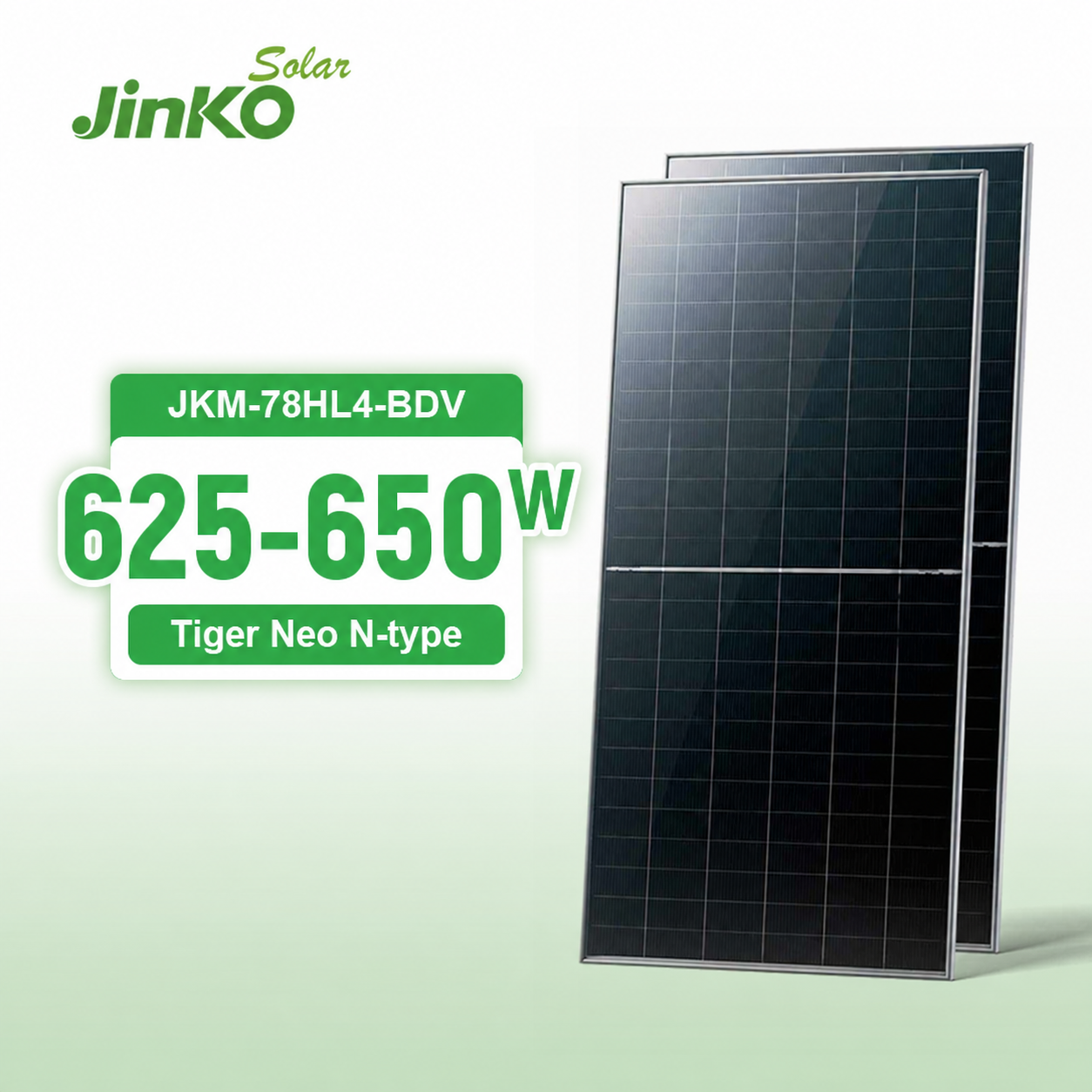
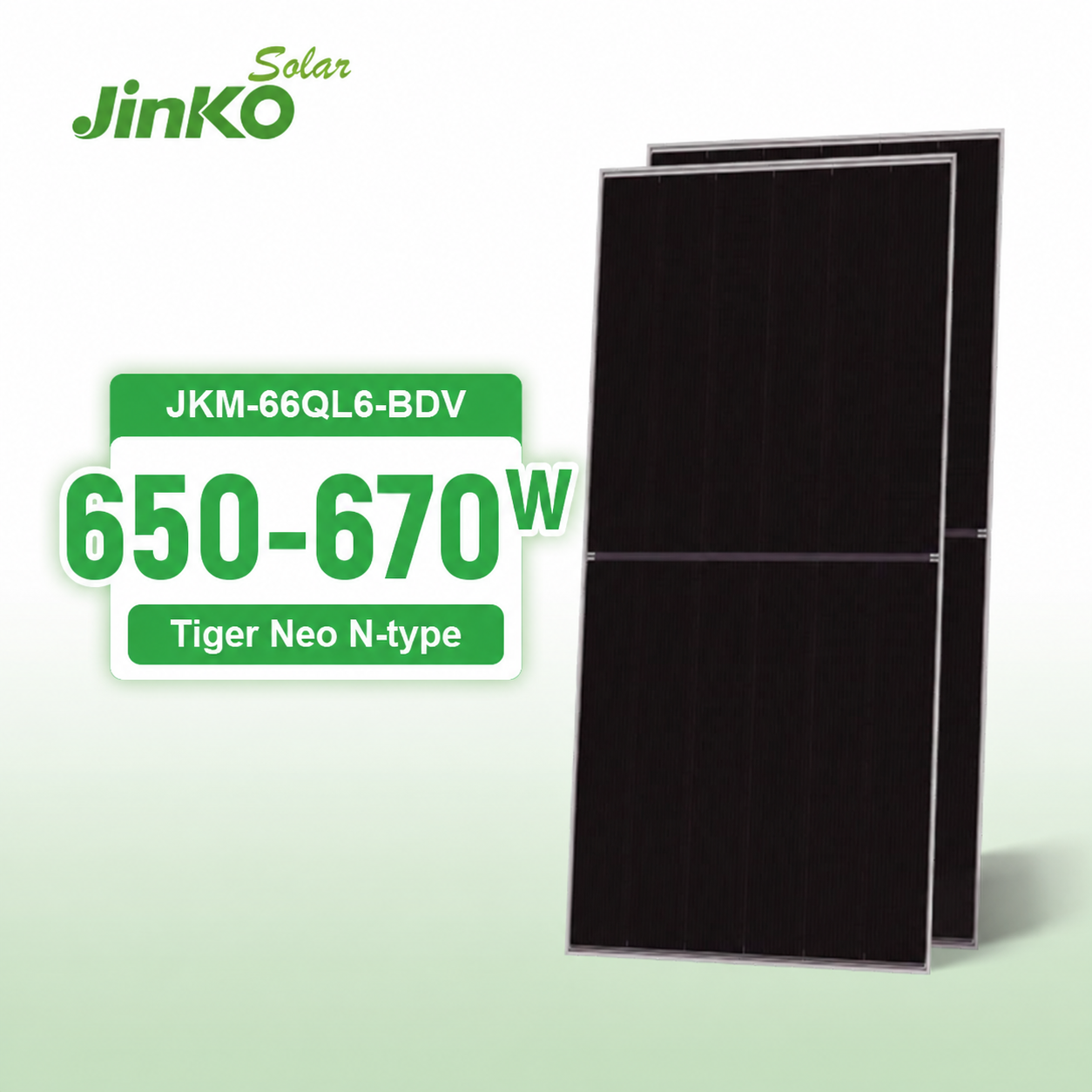
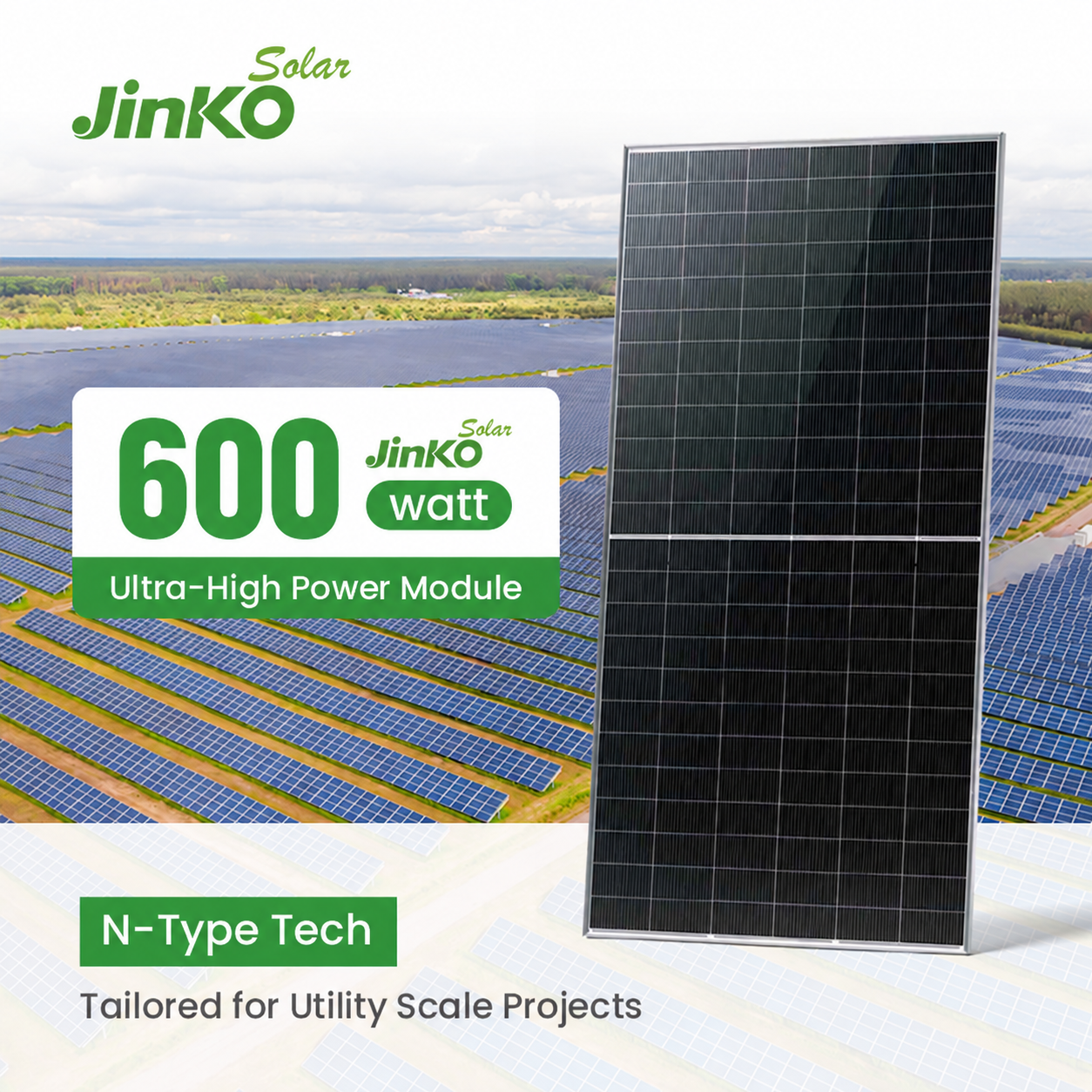
Engineering Whitepaper: Off-Grid Solar Inverter Deployment in Cuba
Addressing the critical physical and systemic challenges of the Cuban National Electric System (SEN) with robust Chinese power electronics.
The Caribbean island of Cuba faces an unprecedented structural energy transition. Decades of heavy reliance on aged thermoelectric power plants (such as the Antonio Guiteras and Felton facilities), paired with chronic fossil fuel deficits, have resulted in frequent and prolonged failures of the Sistema Eléctrico Nacional (SEN). In major municipal areas like Havana, Santiago de Cuba, and Holguín, daily blackouts (apagones) frequently extend between 8 to 18 continuous hours. For residential dwellings, private enterprises (MIPYMES), agricultural facilities, and vital healthcare infrastructures, the conventional utility grid is no longer a primary power source; it has effectively become an unreliable, intermittent backup.
In this challenging electrical operating environment, conventional grid-tied inverters are completely dysfunctional because they require an active reference grid voltage and frequency to operate. When the grid drops, grid-tied solar automatically shuts down via anti-islanding mechanisms. The definitive engineering solution for the Cuban market is the pure off-grid inverter or multi-mode hybrid inverter capable of immediate black-start capability, zero-millisecond or sub-4ms transfer time, and autonomous microgrid formation. Hangzhou VOLT New Energy Technology Co., Ltd. has established itself as the leading tier-1 supply and integration partner for Cuba, directly engineering and exporting ruggedized Deye off-grid/hybrid inverters, high-capacity LiFePO4 battery storage, and Jinko bifacial solar modules matched precisely to Cuban grid parameters.
Technical Reality for Cuban Importers: Cuba utilizes a 110V/120V 60Hz single-phase and 120V/240V split-phase architecture across domestic circuits, transitioning to 220V/380V or 440V three-phase 60Hz for commercial and light industrial installations. Standard Chinese or European 230V 50Hz single-phase inverters cannot operate Cuban domestic equipment without destructive frequency mismatch and severe motor overheating. Every inverter exported by VOLT New Energy is built with custom-flashed 60Hz DSP firmware and dual/split-phase output circuitry.
Beyond electrical frequency and voltage disparities, Cuba’s tropical marine environment poses severe mechanical and thermal degradation threats to power electronics. With relative humidity regularly exceeding 85%, ambient summer temperatures crossing 38°C, and severe airborne salt concentrations across coastal zones (spanning from the Port of Mariel down to the southern shores of Cienfuegos), standard off-the-shelf inverters suffer rapid PCB corrosion, capacitor venting, and aggressive thermal throttling. VOLT New Energy bridges this gap by enforcing rigorous tropicalization standards across all exported inverters and energy storage units.
Native 60Hz & Split-Phase
Purpose-engineered inverter hardware designed to feed standard 110V/120V home appliances directly, alongside 240V heavy inductive loads such as split-unit air conditioners and water well pumps.
- True 120V/240V Split-Phase without external autotransformers
- Frequency drift tolerance: 55Hz – 65Hz synchronization window
- Ultra-low Total Harmonic Distortion (THD < 2%) on pure sine wave
Tropical Thermal Resilience
Heavy-duty die-cast aluminum heat sinks, redundant IP65 ball-bearing cooling fans, and intelligent thermal derating algorithms that maintain 100% rated capacity up to 45°C ambient temperature.
- Conformal coating (Class 3) protecting motherboards from salt mist
- Automated fan cleaning cycles preventing tropical dust accumulation
- High-temperature 105°C rated Japanese solid-state capacitors
Smart Genset Pairing
Integrated dry-contact relays engineered to manage auxiliary diesel or gasoline generators, initiating automated start/stop sequences to recharge batteries during prolonged cloud cover.
- Generator peak-shaving to prevent small genset stalling
- Configurable AC input charge current limit (1A increments)
- Bi-directional power blending: PV + Battery + Generator
Pre-Shipment Protocol Matching: Inverter to LiFePO4
One of the largest hurdles faced by solar installers in Cuba is the infamous "BMS Communication Error" occurring between Chinese lithium batteries and hybrid inverters. When field technicians lack high-speed internet or specialized programming tools in rural Cuba, an uncommunicative system becomes paralyzed.
At our Hangzhou testing facility, VOLT New Energy eliminates this operational risk entirely. Prior to packing and container dispatch to the Port of Mariel or Havana, our engineers configure the CAN/RS485 communication protocols between our Deye inverters and LiFePO4 battery management systems (BMS). Every order is verified under physical charge and discharge loads, confirming voltage parameters, cutoff thresholds, and DIP switch pinouts.
Result: Cuban installers receive an engineered, plug-and-play turnkey power core that synchronizes on initial black-start without firmware reprogramming.
Get CatalogLocalized Inverter Application Scenarios Across Cuba
From Havana’s bustling private hospitality sector to tobacco curing houses in Pinar del Río, our off-grid architectures deliver energy sovereignty.
Casas Particulares & Boutique Hostels (Havana & Varadero)
International tourists in Cuba demand 24/7 air conditioning, hot water, and uninterrupted Wi-Fi. Our 6kW to 12kW split-phase hybrid inverters paired with 15kWh wall-mount LFP batteries completely isolate boutique hotels from municipal rolling blackouts, operating silently without the noxious exhaust and fuel costs of diesel generators.
MIPYMES Cold Storage & Food Processing Facilities
Cuba's emerging private enterprises (MIPYMES) invest heavily in food processing, bakeries, and butcheries. A single 10-hour blackout can spoil thousands of dollars in perishable meat and dairy. Parallel configurations of Deye 8kW/12kW off-grid inverters sustain massive inductive compressor startup surges through proprietary 200% surge capacity (10s duration).
Agricultural Pumping (Artemisa & Mayabeque Provinces)
Crucial agricultural belts supplying fresh produce to the capital suffer from fuel rationing for irrigation pumps. We supply dedicated solar pumping inverters with integrated VFD (Variable Frequency Drive) algorithms, driving 3-phase 220V submersible pumps directly from high-wattage Jinko panels without requiring storage batteries.
Private Clinics, Pharmacies & Medical Cold-Chains
Preserving insulin, vaccines, and operating diagnostic medical equipment requires clean power free from voltage spikes. Our low-frequency transformer-isolated and high-frequency pure sine wave inverters deliver total harmonic distortion (THD) under 2%, preventing medical hardware degradation caused by dirty grid restoration.
Telecommunication Base Stations & Remote Radar Outposts
For remote telecommunications links and coastal security infrastructure, deep-cycle GEL and LFP systems managed by our hybrid inverters operate in harsh saline conditions, equipped with RS485/GPRS remote telemetry enabling technical supervision without on-site travel.
Recommended System Topologies for Cuban Load Profiles
Engineered component matching balances PV generation, battery cycling depth, and inverter peak loads under daily blackout conditions.
| System Category | Typical Daily Load | Recommended Inverter Model | Solar Array Matching | Battery Bank Capacity | Autonomy (Zero Grid) |
|---|---|---|---|---|---|
| Small Residential (Lighting, Fans, TV, Refrigerator) |
4.5 – 7.5 kWh / day | VOLT/Deye 3.6kW 120V Pure Sine Off-Grid (48V) | 6x Jinko 585W TOPCon Monocrystalline (3.51 kWp) | 5.12 kWh LFP Wall-Mount (51.2V 100Ah) | 16 – 20 Hours |
| Standard Household (1x Inverter AC, Fridge, Deep Freezer) |
9.0 – 14.0 kWh / day | VOLT/Deye 5kW or 6kW Split-Phase 120V/240V | 10x Jinko 600W Double-Glass Panels (6.0 kWp) | 10.24 kWh LFP Storage (2x 51.2V 100Ah) | 18 – 24 Hours |
| Casa Particular / Villa (3x ACs, Water Pressure Pump, Freezers) |
18.0 – 30.0 kWh / day | VOLT/Deye 8kW or 10kW Split-Phase Hybrid | 16x Jinko 650W Bifacial PV Panels (10.4 kWp) | 15.36 kWh – 20.48 kWh LFP Bank | 24+ Hours (Continuous) |
| Commercial MIPYME (Walk-in Freezers, Bakeries, Workshops) |
40.0 – 90.0 kWh / day | Parallel 2x or 3x Deye 12kW Hybrid Inverters | 36x – 60x Jinko 660W Modules (23.7 – 39.6 kWp) | 30 kWh – 60 kWh Rack-Mounted LFP Cabinet | Full Off-Grid Autonomy |
| Agro-Industrial Irrigation (7.5HP – 25HP 3-Phase Submersible Pump) |
Pumping during daylight hours | VOLT Solar Pump Inverter 7.5kW – 22kW (VFD 3-Phase) | Array sized at 1.4x motor HP rating (Jinko 650W) | Direct PV Drive (Zero Battery Overhead) | Daylight Irrigation Run |
Cuba Solar Market Trends & Regulatory Shifts
Understanding tariff exemptions, private enterprise purchasing trends, and logistics through the Port of Mariel.
The photovoltaic market in Cuba is experiencing an unprecedented structural shift driven by national legislative changes and decentralized capital. Historically, power generation was strictly centralized under the state utility, Unión Eléctrica (UNE). However, recognizing that central thermal generation cannot keep pace with national demand, the Cuban Ministry of Finance and Prices (*Ministerio de Finanzas y Precios*) and the General Customs of the Republic (*Aduana General de la República*) enacted landmark policies, notably Resolución 206/2021 and subsequent regulatory extensions.
Under these legal frameworks, natural persons and private entities are permitted to import photovoltaic systems, solar inverters, lithium batteries, and solar panels completely duty-free (0% tariffs and customs clearance exemptions). This regulatory release valve has catalyzed massive demand across three distinct procurement channels:
1. Remittance Procurement
Cuban diaspora communities in North America, Europe, and Latin America directly finance and procure complete off-grid container kits from China to provide uninterrupted power and security for family homes across Cuba.
2. MIPYMES Capitalization
Private enterprises in Havana, Cienfuegos, and Camagüey view off-grid solar equipment not as a luxury, but as an essential capital asset to guarantee operational continuity and protect inventory against grid collapse.
3. State & Agricultural Cooperatives
Agricultural credit and service cooperatives (CCS) and state farms are rapidly transitioning diesel-powered water extraction over to standalone solar pumping arrays with Chinese variable-frequency inverters.
As a seasoned China exporter, VOLT New Energy handles the complex document trail required for Cuban customs clearance, including clean Bills of Lading (B/L) explicitly stating photovoltaic equipment descriptors, detailed commercial invoices formatted for duty exemption verification, and strict UN38.3 packaging certificates that prevent demurrage delays at Puerto del Mariel.
Why International Distributors Choose VOLT New Energy
Eliminating compatibility risks, documentation errors, and component failures through engineering excellence.

Verified Compatibility
Every single inverter and battery module undergoes strict CAN/RS485 handshake validation before leaving our Hangzhou export hub, preventing communication fault codes on-site.

Rigorous Pre-Shipment QC
Full capacity sampling, insulation safety testing, high-temperature load chamber screening, and comprehensive high-definition video inspection reports provided to buyers.

Export-Ready Logistics
Fully compliant UN38.3, MSDS, and Class 9 Dangerous Goods sea-freight packing. Consolidated container stuffing combining inverters, solar panels, and batteries in single containers.

Direct Engineering Support
Full engineering consultation: single-line diagrams (SLD), balance of system (BOS) sizing, breaker specification guides, and rapid remote troubleshooting support directly in Spanish.
Frequently Asked Questions for Cuba Solar Inverter Importers
In-depth engineering and logistical guidance addressing real challenges encountered by Cuban buyers and project developers.
Can your off-grid inverters handle Cuba's 110V/120V domestic voltage and 60Hz frequency standard?
Yes, absolutely. Unlike standard export inverters tailored for European 230V 50Hz markets, our inverters dispatched to Cuba are specifically manufactured or firmware-configured for North American/Caribbean grid standards. We provide: (1) Single-phase 110V/120V 60Hz pure off-grid inverters (3kW to 5kW) for standard household circuits; (2) Split-phase 120V/240V 60Hz hybrid inverters (5kW, 6kW, 8kW, 10kW, 12kW) that output both 120V (for domestic electronics, refrigeration, and illumination) and 240V (for deep well pumps, split-system ACs, and water heaters) simultaneously without requiring external balance transformers; and (3) 3-phase 220V/380V 60Hz systems for commercial and agro-industrial pumping installations.
How do Deye hybrid and off-grid inverters behave during frequent 12+ hour rolling blackouts?
Our Deye hybrid inverters feature an internal high-speed static transfer switch with a transfer time of less than 4 milliseconds (< 4ms). When the national grid collapses, connected loads experience zero power interruption, preventing computers, medical devices, and sensitive electronics from restarting. The inverter establishes an isolated local microgrid powered directly by the Jinko solar array and LiFePO4 battery bank. When the grid eventually recovers (even with dangerous voltage surges and frequency fluctuations), the inverter utilizes an adjustable 60-second to 300-second stabilization timer before gently synchronizing, protecting your premises from transient voltage spikes.
Should a Cuban buyer choose LiFePO4 (LFP) lithium batteries or Deep-Cycle GEL batteries?
Under Cuba’s severe daily blackout regimen, LiFePO4 (Lithium Iron Phosphate) offers significantly superior long-term economics. Because blackouts occur daily, the battery bank undergoes 365 to 500 deep cycles per year. An LFP battery provides 6,000+ cycles at 80% to 90% Depth of Discharge (DoD), delivering a working lifespan of 10 to 15 years under active BMS protection. In contrast, deep-cycle GEL batteries, while carrying a lower initial purchase price, tolerate only 1,000 to 1,200 cycles at 50% DoD. If deeply discharged daily during Cuban blackouts, GEL batteries typically suffer sulfation and capacity exhaustion within 18 to 24 months. For mission-critical homes and private businesses, LFP represents a 3x lower lifetime cost per delivered kilowatt-hour. For low-budget projects or backup telecom towers with infrequent discharge, high-capacity GEL remains an accessible entry option.
How does the inverter survive Cuba's high humidity and coastal salt-mist corrosion?
Coastal salinity from the Atlantic Ocean and Caribbean Sea corrodes standard electronics quickly. All inverters exported by VOLT New Energy for Cuba feature multi-layer conformal coating across all printed circuit boards (PCBs), sealing sensitive traces, capacitors, and microprocessors against moisture, salt fog, and insect infiltration (rated up to IEC 60068-2-52 Class 6 / C5-M marine atmospheric protection). Exterior chassis are constructed from powder-coated, electro-galvanized sheet steel or die-cast aluminum alloys equipped with stainless steel hardware, guaranteeing IP65 ingress protection for external or semi-external wall mounting.
Can I connect a traditional gasoline or diesel generator to the inverter?
Yes. Our inverters feature dedicated Auxiliary / Generator input terminals and programmable dry-contact relays. In Cuba, where fuel is scarce and expensive, running a generator continuously is unsustainable. Our inverter automates this process: when the battery drops below a user-defined threshold (e.g., 20% SoC) and solar power is insufficient during cloudy days, the inverter triggers the dry contact to start the generator, runs it at its most fuel-efficient load point to recharge the batteries to 80%, and then automatically shuts the generator off. This reduces generator run-time and fuel consumption by over 70%.
What shipping routes and documentation do you provide for delivery to Puerto del Mariel?
VOLT New Energy routinely handles Full Container Load (FCL) and Less than Container Load (LCL) shipments to Cuba. Most sea cargo routes originate from Ningbo or Shanghai port, connecting directly to the Port of Mariel (ZEDM - Zona Especial de Desarrollo Mariel) or Havana via major international maritime carriers (such as CMA CGM, COSCO, or regional feeder lines through Kingston or Panama). We prepare complete customs documentation compliant with Cuban import criteria, including commercial invoices with tariff codes matching 0% import duty categories under Resolución 206, detailed packing lists, Certificates of Origin, and complete Class 9 DG hazardous goods declarations (UN38.3 test summaries and safety data sheets) for lithium storage.
Can multiple off-grid inverters be connected in parallel for larger Cuban enterprises?
Yes. Both our Deye hybrid series and our own-brand modular inverters support parallel synchronization. Up to 16 units can be connected in parallel via RJ45 communication bus cables without requiring external master controllers. This enables a Cuban commercial enterprise, such as a bakery, cold storage depot, or cigar processing warehouse, to scale a system from a single 8kW unit up to 128kW in single-phase, split-phase, or 3-phase electrical configurations as operational capital grows.
How do you handle product warranties and spare parts for customers in Cuba?
We provide factory-backed warranties ranging from 5 years for hybrid inverters to 5-10 years for LiFePO4 batteries, fully tracked by equipment serial numbers logged before export. For our B2B distributors and volume buyers in Cuba, we bundle essential plug-and-play modular spare parts (such as replacement control boards, power switching boards, cooling fan assemblies, and surge suppressors) directly inside the container shipment. If field troubleshooting is required, our engineering team in Hangzhou coordinates remote diagnostics with local Cuban technicians via WhatsApp, email, or video calls.
Secure Clean, Resilient Energy Independence for Cuba
Whether you are importing a 20ft container of matched hybrid systems for Havana’s private sector or establishing an agricultural microgrid in Artemisa, our bilingual engineering team is ready to deliver verified 60Hz equipment with rapid dispatch.