Dual Glass
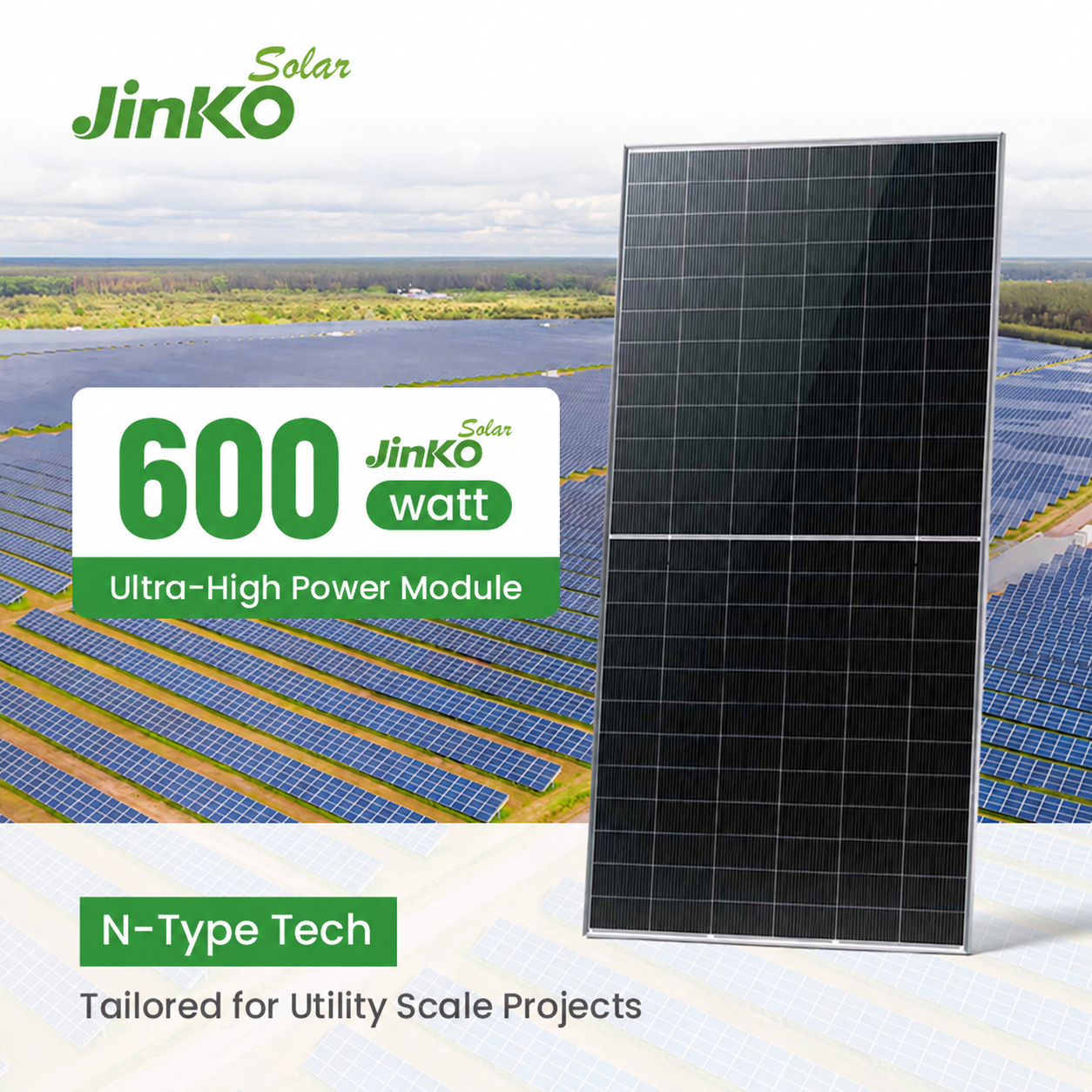
580W - 600W
Dual-Glass Mono
Explore Tier-1 high-density monocrystalline and N-Type TOPCon bifacial modules configured for utility arrays, commercial eco-resorts, and off-grid mountain microgrids.
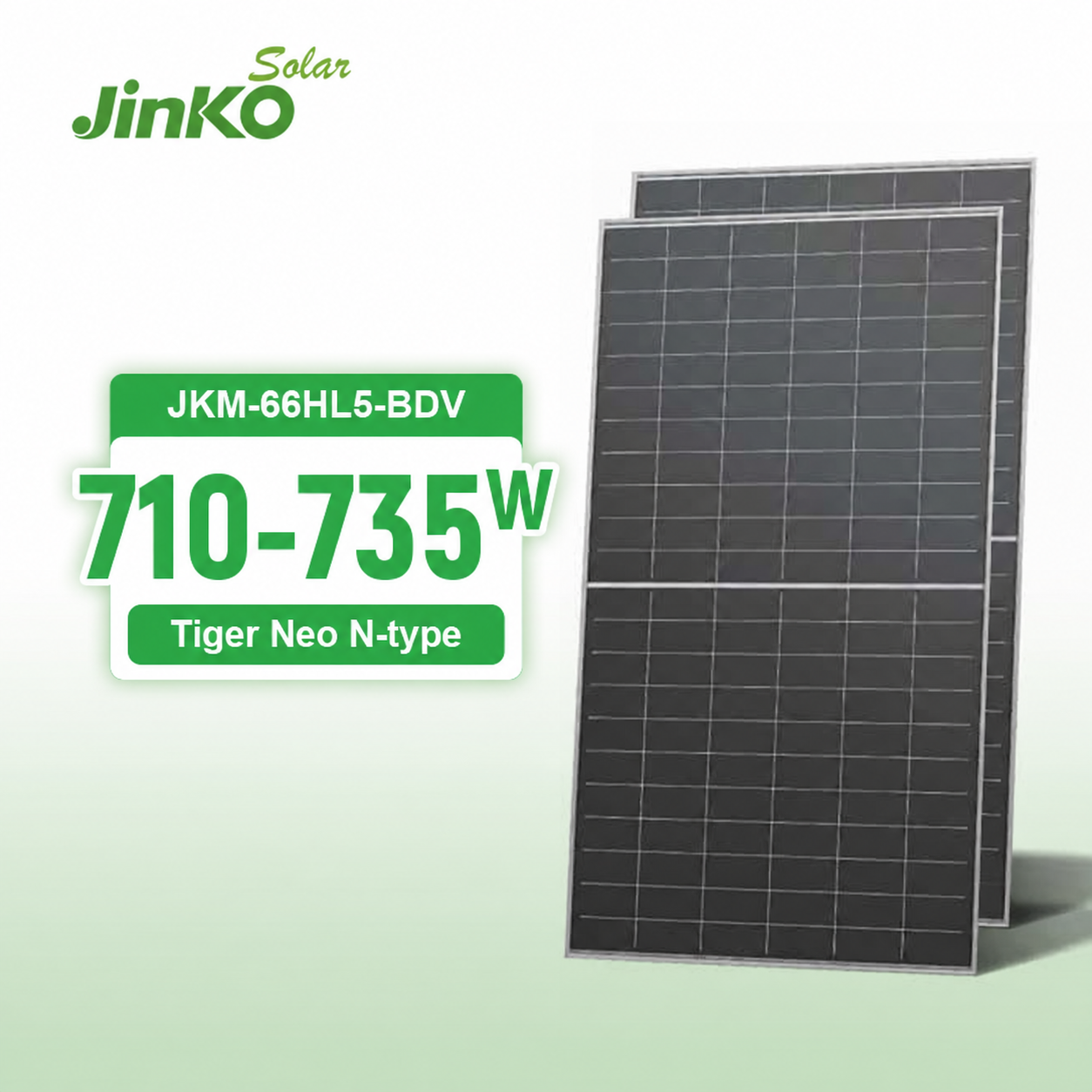
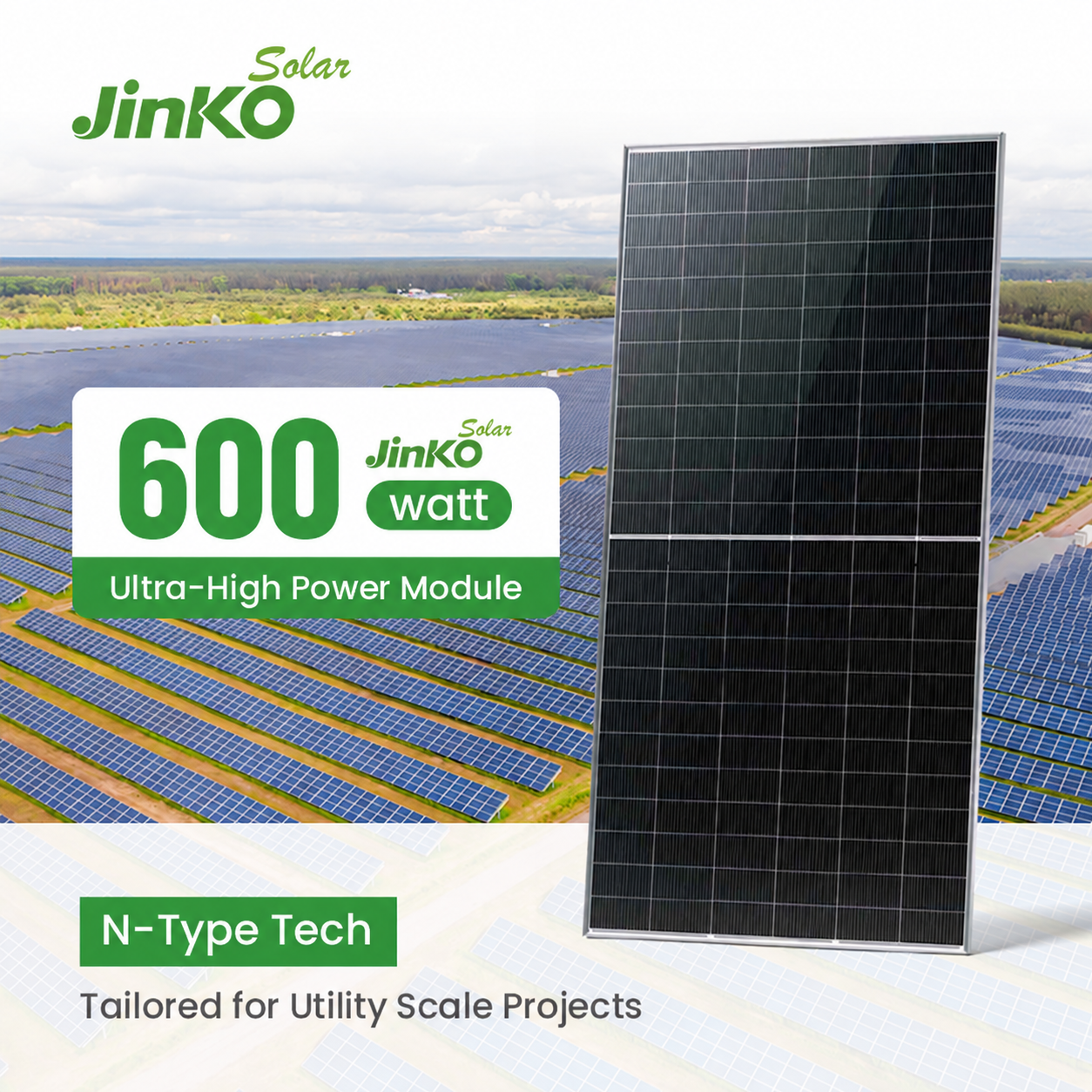
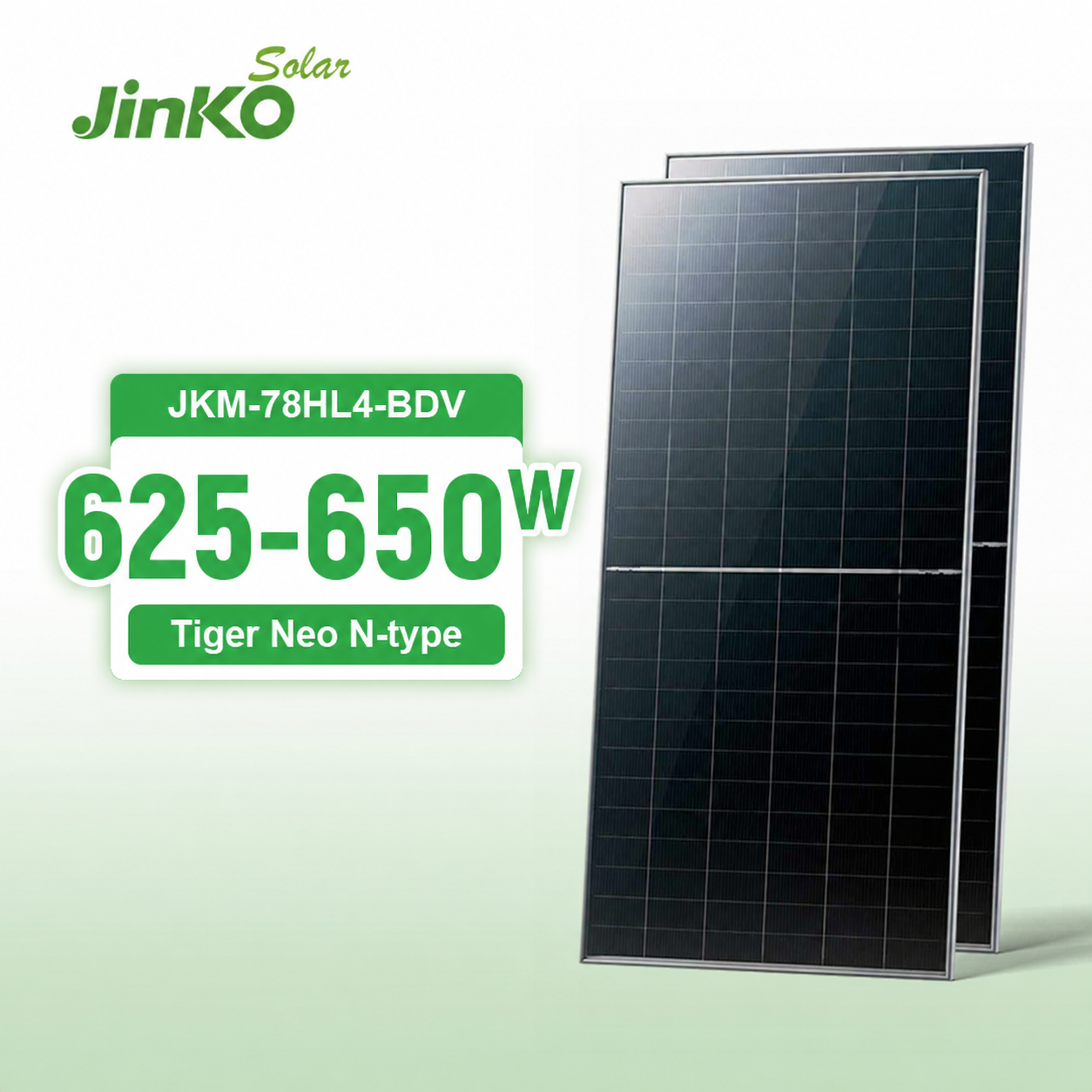
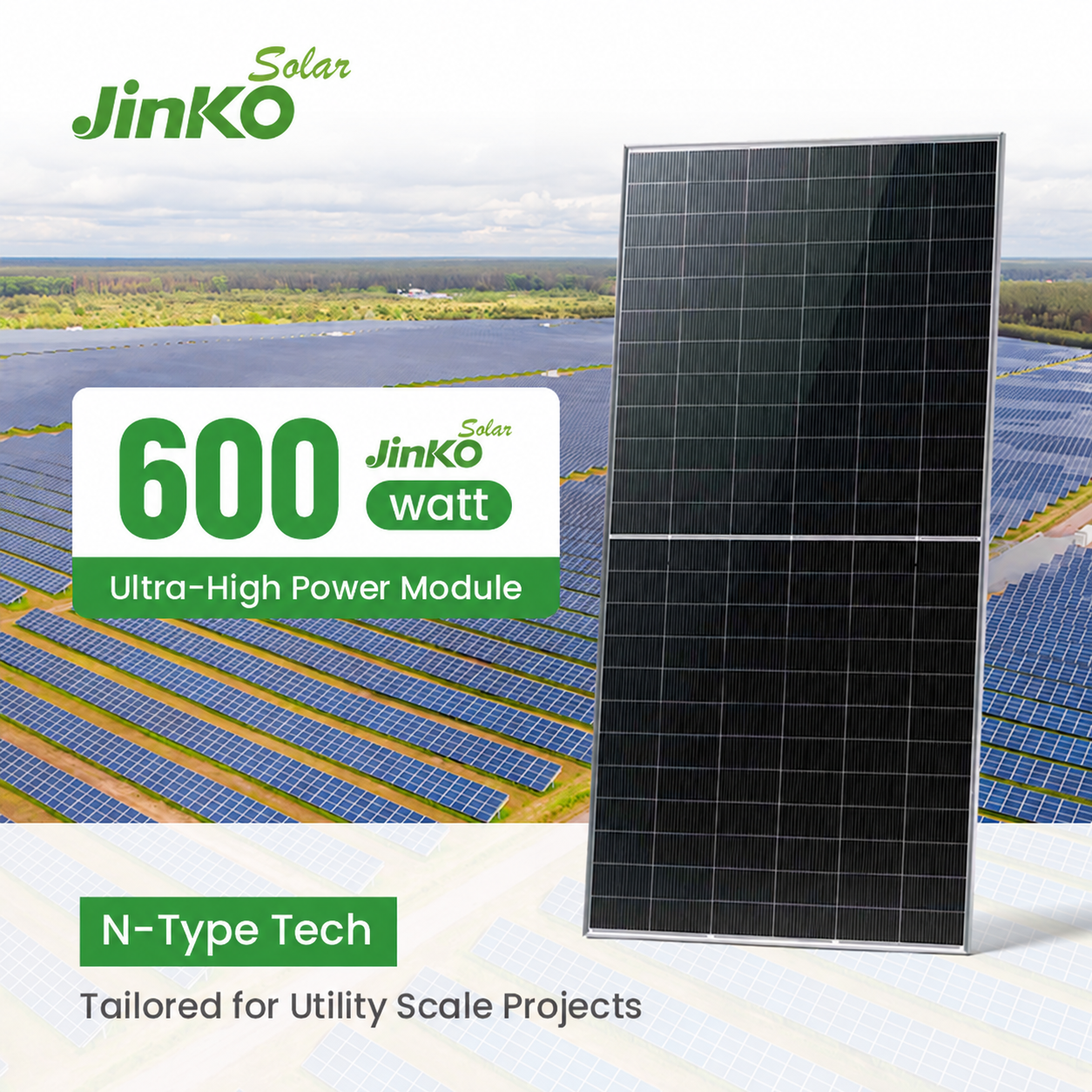
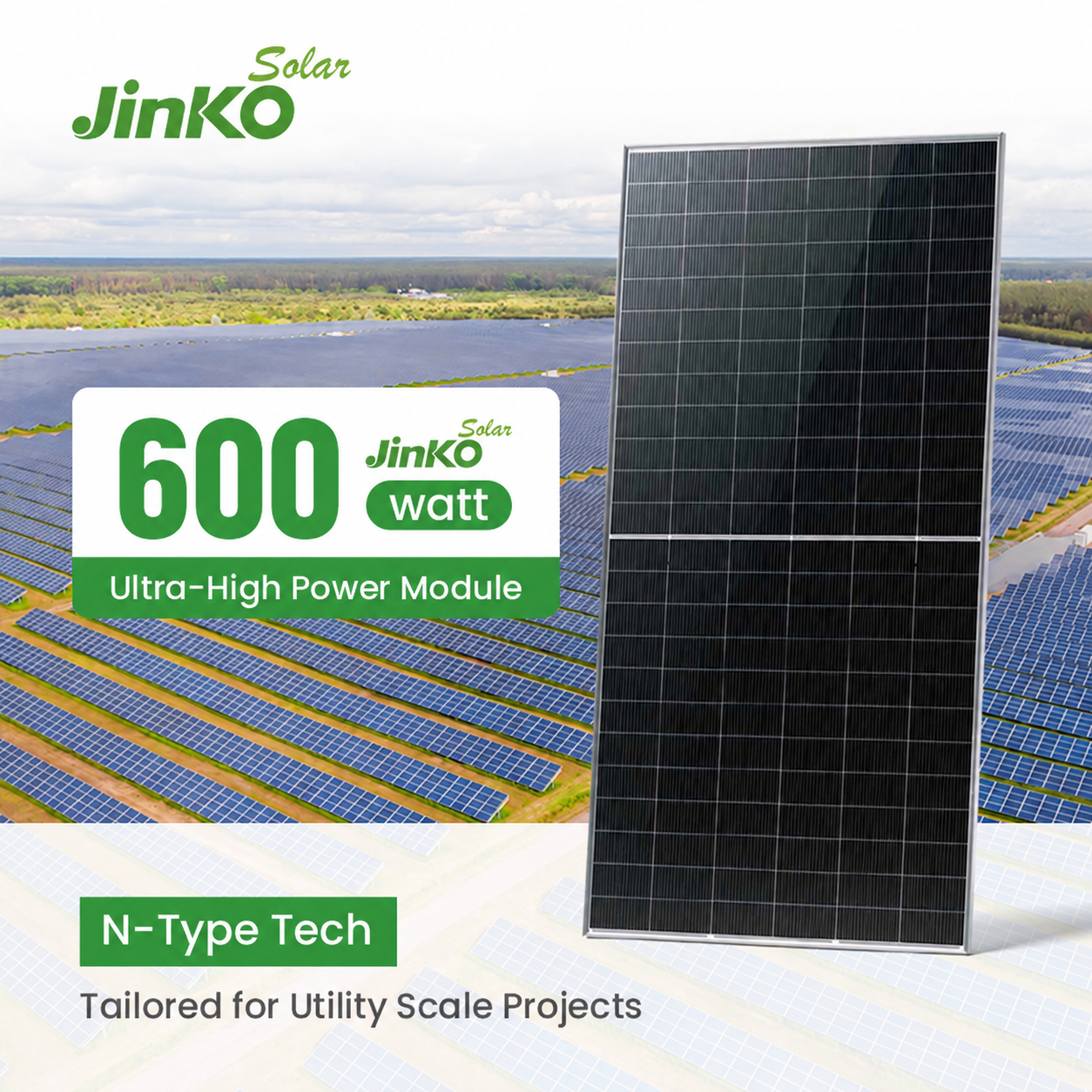
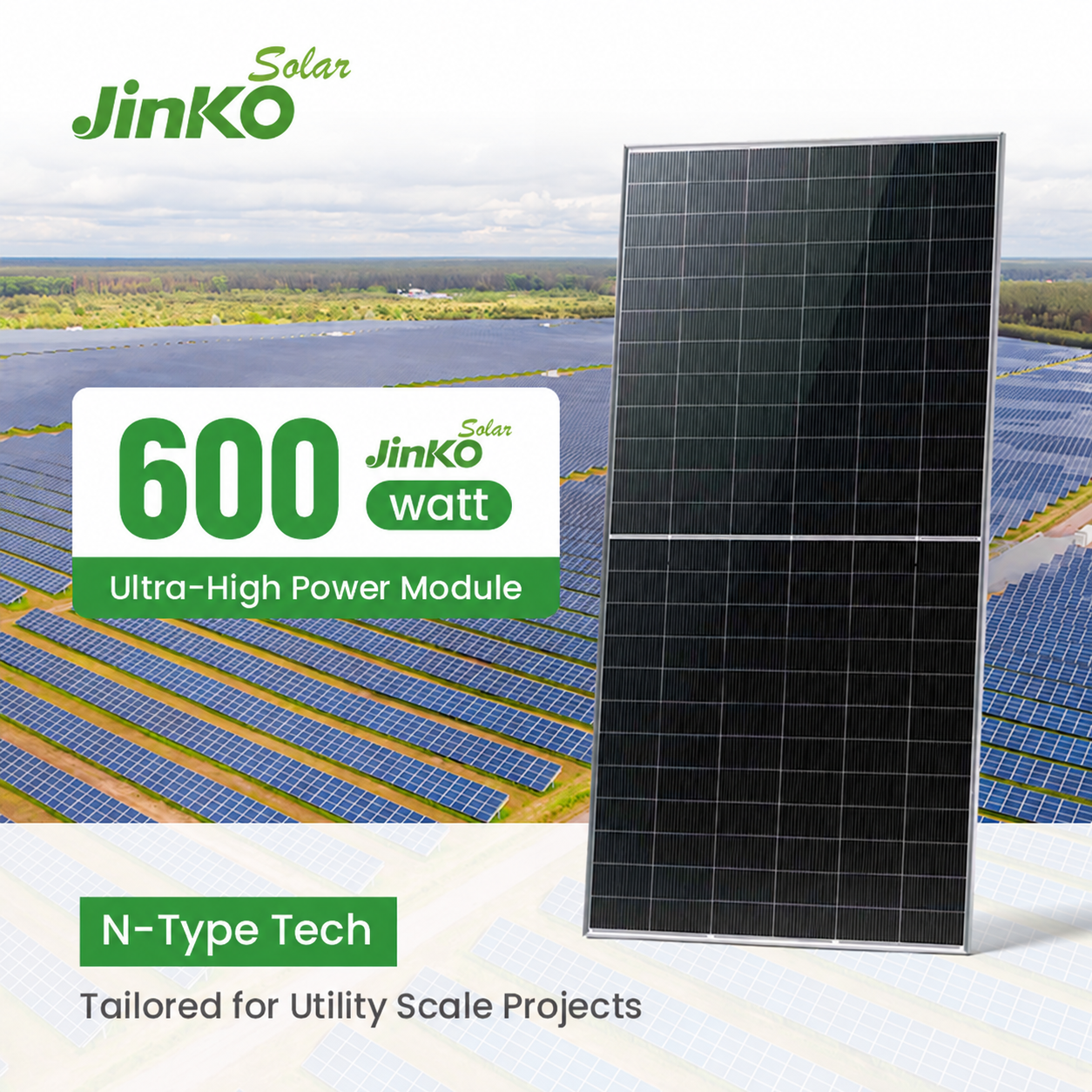
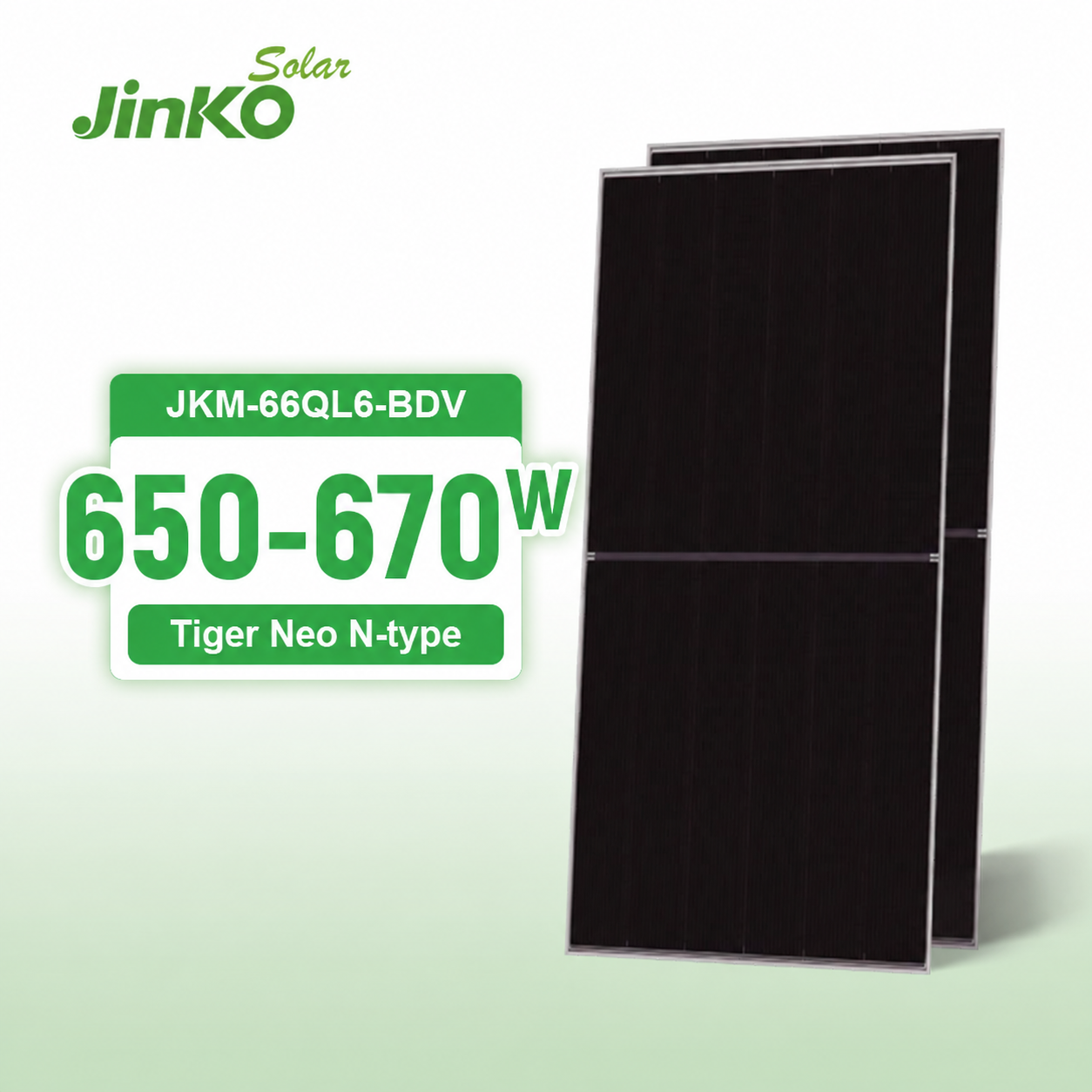
Deploying solar equipment along the southwestern rim of Saint Lucia presents a complex set of environmental conditions: high marine salinity, sulfurous gas emissions from the Qualibou caldera, and mountainous shading profiles.
Proximity to the Sulphur Springs geothermal area releases trace hydrogen sulfide (H₂S) and sulfur dioxide (SO₂). Conventional EVA polymers turn yellow and degrade under acidic moisture. Our dual-glass POE (Polyolefin Elastomer) encapsulation guarantees complete gas impermeability, preventing copper ribbon pitting and delamination.
From Anse Chastanet to the foothills of Gros Piton, architectural aesthetics require unobtrusive footprints. Bifacial modules harvest light reflected from coral limestone, white roofs, and nearby oceanic waters, providing up to a 25% energy boost without expanding roof boundaries.
Mount Gimie and the Pitons trigger sudden cloud cover and localized rainfall throughout the day. N-Type TOPCon cells exhibit superior spectral response in diffuse and low-light environments, generating higher kilowatt-hours per installed watt compared to older p-type PERC panels.
A data-backed comparative assessment for structural engineers, solar developers, and commercial procurement directors in the Eastern Caribbean.
| Performance Parameter | P-Type Standard Monofacial | Bifacial PERC (Glass-Backsheet) | N-Type TOPCon Dual-Glass (VOLT Supplied) |
|---|---|---|---|
| Bifaciality Factor | 0% (Monofacial) | 65% ± 5% | 80% ± 5% |
| First-Year Power Degradation | < 2.0% | < 2.0% | ≤ 1.0% (Zero Boron-Oxygen LID) |
| Annual Linear Degradation | 0.55% / year | 0.45% / year | 0.40% / year (30-Year Performance) |
| Temperature Coefficient (Pmax) | -0.35% / °C | -0.34% / °C | -0.29% / °C (High-Heat Retentive) |
| Moisture Ingress Protection | Polymer backsheet permeable to vapor | Backsheet vulnerable to acid air | 2.0mm + 2.0mm Symmetrical Heat-Strengthened Glass |
| Mechanical Wind Resistance | 2400 Pa front / 2400 Pa back | 5400 Pa front / 2400 Pa back | 5400 Pa front / 2400 Pa back (Wind Uplift Rated) |
Technical Insight: In tropical island zones such as Saint Lucia, roof temperatures regularly exceed 65°C during midday peaks. Operating with a temperature coefficient of -0.29%/°C, VOLT’s N-type modules lose roughly 2.5% less peak output under direct sun than traditional p-type alternatives, while capturing diffuse albedo light along the rear glass face.
The push toward decarbonization and localized resilience across Saint Lucia is shifting commercial procurement standards.
With domestic electricity rates tied to imported heavy fuel oil prices, commercial properties face tariff swings. Self-consumption pairing high-density bifacial panels with LFP battery arrays delivers levelized energy costs (LCOE) well below grid rates, stabilizing operational budgets for Soufrière businesses.
Atlantic storm seasons demand equipment that handles severe cyclonic gusts and subsequent utility down-time. Dual-glass modules feature higher structural rigidity against micro-cracking during dynamic storm vibrations, maintaining clean generation for essential refrigeration and water filtration systems.
Logistical fragmentation remains an obstacle in Caribbean importing. VOLT eliminates this challenge by providing single-container consolidation out of Ningbo and Shanghai, bundling matching bifacial panels, Deye inverters, and LFP storage racks directly into Castries Port without multi-supplier headaches.
Headquartered in Hangzhou, Zhejiang, Hangzhou VOLT New Energy Technology Co., Ltd. solves the core pitfalls of solar distribution: component mismatch, transit damage, and lack of technical post-sales support.

We test protocol handshakes between Deye inverter firmware and battery BMS (CAN/RS485) before crating, preventing field connection errors during initial startup.

Every module production run undergoes electroluminescence (EL) defect checks, visual frame examinations, and electrical insulation tests with complete photo inspection reports.

Class 9 Dangerous Goods packing, UN38.3 compliance, and complete customs documentation for seamless sea transit into Saint Lucia and the wider Caribbean basin.

Comprehensive array sizing, PV string balance-of-system calculations, cable optimization, and remote commissioning support directly with your regional installers.
Straightforward answers addressing logistical, technical, and regulatory considerations for developers and property owners.
Provide your system sizing requirements or utility billing loads. Our technical sales engineers will respond within 24 hours with component specifications, container layouts, and factory-direct pricing for Soufrière.