Navigating Solar Generation in the Central Valley Highland Microclimates
A technical assessment of high-density solar arrays, transportable bifacial platforms, and utility grid interconnection under Costa Rica’s Law 10086 regulatory framework.
The Canton of Cartago and the broader Guarco Valley represent one of Central America's most dynamic industrial and agro-technological hubs. Characterized by elevation ranging between 1,400 and 2,800 meters above sea level, Cartago's geographic topography presents a distinct photovoltaic challenge: high ultraviolet irradiance indexed against frequent afternoon orographic cloud cover, persistent relative humidity averaging 78% to 88%, and localized trade winds spilling over the Cordillera Central. For industrial plant managers in the Zona Franca La Lima, agricultural irrigation operators throughout Oreamuno and Paraíso, and commercial EPC contractors interconnected to the local utility grid—operated primarily by JASEC (Junta Administrativa del Servicio Eléctrico de Cartago) and ICE (Instituto Costarricense de Electricidad)—selecting the correct photovoltaic modules requires rigorous mechanical, thermal, and electrical diligence.
While historically the solar market differentiated strictly between stationary rooftop glass panels and consumer camping equipment, modern industrial energy demands have birthed the high-capacity foldable, relocatable, and rapid-deployment modular solar platform. EPCs and agricultural engineers across Cartago now utilize high-output, double-glass N-Type TOPCon (Tunnel Oxide Passivated Contact) arrays engineered with specialized structural folding mechanisms or pre-assembled racking platforms. These systems enable temporary or semi-permanent agrovoltaic deployments over highland brassica and coffee cultivars, seasonal field processing plants, off-grid eco-lodges near Volcán Irazú, and rapid grid-tie expansion without permanent roof penetrations. Hangzhou VOLT New Energy Technology Co., Ltd. serves this specialized demand by integrating Tier-1 PV modules—predominantly from global leader Jinko Solar—with pre-tested energy storage and Deye hybrid inverters, delivering certified turnkey solutions from manufacturing floor to Cartago job sites.
High-Efficiency TOPCon & Bifacial PV Modules Serving Cartago
Examine the full portfolio of high-wattage, double-glass N-Type photovoltaic modules available for containerized consolidation and rapid field deployment.
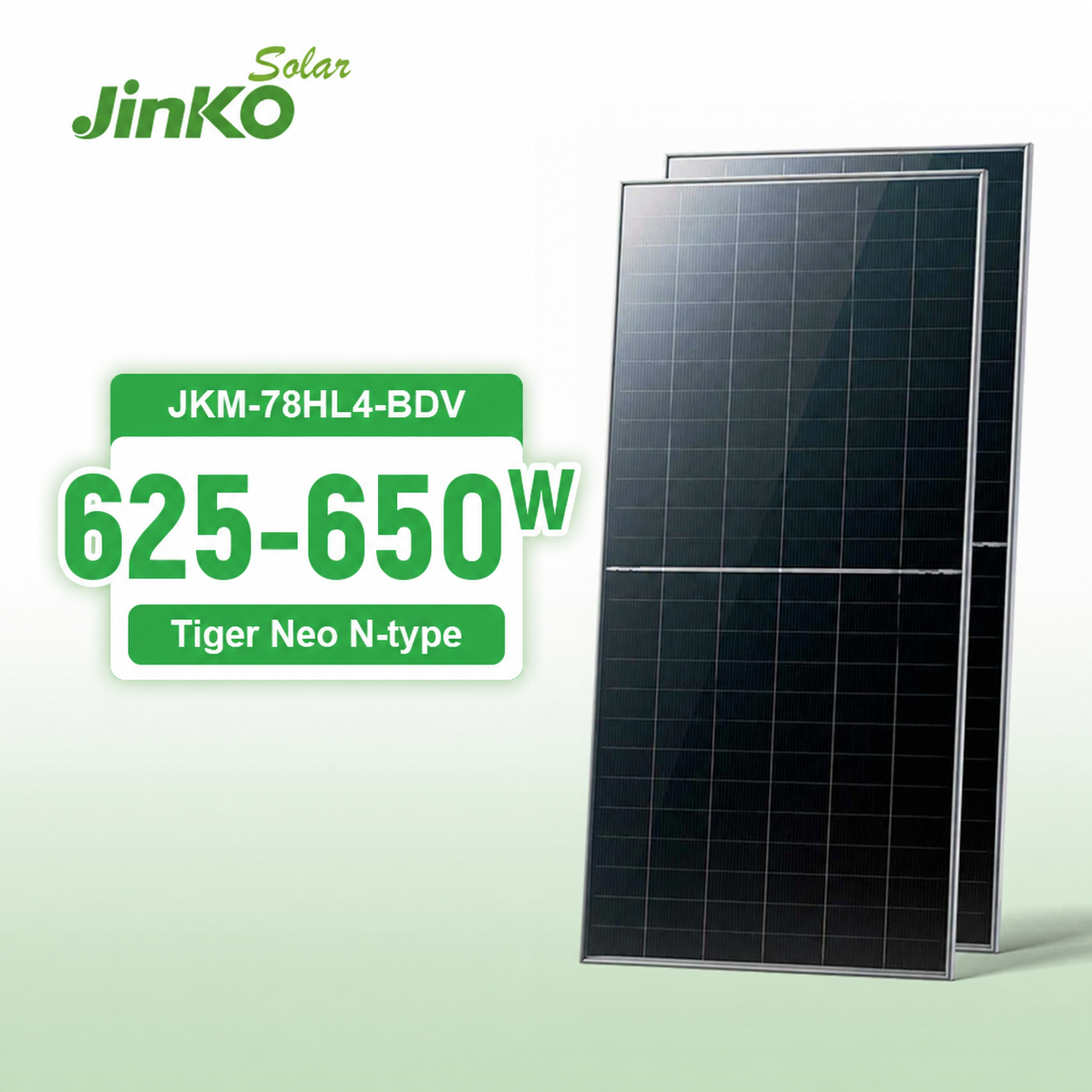
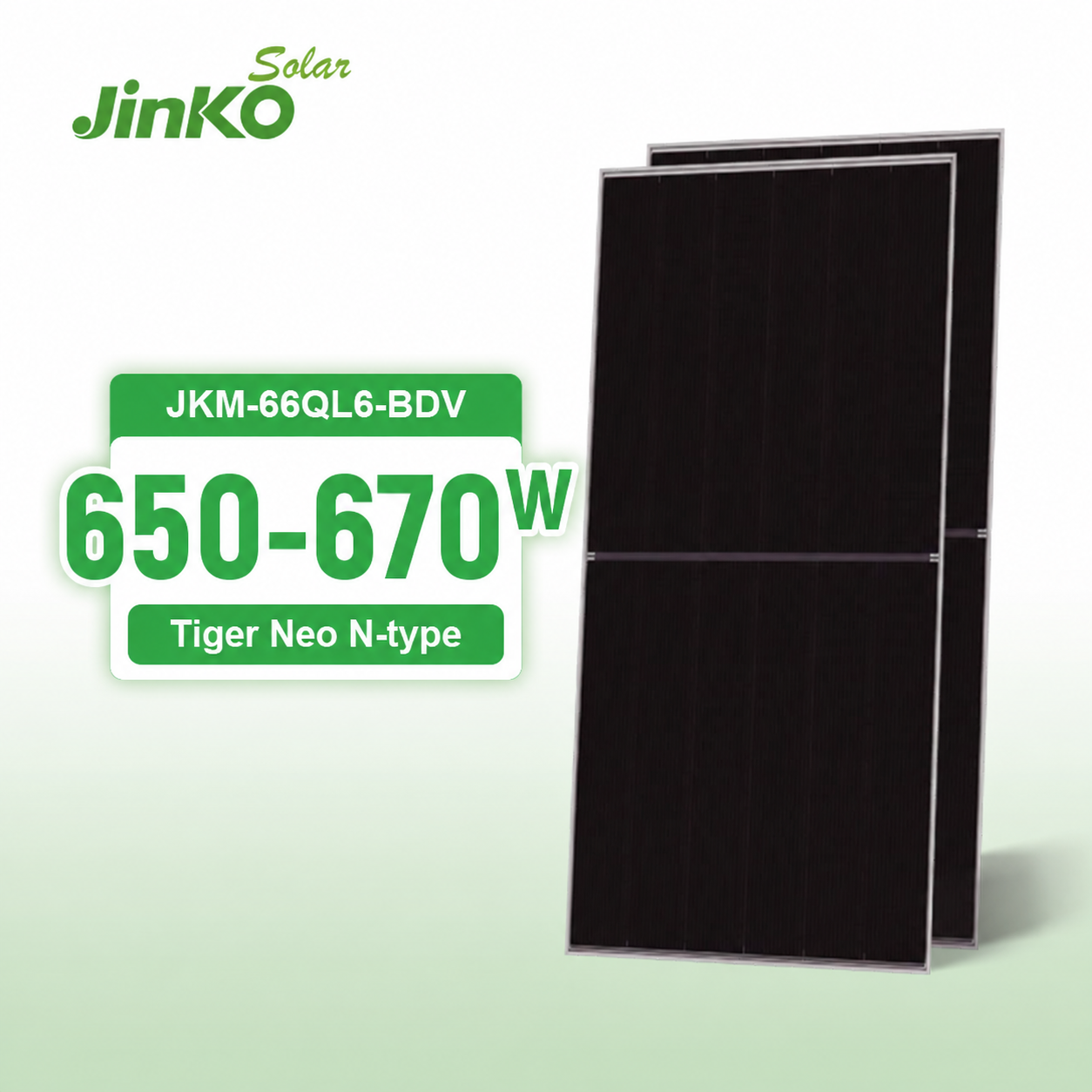
Jinko Monocrystalline Pv Panels 650W 625W 640W High Efficiency Bifacial Dual Glass Solar Module for Home Roof
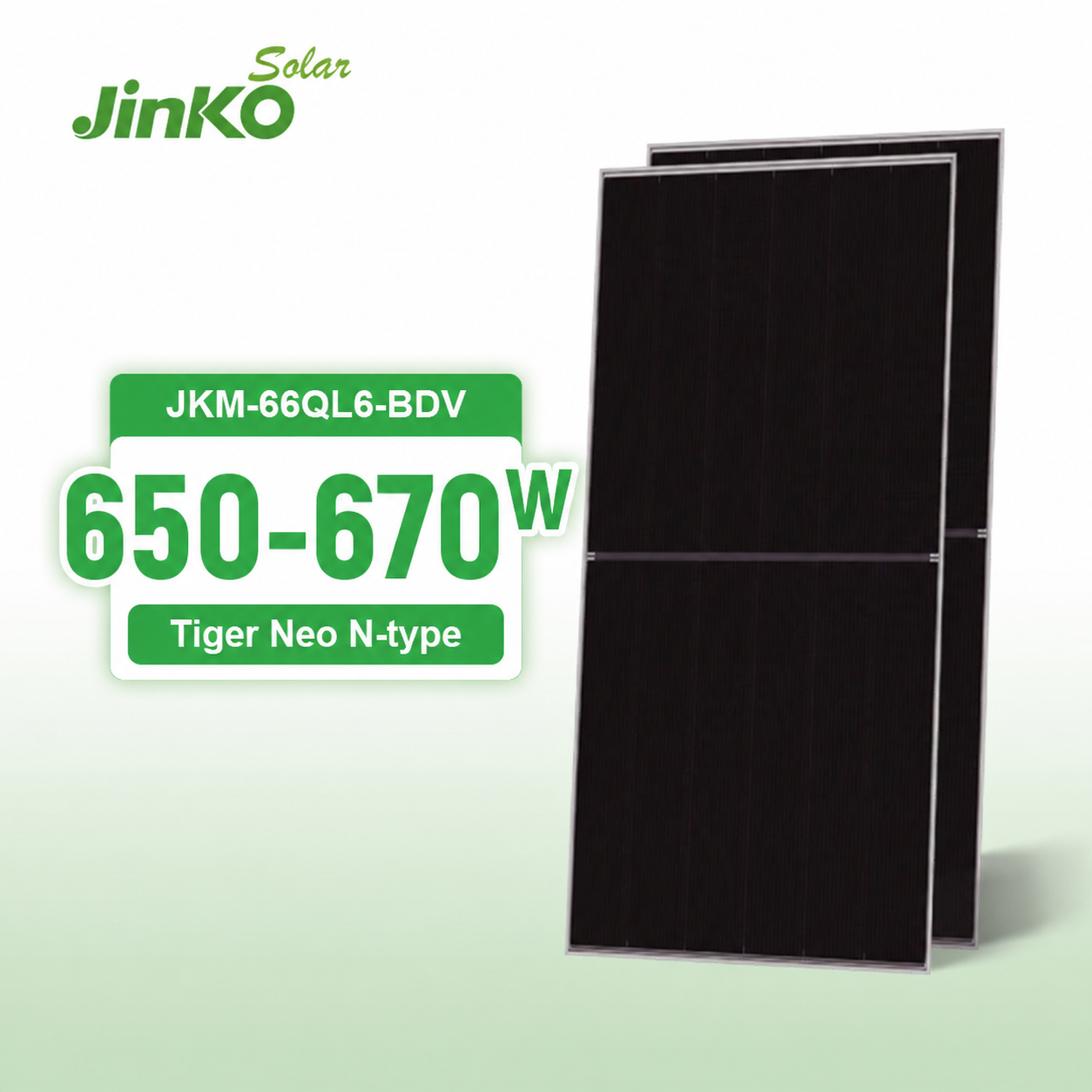
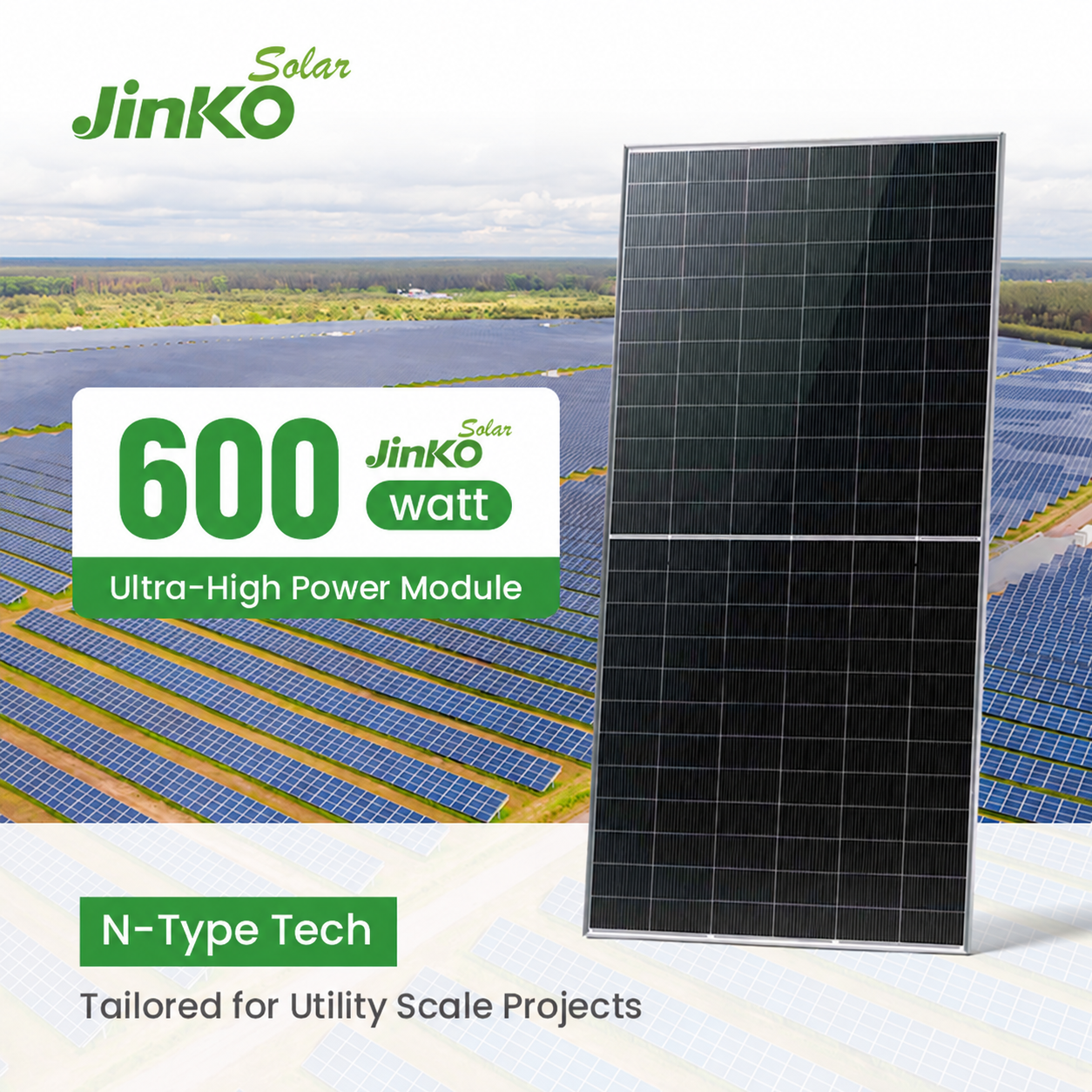
Jinko N Type Bifacial Solar Panels 600W 580W 595W TOPCon Double Glass High Efficiency Solar Module
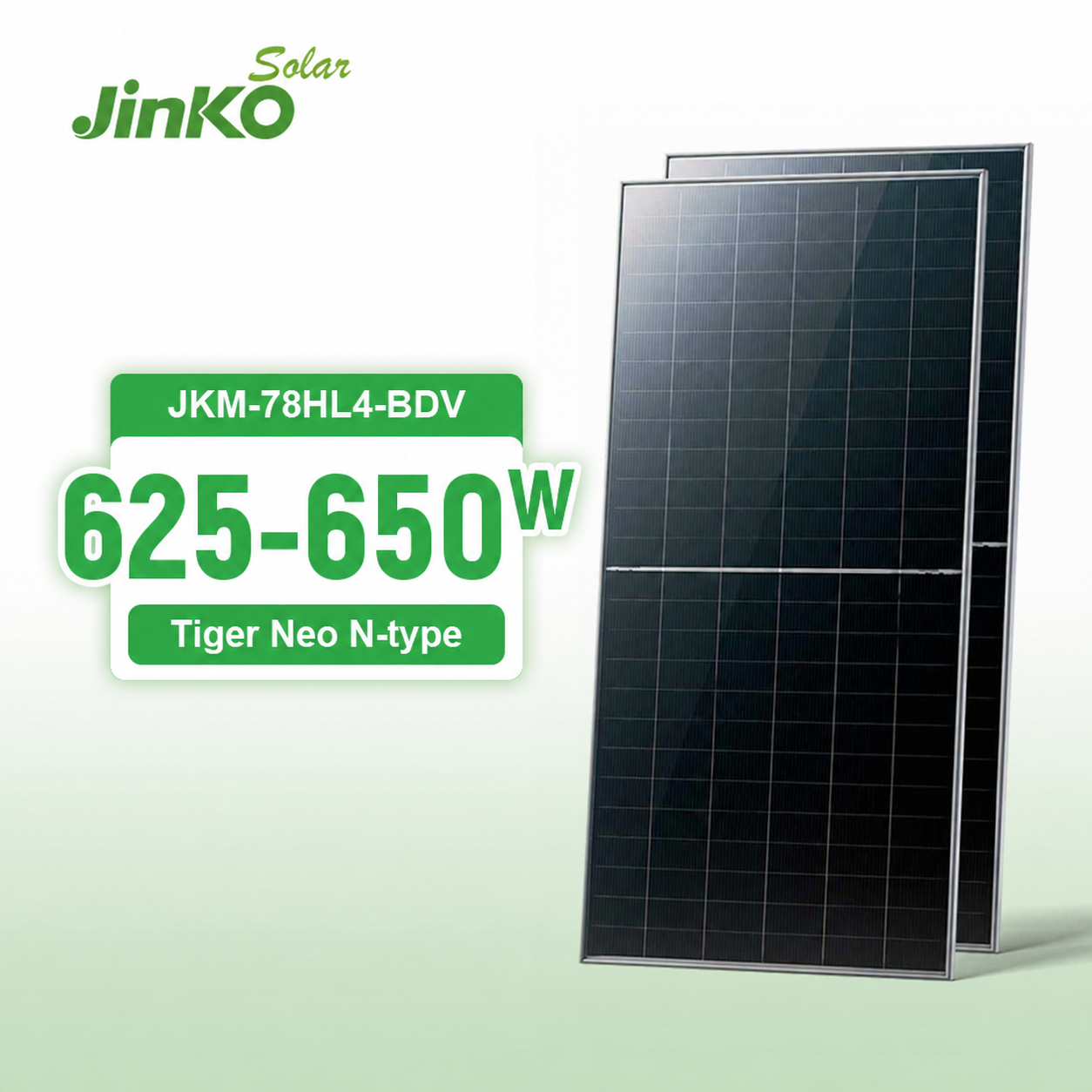
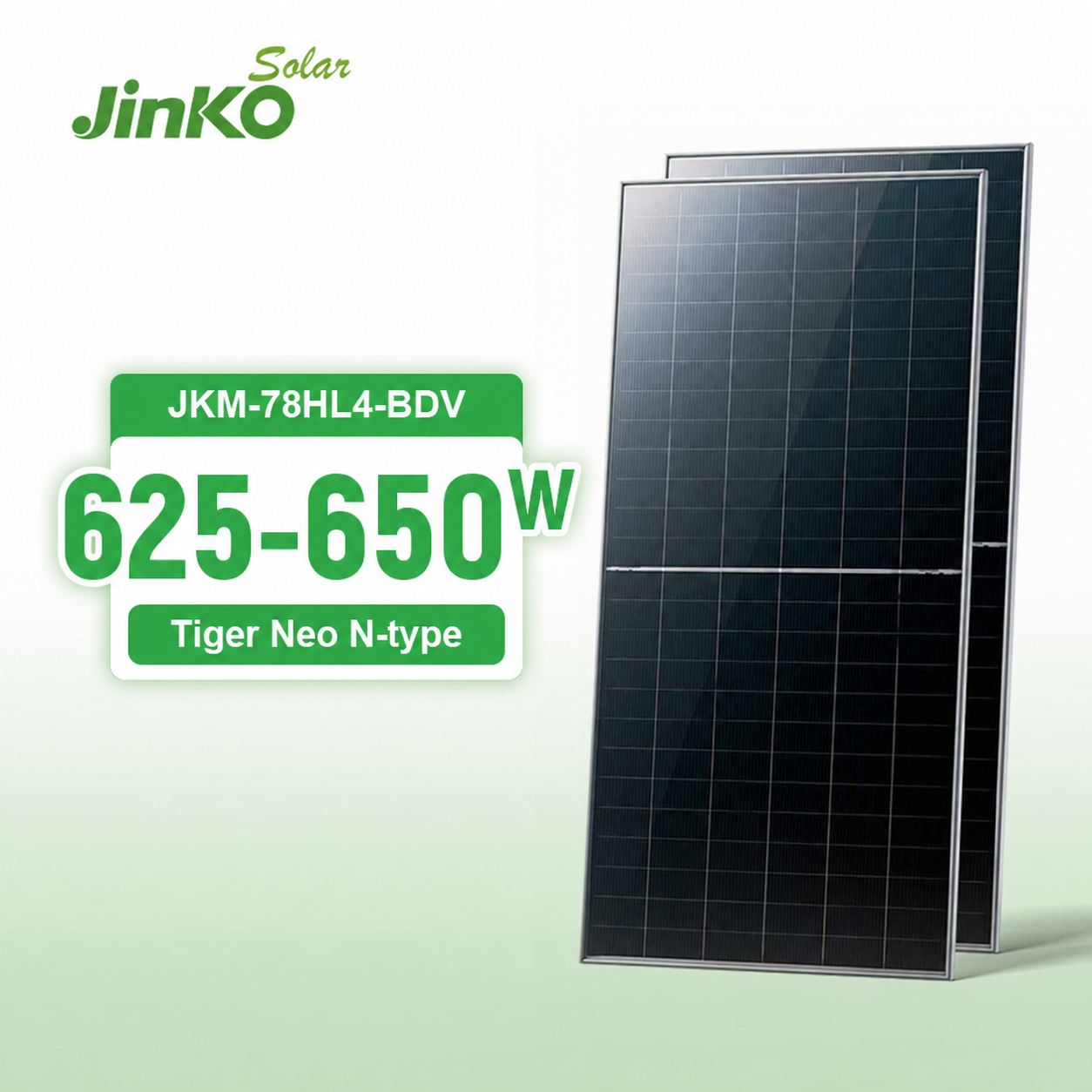
Jinko N Type Bifacial Pv Modules 630W 625W 635W Double Glass High Efficiency Solar Panel Stock
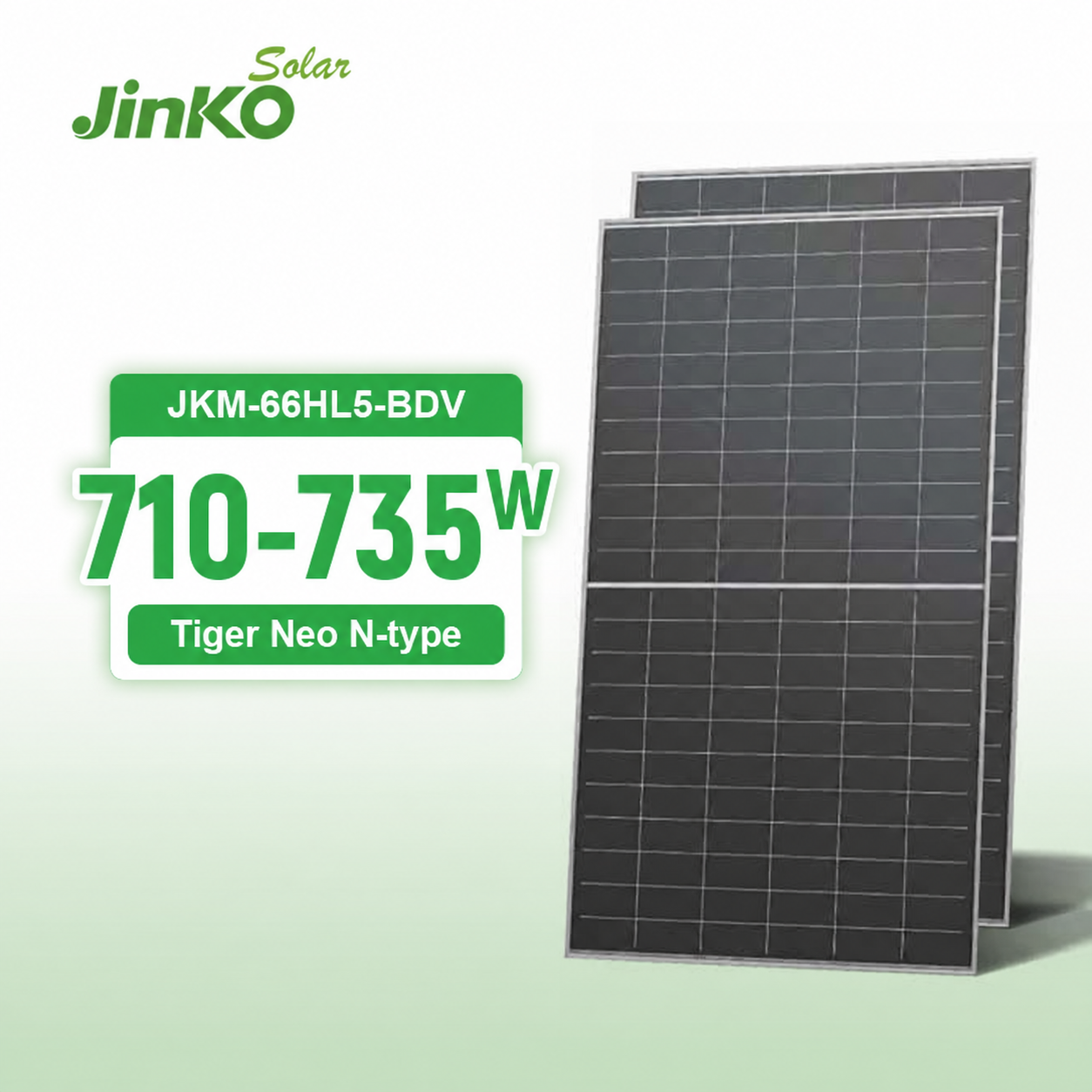
Jinko Wholesale Price 700 W 720W 730W 725W Bifacial TOPCon Double Glass High Efficiency Solar Module for House
Engineering Assessment: TOPCon Cell Architecture vs. Cartago's Meteorological Realities
Cartago experiences an average annual diffuse radiation ratio exceeding 42% due to moisture convergence across the Reventazón river basin and regular cloud condensation over the surrounding volcanic massif. Under these specific spectral conditions, traditional P-Type PERC cells suffer severe attenuation. The N-Type TOPCon cell architecture embedded across the Jinko modules supplied by VOLT New Energy resolves this issue through ultra-thin silicon oxide tunnel layers combined with phosphorus-doped polycrystalline silicon. This eliminates Boron-Oxygen Light-Induced Degradation (LID) and drastically minimizes Potential Induced Degradation (PID)—a vital insurance policy for installations subjected to morning dew and intense relative humidity across Cartago's agricultural plains.
Thermal Coefficient and Bifacial Albedo Yield
A critical metric for solar arrays in Costa Rica is temperature responsiveness. While Cartago enjoys cooler ambient temperatures than Pacific coastal regions (typically oscillating between 14°C and 26°C), roof surface temperatures in industrial corridors like Tres Ríos and Tejar can exceed 60°C under unhindered midday tropical insolation.
The N-type TOPCon modules highlighted above maintain a temperature coefficient of -0.30%/°C, compared to older legacy panels operating at -0.38%/°C. Over a 25-year operational lifecycle, this 0.08%/°C delta translates to thousands of additional kilowatt-hours generated during peak billing intervals. Furthermore, when deployed on elevated rapid-deployment ground racks or white thermoplastic polyolefin (TPO) industrial roofs, our bifacial modules harvest an additional 15% to 25% rear-side irradiance yield.
- Dual-Glass Hermetic Encapsulation: Eliminates water vapor ingress in 85%+ relative humidity zones.
- Mechanical Resilience: Certified for 5400 Pa front snow/water pressure and 2400 Pa severe wind uplift load.
- Bifaciality Factor: Exceeds 80% rear-surface generation efficiency for enhanced morning and evening capture.

Target Application Scenarios in Cartago & Surrounding Regions
How system designers, agricultural corporations, and manufacturing plants implement modular, foldable, and fixed solar-plus-storage platforms across local sub-districts.
Zona Franca La Lima & Industrial Corridors
Precision manufacturing, medical device assembly, and logistics warehouses throughout the Guarco district face stringent peak-demand electricity tariffs during 10:00 AM – 1:00 PM and 5:30 PM – 8:00 PM windows. High-capacity TOPCon modules paired with Deye hybrid inverters and low-voltage rack batteries enable substantial daytime peak shaving, lowering demand charges while feeding clean power directly into industrial 480V/208V busbars under JASEC interconnection agreements.
Highland Agro-Photovoltaics (Agrivoltaics)
Across the sloping volcanic terrains of Pacayas, Tierra Blanca, and Oreamuno, cash crops such as potatoes, onions, and specialty horticulture require high-efficiency drip irrigation and greenhouse climate automation. Foldable, transportable arrays and modular bifacial ground installations provide shaded canopy structures that moderate extreme soil evaporation while generating localized 3-phase pump power without running diesel lines across steep volcanic topography.
Ecotourism, Remote Lodges & Scientific Outposts
From Turrialba’s rafting lodges to Tapantí National Park research perimeters, remote operators prioritize clean, quiet off-grid microgrids. Foldable portable arrays and fast-erect bifacial frames deliver robust energy generation without disturbing sensitive soil biodiversity. Combined with VOLT lithium iron phosphate (LiFePO4) storage units, these systems eliminate nighttime generator rumble, preserving Costa Rica's pristine natural acoustic environment.
Costa Rican Regulatory Landscape: Law 10086 & Customs Optimization
Key legal frameworks, technical standards, and logistic workflows for seamless solar imports through Puerto Limón or Puerto Caldera.
Costa Rica has positioned itself as an international benchmark for renewable electricity generation, relying heavily on hydroelectric, geothermal, and wind resources. However, climate anomalies such as El Niño periodically trigger severe reservoir droughts, resulting in spot market price escalations and grid stress. To address this, the Costa Rican Legislative Assembly enacted Law 10086 (Ley para Promover y Regular los Recursos Energéticos Distribuidos a partir de Fuentes Renovables). This statute completely modernized distributed generation across the country, establishing legal mechanisms for:
- Self-Consumption Net Metering (Net Billing): Direct credit offsetting against JASEC or ICE retail bills for surplus solar kilowatt-hours injected into the distribution circuit.
- Interconnection Standardization via ARESEP: The Regulatory Authority for Public Services (ARESEP) enforces strict anti-islanding, harmonic distortion, and frequency ride-through thresholds matching UL 1741-SA and IEEE 1547.
- Fiscal Exemption under Law 7447: Duly verified solar panels, inverters, and battery banks imported into Costa Rica qualify for exemption from the 13% Value Added Tax (IVA) and import tariffs upon MINAE (Ministerio de Ambiente y Energía) accreditation.
When sourcing solar assets directly from Hangzhou VOLT New Energy, Cartago importers receive a fully audited documentation bundle. We supply IEC 61215 and IEC 61730 test certifications for Jinko modules, CE and UL test summaries for Deye inverters, and Class 9 UN38.3 transport reports with full Material Safety Data Sheets (MSDS) for energy storage cells. This comprehensive compliance paperwork ensures zero customs delays at either Puerto Limón (Atlantic corridor, 130 km from Cartago via Route 32) or Puerto Caldera (Pacific entry point).

Why International B2B Buyers Partner with VOLT New Energy
Headquartered in Hangzhou, Zhejiang, Hangzhou VOLT New Energy Technology Co., Ltd. operates as a specialized supplier and integrated systems exporter. Rather than shipping isolated, unverified components, our engineers verify electrical matching before goods are packed into export shipping containers.
- Pre-Shipment Protocol Verification: CAN/RS485 closed-loop communication between VOLT LFP battery BMS units and Deye hybrid inverters is bench-tested prior to dispatch.
- Consolidated Container Logistics: We consolidate high-wattage Jinko panels, lithium batteries, hybrid inverters, and mounting frames into single 20GP/40HQ containers, cutting per-watt freight expenses.
- End-to-End Engineering Support: From daily load analysis to single-line electrical schematics, we equip your local installation crews with turnkey technical drawings.
Frequently Asked Questions by Cartago Solar Engineers
Direct technical answers addressing the most common questions raised by regional distributors, project developers, and EPC technicians.
How do foldable and modular rapid-deployment solar panels perform against Cartago’s high humidity and rainfall? +
Can bifacial solar panels generate sufficient rear-side yield on Costa Rican volcanic soil or agricultural mulch? +
What is the procedure for interconnecting a solar + storage system to the JASEC electrical grid under Law 10086? +
How does Hangzhou VOLT New Energy ensure battery and inverter compatibility before export shipping? +
What shipping routes and transit times apply for maritime freight to Cartago, Costa Rica? +
How are warranty claims handled for equipment operating in Central America? +
Ready to Engineer Your Cartago Solar Project?
Connect directly with our senior applications engineers to obtain wholesale container pricing, system sizing calculations, and certified customs documentation packages for Cartago distribution and EPC projects.
Contact Us