Commercial Solar
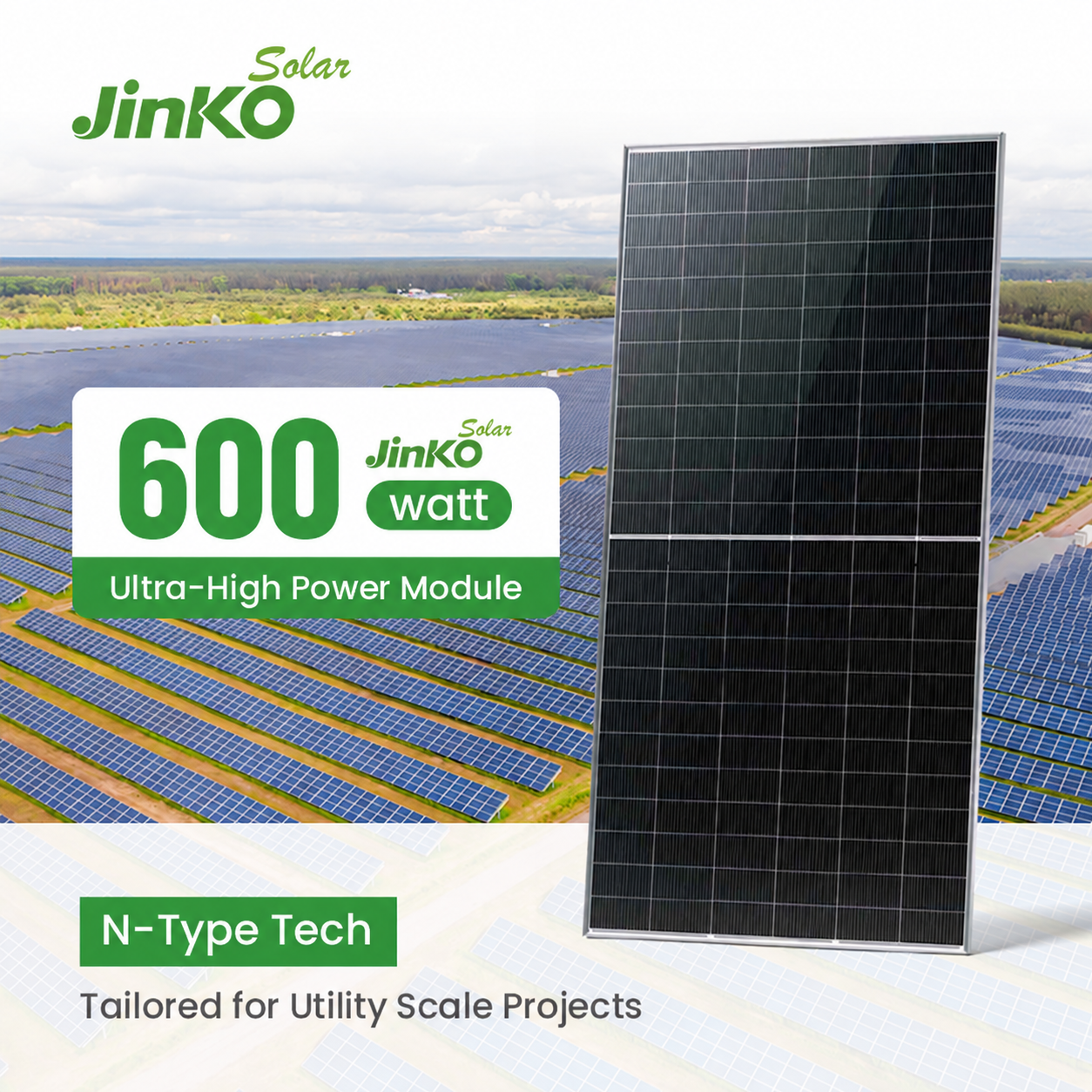
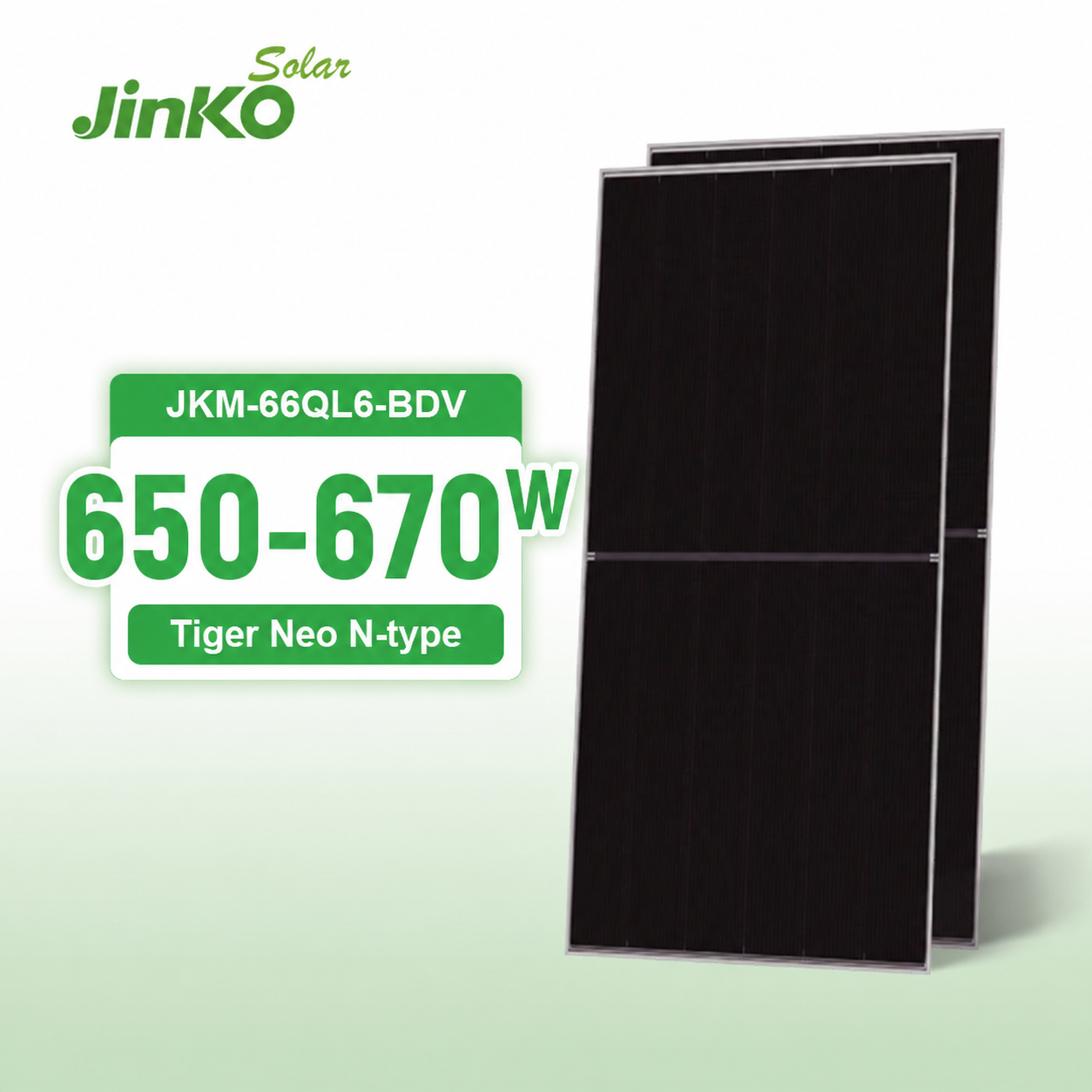
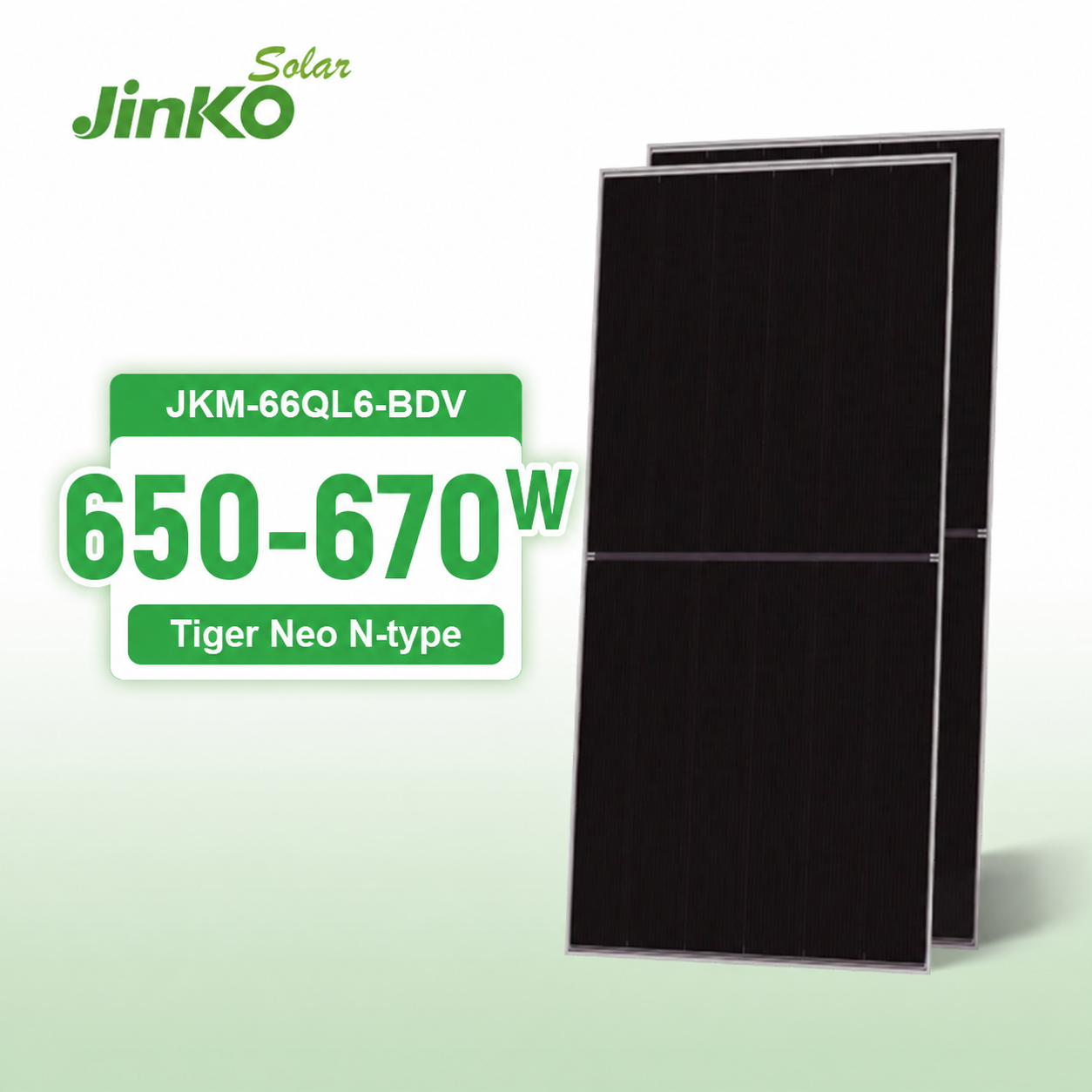
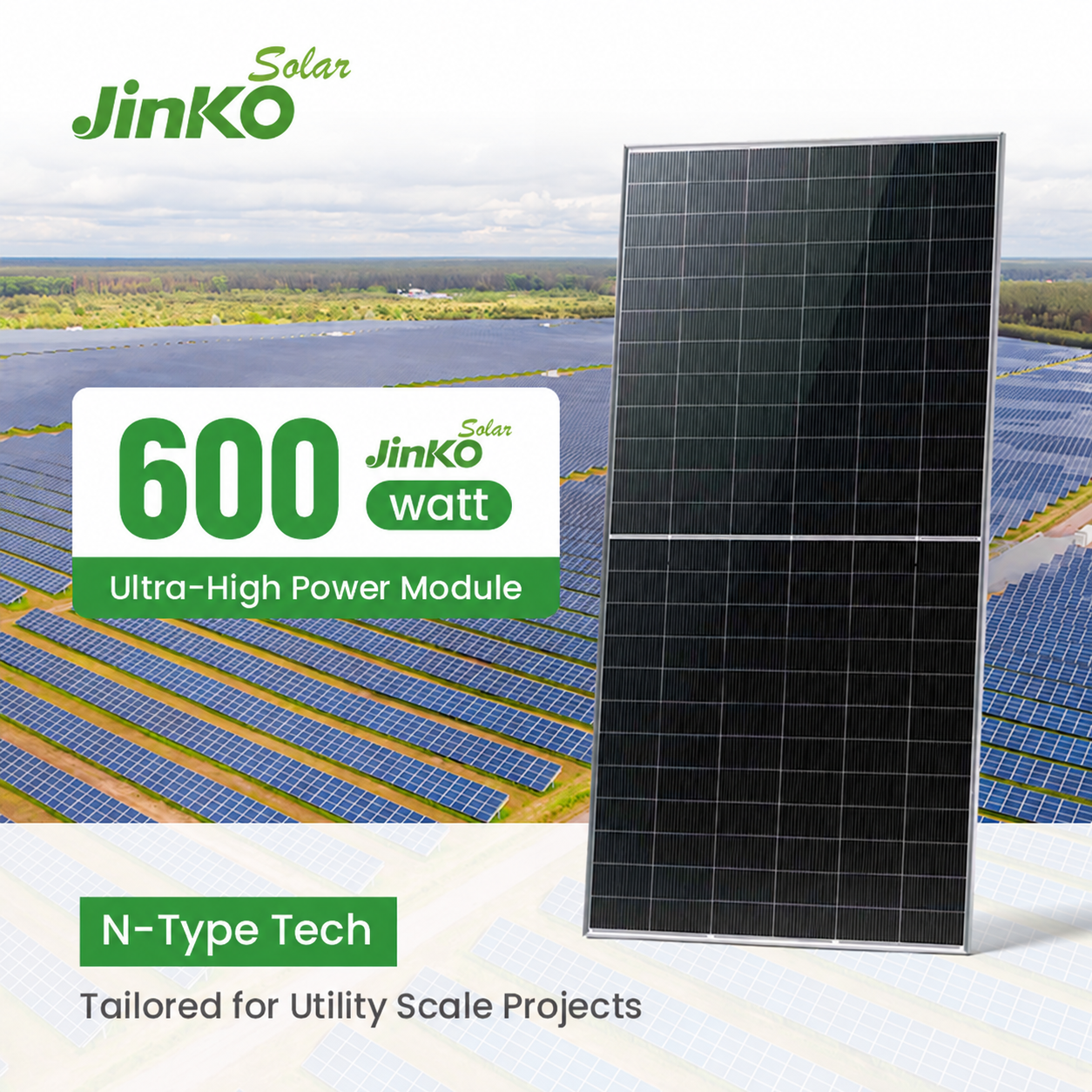
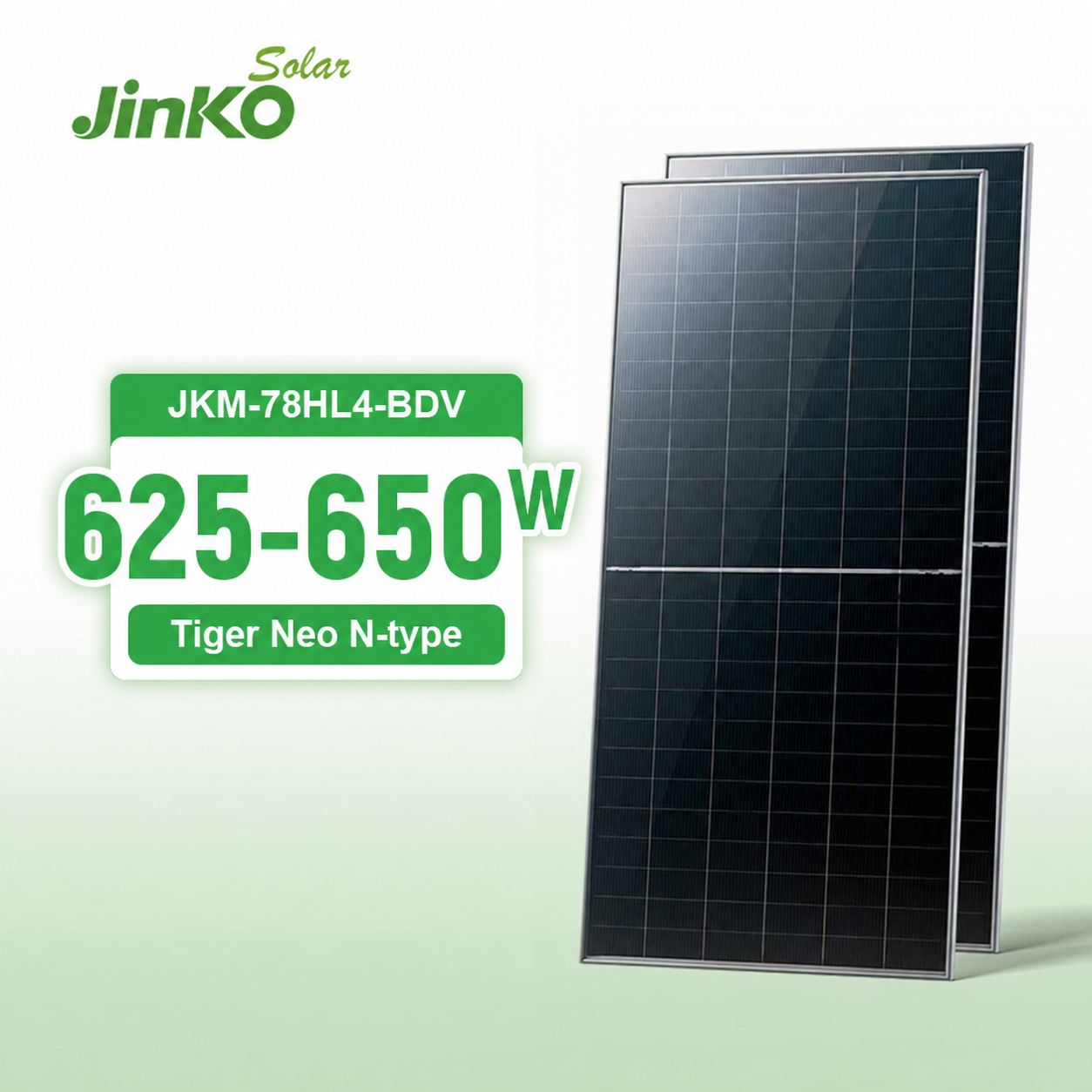
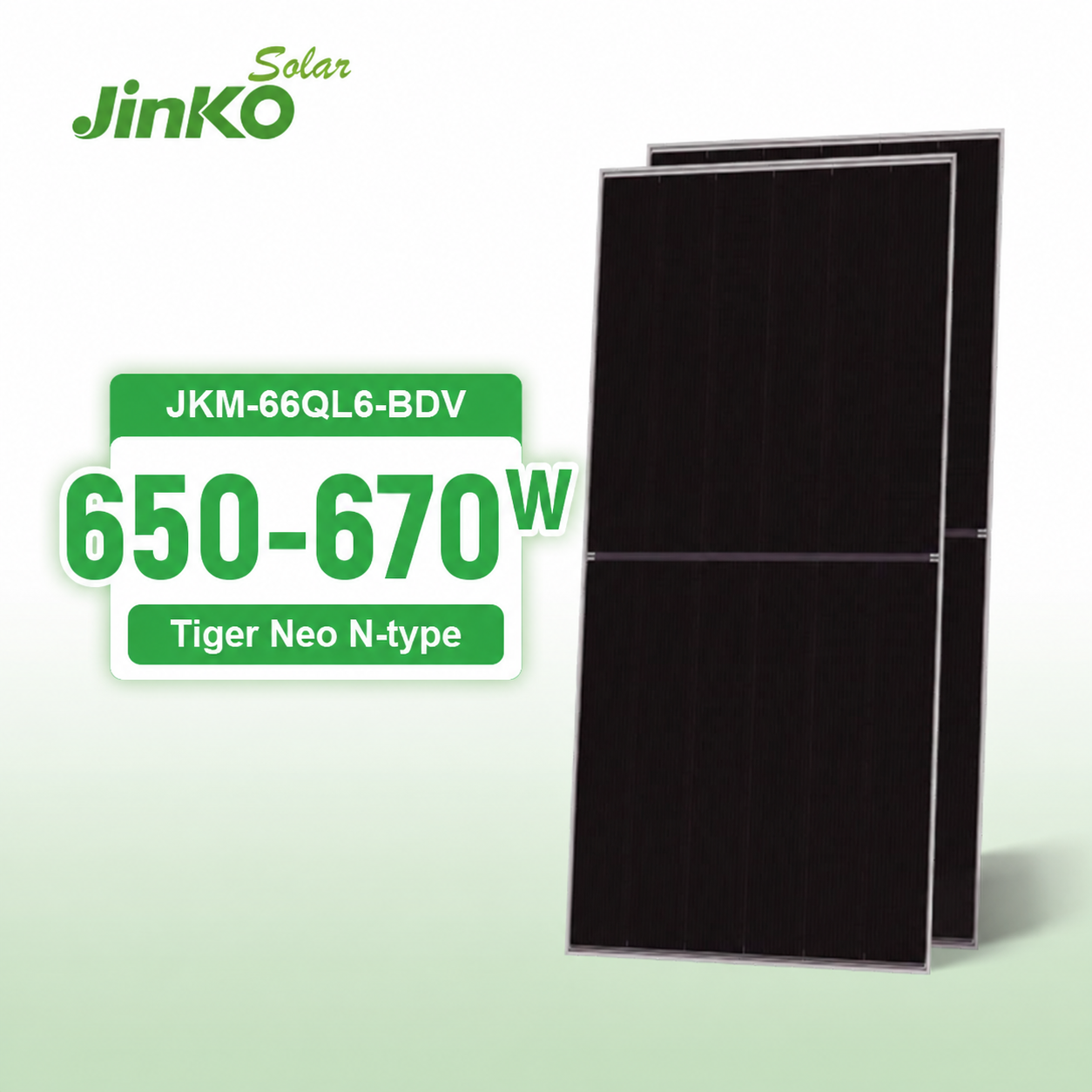
Jinko N Type Bifacial Photovoltaic Panels 600W 585W 595W TOPCon Solar Module for Commercial
Efficiency: 22.45%
Bifaciality: 80±5%
Pre-sorted high-wattage, dual-glass bifacial modules engineered with zero Light-Induced Degradation (LID) and marine-grade anti-corrosion edge encapsulation.
Average TOPCon Cell Efficiency in High Irradiance
Ultra-Low Pmax Temperature Coefficient for Bahamian Heat
Hurricane Mechanical Wind Load Design Rating (Dual Glass)
Levelized Cost of Energy (LCOE) vs $0.44 BPL Grid Tariff
The photovoltaic landscape across the Northern Bahamas—specifically centered around the reconstruction and microgrid expansion in Marsh Harbour, Great Abaco—demands a departure from legacy P-type PERC (Passivated Emitter and Rear Cell) solar architecture. In an isolated island environment characterized by continuous airborne salinity, severe ambient UV saturation, and prolonged tropical thermal periods, Tunnel Oxide Passivated Contact (TOPCon) technology represents an evolutionary imperative rather than an incremental upgrade.
Manufactured using an ultrathin silicon oxide tunnel layer (approximately 1.5 to 2.0 nm) paired with an uncompensated n-doped polycrystalline silicon layer, TOPCon cells effectively decouple surface passivation from electrical contact resistance. This atomic-scale passivation minimizes carrier recombination velocities to below 5 cm/s. For Marsh Harbour commercial installers and EPC contractors importing via international sea freight, the practical implications are decisive:
| Performance Parameter | Legacy P-Type Mono PERC | Next-Gen N-Type TOPCon Dual-Glass | Engineering Benefit in Marsh Harbour |
|---|---|---|---|
| Cell Polarity & Dopant | P-Type (Boron Doped) | N-Type (Phosphorus Doped) | Eliminates B-O pair recombination; stable open-circuit voltage (Voc). |
| Pmax Temperature Coefficient | -0.35% / °C to -0.39% / °C | -0.29% / °C to -0.30% / °C | Retains higher operating voltage during peak July–August insolation. |
| Bifaciality Factor | 65% to 70% | 80% ± 5% | Capitalizes on Abaco's high-albedo white coral sand surfaces (albedo 0.60+). |
| First Year Degradation | 2.0% - 2.5% | ≤ 1.0% | Guarantees higher revenue yield for commercial loan amortizations. |
| Linear Annual Degradation | 0.55% / Year | 0.40% / Year | Yields at least 87.4% rated output at Year 30 vs. 80.2% on standard panels. |
| Vulnerability to PID (Moisture) | Moderate to High | Near Zero (POE + Dual Glass) | Impermeable to sodium-ion and water vapor migration along frame lines. |
From rebuilding high-wind coastal residences post-Dorian to powering critical cold storage and hospitality marinas, TOPCon modules deliver localized resilience.
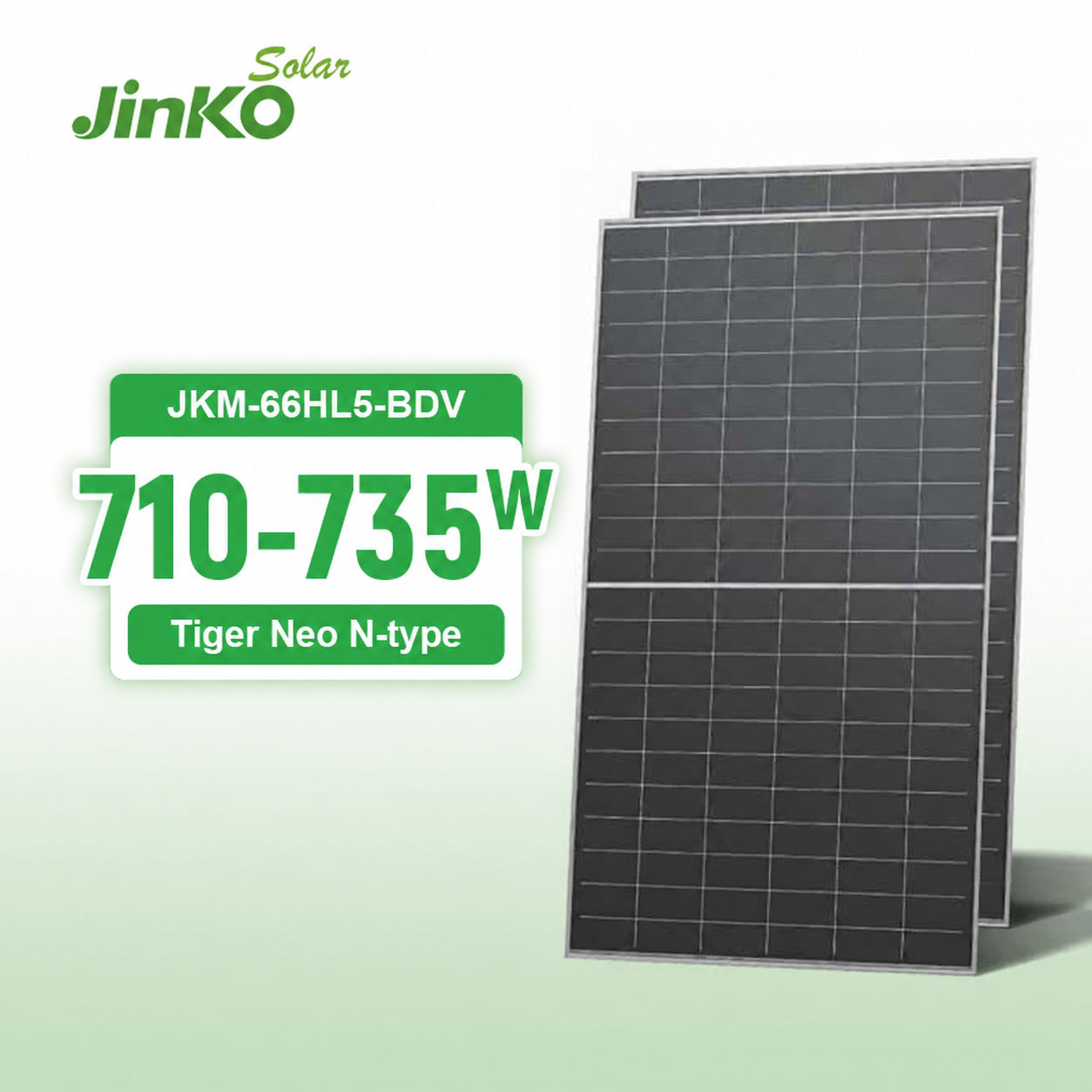
Marsh Harbour serves as the marine provisioning and mega-yacht hub of the Bahamas. Facilities at boat harbours and outer cays (Elbow Cay, Man-O-War, Guana Cay) rely on 100% off-grid or grid-tied hybrid battery architectures. Our 650W–720W dual-glass TOPCon panels integrate seamlessly with Deye three-phase low-voltage and high-voltage hybrid inverters to eliminate diesel reliance during docking surges.
Bahamas Power and Light (BPL) electricity charges frequently exceed $0.38–$0.48 per kWh due to volatile Fuel Charge Surcharges (FCS). Commercial warehouses, supermarkets, and reverse-osmosis water desalination plants across Marsh Harbour deploy rooftop TOPCon arrays to fix Levelized Cost of Energy below $0.09/kWh over a 30-year operational horizon.
Memory of Hurricane Dorian's 185 mph sustained winds dictates mechanical integrity specifications in Abaco. The dual-glass TOPCon panels we supply feature 2.0mm+2.0mm heat-strengthened front and rear glass matrices, achieving certified 5400 Pa front mechanical static load and 3600 Pa dynamic wind uplift endurance when fastened with dual-bolt clamp engineering.
The Commonwealth of The Bahamas National Energy Policy (NEP) and the Utilities Regulation and Competition Authority (URCA) framework have established a binding transition target: generating 30% of national energy from renewable resources by 2030. In the Family Islands, and specifically Abaco, this policy manifests not as utility-scale greenfield projects, but as decentralized, distributed commercial microgrids.
Historically, the Marsh Harbour electricity distribution feeder suffered extensive structural devastation. As private reconstruction matured, local building codes began mandating distributed energy resilience. Commercial developers, industrial fishery operators, and private island estates are systematically pivoting to high-density TOPCon modules for several structural reasons:
Hangzhou VOLT New Energy Technology Co., Ltd. bridges the gap between Tier-1 Chinese photovoltaic manufacturing lines and the logistical realities of Bahamian island ports.
We do not ship blind hardware. Every solar-plus-storage package undergoes pre-shipment bench testing to ensure full CAN/RS485 BMS communication protocol handshaking between our LFP lithium battery packs and Deye hybrid inverters prior to container seal.
Full international certification handling for maritime transit, including UN38.3 test summaries, MSDS documentation, and compliant container packaging for consolidated lithium batteries, inverters, and solar panels in unified shipments.
All Jinko TOPCon modules supplied through our export channels feature IEC 61701 Severity 6 salt mist corrosion certification, anodized 35mm aluminium alloy frames, and IP68 sealed weatherproof junction boxes to survive Bahamian marine spray.
Our engineering department provides Bahamian EPCs with comprehensive string sizing calculations, open-circuit voltage margin analysis against coastal temperature swings, and detailed single-line electrical schematics tailored to local electrical inspectorate standards.
Direct technical and logistical answers for project engineers, procurement officers, and resort facility directors.
Standard glass-backsheet modules suffer severe cell micro-cracking and laminate delamination when subjected to high-frequency cyclic wind flutter. The Jinko TOPCon modules we supply feature symmetrical 2.0mm front and 2.0mm rear heat-strengthened tempered glass. This dual-glass sandwich construction shifts the mechanical neutral axis directly into the silicon cell matrix, virtually eliminating mechanical deflection stress. When installed with high-grade Caribbean ground racking or engineered roof clamps, they easily meet the Florida Building Code / Bahamian hurricane wind uplift standards exceeding 180 mph (5400 Pa mechanical load rating).
Shipments typically depart from Ningbo or Shanghai Port, traversing via standard maritime container shipping routes to intermediate transshipment hubs (such as Kingston, Jamaica; Freeport, Grand Bahama; or Port of Palm Beach / Miami, Florida) before final roll-on/roll-off (RoRo) or container barge delivery into Marsh Harbour Port. Typical ocean transit spans 35 to 45 days. VOLT New Energy coordinates all export declaration forms, Bill of Lading documentation, and commercial invoicing to facilitate expedited Bahamian Customs clearance.
Yes. Under the Commonwealth of The Bahamas Tariff Act amendments intended to accelerate the National Energy Policy, approved renewable energy generation equipment—specifically including photovoltaic solar panels, specialized solar inverters, and dedicated deep-cycle solar battery banks—is eligible for 0% customs import duty rate status. Importers remain responsible for standard Value Added Tax (VAT) and local port processing fees, which are calculated against the CIF value supported by our transparent commercial export documentation.
Bifacial TOPCon panels absorb light from both faces, boasting an industry-leading bifaciality coefficient of 80±5%. In the Marsh Harbour environment, where installations are frequently erected over light-colored crushed limestone gravel, white coral sand, or reflective thermoplastic polyolefin (TPO) white membrane flat commercial roofs, the albedo reflection index reaches 0.60 to 0.75. This optical rear-surface irradiation generates an empirical secondary energy harvest yield boost of 15% to 25%, drastically lowering the effective levelized balance-of-system cost.
Absolutely. One of VOLT New Energy’s primary operational competencies is consolidated system integration. Rather than dealing with fragmented suppliers across multiple Chinese industrial zones, buyers can consolidate Jinko N-Type TOPCon modules, Deye hybrid single/three-phase inverters, and our high-density LiFePO4 rack-mount or wall-hung battery banks inside a unified 40-foot HQ container. We oversee Dangerous Goods (Class 9) sea-packing certification, minimizing local demurrage and single-shipment clearing overhead at Marsh Harbour.
Modules deployed across the Abaco coastline face high airborne sodium chloride concentrations that corrode inferior aluminium alloys. Our export-grade TOPCon modules are certified according to IEC 61701 (Salt Mist Corrosion Testing, Severity Level 6, which entails grueling cyclic exposure to salt spray and high humidity). Frames feature minimum 15-micron anodic oxidation protection, specialized polyolefin (POE) encapsulation that completely resists moisture-induced Potential-Induced Degradation (PID), and genuine IP68 weatherproof junction boxes with UV-stabilized bypass diodes.
Request factory proforma invoicing, container freight packing schedules, and verified engineering datasheets for Bahamian microgrid approval.