High-Efficiency N-Type TOPCon Solar Modules
Specifically engineered with dual-glass encapsulation, zero light-induced degradation (LID), and superior low-irradiance Caribbean spectral response.
Why N-Type TOPCon Technology Dominates Kingstown Deployments
Addressing high operating temperatures, maritime coastal salinity, and tropical cyclone pressure coefficients across Saint Vincent and the Grenadines.
The Levelized Cost of Electricity (LCOE) Equation in Island Grids
In Kingstown, electricity generated from imported heavy fuel oil and diesel historically drives residential and commercial tariffs up to USD $0.38–$0.46 per kilowatt-hour. Deploying high-efficiency PV arrays is no longer merely an environmental statement; it is a fiscal necessity for resort owners, cold storage facilities, and municipal water pumping stations. However, traditional P-Type PERC panels suffer severe thermal degradation in tropical atmospheres, forfeiting up to 14% of their theoretical yield under midday 33°C ambient conditions.
| Performance Characteristic | Legacy P-Type PERC | Next-Gen N-Type TOPCon (VOLT Supplied) | Engineering Benefit in SVG |
|---|---|---|---|
| Pmax Temperature Coefficient | -0.35% / °C | -0.30% / °C | +2.5% to +3.8% higher actual yield under midday 65°C cell roof temps |
| Bifaciality Factor | 65% - 70% | 80% - 85% | Substantial backside generation from light-colored crushed coral gravel |
| First-Year Power Degradation | 2.0% (LID Risk) | < 1.0% (Zero Boron-Oxygen LID) | Eliminates light-induced losses during high-UV Caribbean summers |
| Annual Linear Degradation | 0.55% / Year | 0.40% / Year | Guarantees 87.4% nominal power output at year 30 |
| Encapsulation Architecture | Single Glass + Backsheet | Dual-Glass (2.0mm + 2.0mm POE) | Zero water vapor ingress, impervious to marine salt-mist corrosion |
Tunnel Oxide Passivated Contact (TOPCon) Physics: TOPCon architecture incorporates an ultra-thin tunnel oxide layer (typically 1.5 to 2.0 nm) paired with an n-doped polycrystalline silicon layer atop the crystalline silicon substrate. This quantum mechanical structure drastically lowers surface carrier recombination velocity while establishing a near-frictionless pathway for electron transport. For EPC contractors and electrical engineers working with VINLEC (St. Vincent Electricity Services Limited), this ensures minimum impedance loss, superior low-light performance during heavy overcast tropical squalls, and higher string voltages that optimize inverter MPPT clipping thresholds.
Furthermore, our factory packages modules with POE (Polyolefin Elastomer) encapsulation instead of conventional EVA. In tropical marine microclimates characterized by relative humidity continuously oscillating between 75% and 92%, EVA undergoes hydrolytic degradation, producing acetic acid that accelerates internal solder-joint corrosion and potential-induced degradation (PID). POE eliminates acid generation completely, achieving compliance with IEC 61701 Severity Level 6 Salt Mist Testing.
Mission-Critical Application Scenarios in Kingstown & SVG
From the busy commercial wharves of Port Kingstown to isolated luxury eco-resorts across the Grenadine Archipelago.
Port Kingstown Commercial Logistics & Cold Storage
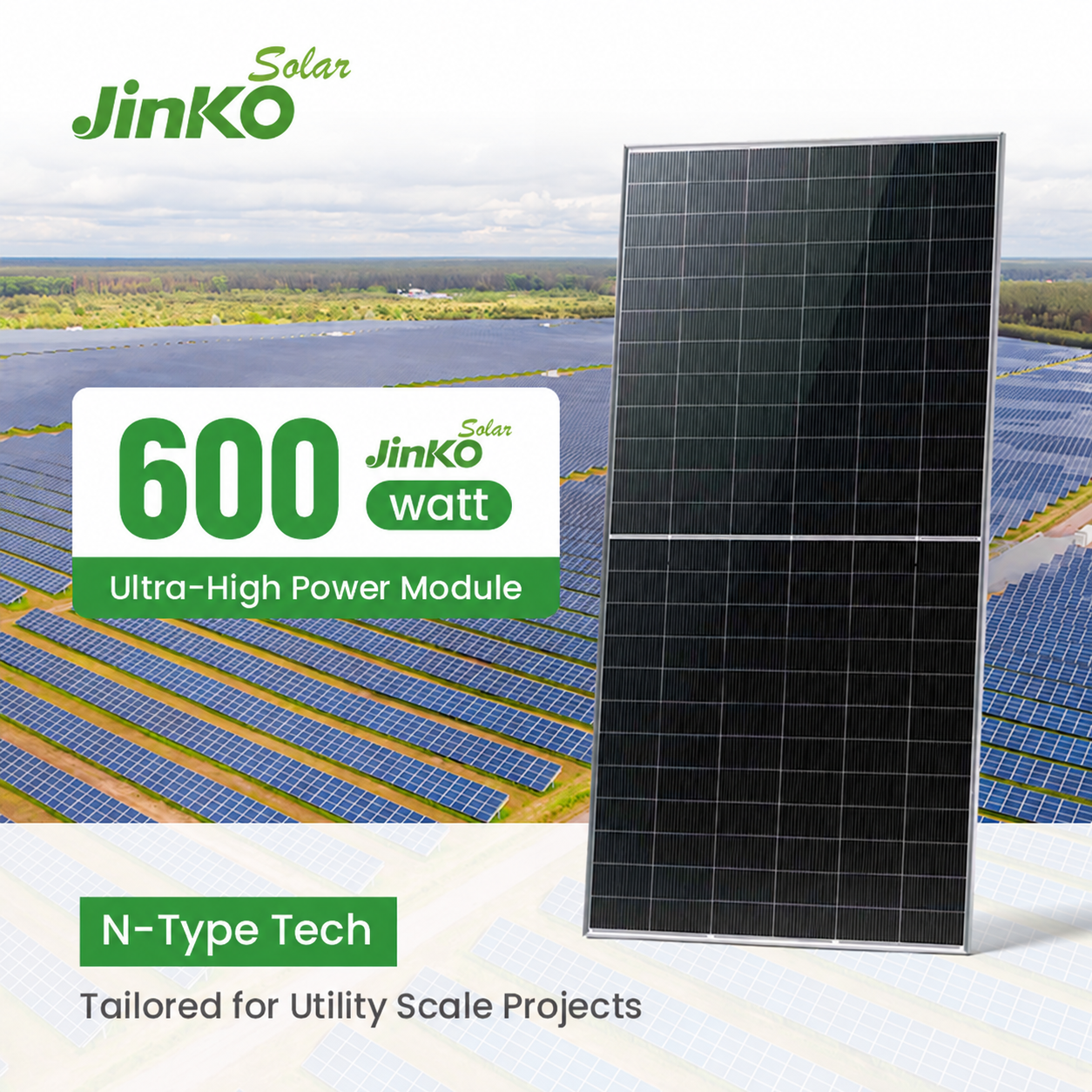
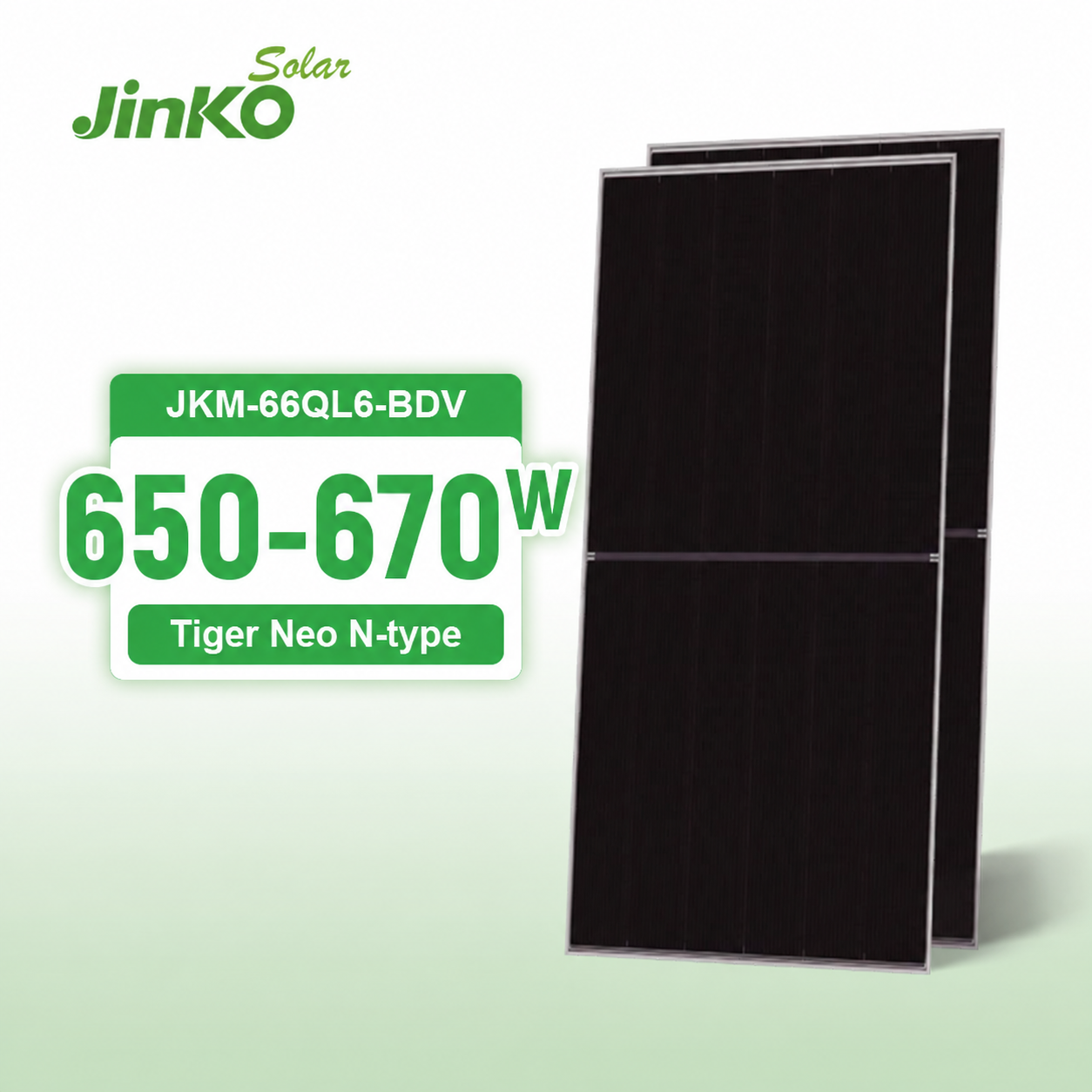
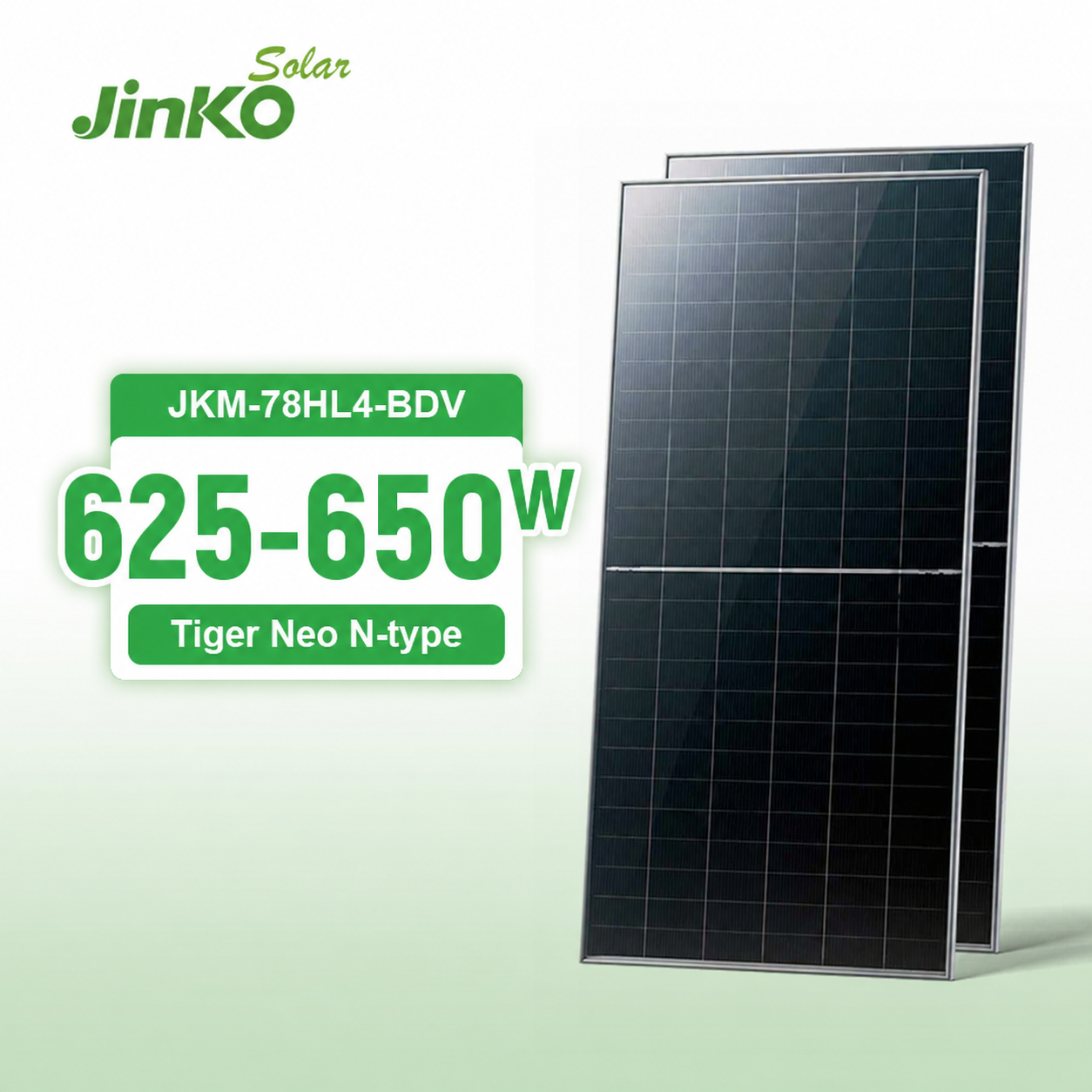
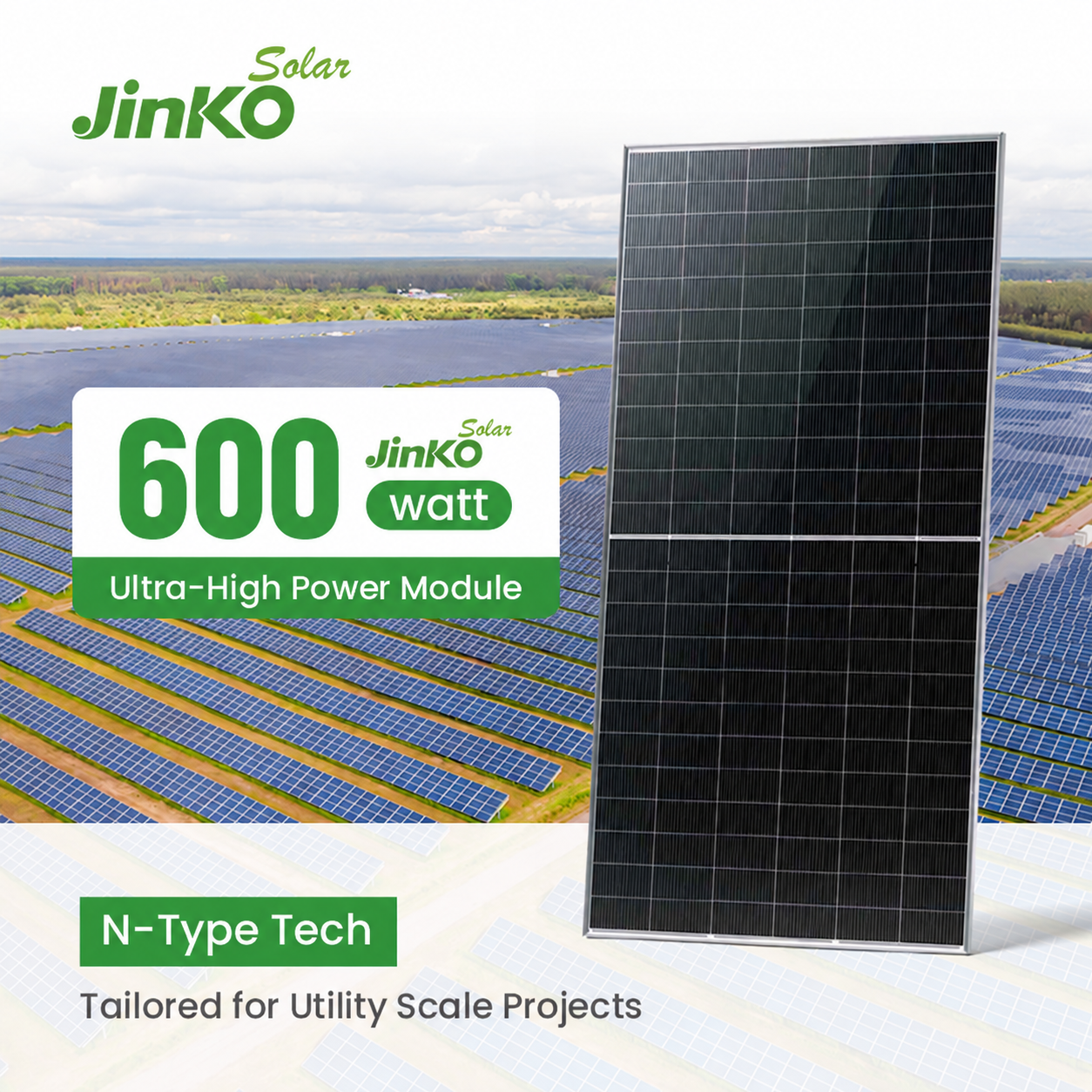
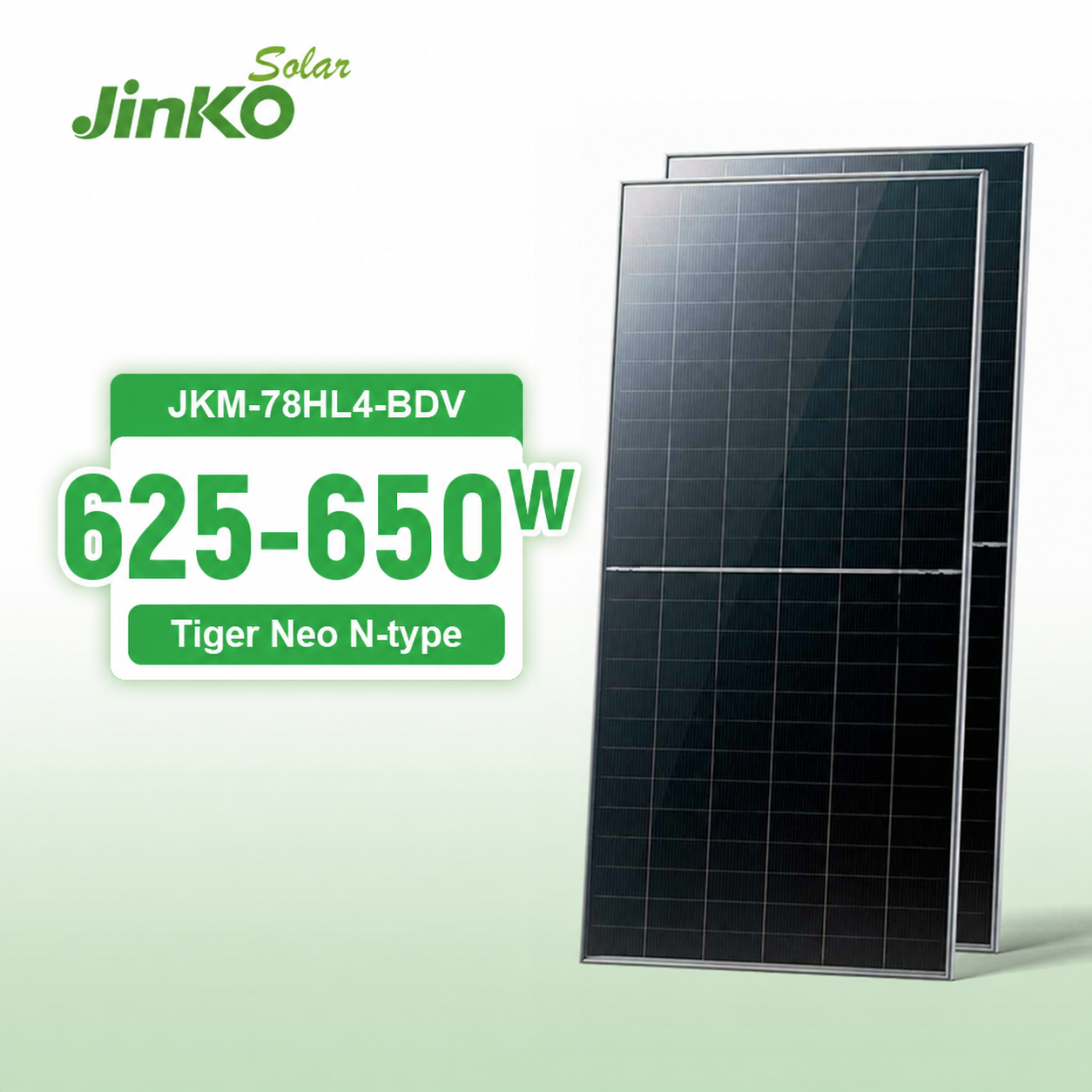
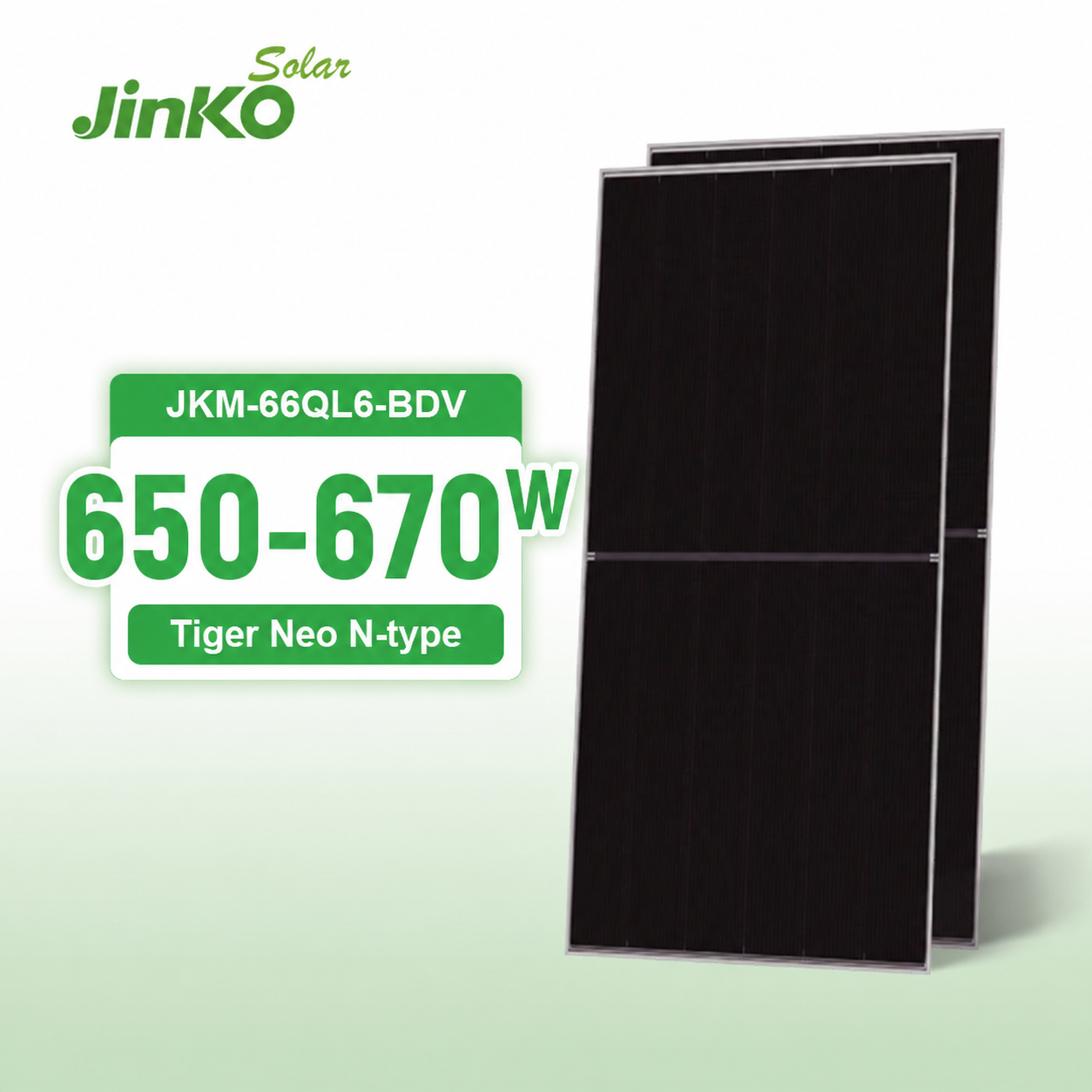
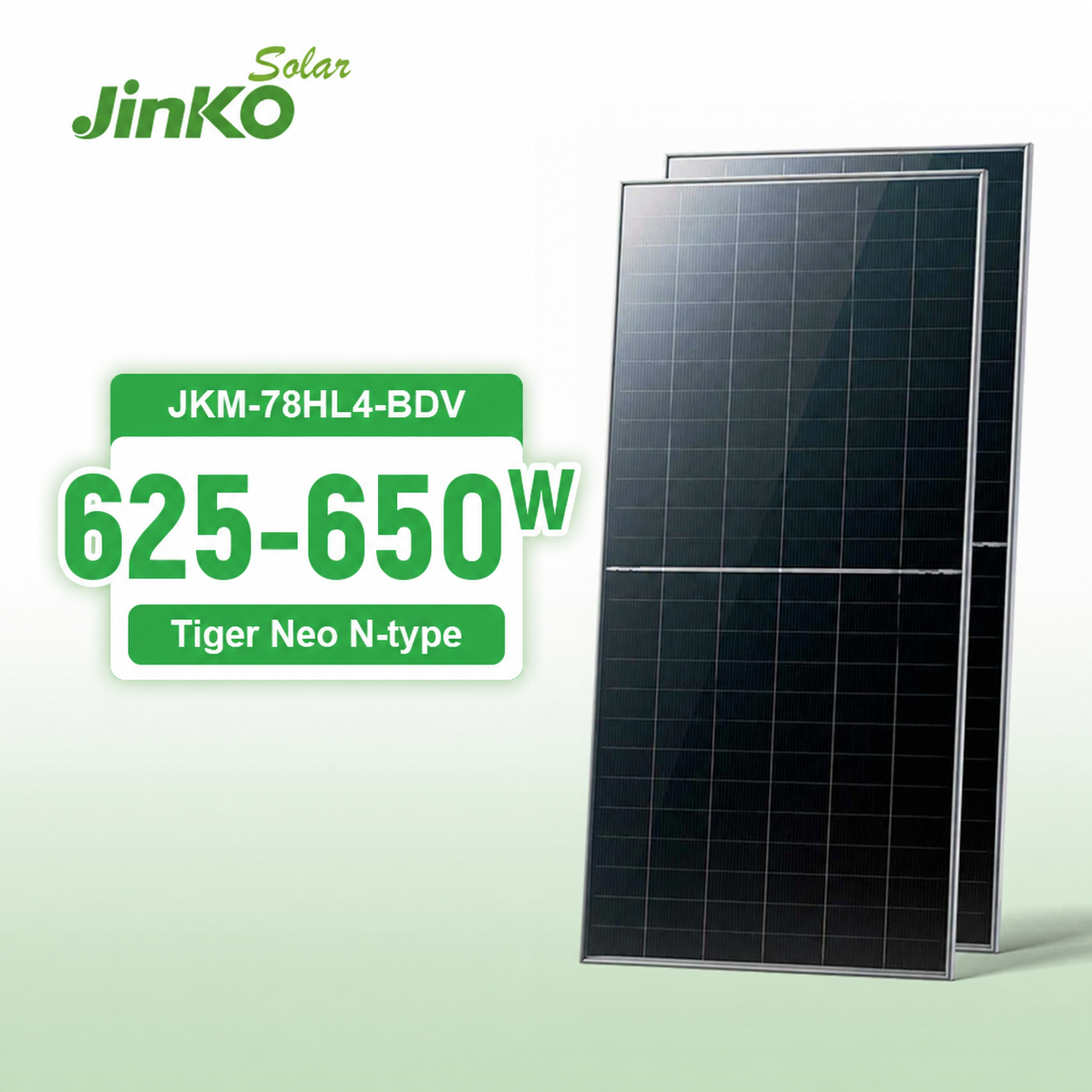
Logistics operators, fishery depots, and portside warehouses in Kingstown face steep electricity surcharges to maintain continuous cold chains. Our 625W–670W dual-glass TOPCon arrays mounted on standing seam metal rooftops withstand 160 mph cyclonic gusts while offsetting massive compressor loads during peak irradiance hours.
Grenadines Off-Grid Island Microgrids (Bequia, Mustique, Canouan)
Outer islands in the archipelago frequently depend on decentralized diesel generators with high logistics and barging fuel costs. Pairing bifacial TOPCon panels over white crushed coral ground beds captures 15–20% rear albedo gain, paired directly with rack-mounted LFP batteries to create 100% autonomous resort microgrids.
Mesopotamia Valley Agro-Processing & Water Pumping
Inland agricultural developments in Saint Vincent utilize ground-mounted TOPCon strings to energize precision drip irrigation and banana processing plants. The elevated framing configuration accommodates agricultural land use beneath the bifacial modules while shielding roots from intense tropical heat waves.
Saint Vincent & the Grenadines Clean Energy Trends
Aligning photovoltaic factory procurement with national resilience agendas and decarbonization initiatives.

VINLEC Grid Modernization
The state utility is actively fostering grid-interconnection guidelines to stabilize island mini-grids. Fast-response hybrid inverters capable of frequency regulation and zero-export control are mandated to ensure grid reliability during sudden cloud transitions.

Hurricane Hardening Mandate
Following historical Caribbean cyclone seasons, the SVG planning authorities require photovoltaic mounting and module frames certified to survive Category 4 and 5 cyclonic uplift pressures without mechanical shear or cell micro-cracking.
Eco-Resort Carbon Neutrality
Luxury tourism operators across Saint Vincent and the Grenadines are setting zero-emission benchmarks. Solar installations serve as premium branding elements, replacing noisy diesel generators with silent solar-plus-storage architecture.

Direct Factory Logistics
Kingstown distributors are bypassing multi-tiered Caribbean intermediaries. Consolidated shipping directly from our Hangzhou manufacturing hub cuts out 18–25% in stacked distributor markups while ensuring direct Tier-1 serial warranties.
Why International EPCs & Caribbean Importers Rely on VOLT
Bridging Tier-1 manufacturing excellence with comprehensive engineering verification and specialized maritime logistics.
Pre-Shipment Protocol Verification
Importers lose crucial project time when inverters fail to handshake with battery BMS units. At VOLT, every order undergoes a benchtop CAN/RS485 communication matching test between Deye inverters and our LFP packs before container sealing.
Tier-1 Component Traceability
We supply Jinko N-Type TOPCon panels backed by original factory barcode verifications, complete factory flash-test reports (EL inspection data), and direct 12-to-25 year product warranties combined with 30-year linear performance backing.
Dangerous Goods (Class 9) Logistics
Consolidating lithium batteries (UN3480) with PV panels and aluminum racking requires specialized hazardous maritime documentation. VOLT manages certified UN38.3 packaging, MSDS certification, and sea-freight booking straight to Port Kingstown.
Turnkey System Integration
Rather than sourcing mismatched hardware from fragmented suppliers, VOLT engineers calculate comprehensive load profiles, sizing PV arrays, hybrid inverters, DC combiners, surge arrestors, and battery banks into a unified, plug-and-play bill of materials.
Frequently Asked Questions for Solar Procurement in Kingstown
Addressing shipping routes, customs tariffs, VINLEC compatibility, and storm survival parameters.
What is the typical shipping lead time and routing from Ningbo/Shanghai to Port Kingstown?
How do dual-glass TOPCon panels survive Category 5 cyclonic hurricanes in SVG?
Can we consolidate solar panels, hybrid inverters, and LFP batteries into a single container?
Are these panels certified for salt mist corrosion along Kingstown's coastline?
How do VOLT components integrate with the local VINLEC electrical grid?
Ready to Power Your Next Project in Kingstown?
Whether you are planning an isolated island microgrid in Bequia, a commercial rooftop in Arnos Vale, or wholesale distribution across Saint Vincent, our engineering team is prepared with turnkey specifications, flash test data, and competitive factory-direct CIF rates.