Recommended Generation Assets: Matched Tier-1 PV Arrays
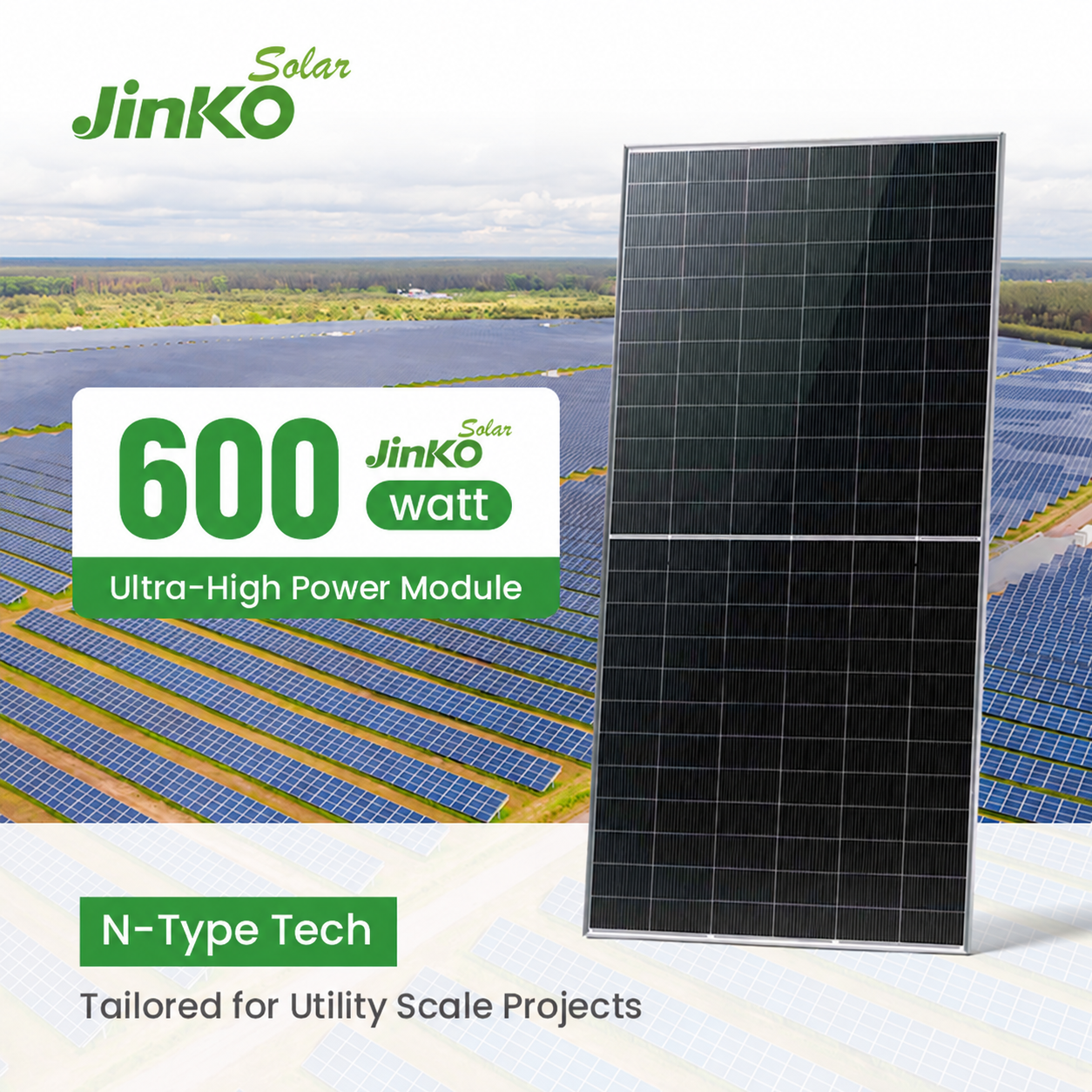
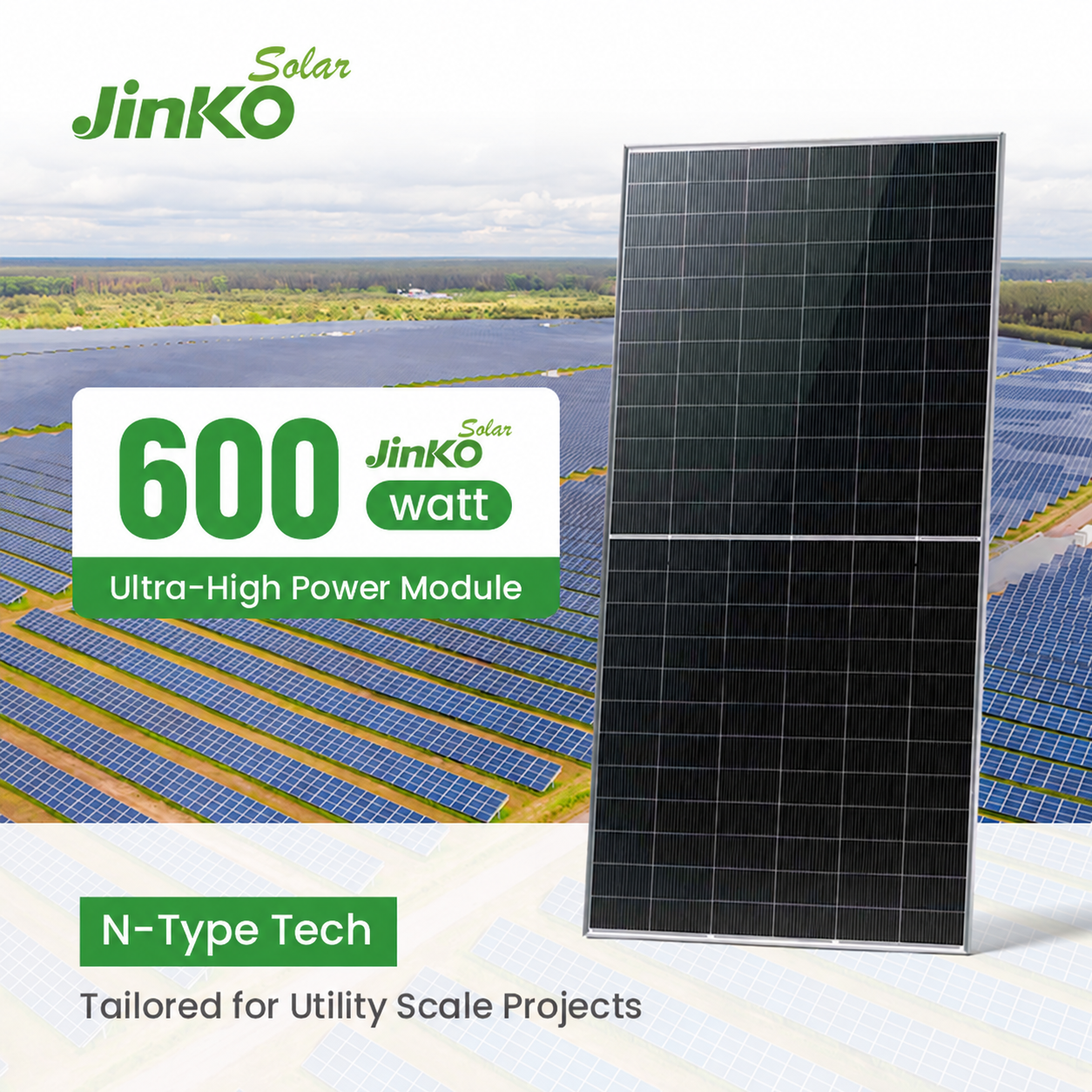
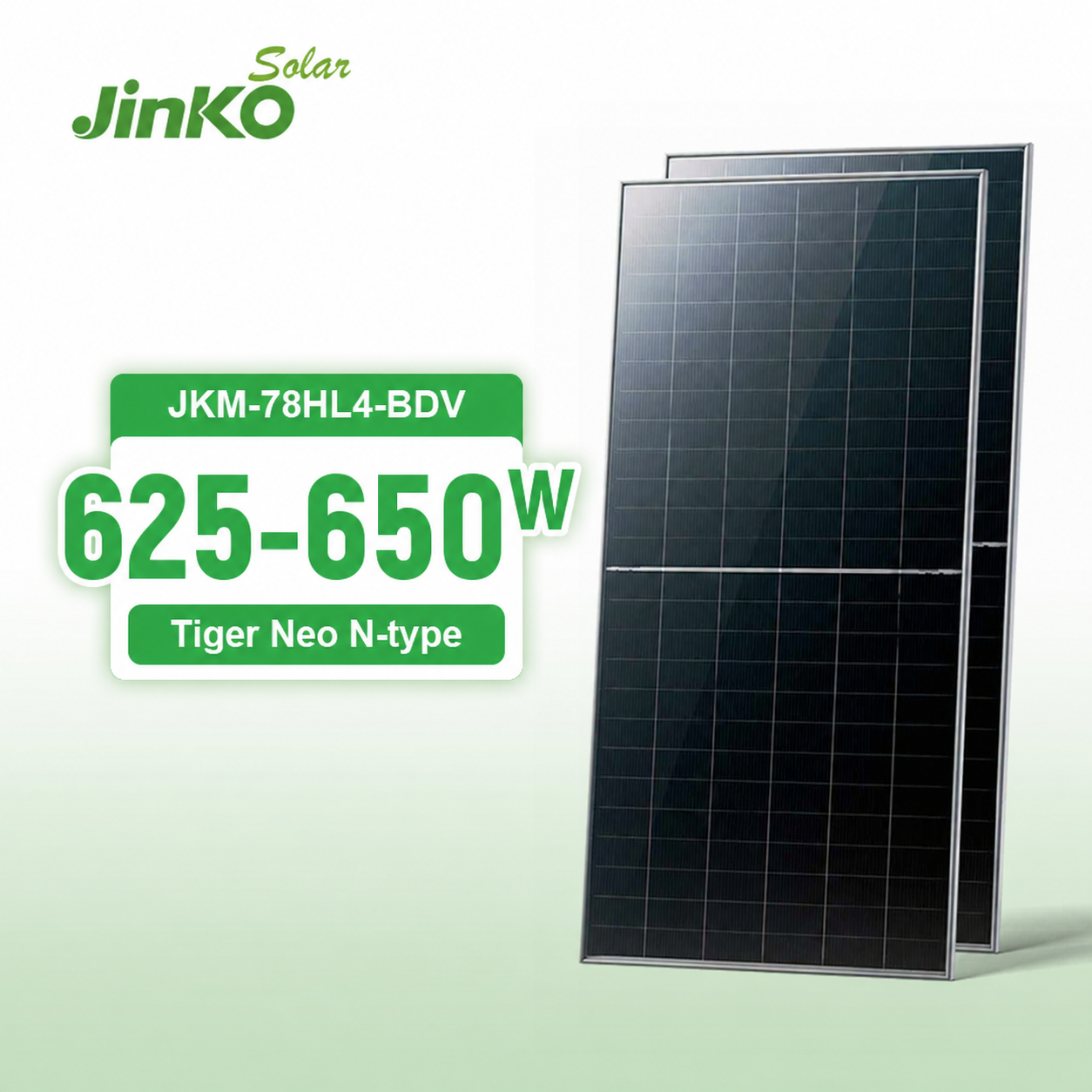
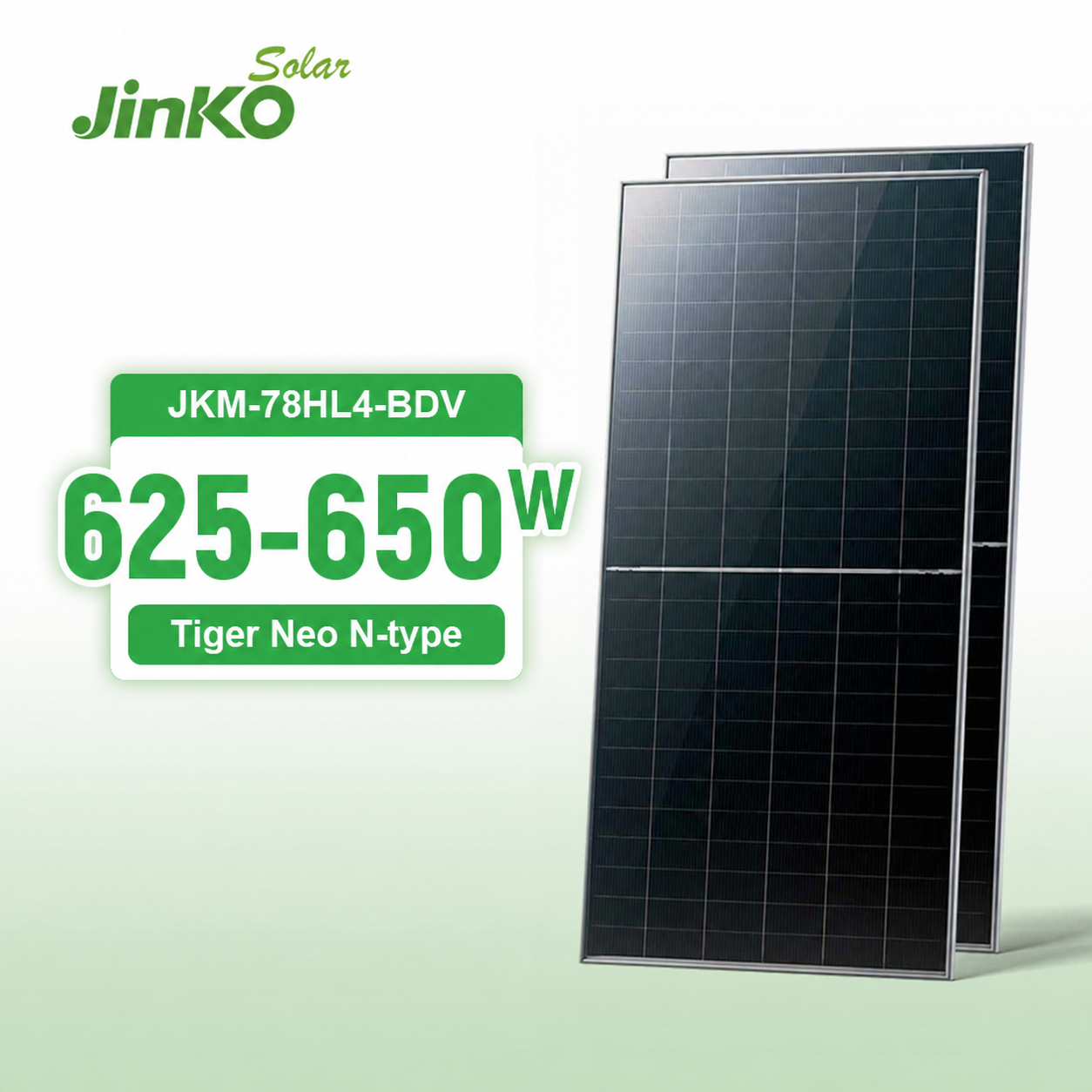
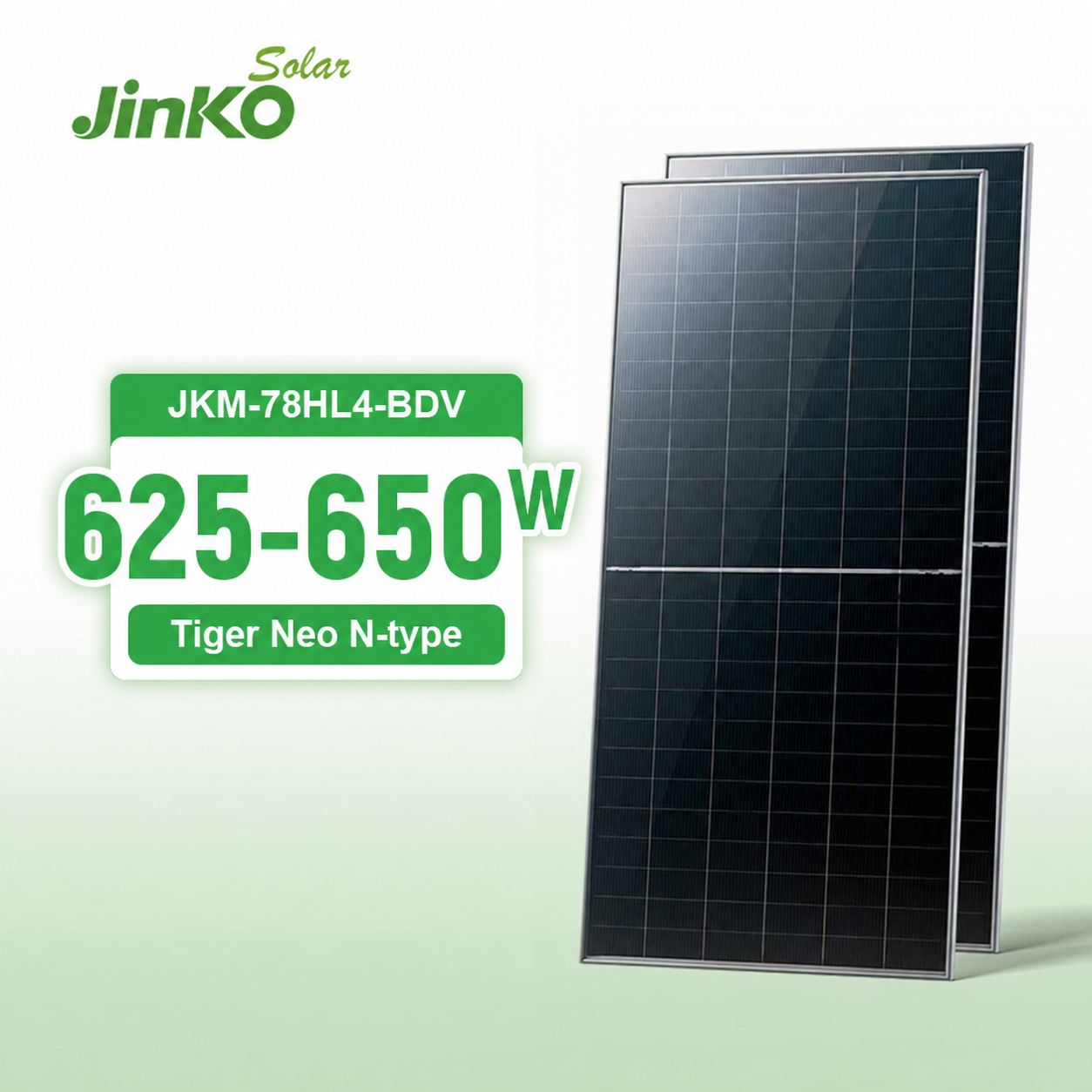
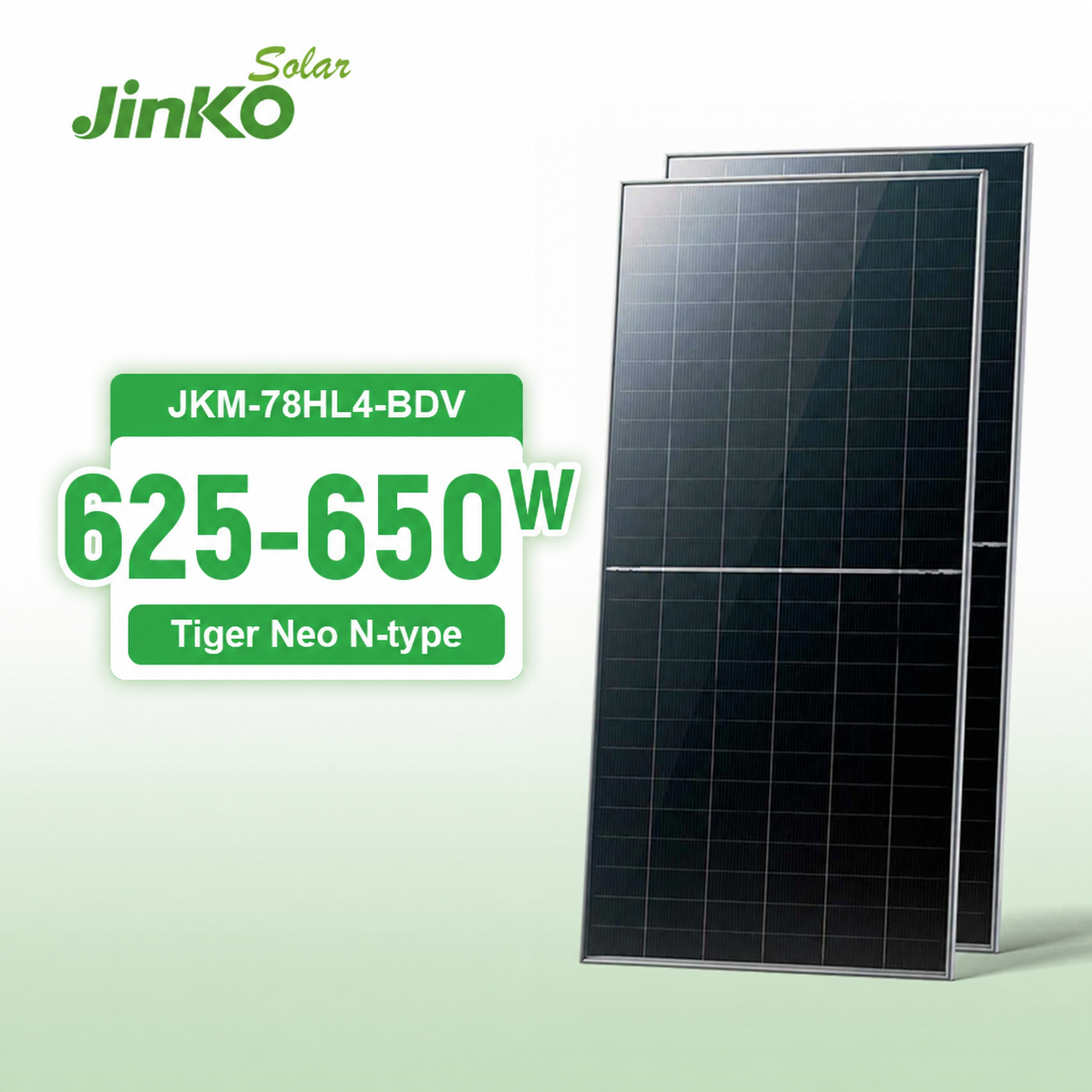
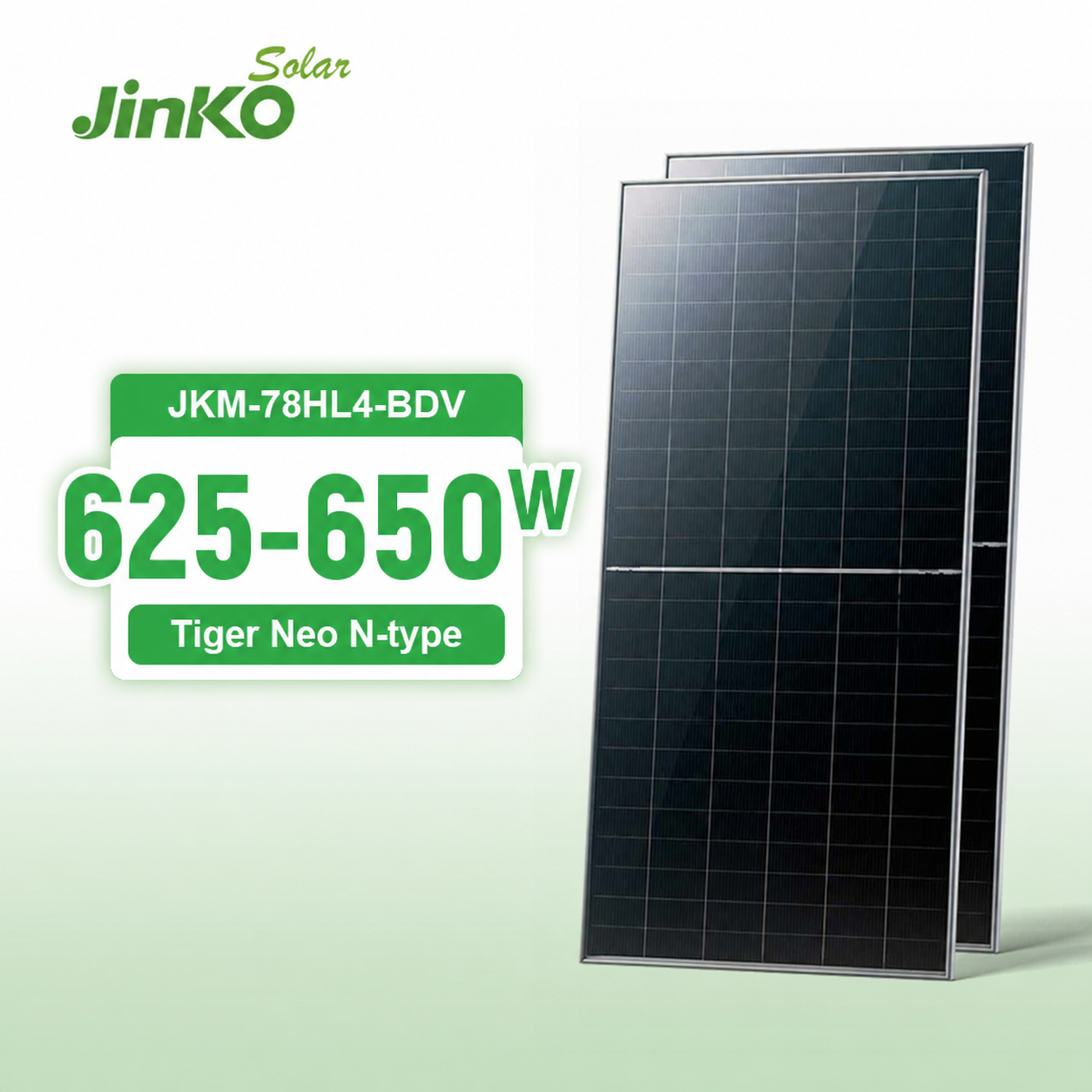
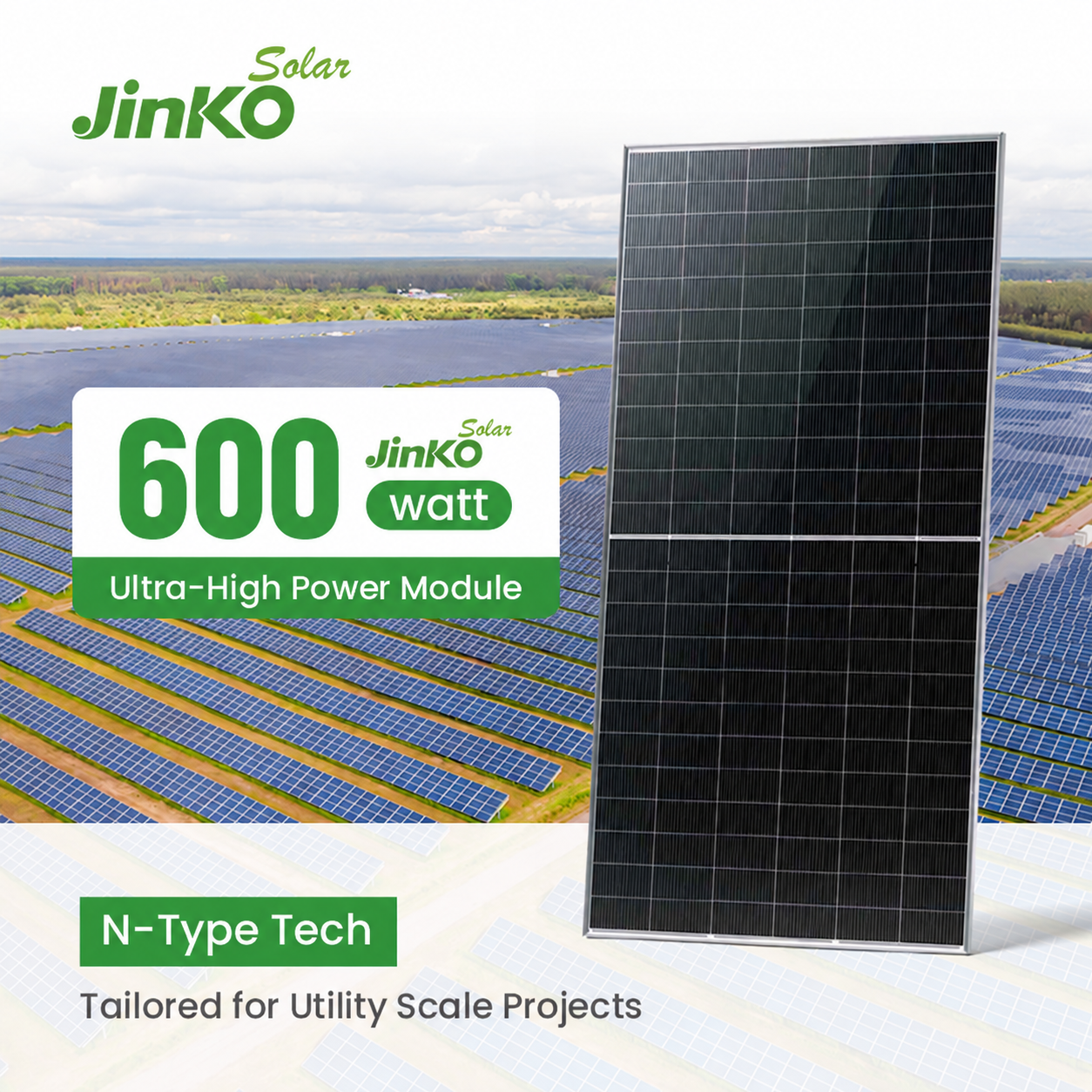
Engineered for high irradiance and extreme maritime humidity. Pair these verified TOPCon bifacial modules directly with our deep-cycle tubular gel energy storage systems for continuous 24/7 duty cycles.
Engineering Superiority: Tubular GEL (OPzV) for Northern Haiti
Why conventional flat-plate AGM batteries degrade within 18 months under Cap-Haïtien's ambient thermal profiles, and how tubular positive plates solve structural corrosion.
Operating energy storage assets in Cap-Haïtien requires addressing two severe operational variables simultaneously: ambient operating temperatures regularly exceeding 33°C to 38°C, and sustained Deep Depth-of-Discharge (DoD) cycling provoked by prolonged absences of the centralized Électricité d'Haïti (EDH) grid.
Standard valve-regulated lead-acid (VRLA) flat-plate batteries suffer accelerated grid corrosion and catastrophic water dry-out in tropical climates. Under elevated thermal exposure, standard sulfuric acid electrolytes undergo rapid stratification, leaving concentrated acid at the cell base which corrodes active materials. Our Tubular Gel (OPzV) Technology utilizes multi-tube porous gauntlets holding active lead dioxide, completely encasing spines made from die-cast antimony-free lead-calcium-tin alloys. Combined with pyrogenic fumed silica gel electrolyte, the design prevents thermal runaway, eliminates acid stratification, and retains mechanical stability during repeated deep cycling.
Electrochemical Stabilization Matrix
- Gauntlet Integrity: High-tensile polyester tubular jackets prevent active paste shedding during heavy 80% discharge cycles.
- Thixotropic Fumed Silica: Immobilized micro-porous gel eliminates free-liquid leakage and resists high-heat electrolyte dry-out.
- Partial State of Charge (PSoC): Uniquely resistant to acid crystallization when monsoons or tropical overcast limit full solar recharge.
- Zero Thermal Drift: Significant thermal mass prevents internal cell hotspots common in compact lithium enclosures without AC cooling.
| Electrochemical Architecture | Design Life @ 35°C (Tropical) | Cycle Life (80% Depth of Discharge) | Thermal Runaway Sensitivity | BMS / Communication Dependency | Logistics & Safety Rating |
|---|---|---|---|---|---|
| VOLT Tubular Gel (OPzV Deep Cycle) | 12 to 15 Years | 2,200 – 3,000 Cycles | Virtually Zero (Thermal Inertia) | Zero (Self-Regulated VRLA Chemistry) | Non-Hazardous / Standard Sea Freight |
| Standard Flat Plate AGM / GEL | 2 to 3 Years | 400 – 600 Cycles | Moderate to High (Dry-out risk) | Zero | Standard Freight |
| Lithium Iron Phosphate (LiFePO4) | 8 to 10 Years (Requires Climatization) | 3,500 – 6,000 Cycles | BMS Dependent (High Heat Alarm lockouts) | Critical (CAN/RS485 Protocol Lock) | Class 9 Dangerous Goods (UN38.3) |
Localized Applications: Empowering Northern Haiti
From the bustling commercial corridors along Boulevard du Cap to off-grid municipal clinics in Quartier-Morin, our storage assets provide reliable baseload power independent of unstable fuel supply chains.
Hospitality & Commercial Microgrids
Hotels, supermarkets, and logistics depots in central Cap-Haïtien face crippling diesel fuel expenditures. Pairing 48V / 120V tubular gel banks with Deye hybrid inverters mitigates generator fuel burn by 75%, maintaining uninterrupted silent power for cold-rooms and HVAC compressors.
- High inductive surge current absorption
- Eliminates evening diesel gen-set noise pollution
Critical Healthcare & Refrigeration
Medical posts and clinical labs throughout the Nord Department require uninterruptible cold chains for vaccines, insulin, and life-support instrumentation. Tubular gel cells deliver pure DC stability without the micro-cutoffs or digital software trip faults that plague sensitive diagnostic analyzers.
- Zero risk of BMS system digital lockup
- 48-hour continuous discharge endurance
Coastal Marine & Telecom Transmission
Cellular towers positioned across Haut-du-Cap and coastal mountaintops endure dense marine salt spray and humidity. Our airtight ABS fire-retardant enclosures and sealed gel chemistry completely resist terminal corrosion and atmospheric moisture ingress.
- Salt-mist immune copper alloy terminals
- Unattended remote operation rating
Energy Landscape: Trends Across the Nord Department
Market dynamics in Cap-Haïtien are shifting rapidly from temporary emergency backup toward autonomous, utility-scale private distributed generation networks.
The Demise of Diesel Parity
Retail fuel volatility in Northern Haiti frequently drives the levelized cost of diesel energy above $0.65/kWh. By amortizing a heavy-duty tubular gel system with high-efficiency Jinko bifacial solar modules over a 10-year operating horizon, EPCs and facility owners lock in a levelized storage cost under $0.11/kWh, insulating operations from port fuel shortages.
Decentralized Mini-Grids & Agro-Processing
Communities around Plaine-du-Nord and Milot are establishing independent agricultural microgrids for coffee, cocoa, and grain processing. Tubular gel storage provides the massive inrush current required to start single-phase and three-phase motor pumps without dropping system bus voltage.
Hurricane Preparedness & Physical Hardening
Northern Haiti lies within the Atlantic hurricane track. Tubular OPzV systems represent rugged, non-combustible assets that can withstand flooded or unconditioned powerhouse environments far better than high-voltage lithium cabinets that mandate precision HVAC split-systems to prevent thermal runaway.
Enterprise Advantages: Hangzhou VOLT New Energy
Eliminating supply chain failure for EPC contractors, NGOs, and distributors importing into the Republic of Haiti.
System Sizing & Integration
We do not merely box batteries. Our engineers verify the complete DC bus voltage curve, matching Deye hybrid inverters and Jinko solar strings with exact battery absorption, float, and equalization settings prior to shipment.
Stringent Pre-Shipment QC
Every batch of deep-cycle and tubular gel cells undergoes internal resistance (mΩ) testing, open-circuit voltage verification, and casing seal integrity checks under vacuum. Comprehensive photo/video test records are provided before loading.
Consolidated Port Logistics
Shipping to Port International de Cap-Haïtien requires meticulous documentation to avoid port demurrage. We supply compliant commercial invoices, packing lists, MSDS, non-hazardous sea transport certificates, and facilitate mixed-container consolidated loading.
Procurement & Technical FAQ: Serving Cap-Haïtien
Direct engineering and commercial answers for electrical contractors, solar dealers, and project managers in Haiti.