Engineering Systems Portfolio
Tier-1 High-Efficiency Generation to Complement Tubular Gel Banks
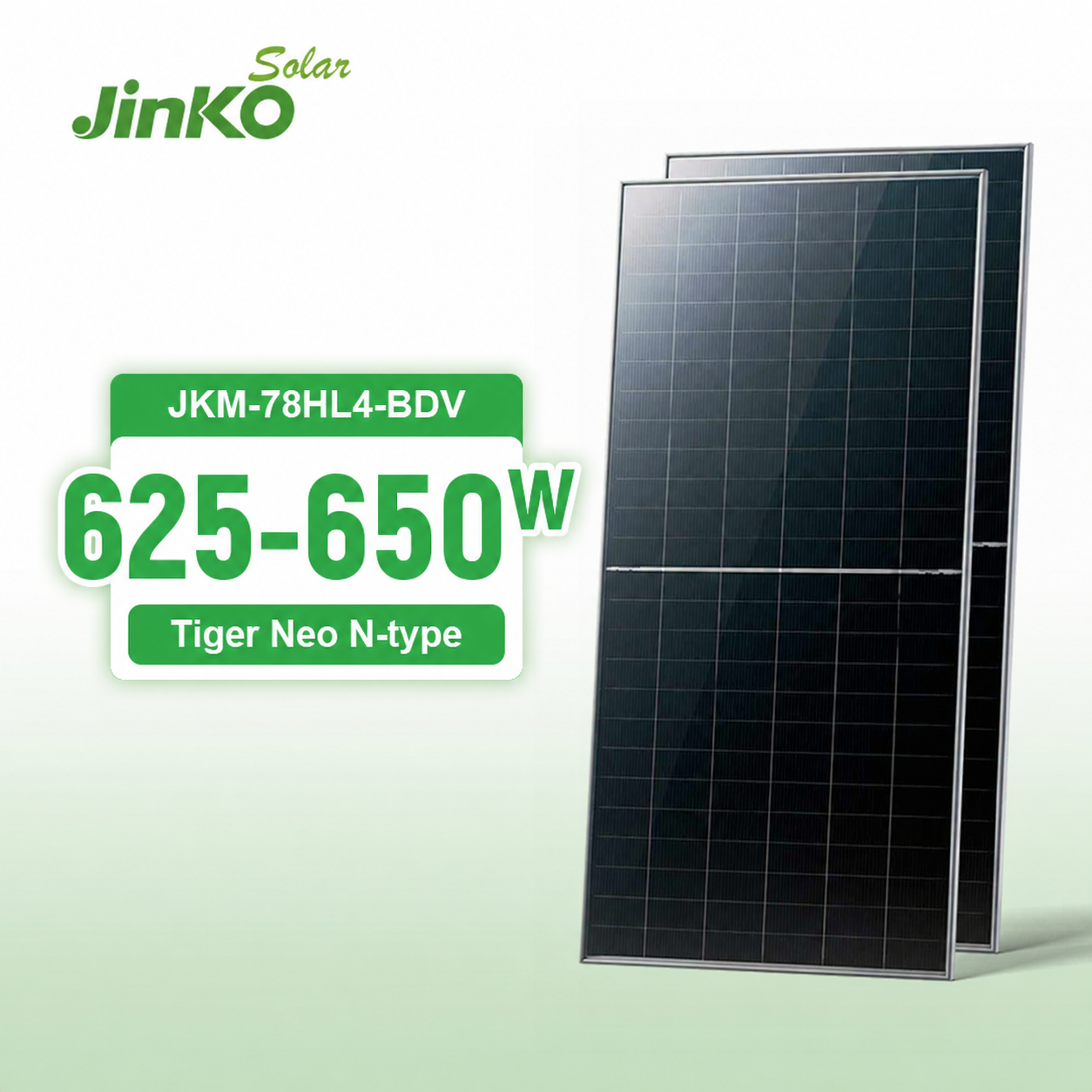
Stable storage demands robust generation. In tropical maritime climates like Anna Regina, we pair high-purity tubular gel battery systems with advanced bifacial N-type PV modules to sustain deep-discharge cycles without thermal degradation.
Utility & Agro-Industrial
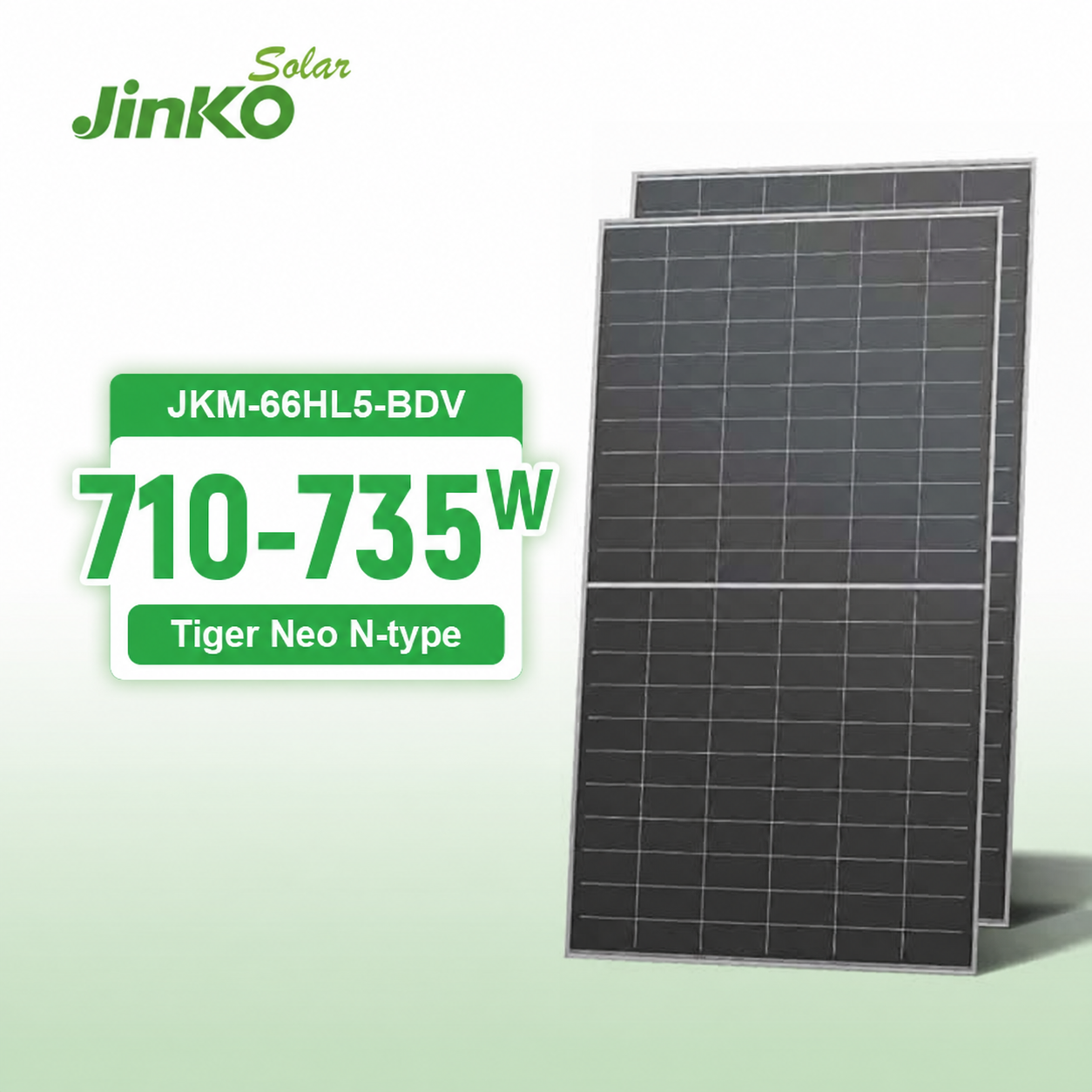
Jinko N Type Solar Panels 700W 710W 730W 725W TOPCon Bifacial Photovoltaic Module
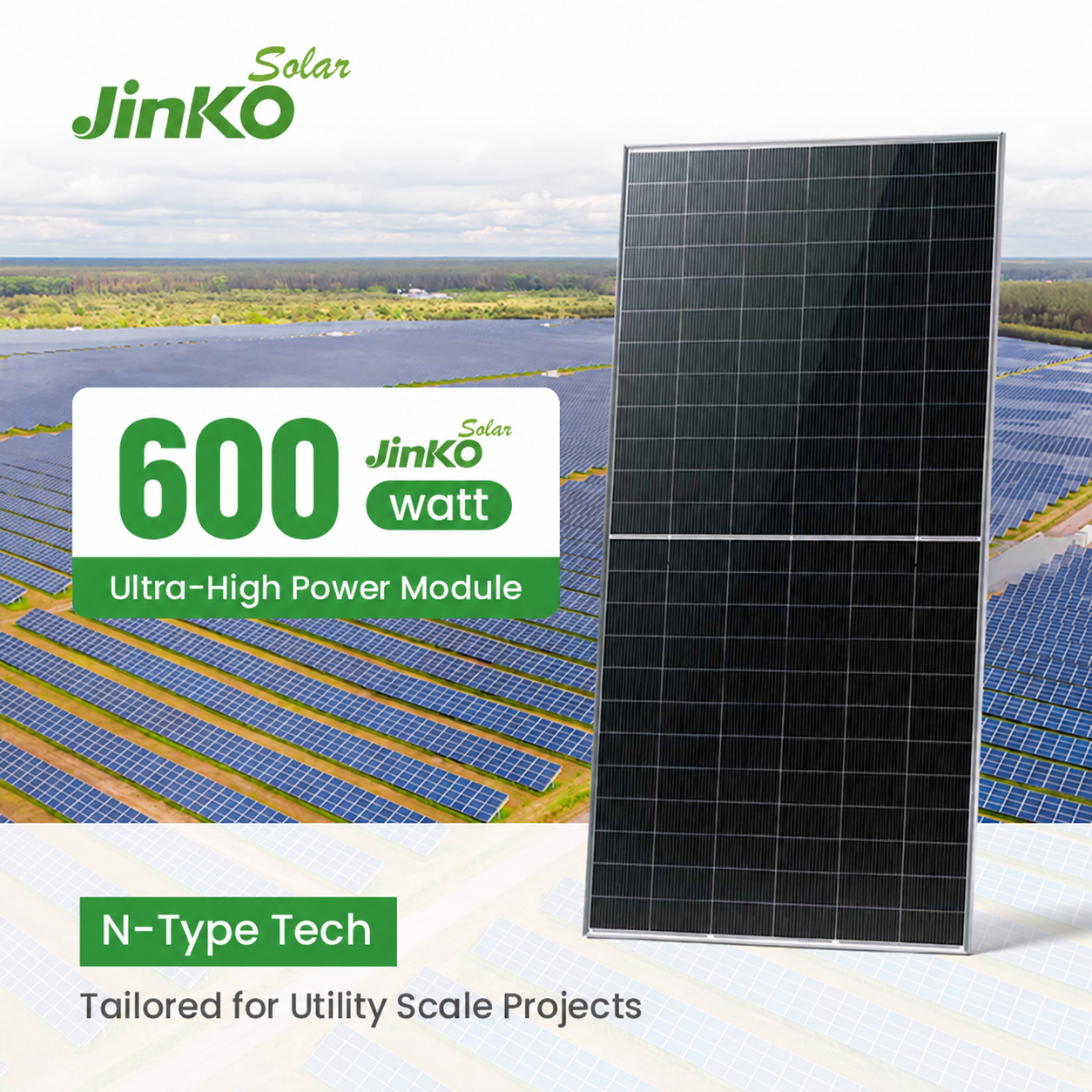
Industrial Off-Grid Array
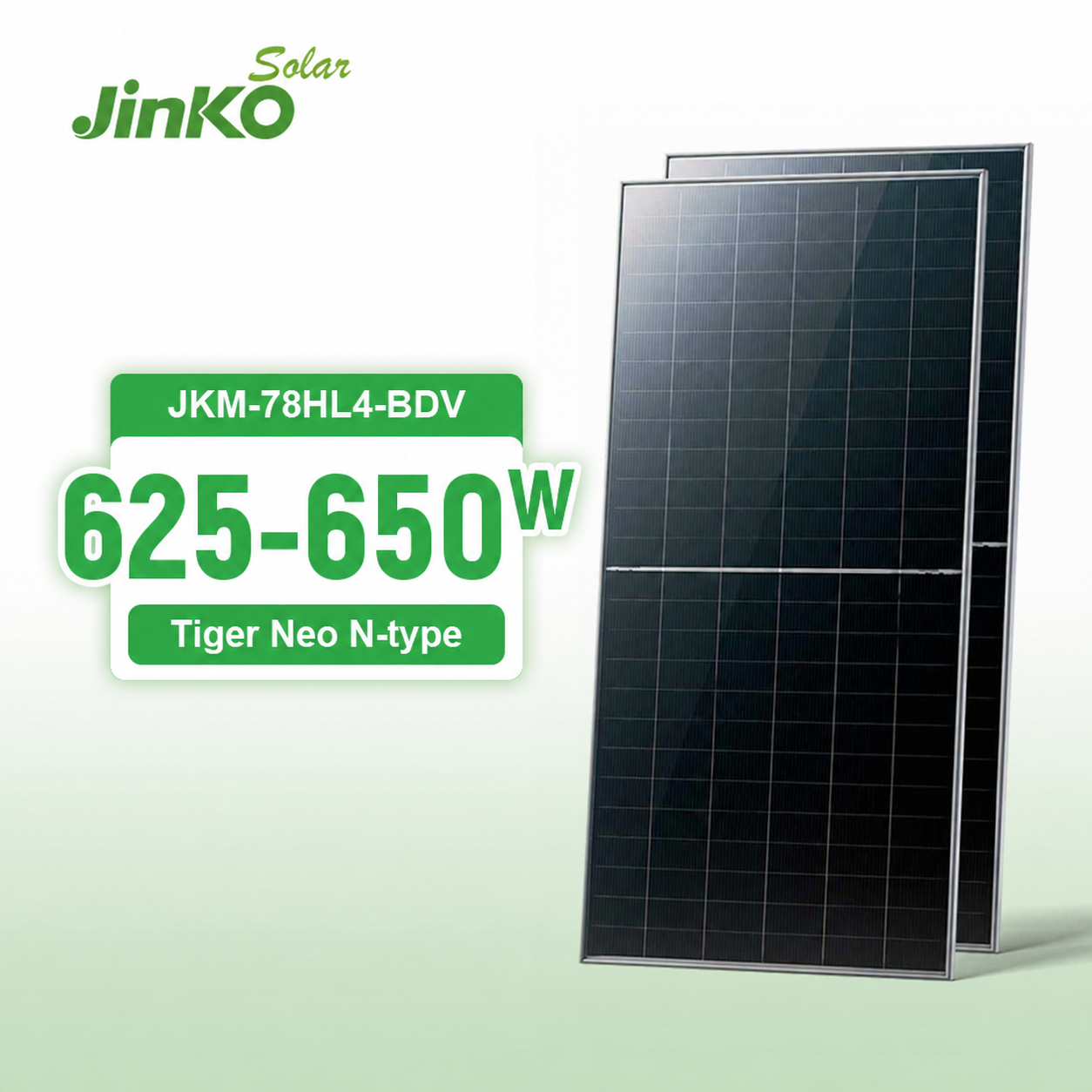
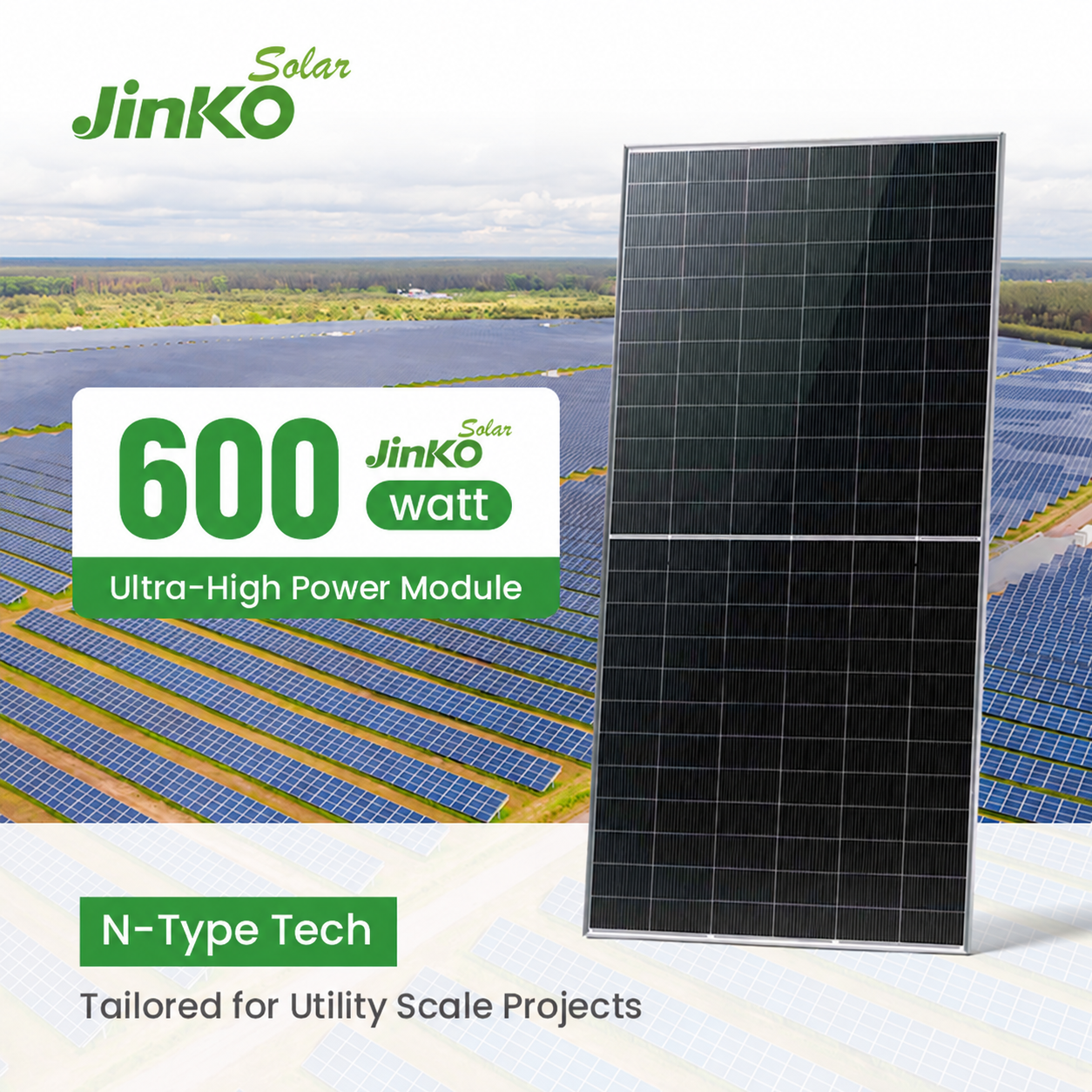
Jinko N Type Bifacial 600W 580W 590W Dual Glass Photovoltaic Solar Panel
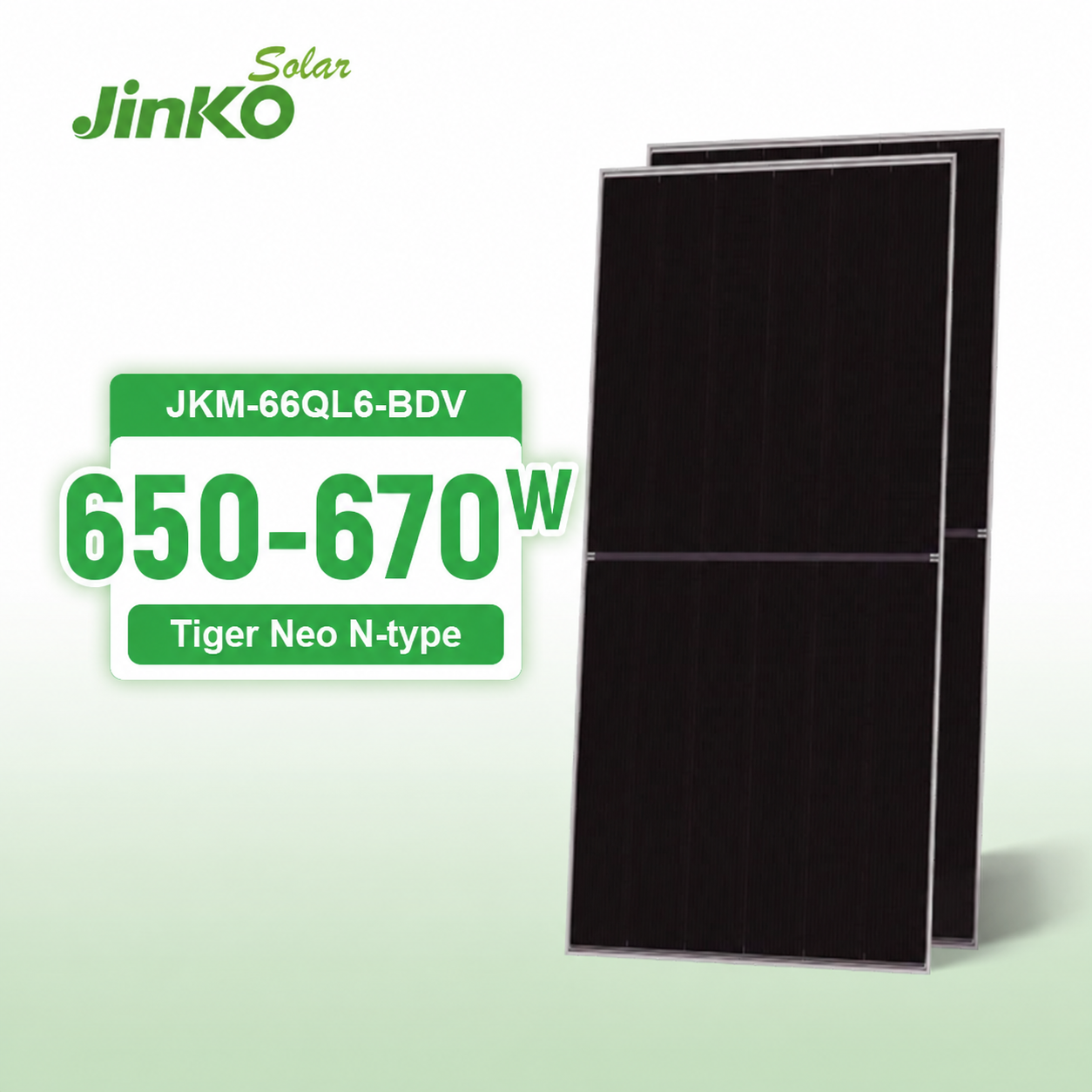
Commercial Rooftop PV
Jinko N Type 650W 660W 670W Wholesale TOPCon Bifacial Photovoltaic Module
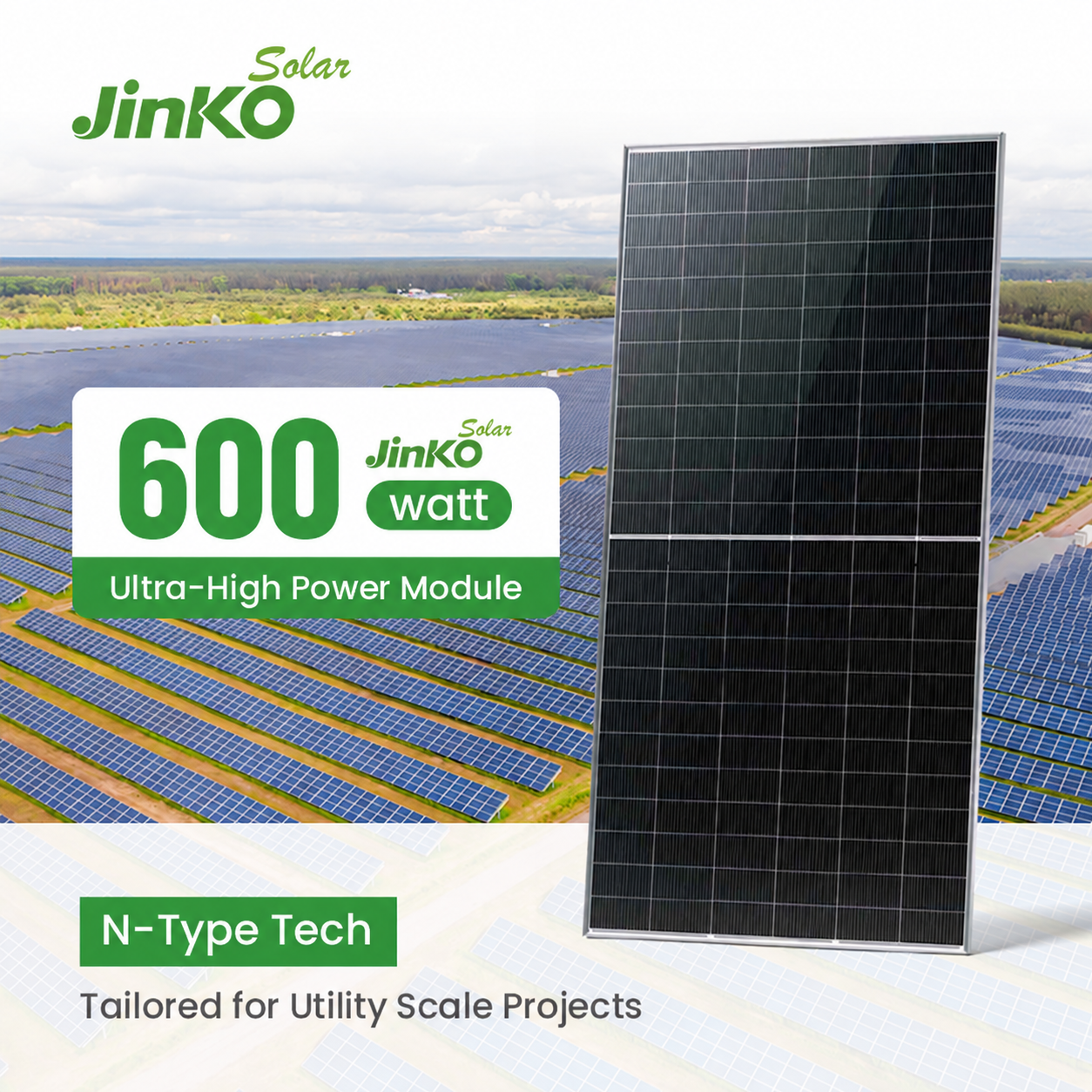
Heavy-Duty Framework
Jinko N Type Bifacial Photovoltaic Panels 600W 585W 595W TOPCon Solar Module
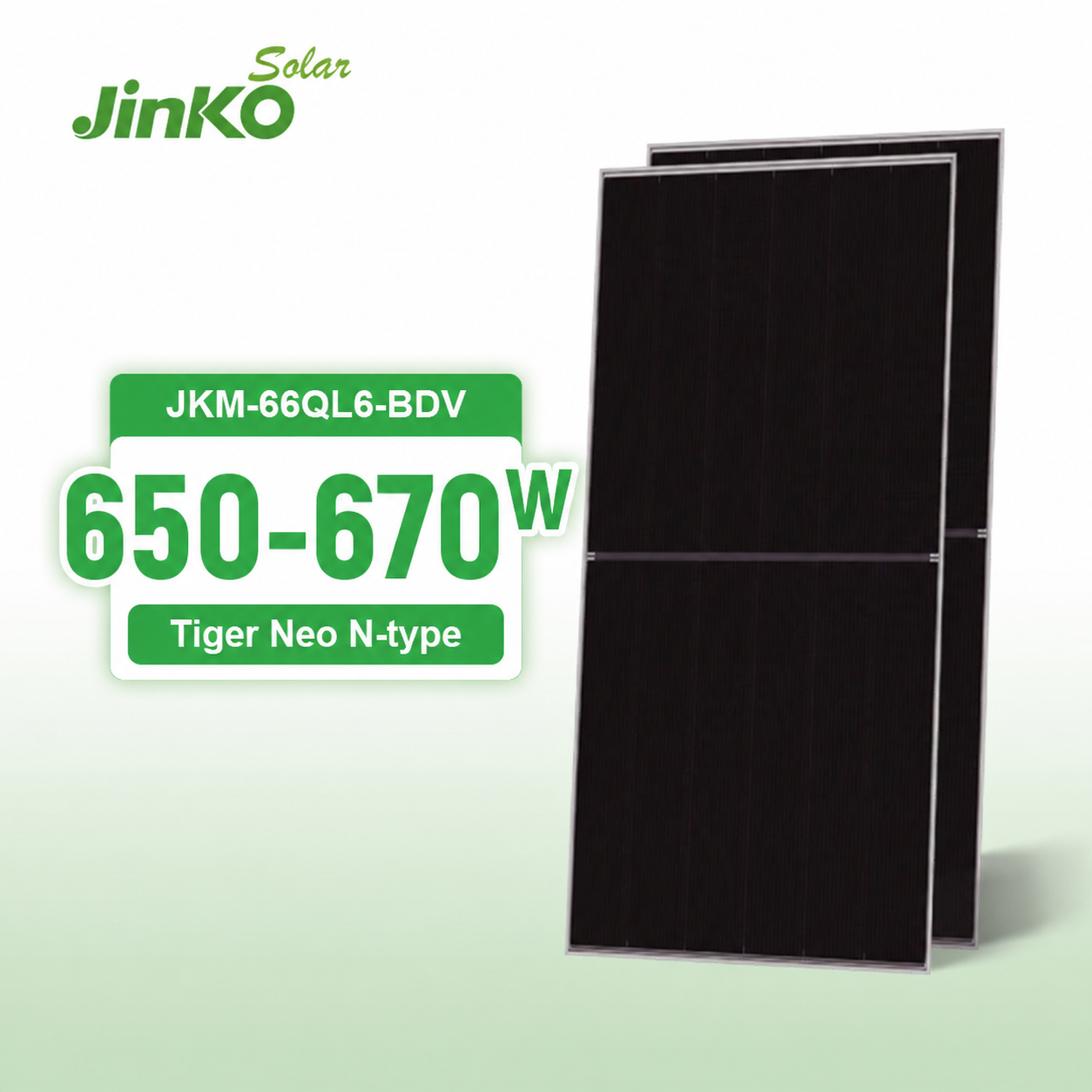
Marine-Resistant Glass
Jinko N Type Bifacial Pv Modules 650W 660W 670W Double Glass Solar Panel
2,200+
Cycles at 80% DoD (OPzV Technology)
55°C
Peak Thermal Threshold Resistance
99.994%
Electrolytic Lead Grid Purity Level
20 Yrs
Float Design Life @ 20°C Reference
Technical Whitepaper & Engineering Rationale
Electrochemical Superiority of Tubular Gel (OPzV) Along the Essequibo Coast
Deploying battery energy storage in Anna Regina and Region 2 (Pomeroon-Supenaam) presents hostile operating conditions rarely addressed by conventional stationary batteries: unconditioned ambient heat, high relative humidity (above 85%), airborne sea mist, and daily grid blackouts.
In equatorial maritime environments such as Anna Regina, standard Absorbent Glass Mat (AGM) and conventional flat-plate lead-acid batteries degrade prematurely. Under Guyana's typical year-round ambient temperatures ranging between 28°C and 34°C, flooded lead-acid batteries suffer severe electrolyte water loss, terminal corrosion, and rapid thermal dry-out. AGM batteries, relying on starved electrolytes, frequently experience thermal runaway because heat generated during charging cannot dissipate effectively through dry glass fibers.
Tubular Gel Technology (OPzV and Tubular Deep-Cycle Gel) eliminates these failure modes through two fundamental engineering breakthroughs: the woven polyester gauntlet tubular positive plate and a thixotropic fumed silica gel electrolyte. Instead of pasting active material onto a flat cast grid where mechanical shedding occurs during thermal expansion, tubular plates encase the lead dioxide ($PbO_2$) within high-tensile porous gauntlets pressurized under multi-ton pressure. This physical containment mechanically prevents active material sloughing during heavy, daily discharge cycles common during coastal GPL (Guyana Power and Light) supply dips.
Furthermore, the electrolyte consists of high-purity sulfuric acid immobilized into a gel via pyrogenic silicon dioxide ($SiO_2$). This thixotropic matrix prevents acid stratification—a primary killer of batteries in unconditioned sheds across Cotton Field, Bush Lot, and Henrietta. The internal oxygen cycle operates at an efficiency exceeding 99%, rendering the battery completely sealed, spill-proof, and maintenance-free throughout its operating life. For microgrid operators, agricultural rice mills, and municipal facilities in Anna Regina, this directly translates into a drastically lower Levelized Cost of Storage (LCOS) compared to imported consumer-grade batteries.
| Performance Parameter | Industrial Tubular Gel (OPzV) | Standard Flat-Plate AGM | Lithium Iron Phosphate (LiFePO4) |
|---|---|---|---|
| Cycle Life (80% Depth of Discharge) | 2,000 – 2,400 Cycles | 500 – 700 Cycles | 3,500 – 5,000 Cycles |
| Ambient Temperature Resilience | -20°C to +55°C (Superior heat dissipation) | 15°C to 25°C (Rapid decay >30°C) | 0°C to 45°C (Requires BMS thermal cutoffs) |
| Partial State of Charge (PSoC) Tolerance | Excellent (No acid stratification) | Poor (Severe sulphation) | Excellent (Subject to cell balance) |
| Risk of Thermal Runaway in Hot Sheds | Near Zero (Excess gel volume acts as heat sink) | High (Starved electrolyte trap) | Low to Moderate (Dependent on active BMS) |
| BMS / Complex Communication Necessity | Self-regulating (No electronic failure point) | Self-regulating | Mandatory (Susceptible to coastal lightning) |
| Maintenance & Distilled Water Additions | Zero (Fully sealed valve-regulated) | Zero | Zero |
Localized Applications
Mission-Critical Deployment Scenarios across Anna Regina & Region 2
From the Atlantic shoreline along the Essequibo coast to the agricultural hinterlands of the Pomeroon River, our tubular gel battery arrays provide steady DC power where power outages and voltage instability threaten economic productivity.
Rice Mill Automation & Continuous Grain Drying
Rice cultivation is the economic backbone of the Essequibo Coast. Voltage brownouts and frequency fluctuations during harvest drying cycles cause critical burner shutdown in grain elevators. Our 2V/12V tubular gel systems support uninterrupted heavy-duty industrial inverters, providing buffer storage to eliminate diesel generator ramp-up delays and avoid catastrophic grain spoilage.
Coastal Medical Facilities & Vaccine Cold Chain
Clinics and hospital dispensaries from Charity down through Anna Regina and Suddie demand uninterrupted refrigeration for temperature-sensitive pharmaceuticals and surgical lighting. Tubular gel chemistries discharge dependably during multi-hour grid blackouts without the risk of BMS firmware lockouts caused by grid surges or high ambient coastal humidity.
Pomeroon River Off-Grid Microgrids & Agri-hubs
Communities and agro-processing facilities along the Pomeroon waterway rely exclusively on water transport and decentralized electricity. Tubular gel banks deliver deep-cycling capabilities in unconditioned, river-edge generator stations where fuel delivery is costly and specialized electronic BMS technicians are unavailable.
Strategic Energy Transition
Guyana's Low Carbon Development Strategy (LCDS 2030) & Region 2 Trends
The energy architecture of Region 2 is undergoing a profound transformation. Escalating diesel fuel logistics costs combined with national climate mandates make resilient decentralized solar storage imperative.
Under Guyana's Low Carbon Development Strategy (LCDS) 2030, the government has accelerated rural and hinterland electrification, deploying off-grid solar mini-grids while encouraging commercial self-generation along coastal belts. In Anna Regina, grid stability on the isolated Essequibo grid system has historically been challenged by aging transmission feeders and fluctuating industrial motor loads from agro-processors.
While lithium energy storage has entered urban centers, regional commercial operators and government tenders in the Essequibo region continue to prioritize Tubular Gel (OPzV) battery technology. The driving factors are practical: coastal Guyana experiences severe seasonal lightning, utility-side spikes, and intense heat. Tubular gel chemistries have no delicate printed circuit boards (PCBs) within the cells, meaning lightning-induced inductive surges along transmission lines cannot brick the battery bank—unlike lithium systems where a single blown BMS board incapacitates the entire kilowatt-hour capacity.
Additionally, local logistics favor tubular gel's non-hazardous dry/gel status for inland waterways. Navigating up the Essequibo River and through Charity requires robust, impact-resistant battery casings that resist mechanical shocks on wooden river craft and unpaved hinterland access roads.
Why Partner With Us
Factory-Grade Reliability, Export Compliance, and Engineering Rigor
Hangzhou VOLT New Energy Technology Co., Ltd. supplies industrial energy storage hardware to EPCs, government contractors, and import distributors across 100+ countries.
Die-Cast Tubular Grids
Constructed using high-pressure die casting (100 bar) with an advanced lead-antimony-tin alloy, preventing spine porosity and guaranteeing over 18 years of electrochemical integrity under continuous float service.
Pyrogenic Fumed Silica
Sourced from premier international chemical formulators, ensuring true thixotropic gel formation without liquid stratification, zero micro-cracking, and superior three-dimensional heat conductivity within the container.
Pre-Shipment Matching
Every batch of 2V and 12V cells undergoes precision automated internal resistance (IR) and open-circuit voltage (OCV) sorting before crating, ensuring balanced strings upon installation in your Anna Regina site.
Direct Guyana Logistics
Comprehensive export documentation including non-spillable MSDS, complete bill of lading consignments through Georgetown Port, and tailored fumigated plywood packaging for onward coastal road transport.
Local Procurement FAQ
Common Technical Questions from Region 2 Contractors & Importers
Clear, field-proven answers addressing installation standards, inverter pairing, environmental tolerances, and freight handling for Anna Regina buyers.
Why is Tubular Gel preferred over Lithium (LiFePO4) for industrial applications in Anna Regina?
While LiFePO4 batteries offer higher volumetric energy density, they rely entirely on sensitive electronic Battery Management Systems (BMS). In Anna Regina and across Region 2, power lines experience high-voltage spikes and coastal lightning storms that can easily destroy external BMS circuitry. Furthermore, coastal ambient temperatures in uncooled equipment rooms exceed 35°C, which trips lithium thermal safety limits. Tubular Gel (OPzV) utilizes an inherently self-regulating electrochemical process with zero BMS failure points, wide thermal tolerances (-20°C to +55°C), and immense thermal mass that absorbs heat without degradation.
Which solar inverters are fully compatible with your 2V and 12V Tubular Gel banks?
Our tubular gel battery banks operate seamlessly with all major hybrid and off-grid inverters featuring programmable charging profiles, including Deye, Victron Energy, Schneider Electric, SMA, and Growatt. We provide pre-configured three-stage charging parameters (Bulk: 2.35–2.40V/cell; Float: 2.23–2.25V/cell; Equalization: disabled or limited to 2.40V/cell) matched to your specific site's average ambient temperature along the Essequibo coast.
How does the coastal salt spray in Anna Regina affect battery lifespan, and how is it mitigated?
Airborne salt mist accelerates terminal oxidation and galvanic corrosion. Our batteries feature solid copper female M8 terminals encased in thick lead bushings with heavy-duty dual-gasket compression seals. Every battery bank shipped to maritime Guyana is supplied with nickel-plated solid copper busbars and corrosion-inhibiting terminal grease coats to completely isolate conductive metal joints from the saline atmosphere.
What are the lead times and shipping procedures for delivery into Guyana?
Standard production time for industrial 2V OPzV or 12V tubular series is 20 to 25 days. Maritime transit from Ningbo/Shanghai port to Georgetown (Demerara Port) typically takes 35 to 45 days. From Georgetown, cargo is cleared through customs and barged or trucked via Supenaam to Anna Regina. Because tubular gel batteries are classified as non-hazardous, non-spillable electric storage batteries (UN 2800 exempt under Special Provision A67), they do not incur Class 9 Dangerous Goods freight surcharges, lowering your landed container costs.
Can we expand an existing tubular gel battery bank after 2 or 3 years of operation?
In lead-based systems, paralleling brand-new batteries directly with significantly aged strings is not recommended due to differences in internal resistance. However, if system expansion is planned for a growing facility in Region 2, we design the initial installation with partitioned string busbars or modular multi-inverter DC inputs, allowing independent charging paths that prevent older strings from degrading the new tubular gel additions.
Engineer Your Resilient Solar Storage System for Region 2
Whether sizing an off-grid rice milling operation, a municipal health station, or an isolated agro-hub along the Pomeroon, our senior technical team provides complete load audits, battery string sizing, and export logistics to Anna Regina.