Engineered PV Modules & Matched Wall Storage Ecosystem
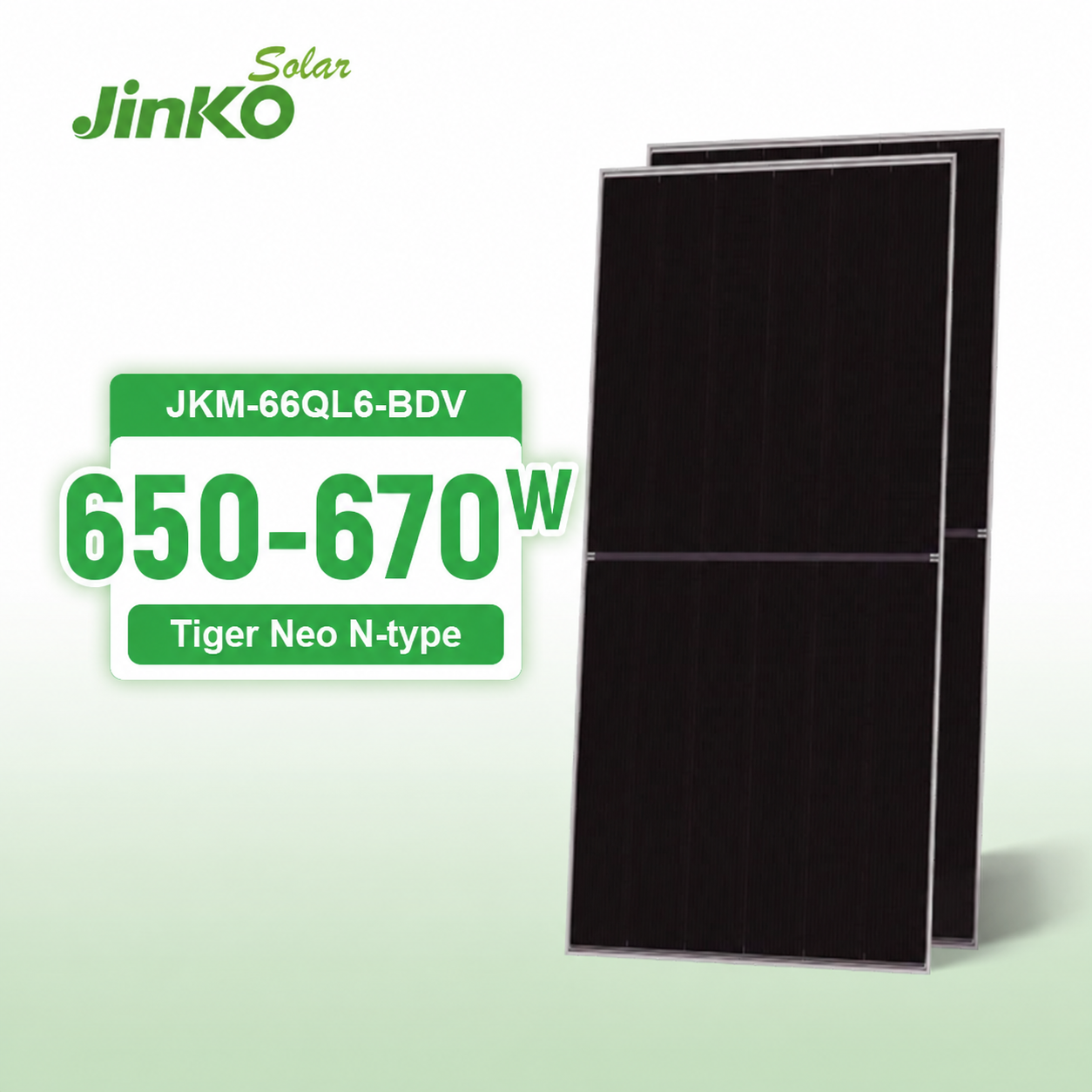
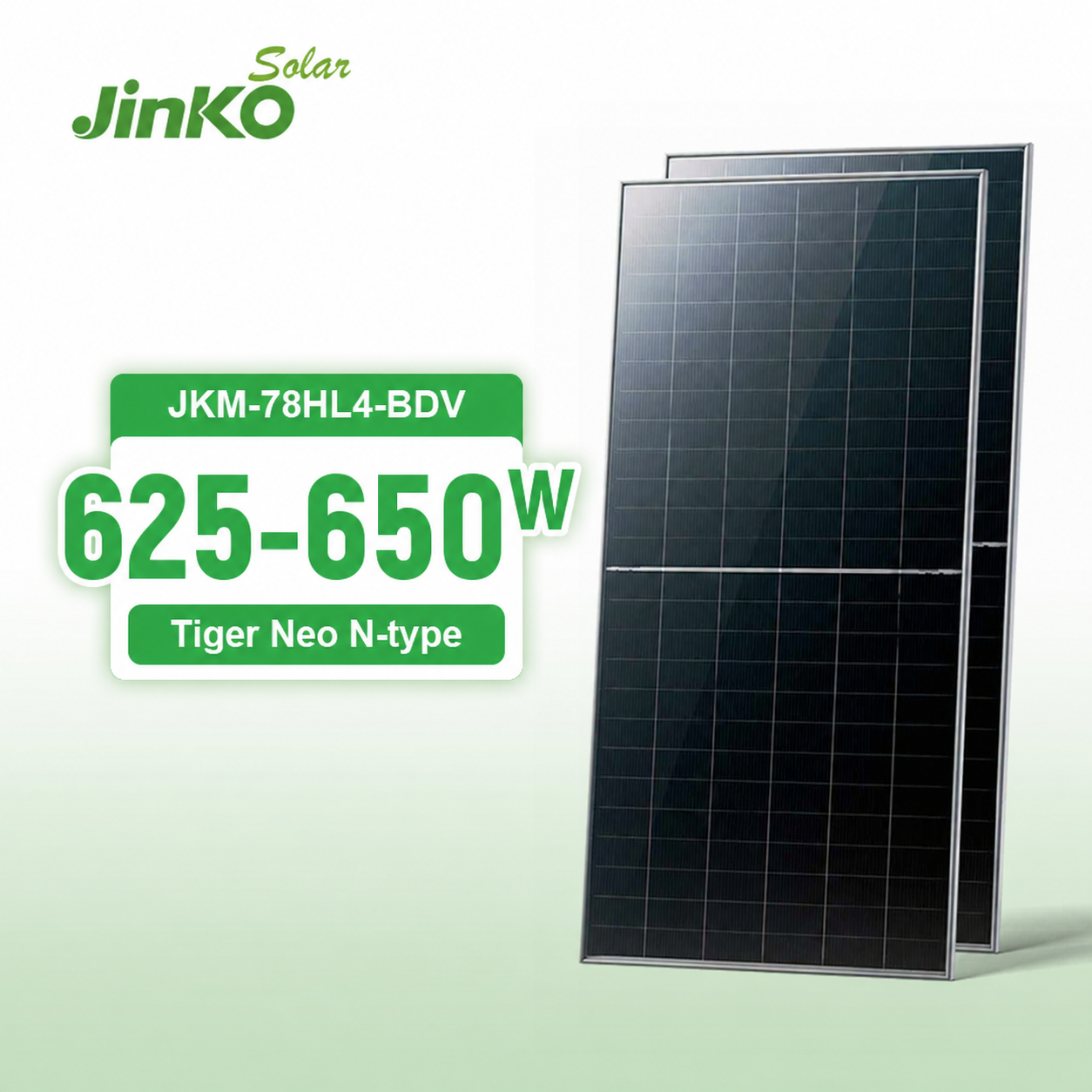
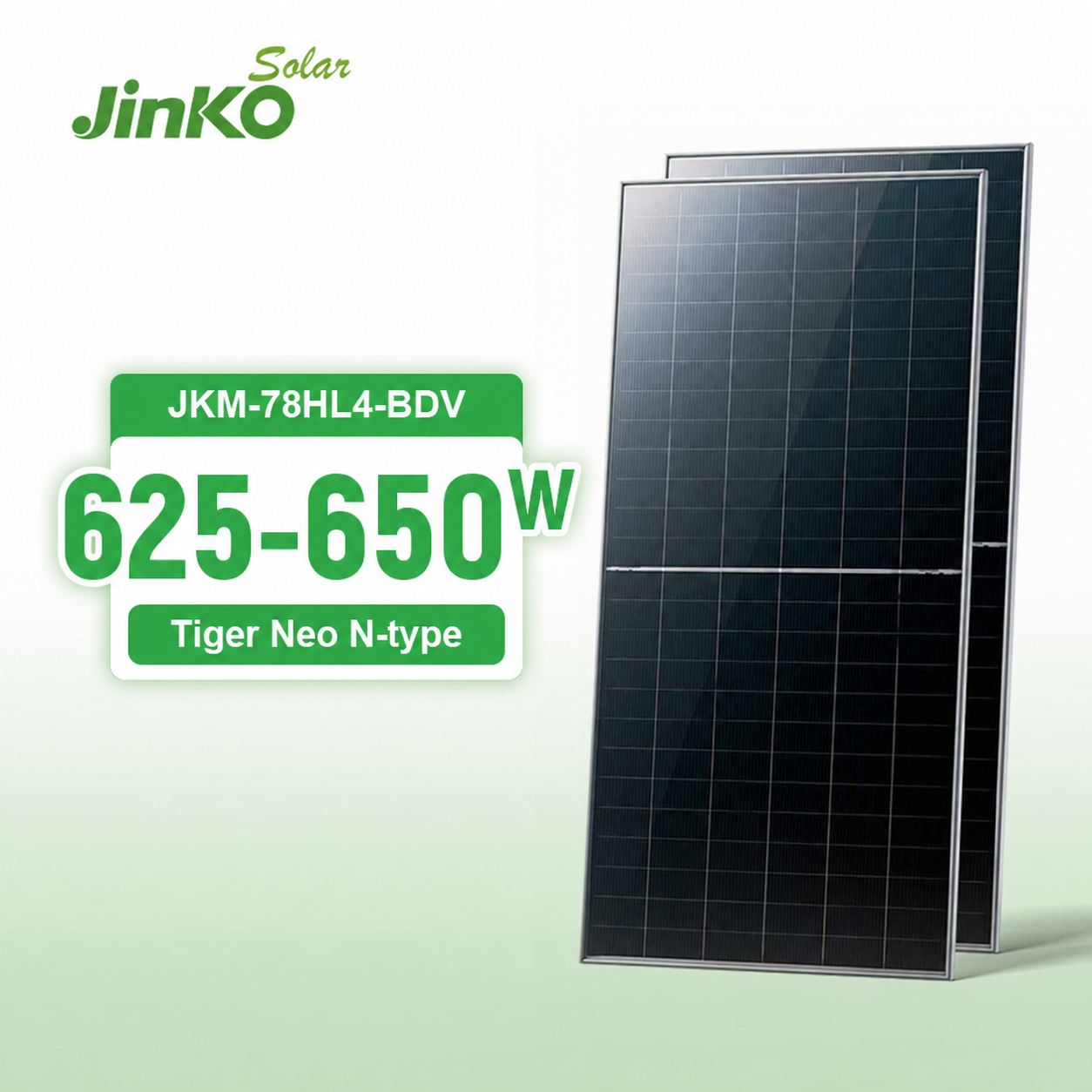
Optimized for high-yield solar arrays across Heredia's varied microclimates—from San Rafael coffee haciendas to the Belén and Barva tech industrial corridors. Explore our top-tier N-Type TOPCon bifacial modules designed for seamless coupling with wall-mounted lithium batteries.

Strategic Energy Storage Deployment Across Heredia, Costa Rica
Navigating Central Valley Microclimates, ESPH/ICE Interconnection Frameworks, and High-Density Residential Demand
Modernizing Grid Resilience for Heredia’s Residential & Commercial Infrastructure
The province of Heredia stands as Costa Rica's technological and intellectual hub, encompassing major multinational corporate campuses in Belén, advanced manufacturing centers in the América Free Zone (AFZ) and UltraPARK, and dense residential sectors spanning San Joaquín de Flores, Santo Domingo, and Barva. However, this dense industrialization and urban development places distinct electrical pressures on the local distribution networks managed primarily by the Empresa de Servicios Públicos de Heredia (ESPH) and the Instituto Costarricense de Electricidad (ICE).
While Costa Rica generates over 98% of its national grid power through renewable hydroelectric, geothermal, and wind assets, local distribution networks throughout Heredia face frequent seasonal voltage instabilities, heavy lightning-induced transient spikes, and elevated peak tariffs during commercial peak hours (10:00 to 13:00 and 17:30 to 20:30). Under Costa Rica's modern distributed generation regulatory framework (Ley No. 10082), wall-mounted lithium energy storage systems have evolved from optional backup systems into indispensable economic assets.
- Thermal Stability in Wet Microclimates: Engineered to withstand sustained relative humidity averaging 78% to 88% throughout Heredia’s green season (May to November).
- Optimized Cycle Life: Tier-1 prismatic Lithium Iron Phosphate (LiFePO4) chemistry providing over 6,000 deep discharge cycles at 80% to 90% Depth of Discharge (DoD).
- Universal Inverter Synchronization: Pre-programmed CANbus and RS485 protocol mapping matching Deye, Victron Energy, Growatt, Solis, and GoodWe hybrid inverters without communication latency.

Specialized Deployment Scenarios in Heredia Province
Tailored wall-mounted energy storage architecture addressing the specific industrial, agro-processing, and residential parameters of Costa Rica's Central Valley.
Residential Self-Consumption & Peak Arbitrage
In high-income residential enclaves throughout Santo Domingo, San Joaquín de Flores, and Cariari, residential solar adoption is rapidly accelerating. Our 5.12kWh and 10.24kWh wall-mounted LiFePO4 packs allow homeowners to store daytime photovoltaic surplus, entirely avoiding high-bracket ESPH/ICE peak billing rates during twilight hours while maintaining complete zero-emission backup during localized distribution cuts.
Specialty Coffee Processing (Beneficios) in Barva & Poás
Highland coffee processing stations and eco-lodges situated along the slopes of Barva and Santa Bárbara require unwavering power continuity for automated depulping, controlled fermentation cooling, and moisture-monitoring laboratories. Wall-mounted battery systems offer a compact, vibration-resistant footprint that withstands rural ambient humidity while eliminating diesel generator downtime and fuel volatility.
Free Trade Zone Commercial Offices & Labs
For multinational research hubs, call centers, and clinical laboratories operating within Heredia’s Free Trade Zones, momentary voltage sags can corrupt sensitive testing or disrupt global communication links. Our modular 15-module parallel wall installations deliver robust UPS-grade response (<10ms) paired with Deye hybrid inverters, safeguarding cleanroom systems and critical server loads.
Costa Rica’s Energy Transition: Ley 10082 & Heredia’s Solar Shift
The regulatory horizon in Costa Rica has undergone a fundamental transformation with the enactment of Ley No. 10082 (Promotion and Regulation of Distributed Energy Resources from Distributed Generation Sources) and updated technical frameworks issued by the Autoridad Reguladora de los Servicios Públicos (ARESEP). These legal revisions explicitly empower residential, industrial, and commercial consumers connected to ESPH and ICE grids to generate, consume, and self-store their renewable electricity.
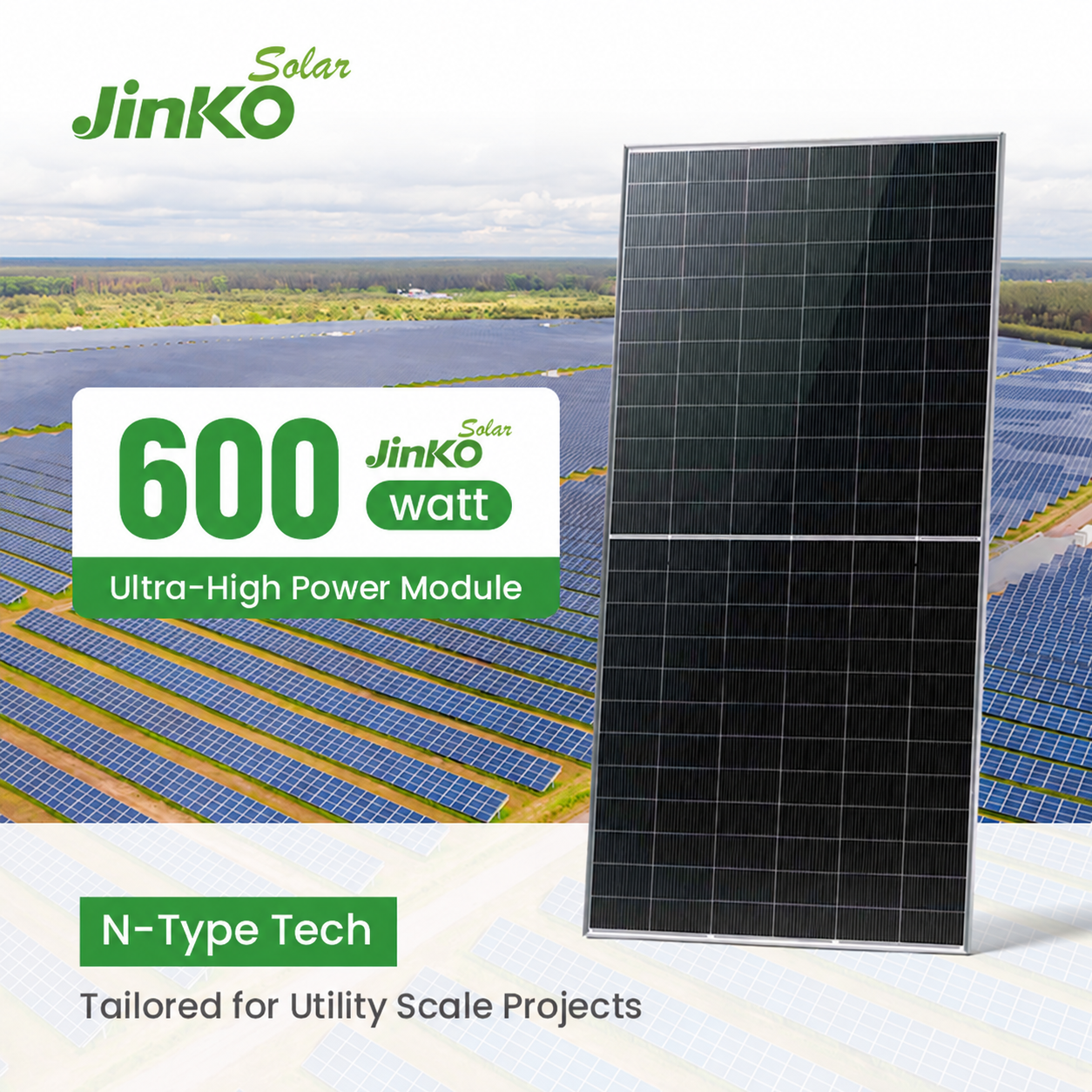
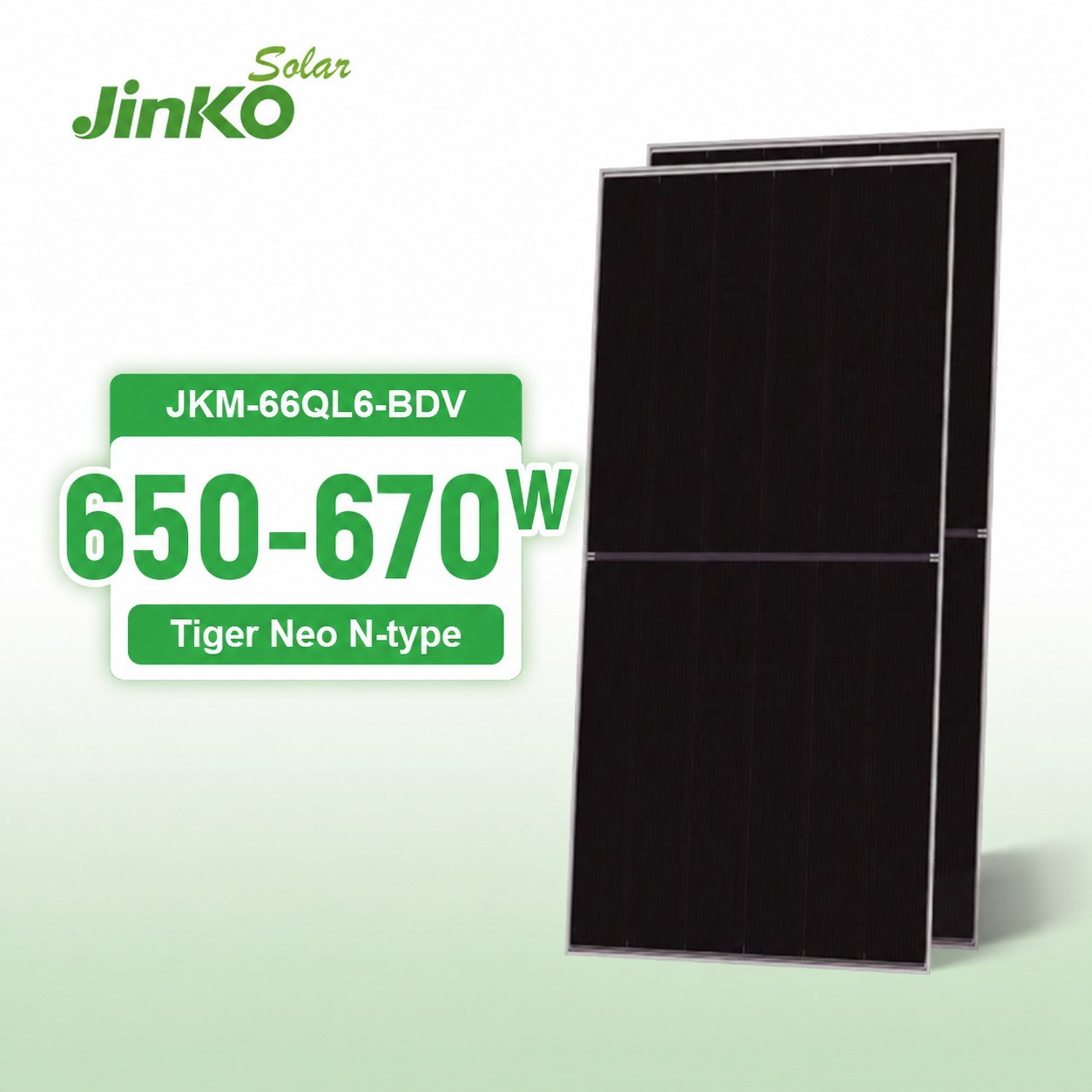
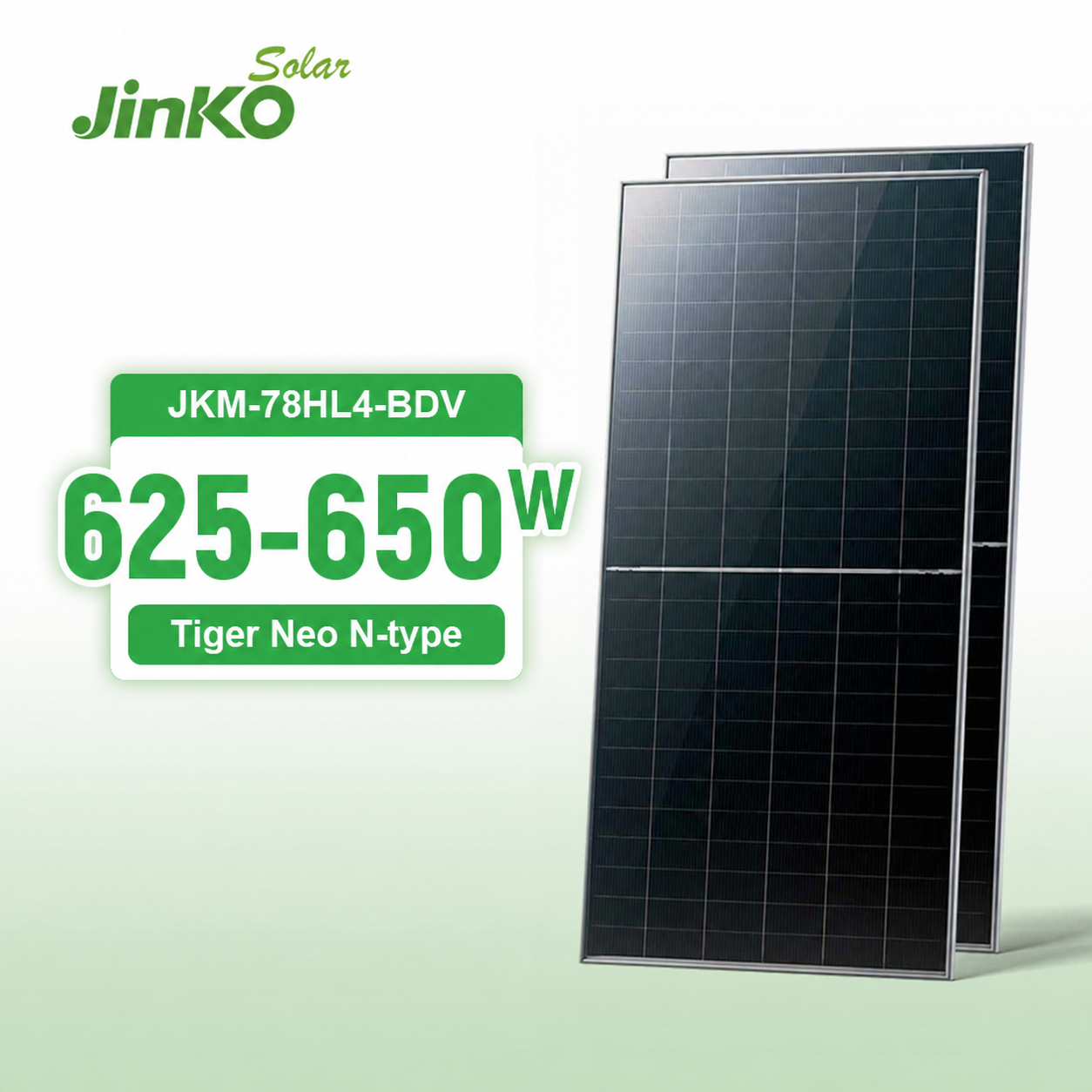
Historically, solar-only installations relied solely on simple net-metering schemes, which provided limited returns under fixed access charges (peaje de distribución). Under the current paradigm, energy storage arbitrage represents the highest economic return on investment. By capturing mid-day PV energy from high-yield TOPCon solar panels—such as Jinko 600W+ double glass modules—and discharging via smart wall-mounted batteries during non-solar peak hours, Heredia enterprises consistently reduce total electricity expenditure by 45% to 70%.
Furthermore, Heredia’s municipal initiatives toward municipal decarbonization, alongside corporate ESG commitments from Fortune 500 regional headquarters, have accelerated the phase-out of traditional lead-acid and noisy diesel gensets in favor of silent, zero-emission wall-mounted lithium energy storage systems.

Why Latin American EPCs & Heredia Distributors Partner With Us
Hangzhou VOLT New Energy Technology Co., Ltd. eliminates systemic supply chain vulnerabilities through verified protocol pre-matching, strict Tier-1 component sourcing, and turn-key export logistics.
Pre-Shipment Inverter-BMS Protocol Matching
International solar distributors frequently encounter devastating "BMS Communication Fault" errors upon site deployment. VOLT New Energy conducts rigorous hardware-in-the-loop validation for every batch. We program and flash matching CAN/RS485 firmware profiles for Deye, Victron, GoodWe, and Solis prior to crating, guaranteeing instant handshake and plug-and-play commissioning in Heredia.
Turnkey Class 9 DG Shipping to Caldera & Limón
Lithium iron phosphate batteries are classified under Class 9 Dangerous Goods (UN3480). Our experienced compliance team prepares fully certified UN38.3 test summaries, Material Safety Data Sheets (MSDS), and sea-worthy certified dangerous goods crates. We ensure seamless maritime transit and smooth customs clearance through Puerto Caldera (Pacific) and Puerto Moín/Limón (Atlantic).
Full System Kits: Panels, Inverters & Wall Storage
Rather than dealing with fragmented suppliers and misaligned component warranties, VOLT provides unified containerized consolidations. We match Tier-1 Jinko TOPCon bifacial modules, Deye hybrid inverters, and our proprietary wall-mounted LiFePO4 batteries into fully coordinated engineering kits with complete electrical schematics and breaker configurations.

Rigorous Cell Aging & Quality Benchmarks
Every wall-mounted battery manufactured in our facility utilizes brand-new Grade-A prismatic LiFePO4 cells. We implement automated laser welding for internal busbars, multi-point thermal sensor arrays, and computerized capacity sorting that ensures less than 2mV variance across cells in a 16S series pack.
Before dispatch, our engineering team subjects each unit to full-cycle charge-discharge burn-in tests at 1C rates to certify that BMS over-voltage, under-voltage, short-circuit, and high-temperature protection algorithms respond within milliseconds.
Frequently Asked Questions by Heredia Energy Buyers
Clear answers addressing import tariffs, grid compliance with ESPH/ICE, tropical climate mitigation, and technical sizing.
What are the legal and technical requirements for connecting wall batteries to ESPH or ICE grids in Heredia?
How do wall-mounted LiFePO4 batteries handle the high humidity and seasonal temperature changes of Heredia?
Which hybrid inverters commonly installed in Costa Rica are compatible with your wall batteries?
What are the import duties and logistics procedures for shipping battery containers from China to Heredia?
How does wall mounting perform during seismic activity compared to floor-standing battery racks?
Can a 10kWh wall-mounted system run air conditioning during twilight peak tariff hours in San Joaquín de Flores?
System Architecture of VOLT Wall Mounted LiFePO4 Units
Precision internal componentry engineered for 15+ years of operational lifecycle.
Automotive-Grade LiFePO4 Prismatic Chemistry
Unlike cylindrical 18650/21700 cell arrangements that introduce thousands of potential thermal failure points and internal resistance bottlenecks, VOLT wall-mounted batteries are constructed exclusively around large-format prismatic Lithium Iron Phosphate (LiFePO4) cells. This configuration yields optimal volumetric efficiency, superior passive heat dissipation, and innate chemical stability that eliminates catastrophic thermal runaway risks up to 450°C.
- Intelligent BMS Control: Continuous cell voltage monitoring with active cell balancing to ensure consistent state-of-charge (SoC) across the entire battery bank.
- Integrated Circuit Protection: Built-in dual 125A or 200A DC molded case circuit breakers (MCCB) and pre-charge resistors to prevent destructive inrush current spikes into inverter capacitor banks.
- Ultra-Compact Footprint: Depth profiles below 180mm enable unobtrusive wall installation in garages, electrical rooms, and exterior utility corridors without obstructing vehicular parking.
Accelerate Your Heredia Solar Storage Projects With Direct Factory Engineering Support
Whether you are an EPC contractor sizing a commercial microgrid in Belén, a solar distributor stocking warehouse inventory, or an installer seeking seamless Deye/Victron-compatible wall batteries, our engineering division delivers rapid turnaround on quotations, single-line diagrams, and shipping schedules.